
Medically Reviewed by:
Dr. Matthew Stanizzi, MD
Board-Certified Urologist | Medical Director, BioRestore Health
12+ Years in Clinical Urology
Last Updated: December 16, 2025
Testosterone is an essential hormone for men, influencing their energy, strength, mood, and sexual health. While levels naturally decline with age, some men experience a sharper drop, leading to symptoms that affect everyday life, like fatigue, low libido, and reduced performance. Clinical research has shown that TRT can improve bone density and strength, boost energy, mood, and sexual function, and support lean muscle in men with confirmed low testosterone.
Table of Contents
What is Testosterone Replacement Therapy?
Common Signs of Low Testosterone
Pros and Cons of Testosterone Replacement Therapy
Populations at Higher Cardiovascular Risk
Cardiovascular Monitoring Recommendations
5 Key Considerations Before Starting TRT
1. Get an Accurate Diagnosis from Trusted Professionals
2. Consider Lifestyle Modifications
3. Understand TRT is not a Cure
Take Charge of Your Testosterone Health with BioRestore
| Key Takeaways ✓ TRT can boost energy, libido, mood stability, muscle mass, and bone health. ✓ It may bring risks like reduced fertility, skin changes, clotting issues, and lifelong monitoring. ✓ Lab tests are essential to confirm Low T and rule out other conditions. ✓ TRT may be life-changing for some men, but it isn’t right for everyone. ✓ It treats symptoms, not the root cause, so weighing pros and cons is critical. |
What is Testosterone Replacement Therapy?
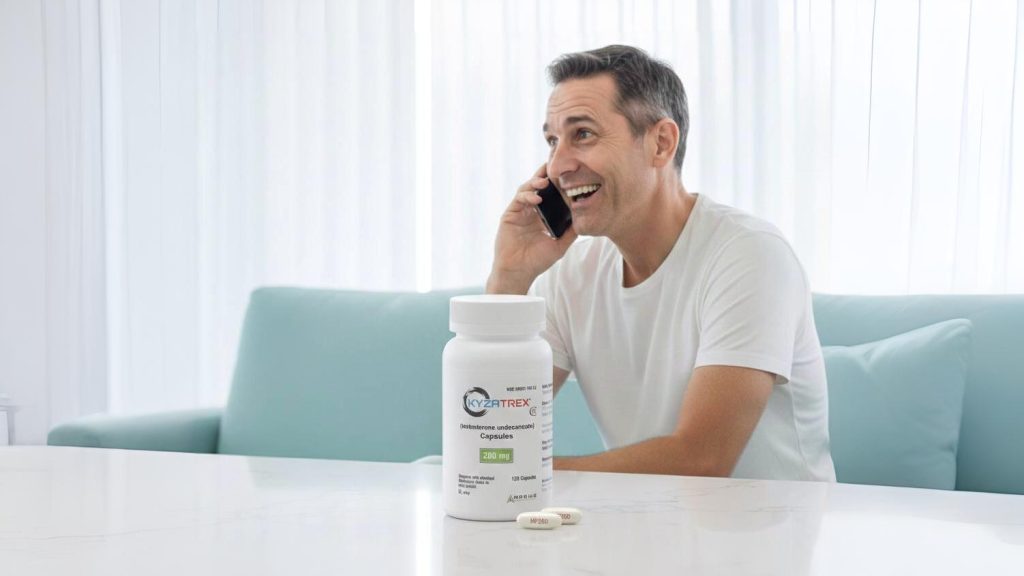
Testosterone Replacement Therapy (TRT) is a medication designed to balance testosterone in men who have been diagnosed with low testosterone (Low T) or when they do not produce enough naturally, often referred to as hypogonadism. TRT works by raising testosterone in the bloodstream to supplement the body’s natural hormone production. The goal is not to create unnaturally high levels but to stabilize testosterone so symptoms of Low T are reduced and eliminated.
What Causes Low Testosterone
While testosterone naturally declines with age, not all cases of Low T are simply the result of getting older. Several medical, lifestyle, and genetic factors can contribute.
Chronic Illnesses
Health conditions such as type 2 diabetes, obesity, metabolic syndrome, and chronic kidney or liver disease are strongly associated with reduced testosterone. In these cases, inflammation, insulin resistance, or impaired organ function can disrupt hormone production and balance.
Lifestyle
Modern lifestyle choices have a significant impact on hormone health. Poor diet, chronic stress, excessive alcohol intake, drug abuse, smoking, and inadequate sleep can all reduce testosterone levels.
Injuries or Medical Conditions
Damage to the testicles (from injury, surgery, or infection) can impair the body’s ability to produce testosterone. Conditions affecting the pituitary gland or hypothalamus, which regulate hormone signaling, can also lead to testosterone. Moreover, men undergoing radiation or chemotherapy may experience temporary or permanent disruption of testosterone production.
Genetics
Certain inherited conditions affect hormone production. Klinefelter syndrome (an extra X chromosome in males) is one example where testicular development is impaired. Other genetic disorders involving hormone receptors or enzymes can also contribute to testosterone deficiency.
Common Signs of Low Testosterone

Low T affects sexual health, disrupts energy levels, mood, muscle strength, bone density, and even cardiovascular health. It’s essential to know the signs of low testosterone so it doesn’t go overlooked. Recognizing symptoms early can make a big difference in treatment, quality of life, and long-term health.
According to the American Urological Association, a testosterone level below 300 ng/dl, combined with other symptoms, is typically considered deficient and may warrant further evaluation.
Common symptoms include:
- Energy and Fatigue: Feeling constantly drained, even after adequate rest.
- Sexual Function: Reduced libido, weaker erections, and reduced sexual satisfaction.
- Physical Changes: Decreased muscle mass, increased fat, and loss of body hair.
- Mood and Cognition: Irritability, depression, anxiety, brain fog, and poor concentration.
- Sleep Issues: Disturbances in sleep and insomnia.
- Bone Health: Thinner bones, higher risk of fractures, and reduced bone density.
Pros and Cons of Testosterone Replacement Therapy
Advantages
Improved Energy and Vitality
Men with low testosterone often struggle with constant fatigue that persists even after rest. By restoring hormone levels to a healthy range, TRT enhances mitochondrial activity and overall stamina, allowing men to feel more alert and active throughout the day.
Muscle Growth and Physical Performance
Testosterone is a critical regulator of protein synthesis, the biological process that repairs and builds muscle tissue. When levels are low, maintaining strength and lean muscle becomes challenging despite regular exercise. By restoring testosterone levels, men often notice greater muscle growth, improved endurance, and a reduction in body fat.
Enhance Libido and Sexual Function
Low T is one of the leading contributors to decreased libido and erectile dysfunction. By normalizing hormone levels, TRT often revives sexual desire and improves erectile function. Men frequently report stronger libido, more consistent morning erections, and improved performance, which can also enhance intimacy and relationship satisfaction.
Improved Mood and Mental Health
Hormonal imbalance can directly influence neurotransmitters such as serotonin and dopamine, which regulate mood. With TRT regulating hormone levels, it helps restore stability to reduce irritability, lessen anxiety, and improve overall temperament.
Sleep Quality
Low testosterone has been associated with insomnia, restless nights, and disrupted sleep cycles. By stabilizing hormone levels, TRT can support more restorative sleep and help regulate circadian rhythms. While TRT is not a primary treatment for sleep disorders, improving hormone balance can reduce sleep disturbances related to Low T.
Bone Health
Without sufficient testosterone levels, men are at greater risk of osteoporosis and bone fractures. TRT helps increase bone density and protect skeletal strength, particularly in aging men.
Disadvantages
Fertility Reduction
Testosterone therapy can suppress the body’s natural testosterone production, which in turn lowers sperm count. Regular use for 10–12 weeks can cause significant suppression and sometimes azoospermia. After stopping therapy, about 90% of patients return to baseline sperm concentrations within 12 months.
Skin and Hair Issues
Testosterone affects multiple pathways in the body. So supplementing it can sometimes trigger side effects, including oily skin, acne breakouts, fluid retention, or accelerated hair loss in genetically predisposed men. While these effects are not universal and are often manageable under medical supervision, they highlight the need for ongoing monitoring to ensure therapy remains safe.
Increased Clotting Risk
Excess testosterone can overstimulate the bone marrow to produce more red blood cells, a condition known as polycythemia. A 2021 study suggests that about 11.5% of transgender men on HRT develop polycythemia, while estimates for cisgender men on TRT range widely from 5% to 66%. If levels become too high, clinicians may lower the dose, pause treatment, or recommend therapeutic phlebotomy, a procedure similar to donating blood in which an IV is used to remove blood. In adult men, normal hematocrit values generally fall between 41% and 50%.
Permanent Dependency
Unlike a short course of antibiotics or temporary medication, testosterone therapy is rarely a quick fix. Once the body begins receiving external testosterone, natural production often decreases, meaning men who discontinue therapy may experience a sharp return of symptoms or even a more severe hormonal imbalance than before. For many, this means TRT becomes a lifelong treatment that must be maintained consistently to preserve results.
Cardiovascular Risks

Populations at Higher Cardiovascular Risk
Older Men
Men over 45–80 years old with multiple existing CV risk factors (e.g., diabetes, hypertension, obesity, smoking) may experience a higher net risk when starting TRT.
Men With Pre-Existing Cardiovascular Disease
Those with a prior:
- Heart attack
- Stroke or TIA
- Coronary artery disease
are considered higher risk. TRT is often deferred until the condition is stable and closely monitored thereafter.
Men With Heart Failure
Because TRT may increase fluid retention and blood pressure, individuals with moderate to severe or uncontrolled heart failure require extra caution. Initiation may not be recommended until symptoms are well-managed.
Men With a History of Blood Clots
Individuals with:
- Previous DVT or PE
- Known clotting disorders
are at increased risk due to TRT’s potential to elevate hematocrit and alter blood viscosity.
Men With Uncontrolled Hypertension
TRT may further increase blood pressure; therefore, men with poorly controlled hypertension should stabilize their blood pressure before starting therapy.
Men Who Develop Polycythemia on TRT
If hematocrit rises significantly (often around 54% or higher), clot risk increases. Management may require dose adjustments, pausing therapy, or therapeutic phlebotomy.
Individuals Using Supraphysiologic or Non-Prescribed Testosterone
High-dose anabolic steroid regimens—far exceeding medical TRT levels—carry substantially higher risks of arrhythmias, cardiomyopathy, clotting events, and sudden cardiac complications.
Cardiovascular Monitoring Recommendations
Baseline Assessment
Before starting TRT, clinicians typically evaluate:
- Blood pressure
- Cardiovascular history
- Cholesterol and metabolic markers
- Clotting history
- Smoking status
Ongoing Monitoring
During treatment, higher-risk individuals may need:
- Regular blood pressure checks
- Hematocrit/hemoglobin monitoring
- Periodic evaluation of heart symptoms (chest pain, palpitations, shortness of breath)
- Reevaluation after any acute cardiovascular event (e.g., heart attack, stroke, new clot)
5 Key Considerations Before Starting TRT

Starting Testosterone Replacement Treatment is a major decision that goes beyond simply alleviating fatigue or improving vitality. Because TRT involves long-term commitment and medical oversight, it is important to carefully evaluate whether it’s the right choice for you.
Here are the most important factors to consider before beginning treatment:
1. Get an Accurate Diagnosis from Trusted Professionals
Accurately diagnosing low testosterone requires more than a single blood test—it often takes multiple readings and a thorough review of symptoms. Working with qualified medical professionals ensures you’re addressing the real cause of your concerns, not just the numbers on a lab report. Clinics like BioRestore specialize in comprehensive hormone evaluations, but your care team may also include endocrinologists, urologists, or primary physicians to give you the full picture before starting therapy.
2. Consider Lifestyle Modifications
Before committing to TRT, it’s worth exploring natural ways to improve hormone balance. Lifestyle changes like strength training, improved sleep, weight loss, and stress management can significantly increase testosterone in some men. While lifestyle alone may not correct severe deficiency, it can either reduce symptoms enough to avoid therapy or enhance the effectiveness of TRT if you do begin.
3. Understand TRT is not a Cure
It’s important to recognize that TRT is not a permanent cure for low testosterone but a treatment that manages the condition. While therapy restores testosterone levels and alleviates symptoms, it does not correct the underlying cause of hormone deficiency. In most cases, if you stop therapy, symptoms return, often more intensely than before. This means TRT should be viewed as an ongoing therapy rather than a one-time fix.
4. Commitment to Monitoring
TRT isn’t a “set it and forget it” treatment. Regular bloodwork and check-ins are essential to track hormone levels, red blood cell counts, cardiovascular health, and other factors. Ongoing monitoring keeps the therapy safe and effective.
5. Cost Consideration
Testosterone replacement therapy is usually a long-term, often lifelong treatment. Depending on the treatment form, costs can vary significantly. While some insurance plans cover TRT, many classify it as elective, leaving patients to cover monthly expenses out of pocket. Over time, these costs add up. It’s important to consider not just the immediate price but the financial commitment over years or decades of therapy. Understanding the costs upfront helps prevent treatment interruptions that could disrupt results and lead to a relapse.
Drug Interactions
Testosterone Replacement Therapy can interact with certain medications and influence how they work in the body. Some drugs may increase testosterone levels, while others may amplify side effects like blood thickening or fluid retention. Common interaction concerns include:
- Blood Thinners (e.g., Warfarin): TRT may enhance the effects of anticoagulants, increasing bleeding risk. More frequent INR monitoring may be needed.
- Corticosteroids or Fluid-Retaining Medications: When combined with TRT, these can worsen fluid retention, swelling, or blood pressure elevation.
- Diabetes Medications (Insulin, Metformin, GLP-1s): Testosterone can improve insulin sensitivity. Some men may need dosage adjustments to avoid low blood sugar.
- Liver-Metabolized Medications: Drugs processed through the liver may affect how testosterone is metabolized, altering hormone levels or side-effect risks.
- Over-the-Counter Supplements: Herbal boosters, DHEA, and anabolic supplements may artificially raise testosterone or interact unpredictably.
Emergency Warning Signs

While most people tolerate TRT well under medical supervision, some symptoms require immediate medical attention because they may indicate a serious complication. Call your doctor or urgent care right away if you experience:
- Chest Pain or Pressure: Could indicate a heart-related event and requires immediate evaluation.
- Sudden Shortness of Breath: May signal a pulmonary embolism (blood clot in the lungs).
- Severe Headache or Vision Changes: Possible sign of high blood pressure or neurological issue.
- Leg Swelling, Warmth, or Pain: Classic symptoms of deep vein thrombosis (DVT).
- Coughing Up Blood: A potential sign of a lung clot and a medical emergency.
- Rapid or Irregular Heartbeat: TRT can influence heart rhythm; new palpitations should be evaluated urgently.
- Sudden Dizziness, Fainting, or Speech Trouble: These symptoms may indicate a stroke or serious cardiovascular event.
Monitoring Requirements

Monitoring is one of the most important aspects of safe and effective TRT. Because testosterone influences red blood cell production, the cardiovascular system, and hormone balance, routine follow-up ensures that therapy remains beneficial without introducing unnecessary risks.
Typical monitoring includes:
- Baseline Evaluation: Includes testosterone levels, hematocrit/hemoglobin, PSA, cholesterol, and metabolic labs before starting treatment.
- Follow-Up Testing (2–3 Months): Early labs check dosage effectiveness, red blood cell response, and safety markers.
- Routine Lab Monitoring: Once stable, labs are typically repeated every 6–12 months to track testosterone, hematocrit, and overall health.
- Hematocrit Monitoring: Ensures levels stay within safe limits; elevated values may require dose adjustments or therapeutic phlebotomy.
- Blood Pressure Checks: TRT can raise blood pressure in some men, so monitoring helps prevent complications.
- Prostate Health Monitoring: PSA tests and symptom reviews help ensure safe long-term therapy, especially for older men.
- Dose and Symptom Review: Regular check-ins help fine-tune dosage and address mood, libido, energy, sleep, or other changes.
Frequently Asked Questions
What is a good age to start TRT?
There is no ideal age to begin Testosterone Replacement Therapy, but the decision is based on whether symptoms are present and verified by consistent lab results. Although testosterone naturally starts declining around age 30, not all men experience symptoms severe enough to warrant treatment. Some men in their 20s may qualify for TRT, while others may not need treatment until their 50s or 60s.
Can I take TRT if my testosterone is normal?
No. TRT is only for men with documented low levels and symptoms. Taking it with normal testosterone can suppress natural production, disrupt hormone balance, and cause unnecessary side effects. Knowing the pros and cons of taking testosterone when it’s not medically needed is crucial—in most cases, the risks outweigh the benefits.
What happens if you stop TRT?
If TRT is discontinued, testosterone levels usually drop back to baseline or lower, and symptoms often return, sometimes more severely than before. Some may also experience withdrawal-like effects, including irritability and depressed mood. For those who stop therapy without medical guidance, there can also be risks related to abrupt hormonal imbalances.
Can you stay on TRT for life?
Yes. Many men remain on TRT for life, since stopping often leads to a return of symptoms. Since TRT could be a lifelong treatment, decisions should be made after carefully reviewing the pros and cons of testosterone therapy under medical supervision.
How quickly does TRT work?
Some effects can be felt within days to weeks. Energy, libido, and mood improvements are usually the first noticeable changes. More physical results, like muscle gain, fat reduction, and bone strength, take longer to appear and build gradually over several months. Patients considering the pros and cons of testosterone booster products over therapy should know that boosters rarely produce these measurable results as medically supervised TRT.
Take Charge of Your Testosterone Health with BioRestore
Testosterone Replacement Therapy can be life-changing for those struggling with Low T, but it isn’t for everyone. The pros and cons of TRT highlight the need for individualized care, medical oversight, and a clear understanding of long-term commitment. If you’re experiencing symptoms of low testosterone, don’t guess—get tested and consult with experts who specialize in hormone health.
At BioRestore, we believe every patient deserves personalized and science-backed care. Our team provides full diagnostic testing, expert consultation, and customized treatment plans so you can feel like yourself again.
Take control of your health today—schedule a consultation and discover if TRT is right for you.