
If you’ve been searching for innovative ways to support your body’s healing and recovery processes, you’ve likely heard the term exosomes in regenerative medicine. But what is exosomes regenerative medicine, exactly—and why is it gaining so much attention among patients in Connecticut looking for advanced regenerative options?
Table of Content
What Is Exosomes Regenerative Medicine?
Where Do Exosomes Come From?
How Exosome Regenerative Medicine Works
Potential Therapeutic Applications
Are Exosomes Safe? Key Considerations
Who Is a Good Candidate for Exosomes?
How Quickly Do Exosomes Work?
Do Exosomes Have to Be Injected?
Are There Alternatives to Exosome Injections?
Frequently Asked Questions (FAQs)
Explore Regenerative Health Possibilities with BioRestore
| Key Takeaways ✔ Exosomes regenerative medicine uses cell-derived vesicles to support natural healing and communication between cells. ✔ Exosome therapy may help with tissue recovery, skin rejuvenation, and overall cellular wellness. ✔ Some patients report gradual improvements over time, but timelines vary and depend on individual health factors and treatment goals. ✔ Exosome injections may help target specific areas, while exosomes IV therapy supports whole-body regenerative balance. ✔ Exosome-based treatments are investigational, and safety, sourcing, and clinical oversight are essential. |
What Is Exosomes Regenerative Medicine?
Exosomes regenerative medicine is a branch of regenerative health science focused on harnessing the natural power of exosomes—microscopic vesicles released by cells—to help the body repair and rejuvenate itself.
These tiny messengers act like couriers, carrying proteins, growth factors, and genetic material from one cell to another. Through this process, they may help signal the body’s own healing mechanisms to restore balance and promote healthy cell activity.
Unlike stem cell therapy, exosomes therapy does not involve using or manipulating living stem cells. Instead, it uses purified exosome products to help enhance cell-to-cell communication. At trusted local clinics like BioRestore, this form of alternative regenerative support is delivered safely, under the guidance of experienced clinicians, as part of a comprehensive wellness plan.
Where Do Exosomes Come From?
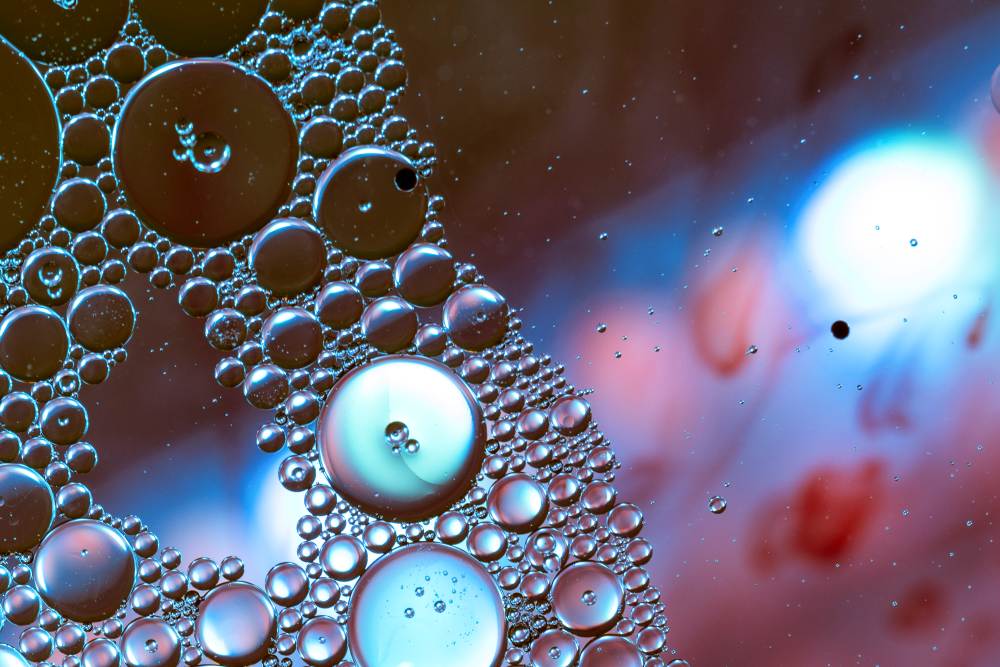
You might wonder, where do exosomes come from? Exosomes are naturally occurring extracellular vesicles—tiny, membrane-bound particles that serve as messengers between cells. While they exist throughout the body, their origins are highly sophisticated at the cellular level.
In biological terms, exosomes are released through a process that begins inside the cell, known as the endosomal pathway. Within this pathway, early sorting endosomes (ESEs) mature into late sorting endosomes (LSEs) and eventually form multivesicular bodies (MVBs)—small compartments containing intraluminal vesicles (ILVs).
When these MVBs fuse with the cell’s plasma membrane, the ILVs are released into the surrounding space as exosomes. These vesicles typically range in size from ~40 to 160 nanometers.
How Exosome Regenerative Medicine Works
Exosomes regenerative medicine works by supporting the body’s natural healing network—essentially enhancing the communication lines between cells. These tiny vesicles may help signal damaged or stressed cells to restore balance, reduce inflammation, and promote recovery.
The process works as follows:
Collection
Donor-derived exosome products—typically originating from screened and ethically sourced tissue banks—are used.
Purification
These cells are then placed in specialized lab environments where exosomes are isolated, purified, and tested for quality and potency.
Administration
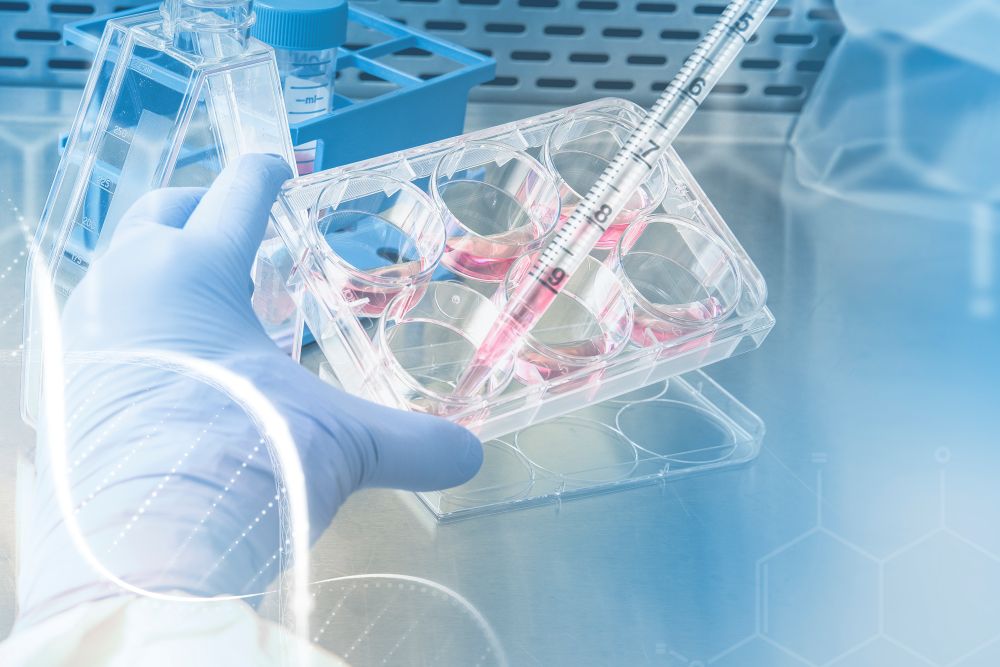
Once prepared, exosomes can be delivered through injections or IV infusions depending on treatment goals. At BioRestore, exosomes IV therapy CT is administered by licensed medical professionals in a controlled, comfortable clinical setting.
Action
After administration, the exosomes circulate and may help stimulate the body’s own regenerative response—sending signals that could encourage repair, reduce inflammation, and optimize cell performance.
Potential Therapeutic Applications
Initial research into exosomes regenerative medicine suggests that exosomes therapy may support a broad range of regenerative health goals. While scientific studies are still in early phases, the potential therapeutic value of exosome therapy continues to draw attention across several medical and wellness fields.
Below are some of the most promising areas under exploration:
Orthopedic Injuries
Musculoskeletal recovery is one of the most studied applications of exosomes therapy. Exosomes may help promote healing and reduce inflammation in orthopedic conditions through their ability to modulate cellular signals.
Potential benefits may include:
- Supporting soft tissue recovery in tendons, ligaments, and cartilage
- Helping to modulate inflammation and support healthy joint function
- Complementing other regenerative techniques, such as PRP or physical therapy
- Offering a non-surgical option for patients seeking natural support for musculoskeletal wellness
Disclaimer: Exosome therapy for orthopedic injuries is investigational and not FDA-approved to treat or cure joint, ligament, or tendon conditions. Results vary by individual, and therapy outcomes depend on overall health, treatment plan, and adherence to medical guidance.
Dermatology and Aesthetics
In aesthetic medicine, exosome therapy and exosome injections are being explored for their ability to rejuvenate skin by promoting collagen production and enhancing texture.
Potential benefits may include:
- Stimulating collagen and elastin production for firmer, smoother skin
- Improving tone, hydration, and texture for a more radiant appearance
- Supporting skin recovery following aesthetic procedures such as microneedling
- Serving as an adjunctive therapy for anti-aging and regenerative skincare routines
Disclaimer: Exosome injections for dermatology and aesthetics are not FDA-approved for cosmetic rejuvenation. Early research suggests potential benefits, but results are not guaranteed.
Hair Restoration
Hair restoration is another growing area of interest for exosome therapy. Because exosomes can carry regenerative signals, they may help promote healthier scalp environments and support hair follicle activity.
Potential benefits may include:
- Delivering signaling molecules that stimulate dormant hair follicles
- Supporting thicker, stronger hair growth through improved cellular communication
- Enhancing scalp vitality when combined with PRP or peptide therapies
- Offering an adjunctive, non-surgical option for individuals experiencing hair thinning
Disclaimer: Exosomes therapy for hair restoration is investigational and not FDA-approved for the treatment of hair loss. Individual results vary based on health, genetics, and consistency of care.
Neurological Disorders
Exosomes—tiny extracellular vesicles naturally released by cells—are gaining attention in regenerative medicine for their potential to support neuroregeneration and recovery following neurological injury or disease. Emerging preclinical studies are exploring how exosomes might support neuroregenerative functions.
Preliminary findings suggest exosomes may:
- Help enhance neuron-to-neuron communication
- Exhibit potential neuroprotective effects through inflammation modulation
- Support the body’s natural ability to maintain or repair nervous tissue
Disclaimer: Exosome therapy for neurological disorders is experimental and not FDA-approved for treating any neurological condition. Current research remains preliminary, and patients should always consult their healthcare provider before pursuing investigational regenerative therapies.
Are Exosomes Safe? Key Considerations
Safety is one of the most important questions for anyone exploring exosome therapy—and it’s the right one to ask. So, are exosomes safe?
Current scientific literature and early clinical research suggest that exosomes regenerative medicine has a favorable safety profile when products are ethically sourced, purified, and administered under medical supervision. However, these treatments are still considered investigational, and ongoing studies continue to evaluate long-term effects and best-use protocols.
Who Is a Good Candidate for Exosomes?
Some individuals may be appropriate candidates for exosome-based regenerative support, depending on their overall health and treatment goals.
You may be a good candidate for exosome therapy if you:
- Want regenerative support for tissue recovery, joint comfort, or skin rejuvenation.
- Haven’t seen desired results with traditional treatments or rehabilitation.
- Prefer minimally invasive options like exosome injections or exosomes IV therapy CT instead of surgery.
- Are looking for adjunctive support that complements PRP, peptide therapy, or hormone optimization.
- Value physician-guided regenerative care with customized, safety-monitored treatment plans.
Disclaimer: Exosome therapy is investigational and not FDA-approved to diagnose, treat, or cure any condition. BioRestore provides regenerative support therapies under licensed medical supervision as part of a personalized wellness program.
How Quickly Do Exosomes Work?
One of the most common questions patients ask is, “How soon will I notice results?” The answer: it depends.
Responses to exosome therapy vary. Some patients may notice subtle improvements over time, while others may experience more gradual or delayed effects depending on individual health and treatment factors.
It’s important to note that exosome therapy is still under clinical investigation, not FDA-approved for any specific medical condition, and ongoing studies continue to evaluate its safety, efficacy, and best-use applications.
Do Exosomes Have to Be Injected?
Not necessarily. While exosome injections are a common and effective delivery method—particularly for targeted areas like joints, skin, or scalp—they aren’t the only option available. Many patients also benefit from exosomes IV therapy CT, which offers a more systemic approach to regenerative support.
Here’s how the two methods differ:
Exosome Injections:
- Deliver exosomes directly into specific tissues (such as tendons, skin, or joints).
- Often used for localized recovery, inflammation control, or aesthetic rejuvenation.
- Ideal when targeting a focused area for regenerative support.
Exosomes IV Therapy CT:
- Administers exosomes intravenously for whole-body circulation.
- May help support cellular communication, energy balance, and overall wellness.
- Suitable for patients seeking a systemic, non-surgical regenerative boost.
Are There Alternatives to Exosome Injections?
Yes. While exosome therapy is a powerful option within BioRestore’s regenerative medicine offerings, it’s just one part of a broader wellness toolkit. Depending on your health goals, our medical team may recommend complementary or alternative therapies designed to enhance recovery and support long-term vitality.
Common alternatives include:
- Platelet-Rich Plasma (PRP) Therapy: Uses your own concentrated platelets to help support tissue repair and healing—often used for joints, skin, or hair.
- Peptide Therapy: Involves bioactive peptides that may help optimize cellular communication, energy, and hormone balance.
- Hormone Optimization: Aims to restore hormonal equilibrium, improving energy, mood, and overall wellness when imbalances are present.
Frequently Asked Questions (FAQs)
Can exosome therapy be combined with other regenerative treatments?
Yes. Exosome therapy can be safely combined with other regenerative options such as PRP, peptide therapy, or hormone optimization to help enhance results and support the body’s natural healing response. BioRestore’s clinicians tailor these combinations based on individual goals and health profiles.
How is exosome therapy different from stem cell therapy?
While both are part of regenerative medicine, exosomes therapy focuses on the cell-to-cell communication signals released by stem cells, not the cells themselves. BioRestore offers alternative regenerative therapies, not stem cell procedures, under physician supervision.
What conditions might benefit from exosome therapy?
Exosomes regenerative medicine is being studied for its potential in supporting joint recovery, skin rejuvenation, hair health, and neurological repair. These uses remain investigational, and effectiveness varies by individual and treatment goals.
Is there any downtime after exosome therapy?
Most patients experience little to no downtime following exosome injections or exosomes IV therapy CT. Mild tenderness or redness may occur at the injection site but typically resolves quickly. Normal activities can usually resume within 24 hours.
How long do the effects of exosome therapy last?
Results from exosome therapy can vary based on health status, treatment area, and lifestyle factors. Many patients report sustained improvements over several months as the body continues its natural regenerative response. Periodic maintenance sessions may help extend benefits.
Explore Regenerative Health Possibilities with BioRestore
If you’ve been curious about exosomes regenerative medicine or want to learn how exosome therapy and exosomes IV therapy CT may support your wellness goals, the team at BioRestore can help.
Every patient’s journey is unique. Our focus is on providing safe, physician-guided regenerative support designed to complement your overall care plan—not replace standard medical treatment.
Discover the potential of exosome-based regenerative support in Connecticut, delivered responsibly and under clinical supervision. Schedule your personalized consultation with BioRestore today.
Disclaimer
Exosome therapy is investigational and not FDA-approved to diagnose, treat, or cure any medical condition. BioRestore does not offer stem cell therapy. All regenerative treatments, including exosome injections and exosomes IV therapy CT, are provided as alternative regenerative support under licensed medical supervision. Individual results vary.