
Medically Reviewed by:Dr. Matthew Stanizzi, MD |
If you’ve been researching non-surgical options for joint pain, chronic tendon injuries, or slow-to-heal soft-tissue issues, you’ve probably come across the term plasma rich platelet injection, often called PRP.
And like many patients, you might be wondering: What actually happens during a PRP procedure? Will it hurt? What’s the recovery like? How long does it take to feel better?
Table of Contents
Benefits and Limitations of Plasma Rich Platelet Injection
Preparation (Before the Injection)
Follow-Up (After the Injection)
Choosing the Right PRP Provider
Frequently Asked Questions (FAQs)
Take the Next Step Toward Healing With PRP at BioRestore
Key Takeaways
| ✔ A plasma rich platelet injection supports gradual, biologic healing rather than instant symptom relief. ✔ Proper preparation—hydration, medication restrictions, and logistics—helps maximize PRP quality and results. ✔ Mild soreness after a PRP procedure is normal and signals that platelet-driven repair is underway. ✔ Recovery timelines vary, and some patients may need multiple PRP sessions for optimal improvement. ✔ Choosing an experienced PRP provider ensures safer treatment, clearer expectations, and better long-term outcomes. |
Benefits and Limitations of Plasma Rich Platelet Injection
Benefits of PRP
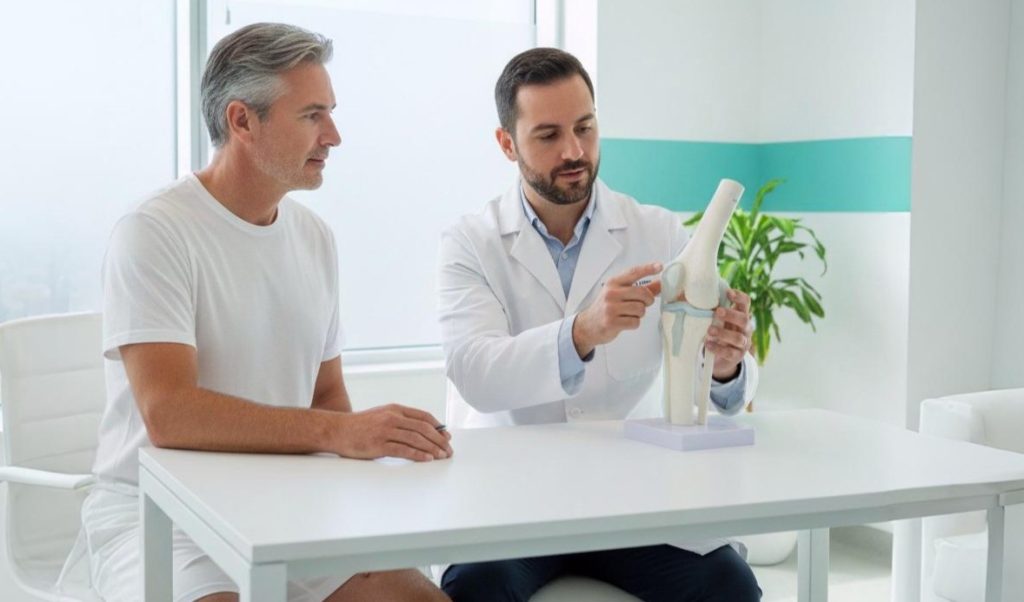
A plasma rich platelet injection offers a regenerative approach to healing by using your own biologic material to support tissue repair.
Uses Your Own Biologic Material
PRP is created from a simple blood draw, reducing the risk of allergic reactions and ensuring the treatment is safe and biocompatible.
Supports Natural Tissue Repair
Concentrated platelets release growth factors that help stimulate healing in tendons, ligaments, and joints.
Helps Reduce Inflammation
A plasma rich platelet injection may decrease inflammatory signaling in damaged tissues, improving comfort and mobility.
May Delay More Invasive Treatments
Patients seeking to avoid surgery or long-term medication often use PRP as a conservative, regenerative alternative.
Works Well With Physical Therapy
When combined with targeted PT, PRP can enhance strength, mobility, and overall functional recovery.
Limitations of PRP
While PRP has shown strong potential in orthopedic and regenerative settings, no plasma-based therapy is a guaranteed solution. Understanding its limitations helps patients make confident, informed decisions.
Results Vary by Patient
Age, injury severity, general health, and lifestyle all influence how quickly and how well someone responds to PRP.
Gradual Improvement, Not Instant Relief
Because a PRP procedure stimulates biologic repair, benefits develop over weeks or months rather than days.
Some Conditions Require Multiple Sessions
Chronic or degenerative issues often need a series of injections to achieve meaningful improvement.
Extended Healing Timeline
For many patients, the full effects of a plasma rich platelet injection emerge over several weeks to 6 months as tissue remodeling progresses.
Not a Guaranteed Cure
PRP is a promising therapy, but it is not a one-size-fits-all solution and may need to be paired with other treatments.
Patient Expectations
Pain & Discomfort
A plasma rich platelet injection initiates an inflammatory healing response, which often leads to short-term soreness. This is normal—and expected. Most patients describe the sensations as:
- A deep, bruise-like ache
- Mild stiffness around the injection site
- Temporary fullness, warmth, or sensitivity
- Occasional throbbing for 24–48 hours
This discomfort indicates that your PRP is active and your body is responding. The initial soreness typically improves within a few days, and most patients resume everyday activities shortly afterward.
Gradual Improvement
Unlike treatments designed for fast symptom relief, a PRP procedure supports biologic repair. That means healing happens progressively as platelets release growth factors over weeks and months.
- Most patients notice:
- Reduced inflammation
- Improved mobility
- Better function during daily tasks
- Less reliance on pain medication
Early changes may appear within several weeks, but the full benefit of PRP often continues developing over a 3–6 month window.
Recovery Timeline Varies
No two PRP recoveries look the same. Your healing timeline depends on several factors:
- Type and severity of the condition being treated
- Age and activity level
- Overall health and circulation
- Consistency with post-procedure instructions
- Whether physical therapy is part of your recovery plan
Some patients rebound quickly, while others need more time for tissues to strengthen. The key is maintaining a realistic mindset: PRP is a guided, biologically driven process—not an overnight transformation.
Multiple Sessions
While some patients feel significant relief after just one plasma rich platelet injection, others benefit from a structured series of PRP treatments. Multiple sessions may be recommended when:
- The injury is chronic or severe
- Tendons or ligaments require repeated biologic stimulation
- Degenerative changes (like osteoarthritis) are present
- Initial results show progress but aren’t yet optimal
A trusted provider like BioRestore will tailor the treatment plan based on your condition, goals, and how your body responds to the first prp procedure.
Preparation (Before the Injection)

Medication Restrictions
For optimal platelet activation and function, your provider will recommend avoiding certain medications before your PRP appointment. Common restrictions include:
- NSAIDs (Advil, Motrin, Aleve, Naproxen)
- Aspirin, unless prescribed for cardiovascular reasons
- Blood thinners, only when medically appropriate and with approval from your prescribing physician
- Anti-inflammatory supplements, such as turmeric or fish oil
Because a plasma rich platelet injection relies on strong, functional platelets, avoiding these substances preserves their healing potential.
Other Restrictions
To support optimal circulation and platelet concentration, your provider may also ask you to temporarily limit:
- Alcohol, which can dehydrate and thin the blood
- Smoking or nicotine, which reduces oxygen delivery and slows tissue repair
- Intense workouts, at least 24 hours prior, to prevent unnecessary inflammation or strain
These steps help ensure your blood sample is as rich and high-quality as possible for the PRP procedure.
Hydration and Nutrition
Proper hydration is one of the simplest yet most important ways to improve PRP quality. When you’re well hydrated, your blood plasma is clearer, your circulation improves, and your platelet concentration becomes more stable.
To prepare, aim for:
- Consistent water intake for 24–48 hours before your appointment
- Balanced meals with lean protein, whole grains, and fruits or vegetables
- Avoiding dehydration, caffeine overload, or fasting
Think of this stage as fueling your body with high-quality inputs—better hydration means better PRP output.
Logistics
Small planning steps can make your plasma rich platelet injection experience smooth and stress-free. Before your appointment:
- Wear loose, comfortable clothing that gives easy access to the injection site
- Arrange transportation if the treated area may feel stiff or sore afterward
- Plan for light activity the rest of the day
- Bring medical records, imaging, or medication lists if your provider requested them
These simple preparations allow you to focus on the PRP treatment itself—not the logistics surrounding it.
Follow-Up (After the Injection)
Pain Management
Mild soreness is a normal—and expected—part of the PRP healing response. This temporary inflammation signals that platelets are releasing growth factors and engaging the repair process.
Recommended pain-management strategies include:
- Using acetaminophen for discomfort
- Avoiding NSAIDs for 48–72 hours, since they can interfere with platelet activity
- Applying ice only if your provider approves, as excessive cooling may dull the inflammatory response PRP needs to work
Most patients resume routine daily activities within one to two days, although temporary stiffness or pressure around the injection site is common.
Activity Restrictions
Because tissues need time to respond to the plasma rich platelet injection, a gradual return to movement is key. Pushing too hard too quickly may disrupt early repair.
General guidelines include:
- Avoiding strenuous workouts for several days
- Pausing high-impact activities, such as running or heavy lifting, for about a week
- Incorporating gentle mobility exercises recommended by your provider
The goal is to protect the treated area while still maintaining healthy circulation.
Post-Procedure Care
After your PRP procedure, your provider may give you specific instructions to help protect the injection site and support optimal healing. These usually include:
- Resting for the remainder of the day
- Avoiding soaking the area (baths, hot tubs, swimming) for a short period
- Keeping pressure off the treated area, especially if the injection was into a joint or tendon
- Monitoring for unusual symptoms, such as increasing redness, significant swelling, or fever
Most aftercare instructions are simple but important—each step helps the injected platelets remain active where they’re needed most.
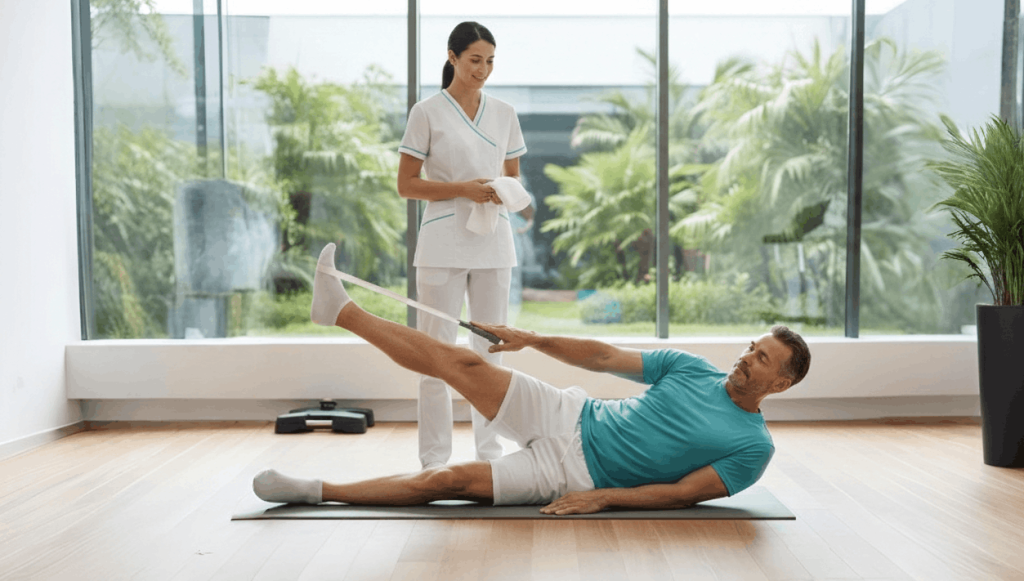
Physical Therapy (PT)
Physical therapy is often recommended as part of a comprehensive PRP recovery plan. Once cleared by your provider, PT can:
- Strengthen surrounding muscles
- Improve joint stability and function
- Enhance long-term outcomes by supporting the structural changes initiated by PRP
Your provider will determine the ideal timing for PT, ensuring the body has had adequate time to respond to the plasma rich platelet injection before beginning targeted strengthening.
Follow-Up Appointments
Consistent follow-up is essential after a prp procedure. These check-ins help your provider:
- Assess your progress and symptom improvement
- Adapt your activity restrictions as tissues heal
- Decide whether additional PRP sessions may enhance your recovery
Because healing is non-linear, these appointments ensure you’re on track and receiving personalized guidance throughout your PRP journey.
Choosing the Right PRP Provider
Not all PRP treatments are the same, so choosing the right team matters. Here are key factors to look for:
Personalized Treatment Plans
A good provider tailors PRP recommendations to your specific condition, activity level, and goals—not a one-size-fits-all protocol.
Clear Expectations and Education
Choose a provider who explains expected outcomes, timelines, risks, and aftercare in detail. Transparency is key to strong results.
Clinical Oversight and Safety Protocols
PRP should be performed by trained medical professionals in a sterile clinical environment. Avoid facilities that rush appointments or minimize medical supervision.
Integrated Support Services
Providers who connect PRP with physical therapy, diagnostic imaging, or follow-up assessments often help patients achieve better long-term outcomes.
Patient Reviews and Real Results
Look for testimonials, case studies, or before-and-after outcomes that reflect successful recovery stories from real patients.
Frequently Asked Questions
How long does a plasma rich platelet injection appointment usually take?
A typical plasma rich platelet injection visit takes about 45–60 minutes from start to finish, including the blood draw, PRP processing, and the injection itself.
Is there anyone who should not undergo a PRP procedure?
A PRP procedure may not be recommended for individuals with active infections, certain blood disorders, uncontrolled medical conditions, or those on medications that cannot be paused safely. A licensed provider will evaluate your eligibility.
Can PRP be combined with other treatments?
Yes. PRP is often paired with physical therapy, lifestyle modifications, or other non-surgical treatments to enhance healing. Your provider will determine the safest and most effective combination for your condition.
How soon can I drive after a plasma rich platelet injection?
Most patients can drive themselves home after a plasma rich platelet injection, unless the injection area affects mobility or comfort (e.g., an ankle or knee). When in doubt, arrange transportation.
Will insurance cover a PRP procedure?
Insurance coverage for a PRP procedure varies. Many plans consider PRP elective or investigational. Your provider’s office can help you understand out-of-pocket costs before scheduling treatment.
Take the Next Step Toward Healing With PRP at BioRestore
A plasma rich platelet injection can be an effective option for individuals seeking a non-surgical path toward relief and recovery. By understanding what to expect, how to prepare, and the importance of proper follow-up care, you can maximize the benefits of your PRP procedure.
If you’re ready to explore whether PRP is right for you, BioRestore’s Connecticut team is here to help.
Schedule your consultation today and take the next step toward long-term healing and improved mobility.
Sources:
Patel, H., Pundkar, A., Shrivastava, S., Chandanwale, R., & Jaiswal, A. M. (2023). A Comprehensive Review on Platelet-Rich Plasma Activation: A Key Player in Accelerating Skin Wound Healing. Cureus, 15(11), e48943. https://doi.org/10.7759/cureus.48943
Thu A. C. (2022). The use of platelet-rich plasma in management of musculoskeletal pain: a narrative review. Journal of Yeungnam medical science, 39(3), 206–215. https://doi.org/10.12701/jyms.2022.00290
Patel, H., Pundkar, A., Shrivastava, S., Chandanwale, R., & Jaiswal, A. M. (2023). A Comprehensive Review on Platelet-Rich Plasma Activation: A Key Player in Accelerating Skin Wound Healing. Cureus, 15(11), e48943. https://doi.org/10.7759/cureus.48943
Hadley, S. M., Bergman, R., Peabody, J. J., Repasky, N., Westvold, S. J., Filler, R., Patel, M., & Kadakia, A. R. (2026). Platelet-rich plasma administration to reduce surgical interventions and improve functional outcomes in patients who have failed physical therapy. Journal of Medicine, Surgery, and Public Health, 8, 100220. https://doi.org/10.1016/j.glmedi.2025.100220
Qin, R., & Zhao, M. (2024). PRP platelet-rich plasma injection combined with aquatic exercise therapy improves functional recovery of basketball players with knee joint injury. American journal of translational research, 16(10), 5700–5707. https://doi.org/10.62347/PIQQ7236
Johns Hopkins Medicine. (n.d.). Platelet-rich plasma (PRP) injections. https://www.hopkinsmedicine.org/health/treatment-tests-and-therapies/plateletrich-plasma-prp-treatment
Hudgens, J. L., Sugg, K. B., Grekin, J. A., Gumucio, J. P., Bedi, A., & Mendias, C. L. (2016). Platelet-Rich Plasma Activates Proinflammatory Signaling Pathways and Induces Oxidative Stress in Tendon Fibroblasts. The American journal of sports medicine, 44(8), 1931–1940. https://doi.org/10.1177/0363546516637176
Zhou, H., Huang, Q., Chen, Y., Wang, J., & Jiang, H. (2025). Biological Mechanisms and Clinical Challenges of Platelet-Rich Plasma in Chronic Musculoskeletal Pain: From Standardized Preparation to Multi-Omics-Guided Precision Therapy. Journal of pain research, 18, 5931–5939. https://doi.org/10.2147/JPR.S546655