
If you’ve ever felt exhausted, dehydrated, or low on energy—and water just wasn’t cutting it—you’re not alone. More people across Connecticut are turning to IV hydration therapy to feel better, faster, and support their overall wellness.
For individuals wondering whether an IV infusion near me is the right choice, we’ll break down everything you need to know.
Table of Contents
What Is IV Hydration Therapy?
What IV Hydration Therapy Helps With
When to Consider It
What Are the Things to Be Considered for IV Therapy?
Who Should Not Get IV Therapy?
How Often Is It Safe to Get IV Therapy?
What Not to Do After an IV Drip
Frequently Asked Questions (FAQs)
Choose IV Hydration Therapy at BioRestore Today
| Key Takeaways ✔ IV hydration therapy supports fast rehydration when oral fluids aren’t enough. ✔ IV infusion therapy may help with energy, travel fatigue, athletic recovery, and general wellness. ✔ Choosing a medically supervised IV infusion near me ensures safety and proper dosing. ✔ Not everyone is a candidate—health screenings are essential before receiving IV therapy. ✔ Aftercare matters: avoid strenuous activity, alcohol, and heat after an IV drip. |
What Is IV Hydration Therapy?
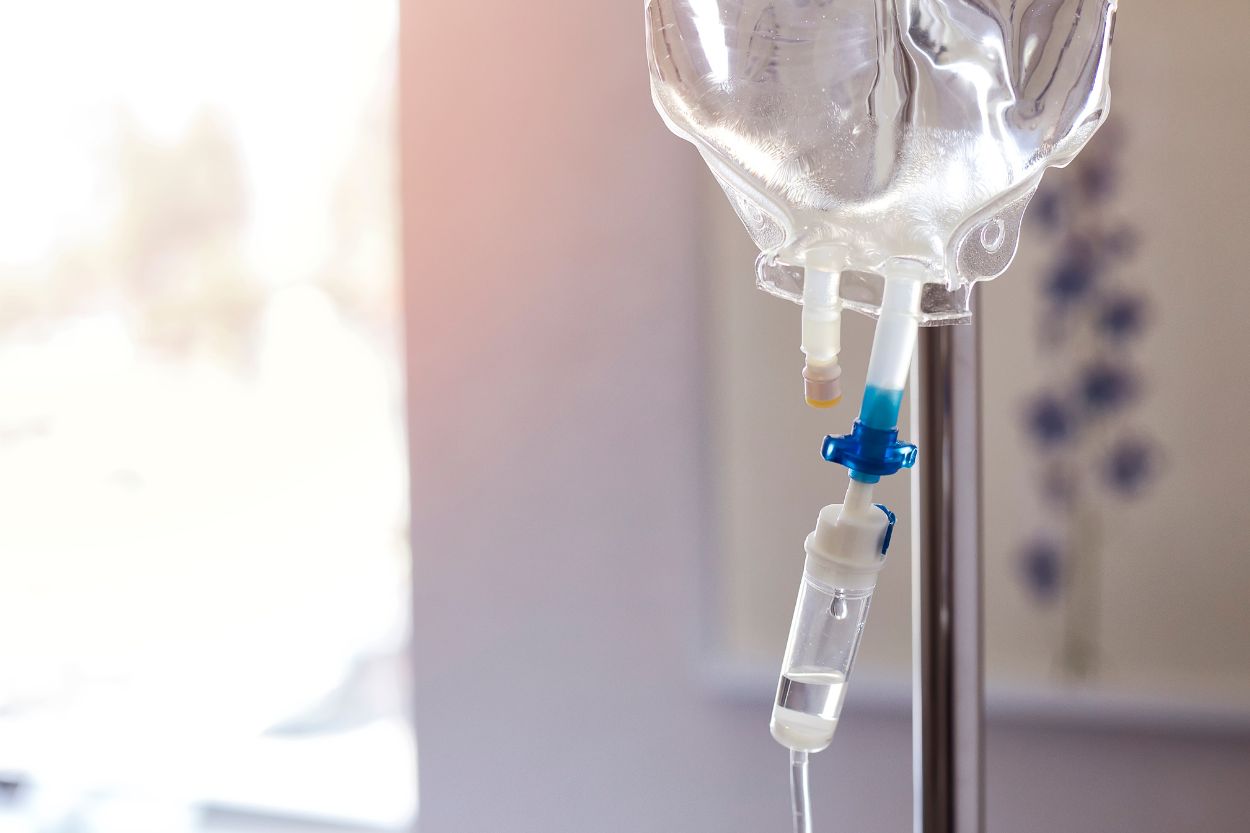
IV hydration therapy is a wellness treatment in which fluids, electrolytes, and nutrients are delivered directly into the bloodstream through an intravenous (IV) line. Because it bypasses digestion, IV hydration therapy allows the body to absorb nutrients more rapidly and efficiently than oral hydration alone.
How IV Infusion Therapy Works
IV infusion therapy begins with a medical evaluation to ensure you’re a good candidate. During a session:
- A trained clinician inserts a small IV catheter into a vein
- Fluids containing electrolytes, vitamins, or targeted nutrients flow directly into your bloodstream
- The process typically takes 30–60 minutes
What IV Hydration Therapy Helps With
Hydration and Electrolyte Balance
IV fluids help restore hydration quickly—much faster than drinking water alone—because they enter the bloodstream immediately. This can be especially beneficial when dehydration interferes with normal body function.
IV hydration therapy may help replenish fluids after:
- Heavy Sweating: Exercise, heat exposure, or physical labor
- Intense Physical Activity: Sports, training sessions, endurance events
- Illness: Fever, vomiting, diarrhea, or cold
- Hot Weather or Dehydration: When the body loses water faster than it can replace it
Immune and Wellness Support
Targeted nutrients delivered through IV infusion therapy may help support immune health. For instance, when administered intravenously, vitamin C retains its full potency, enabling much higher therapeutic levels in the plasma.
Common wellness-supporting nutrients include:
- Vitamin C: Antioxidant support
- Zinc: Helps maintain immune function
- B-Complex Vitamins: Support cellular energy production
Athletic Performance and Recovery
Athletes frequently turn to IV infusion therapy to support performance and recovery. Endurance activities like long-distance running, strenuous hiking, or intense cycling can cause the body to lose up to three quarts of fluid per hour.
Potential supportive benefits include:
- Muscle Recovery: Replenishes fluids lost during exertion
- Hydration: Helps restore balance after sweating
- Endurance: Supports sustained physical output
- Reduced Post-Exercise Fatigue: Helps the body bounce back faster
Support for Fatigue or Jet Lag
Dehydration in adults is a clinically significant condition caused by an imbalance between fluid intake and loss. Because hydration directly affects alertness, focus, and energy, even mild dehydration can contribute to fatigue or travel-related sluggishness.
May be helpful for:
- Jet Lag: Long flights, changing time zones
- Exhausting Work Schedules: High demands, long hours
- General Fatigue: When dehydration contributes to sluggishness
Migraine and Chronic Pain
Hydration levels can play a meaningful role in the frequency or severity of migraines and certain types of chronic pain. For some individuals, even mild dehydration can act as a trigger.
Supportive benefits may include:
- Rapid Rehydration: Helps address dehydration-related migraine triggers more quickly than oral fluids.
- Magnesium Support: May contribute to muscle relaxation and nerve stability, which can be helpful for certain migraine patterns.
- Fast Absorption: Direct IV delivery bypasses GI absorption, allowing nutrients to reach the bloodstream efficiently.
Skin Health and Anti-Aging
Proper hydration is essential for maintaining skin elasticity, smoothness, and a healthy complexion. When the body is dehydrated, fine lines become more visible and the skin can appear dull or tired.
Potential supportive benefits include:
- Improved Hydration: IV fluids help maintain skin plumpness and elasticity.
- Antioxidant Support: Vitamin C and other nutrients used in IV hydration therapy may help combat oxidative stress—one of the factors that contributes to visible aging.
- Enhanced Skin Radiance: Balanced hydration and nutrient support may contribute to a more refreshed, glowing appearance.
Hangover Relief
Alcohol significantly depletes fluids, electrolytes, and essential nutrients due to diuretic effects. Many individuals turn to iv hydration therapy or an iv infusion near me for supportive hangover relief when dehydration is a major factor.
Common hangover-related concerns IV therapy may help support:
- Nausea: Electrolyte balance may ease discomfort
- Headache: Rehydration can help reduce dehydration-related headaches
- Fatigue: Fluids and vitamins may support energy levels
- Dehydration: Rapid fluid replacement helps restore balance
When to Consider It
You Are Experiencing Significant Dehydration
When dehydration becomes noticeable—dry mouth, dizziness, fatigue, or rapid fluid loss—IV therapy may help restore hydration more effectively than drinking water alone.
Common triggers include:
- Excessive sweating
- Working outdoors in heat
- Illness-related fluid loss
- Long periods without adequate hydration
You Have a Hangover
If dehydration is contributing to nausea, headache, or fatigue, IV therapy may support a quicker recovery by restoring fluids and essential electrolytes. Many people search for an iv infusion near me after celebrations or events that involve alcohol.
You Are a High-Performance Athlete or Completed a Strenuous Workout
Intense training drains fluids rapidly and can make oral hydration feel too slow. IV hydration therapy may support faster replenishment—especially before events, after races, or following high-output workouts.
You Are Traveling Long Distances
Flying, time zone changes, and low cabin humidity often lead to dehydration and fatigue. Some travelers seek iv infusion therapy before or after long flights to help support mental clarity and hydration balance.
You Want to Support Your Immune System
During high-stress seasons, increased travel, or periods of low energy, some individuals use targeted IV blends for additional wellness support. These options are supportive only, not a replacement for medical treatment.
You Suffer From Chronic Conditions
Certain chronic conditions may make staying hydrated more challenging. With provider approval, IV therapy may be used as part of a broader wellness approach—especially when fatigue or nutrient depletion plays a role.
Always consult a licensed medical provider to determine whether IV therapy is appropriate for you.
What Are the Things to Be Considered for IV Therapy?
Before starting iv infusion therapy, it’s important to make sure the treatment is safe and appropriate for your health needs. A clinical screening helps your provider determine which formulation—if any—fits your situation.
Key considerations include:
- Existing Medical Conditions: Some health issues can affect how your body handles fluids or nutrients.
- Medications or Supplements: Certain drugs can interact with IV ingredients or affect hydration status.
- Hydration Levels: Your provider may check for signs of dehydration or electrolyte imbalance.
- Allergies: Important for preventing adverse reactions to vitamins, minerals, or additives.
- Ingredient Sensitivities: Some individuals have intolerance to specific IV components.
- Recent Illnesses: Infections, fevers, or GI issues may impact eligibility.
- Pregnancy or Breastfeeding: Requires individualized approval from a licensed provider.

Who Should Not Get IV Therapy?
While IV therapy is well-tolerated for many people, it is not safe for everyone. Individuals with certain medical conditions should avoid IVs unless specifically cleared by a healthcare professional.
IV therapy may not be appropriate for individuals with:
- Kidney Disease: Can affect how the body manages fluid balance.
- Congestive Heart Failure: Risk of fluid overload.
- Uncontrolled Hypertension: Fluids may elevate blood pressure.
- Certain Chronic Illnesses: Must be evaluated case-by-case.
- Active Skin Infections Near the IV Site: Risk of spreading infection.
- Severe Allergies to Ingredients: Requires alternative care options.
Always consult with a licensed medical provider before seeking iv infusion therapy or booking an iv infusion near me.
How Often Is It Safe to Get IV Therapy?
Safe frequency varies from person to person and depends on your health history, hydration needs, and wellness goals.
Factors that influence IV therapy frequency include:
- Overall Health: Chronic conditions or fluid restrictions may limit frequency.
- Nutrient Levels: Lab results or symptoms may guide timing.
- Hydration Demands: Athletes and frequent travelers may need different schedules.
- Wellness Goals: Energy, recovery, or immune support plans vary by individual.
What Not to Do After an IV Drip
After completing your iv infusion therapy, following proper aftercare helps reduce irritation and supports your results.
Avoid the following for best recovery:
- Strenuous Exercise: Give your body a few hours to recover.
- Alcohol Consumption: Can counteract hydration efforts and irritate the injection site.
- Excessive Heat Exposure: Hot tubs, saunas, or sunbathing can widen blood vessels and cause lightheadedness.
- Touching or Rubbing the Injection Site: Prevents irritation and reduces infection risk.
- Ignoring Unusual Symptoms: Redness, swelling, or discomfort should be monitored.
Frequently Asked Questions (FAQs)
How quickly can you feel the effects of IV hydration therapy?
Most people feel the effects of IV hydration therapy within 30–60 minutes, depending on hydration levels and the nutrients infused.
Is IV infusion therapy safe for beginners who have never tried it before?
Yes—IV infusion therapy is generally safe when performed by licensed medical providers who screen your health history beforehand.
Can I eat before or after getting an IV infusion near me?
Yes, light meals before or after an iv infusion near me are typically fine unless your provider gives specific instructions based on your health.
Does IV hydration therapy help with everyday fatigue?
It may. While iv hydration therapy isn’t a cure, proper hydration and nutrients can support energy levels when fatigue is related to dehydration.
How long does an IV infusion therapy session usually take?
Most IV infusion therapy appointments last 30–45 minutes, depending on the formulation and your individual hydration needs.
Choose IV Hydration Therapy at BioRestore Today
IV hydration therapy can be a supportive wellness tool for individuals seeking faster hydration, improved recovery, or enhanced energy. If you’re considering an iv infusion near me, choosing a medically supervised clinic like BioRestore ensures your safety and comfort every step of the way.
BioRestore in Connecticut provides personalized, clinically guided iv hydration therapy and iv infusion therapy to help support your wellness goals.
Ready to learn more? Schedule your consultation today.
SOURCE:
Ernstmeyer, K., & Christman, E. (Eds.). (2021). Nursing skills (Chapter 23: IV therapy management). Chippewa Valley Technical College. Open Resources for Nursing (Open RN). https://www.ncbi.nlm.nih.gov/books/NBK593209/
Alangari A. (2025). To IV or Not to IV: The Science Behind Intravenous Vitamin Therapy. Cureus, 17(6), e86527. https://doi.org/10.7759/cureus.86527
Johns Hopkins Medicine. (n.d.). Sports and hydration for athletes: Q&A with a dietitian. Retrieved November 26, 2025, from https://www.hopkinsmedicine.org/health/wellness-and-prevention/nutrition-and-fitness/sports-and-hydration-for-athletes
Taylor, K., & Tripathi, A. K. (2025). Adult dehydration. In StatPearls. StatPearls Publishing. https://www.ncbi.nlm.nih.gov/books/NBK555956/
Cepeda, V., Ródenas-Munar, M., García, S., Bouzas, C., & Tur, J. A. (2025). Unlocking the Power of Magnesium: A Systematic Review and Meta-Analysis Regarding Its Role in Oxidative Stress and Inflammation. Antioxidants, 14(6), 740. https://doi.org/10.3390/antiox14060740
Alangari A. (2025). To IV or Not to IV: The Science Behind Intravenous Vitamin Therapy. Cureus, 17(6), e86527. https://doi.org/10.7759/cureus.86527
Mackus, M., Stock, A.-K., Garssen, J., Scholey, A., & Verster, J. C. (2024). Alcohol hangover versus dehydration revisited: The effect of drinking water to prevent or alleviate the alcohol hangover. Alcohol, 121, 9–18. https://doi.org/10.1016/j.alcohol.2024.07.006