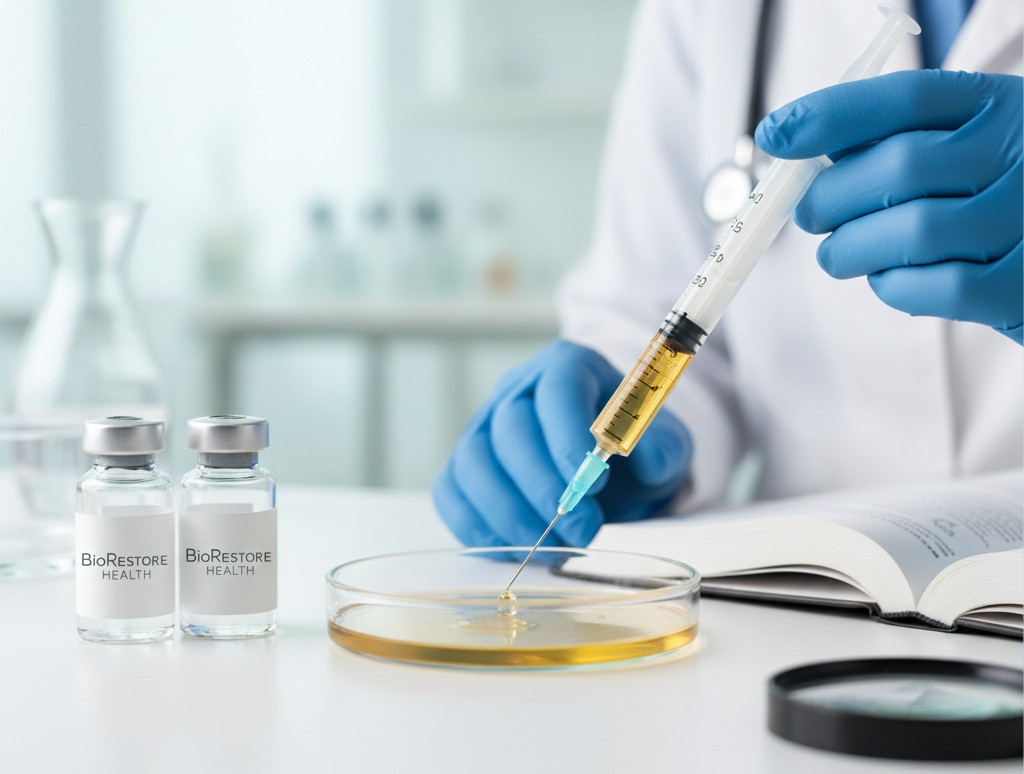
Regenerative medicine has gained massive interest across the U.S., especially among people looking for alternatives to surgery or long-term medications. One option that consistently rises to the top is the PRP procedure—a minimally invasive treatment that uses your own blood components to support your body’s natural healing abilities.
While PRP is not a cure, not a stem cell treatment, and not a replacement for standard medical care, it may provide meaningful support for those dealing with joint discomfort, tendon irritation, hair thinning, skin concerns, and more.
Table of Contents
Considerations (Is It Right for You?)
How Long Will PRP Results Last?
What Is the Age Limit for PRP?
Do You Have to Continue PRP Forever?
Is PRP Injection Worth the Cost?
Frequently Asked Questions (FAQs)
Ready to Explore PRP in Connecticut? Take the Next Step
| Key Takeaways ✔ A PRP procedure uses your own concentrated platelets to support natural healing in joints, tendons, skin, and hair. ✔ A plasma rich platelet injection is minimally invasive, natural, and often considered as an alternative to surgery. ✔ PRP results vary, typically appearing gradually and lasting several months depending on health and lifestyle factors. ✔ Not everyone is a candidate—certain medical conditions, medications, or pregnancy may make PRP inappropriate. ✔ PRP is usually not covered by insurance, but many patients consider it worthwhile for its regenerative support potential. |
Key Facts
Before we go deeper, here are the essential details every patient should understand about PRP and the PRP procedure.
Autologous Treatment
The PRP procedure is autologous, meaning it uses your own blood—no foreign substances. This reduces the risk of adverse reactions and makes the plasma rich platelet injection a natural therapeutic option.
Mechanism
PRP works by concentrating the platelets in your blood. These platelets contain growth factors involved in healing and tissue repair. Injecting them back into targeted areas may support natural recovery pathways. While outcomes vary, many Americans consider PRP because it aligns with the body’s biology.
Minimally Invasive
A PRP procedure involves a simple blood draw, centrifugation, and a plasma rich platelet injection. No surgery. No downtime comparable to invasive options. This is one reason PRP has become so popular across the United States.
Gradual Results
PRP results do not appear overnight. Instead, improvements often develop gradually over weeks or months as the injected platelets support the body’s healing response. Patience, realistic expectations, and proper clinical guidance are essential.
Benefits
Enhanced Healing
A PRP procedure concentrates your platelets—cells already involved in tissue repair—and delivers them directly to areas that need support. This may:
- Encourage healthy tissue regeneration
- Support repair in tendons, ligaments, and joints
- Improve signaling in areas affected by overuse or minor injury
- Help stimulate collagen production in skin-focused applications
Pain Reduction
Many patients seek PRP for its potential to help reduce discomfort associated with chronic or repetitive-use injuries. A targeted plasma rich platelet injection may:
- Calm localized inflammation
- Reduce stiffness
- Improve mobility
- Support overall function during recovery
Non-Surgical Option
For Americans looking to avoid or delay surgery, a PRP procedure offers a conservative, injection-based alternative. PRP may help:
- Bridge the gap between physical therapy and surgical intervention
- Support recovery in cases where rest alone hasn’t been effective
- Reduce reliance on medications
- Help individuals stay active with fewer interruptions
Natural Approach
PRP appeals to patients seeking treatments that work with—not against—the body. Because the PRP procedure uses your own blood components:
- There is no synthetic filler involved
- The risk of adverse reaction is low
- The therapy aligns with the body’s natural biology
- It supports a holistic wellness approach
Versatile Application
One of the biggest advantages of PRP is its flexibility. A plasma rich platelet injection can be used in a variety of clinical settings, including:
- Sports Medicine: PRP may help support recovery from tendon strains, ligament irritation, and joint discomfort commonly experienced by athletes and active individuals.
- Orthopedics: It may provide supportive relief for mild osteoarthritis and chronic overuse injuries by enhancing the body’s natural repair processes.
- Aesthetics: PRP is often used to encourage collagen production and support skin rejuvenation, creating a smoother, healthier-looking complexion.
- Hair Health: A plasma rich platelet injection may help nourish and support hair follicles in individuals experiencing early stages of thinning.
Considerations (Is It Right for You?)
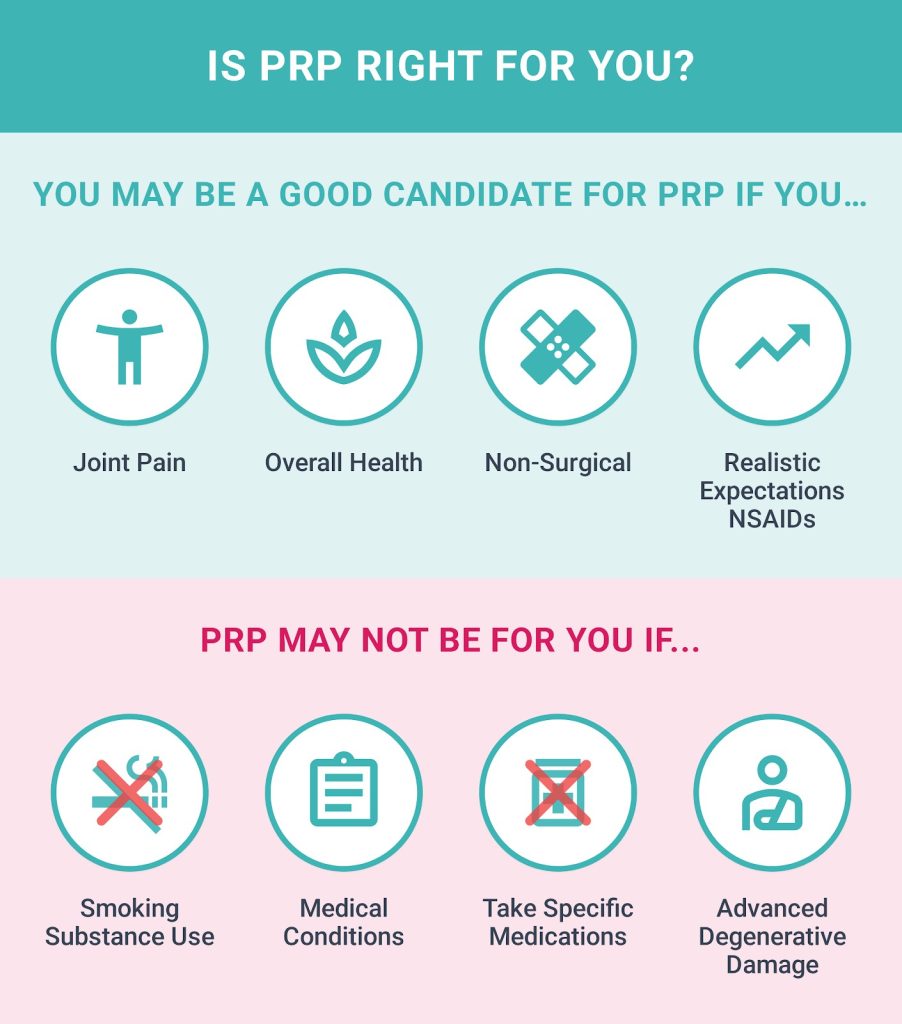
You May Be a Good Candidate for PRP If You…
Have a Relevant Injury or Ongoing Pain
These conditions may respond well to the healing-supportive nature of a plasma rich platelet injection:
- Chronic joint discomfort
- Tendon or ligament irritation
- Soft tissue injuries
Are Generally Healthy
Ideal candidates are in overall good health and do not have:
- Active infections
- Bleeding disorders
- Uncontrolled chronic illnesses
Prefer a Non-Surgical Option
Because the PRP procedure uses your own blood, it fits well within a conservative treatment approach. PRP appeals to individuals seeking:
- Minimally invasive treatments
- Alternatives to surgery
- Reduced downtime
- Natural, biologically compatible therapies
Have Realistic Expectations
PRP provides supportive, gradual improvement—not immediate or guaranteed results. If you’re willing to follow your clinician’s plan and allow time for healing, PRP may be a good fit.
Can Avoid NSAIDs
For the best outcome, you must be able to avoid NSAIDs (like ibuprofen) before and after your plasma rich platelet injection, as they may interfere with the body’s natural healing response.
PRP May NOT Be Suitable for You If You…
Have Certain Medical Conditions
PRP may not be appropriate if you have:
- A blood or platelet disorder
- Active cancer
- An untreated infection
Take Specific Medications
Individuals on blood thinners (anticoagulants) may not be eligible for a PRP procedure, as these medications can disrupt clotting and platelet activity.
Engage in Tobacco or Substance Use
Heavy smoking or substance misuse may impair the healing processes that PRP is intended to support. These habits can limit the effectiveness of a plasma rich platelet injection.
Have Advanced Degenerative Damage
When severe degeneration is present—such as a complete tendon tear—PRP is unlikely to provide adequate support. In these cases, surgery may be the only effective path.
Are Pregnant or Breastfeeding
PRP is generally avoided during pregnancy and lactation due to limited research on its safety in these populations.
How Long Will PRP Results Last?
What Influences PRP Longevity?
A PRP procedure offers supportive, gradual improvement, but the duration of results varies widely from person to person. Most patients notice benefits that last several months, though some may experience longer-lasting relief depending on their condition and overall health.
Treated Area
Areas with high movement, like knees or shoulders, may require more frequent maintenance than lower-stress regions.
Severity of the Condition
Mild injuries often respond longer to a plasma rich platelet injection, while more advanced issues may require a series of treatments.
Lifestyle Factors
Activity level, sleep, diet, stress, and smoking status all affect how long PRP benefits last.
Overall Health
Healthy tissue responds better to regenerative support. Conditions affecting healing may shorten PRP’s effectiveness.
What Is the Age Limit for PRP?
Factors That Matter More Than Age
There is no strict age limit for a PRP procedure. However, age alone does not disqualify someone; rather, candidacy is determined by the health and quality of the tissue being treated.
Overall Health
Good cardiovascular function, healthy circulation, and stable medical conditions help ensure PRP is effective.
Tissue Condition
Younger tissue may respond more quickly, but many older adults benefit from a plasma rich platelet injection when degeneration is not severe.
Medical History
Bleeding disorders, infections, or certain medications—not age—are more likely to limit eligibility.
Treatment Goals
Your expectations and desired outcome help determine whether PRP is appropriate, regardless of age.
Do You Have to Continue PRP Forever?
A PRP procedure is not a lifelong commitment and does not require ongoing, indefinite treatments. Many patients complete a short series of plasma rich platelet injections and achieve their goals without additional maintenance. Others choose periodic follow-ups—often once or twice per year—to help sustain their results.
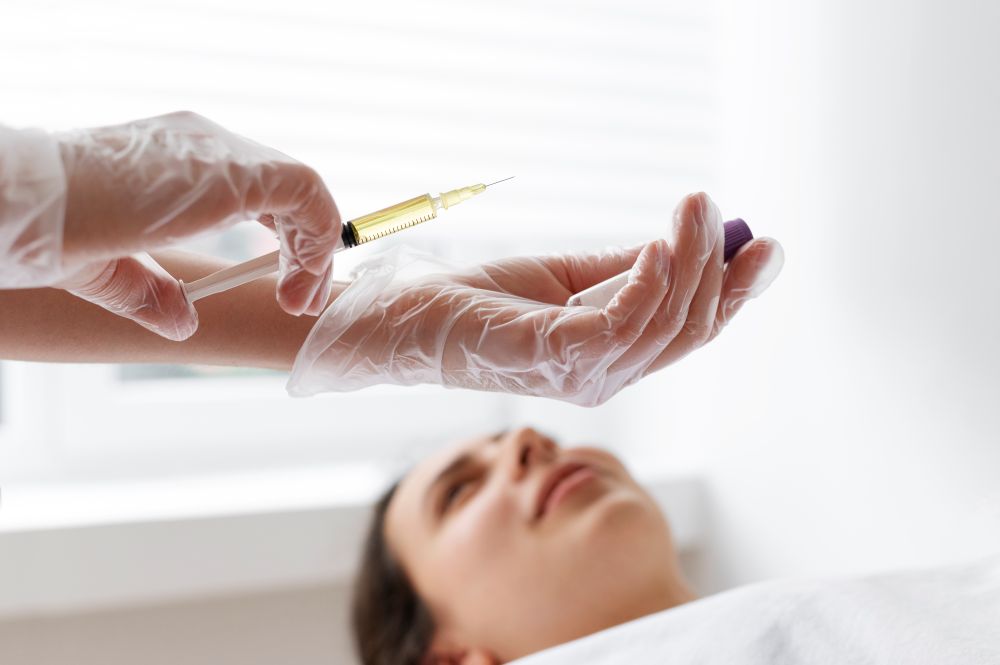
Is PRP Injection Worth the Cost?
Factors to Consider When Evaluating Cost
For many Americans, PRP offers strong value because it is a non-surgical, drug-free, and natural approach to supporting healing.
Insurance Coverage
Most insurance plans do not cover PRP, meaning a plasma rich platelet injection is typically an out-of-pocket expense.
Number of Sessions Needed
Some individuals benefit from a single session, while others require a series depending on the condition and goals.
Variability of Results
PRP is not guaranteed, and individual results depend on how well your body responds to the treatment.
Frequently Asked Questions (FAQs)
How quickly will I feel improvement after a PRP procedure?
Most patients notice gradual improvement within several weeks, but timelines vary. A plasma rich platelet injection supports healing over time—not instantly—since PRP works with your body’s natural repair processes.
Can I combine PRP with other treatments?
Yes. Many patients pair PRP with physical therapy, lifestyle changes, or other non-surgical treatments. Your provider can help determine what complements a PRP procedure safely and effectively.
Is there downtime after a plasma rich platelet injection?
Most people return to daily activities within 24–48 hours. Mild soreness is normal, and strenuous exercise should be avoided for a short period after your PRP procedure.
Does PRP work for both new and old injuries?
PRP may support healing for recent injuries and long-standing discomfort. A plasma rich platelet injection can help stimulate repair signals in tissues regardless of how old the injury is, though results may vary.
How should I prepare for a PRP procedure?
Preparation typically includes staying hydrated, avoiding NSAIDs, and reviewing your medical history with your provider. Proper preparation helps ensure your PRP procedure and recovery go smoothly.
Ready to Explore PRP in Connecticut? Take the Next Step
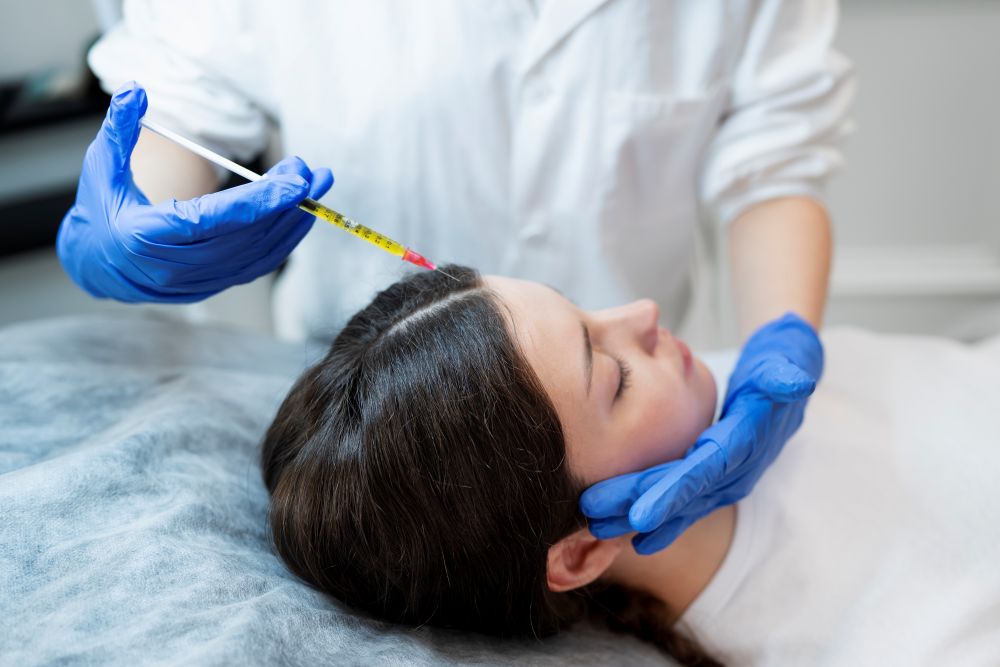
If you’re curious whether PRP could support your health goals, the best next step is a personalized consultation. BioRestore’s clinicians will assess your condition, explain every step of the PRP procedure, and help determine whether a plasma rich platelet injection makes sense for your needs.
Schedule your PRP consultation with BioRestore today!
SOURCE:
Johns Hopkins Medicine. (n.d.). Platelet-rich plasma (PRP) injections. https://www.hopkinsmedicine.org/health/treatment-tests-and-therapies/plateletrich-plasma-prp-treatment
Kaushik, A., & Kumaran, M. S. (2020). Platelet-Rich Plasma: The Journey so Far !. Indian dermatology online journal, 11(5), 685–692. https://doi.org/10.4103/idoj.IDOJ_369_19
Everts, P., Onishi, K., Jayaram, P., Lana, J. F., & Mautner, K. (2020). Platelet-Rich Plasma: New Performance Understandings and Therapeutic Considerations in 2020. International journal of molecular sciences, 21(20), 7794. https://doi.org/10.3390/ijms21207794
Zhang, Z., Liu, P., Xue, X., Zhang, Z., Wang, L., Jiang, Y., et al. (2025). The role of platelet-rich plasma in biomedicine: A comprehensive overview. iScience, 28(2), 111705. https://doi.org/10.1016/j.isci.2024.111705
Phoebe, L. K. W., Lee, K. W. A., Chan, L. K. W., Hung, L. C., Wu, R., Wong, S., Wan, J., & Yi, K. H. (2024). Use of platelet rich plasma for skin rejuvenation. Skin research and technology : official journal of International Society for Bioengineering and the Skin (ISBS) [and] International Society for Digital Imaging of Skin (ISDIS) [and] International Society for Skin Imaging (ISSI), 30(4), e13714. https://doi.org/10.1111/srt.13714
Paichitrojjana, A., & Paichitrojjana, A. (2022). Platelet Rich Plasma and Its Use in Hair Regrowth: A Review. Drug design, development and therapy, 16, 635–645. https://doi.org/10.2147/DDDT.S356858