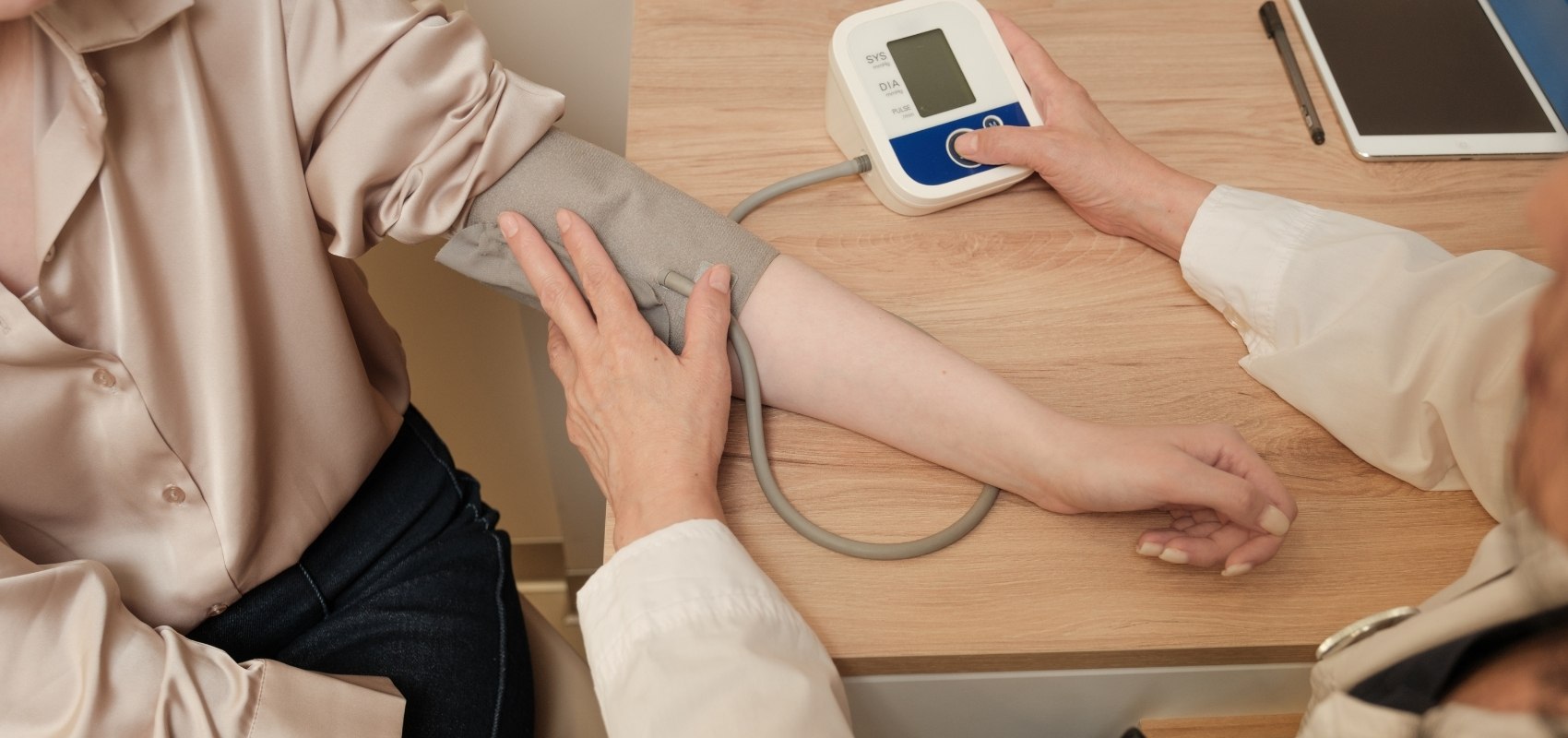
Metabolic health is not just about weight. It includes blood sugar control, insulin sensitivity, blood pressure, cholesterol, triglycerides, liver fat, sleep, and inflammation. With obesity rates still high in the U.S. and many states reporting adult prevalence at or above 35%, more people are looking for medical support that feels effective but tolerable.
That is where “GLP-1 microdosing” comes in. In practice, it usually means a lower-and-slower approach that starts below typical doses and increases gradually.
The goal is to support insulin sensitivity, reduce blood sugar spikes, and curb appetite, while potentially limiting GI side effects linked to rapid escalation.
What's In This Guide
Quick Facts
- GLP-1 microdosing is not a standardized protocol. It typically refers to a lower-and-slower dosing approach guided by a clinician.
- The goal is improved tolerability. A gradual titration may help some people manage common GI side effects during dose increases.
- Benefits can extend beyond appetite. In selected patients, GLP-1 therapy may support blood sugar regulation and broader metabolic markers.
- Not everyone is a good candidate. Certain medical histories, medications, and upcoming procedures may require extra caution and closer monitoring.
- Best results are usually part of a full plan. GLP-1 therapy is typically most effective when it is adjunctive to nutrition, movement, sleep, and ongoing medical care.
Why GLP-1 Medications Can Support Metabolic Health
They May Help Many People Eat Less by Feeling Full Sooner
GLP-1 medicines can reduce hunger and increase satiety, which often makes it easier to sustain a calorie deficit. Semaglutide is a GLP-1 receptor agonist, meaning it mimics the action of the body’s natural GLP-1 hormone involved in appetite regulation and blood sugar control.
In the STEP 1 trial (68 weeks), people taking semaglutide 2.4 mg with lifestyle changes had a mean weight change of -14.9% vs -2.4% with placebo, and 86.4% achieved at least 5% weight loss (vs 31.5% with placebo).
They May Improve Blood Sugar Control and A1c in Type 2 Diabetes
GLP-1 therapy is also used because it can lower blood sugar in a clinically meaningful way. HbA1c (often called A1c) is a blood test that estimates your average blood sugar over the past 2 to 3 months. Clinicians use it to assess diabetes control and cardiometabolic risk trends over time.
In an Ozempic placebo-controlled trial, HbA1c dropped by -1.4 (0.5 mg) and -1.6 (1 mg) vs -0.1 with placebo, and 73% (0.5 mg) and 70% (1 mg) reached HbA1c under 7%, vs 28% with placebo.
They May Blunt Post-Meal Spikes
GLP-1 medications can slow stomach emptying, which may reduce post-meal glucose spikes for some people. It also helps explain why nausea, diarrhea, vomiting, constipation, and stomach discomfort are common, especially during dose increases.
In placebo-controlled Ozempic trials, GI adverse reactions occurred in 32.7% (0.5 mg) and 36.4% (1 mg) vs 15.3% with placebo. Discontinuation due to GI reactions was 3.1% to 3.8% vs 0.4% with placebo.
This is one reason some clinicians use a slower titration approach in selected patients, with monitoring and dose adjustments based on symptoms and response.
Who Might Be Interested in Microdosing (And Who Should Be Cautious)
“Microdosing” usually means starting lower and increasing more gradually to improve tolerability. This approach may appeal to people who want clinician-guided GLP-1 support but are concerned about side effects.
It is not an FDA-labeled protocol, so the decision should be individualized and monitored.
Who Might Be Interested in a Lower-and-Slower Start
A clinician may consider a lower-and-slower titration in selected patients who:
- Had nausea or GI side effects with past weight-loss or diabetes meds and want to reduce the chance of stopping early due to symptoms.
- Need a more tolerable ramp-up because of work or caregiving demands, where even short-term nausea or diarrhea would be hard to manage.
- You are managing multiple lifestyle changes at once (nutrition, protein intake, activity) and want a pace that supports adherence.
- Are on several oral medications and need careful review since GLP-1s can affect gastric emptying. In plain terms, food moves through the stomach more slowly, which can reduce post-meal spikes, but can also contribute to nausea/fullness.

Who Should Be Cautious and Get Clear Medical Guidance First
A slower approach does not remove risks. Extra caution and clinician review are especially important if you have any of the following:
- Personal or family history of medullary thyroid carcinoma (MTC) or MEN 2. Semaglutide products carry a boxed warning about thyroid C-cell tumors and list these as contraindications.
- History of pancreatitis or gallbladder disease concerns. GLP-1 labels include warnings for acute pancreatitis and acute gallbladder disease, and symptoms should be evaluated promptly.
- Severe GI disease or suspected gastroparesis. Labels warn about severe GI adverse reactions and note that these therapies may not be appropriate in certain severe GI conditions.
- You use insulin or a sulfonylurea. The risk of hypoglycemia increases when GLP-1s are combined with insulin or insulin secretagogues, and dose adjustments may be needed.
- Upcoming surgery or procedures with sedation. Current multi-society guidance, including the American Society of Anesthesiologists (ASA), suggests most patients can continue GLP-1s before elective surgery, but plans should be individualized based on risk factors and symptoms.
What To Do When Considering Glp-1 Microdosing
Because “microdosing” is not a standardized or FDA-labeled protocol, the steps involved can vary by provider, medication, and individual health profile. The outline below reflects a general, educational framework. Actual evaluation, dosing, and follow-up should always be individualized based on your medical history, current conditions, medications, and clinical response.
Step 1: Define a Clear Metabolic Goal
Instead of focusing only on weight, define outcomes your clinician can track. Depending on your needs, GLP-1 therapy has the potential to support:
- A1c or fasting glucose trends
- Appetite control and eating patterns
- Waist measurement
- Blood pressure and lipid markers
Step 2: Get Screened for Safety and Fit
Before starting, your clinician should review your medical history and current medications. This step may help identify:
- Conditions where GLP-1 therapy may not be appropriate
- Medications that need closer monitoring (especially diabetes meds)
- GI history or other risk factors that could influence tolerability
Step 3: Ask What “Microdosing” Means in Your Provider’s Plan
Because microdosing is not standardized, ask for the exact approach your clinician uses. For example:
- What does “start low” mean in your case?
- How long do you stay at each dose before increasing?
- What symptoms trigger holding a dose, stepping back, or stopping?
Step 4: Build a Side-Effect Strategy Up Front
A lower-and-slower titration may help reduce GI symptoms in selected patients, but side effects can still happen. Ask your clinician for guidance on:
- What to do if nausea, constipation, or diarrhea appear
- Hydration and nutrition strategies that may help
- What is expected vs what is a red flag
- When to contact the clinic
Step 5: Use Lifestyle Support as Adjunctive Treatment
GLP-1 therapy is typically most useful when it is adjunctive to other treatments, not a replacement for them. Depending on your situation, that may include:
- Protein-forward meals and adequate hydration
- Fiber intake you can tolerate
- Resistance training and daily movement
- Sleep and stress support
Step 6: Commit To Follow-up and Objective Monitoring
Microdosing only makes sense with follow-up. Your clinician may track progress through:
- Symptom check-ins during titration
- Weight and waist trends
- Blood pressure and labs based on your risk profile
Step 7: Avoid Self-Dosing and Be Careful With Non-Standard Products
Do not adjust dose timing, concentration, or escalation on your own. If you are offered a non-standard product or protocol, ask what evidence supports it and how dosing accuracy and monitoring are handled. Some approaches are still in early clinical research, with ongoing trials and more research needed.
Frequently Asked Questions (FAQs)
Is GLP-1 “microdosing” FDA-approved or standardized?
No. “Microdosing” is an informal term people use to describe a lower-and-slower titration approach. It is not an FDA-labeled protocol, and the safest path is clinician-guided prescribing and monitoring using approved product labeling as the reference point.
What happens if I miss a dose?
If you miss a dose of a GLP-1 medication, the instructions can vary by product, so it is important to follow your specific prescribing label and your clinician’s guidance.
For example, Ozempic (semaglutide) states: if the missed dose is within 5 days, take it as soon as possible. If more than 5 days have passed, skip the missed dose and take your next dose on your regularly scheduled day. In either case, you can then resume your normal once-weekly dosing schedule.
Why are compounded versions riskier?
Compounded versions can be riskier because they are not FDA-approved and do not undergo the same consistency, potency, and quality testing as branded GLP-1 medications. The FDA has issued alerts describing dosing errors with compounded injectable semaglutide, including cases where patients unintentionally injected much higher than intended doses.
Do GLP-1 medications slow digestion?
They can delay gastric emptying. Ozempic’s FDA label notes delayed gastric emptying and the potential to affect the absorption of oral meds.
Can GLP-1 microdosing be used long-term?
There is limited direct research on long-term outcomes of “microdosing” as a distinct approach, because microdosing itself is not a standardized or FDA-labeled protocol. Ongoing research continues to evaluate optimal dosing strategies, durability of benefits, and long-term safety. For this reason, clinicians typically reassess response, side effects, and goals over time and may adjust dosing or discontinue therapy if risks outweigh benefits.
Any long-term use should remain clinician-guided and closely monitored.

Bottom Line
GLP-1 “microdosing” is a non-standard term that usually refers to a lower-and-slower titration approach. In selected patients, this approach may help improve tolerability while still offering the potential to support appetite control and blood sugar management as part of a broader metabolic health plan. It is not absolute, results vary, and it works best when it is adjunctive to other treatments like nutrition, movement, sleep optimization, and ongoing medical care.
DISCLAIMER:
This blog is for general educational purposes only and is not medical advice. GLP-1 medications require individualized prescribing and clinical monitoring. Always discuss risks, benefits, drug interactions, and whether GLP-1 therapy is appropriate for you with your physician or a qualified clinician. If you are in Connecticut and considering GLP-1 therapy, BioRestore Health provides clinician-led consultations and follow-up based on individual medical history and clinical needs.
SOURCES:
Centers for Disease Control and Prevention. (2024, September 12). New CDC data show adult obesity prevalence remains high [Press release]. https://www.cdc.gov/media/releases/2024/p0912-adult-obesity.html
Kommu, S., & Whitfield, P. (2024, February 11). Semaglutide. In StatPearls [Internet]. StatPearls Publishing. https://www.ncbi.nlm.nih.gov/books/NBK603723/
American College of Cardiology. (2021, February 18). Semaglutide treatment effect in people with obesity (STEP 1). https://www.acc.org/latest-in-cardiology/clinical-trials/2021/02/18/19/23/step-1
Novo Nordisk. (2025). Ozempic (semaglutide) injection: Highlights of prescribing information. https://www.novo-pi.com/ozempic.pdf
U.S. Food and Drug Administration. (2026, February 4). FDA’s concerns with unapproved GLP-1 drugs used for weight loss. https://www.fda.gov/drugs/postmarket-drug-safety-information-patients-and-providers/fdas-concerns-unapproved-glp-1-drugs-used-weight-loss
U.S. Food and Drug Administration. (2025). Wegovy (semaglutide) injection: Highlights of prescribing information. https://www.accessdata.fda.gov/drugsatfda_docs/label/2025/218316Orig1s000lbl.pdf
American Society of Anesthesiologists. (2024, October 29). Most patients can continue diabetes, weight loss GLP-1 drugs before surgery, those at highest risk for GI problems should follow liquid diet before procedure: New multi-society clinical practice guidance released [Press release]. https://www.asahq.org/about-asa/newsroom/news-releases/2024/10/new-multi-society-glp-1-guidance