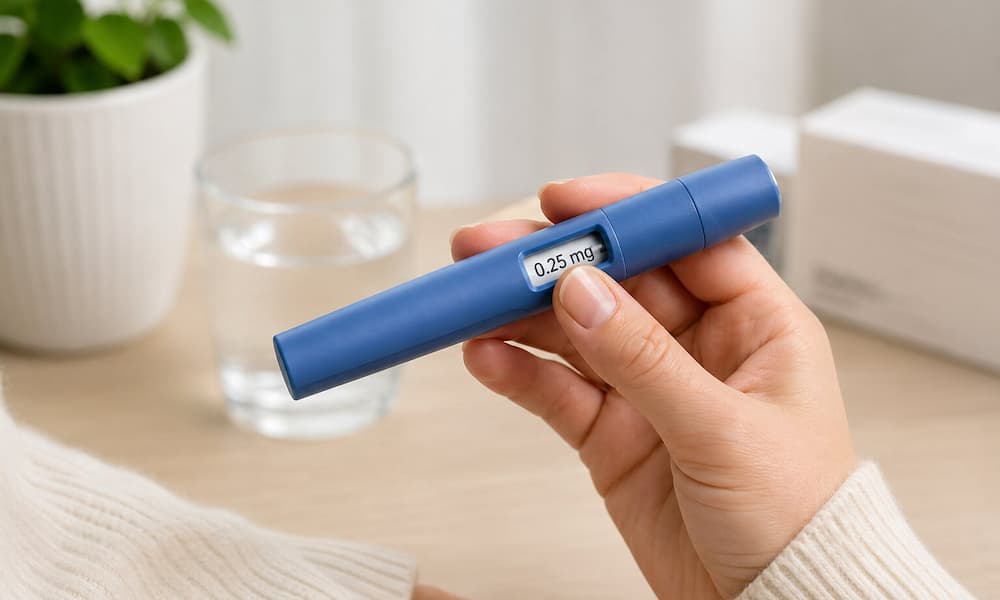
GLP-1 microdosing is an emerging, more gradual approach to metabolic support that uses significantly lower, often customized doses of GLP-1 medications. This is commonly discussed in ranges like semaglutide 0.125 to 0.25 mg weekly, to improve tolerability while supporting appetite control and insulin sensitivity for some individuals.
Note that ranges vary by medication, formulation, and prescribing approach. Patients shouldn’t map doses across brands/products.
Disclaimer: This article is for general educational purposes only and is not medical advice. GLP-1 medications require individualized prescribing and clinical monitoring; results are not guaranteed, and treatment is not a substitute for standard medical care. Talk with your physician or a qualified clinician about risks, benefits, and whether GLP-1 therapy is appropriate for you.
What's In This Guide
Quick Facts
- “Microdosing” is not a standardized, FDA-labeled protocol. Lower-and-slower dosing may be used for tolerability, but outcomes vary.
- GI side effects are common, especially during dose escalation. Follow a clinician-guided titration plan rather than self-adjusting.
- GLP-1 medications can delay gastric emptying, which may affect the absorption of some oral medications.
- Procedure planning matters. Many patients may continue GLP-1s before elective surgery, but precautions should be individualized.
- Be cautious with compounded or unapproved products. Safety and dosing concerns have been reported.

Why Metabolic Health Support Matters Right Now
Metabolic health is not just about willpower. Appetite signaling, blood sugar control, sleep, stress hormones, muscle mass, and past dieting history all influence outcomes.
In the U.S., obesity remains common, and severe obesity has increased over time. A CDC data brief reported adult obesity prevalence of 40.3% in recent survey periods, while severe obesity rose to roughly 9% to 10%.
Prediabetes is also widespread. CDC materials commonly cite about 98 million Americans with prediabetes, and most do not know they have it.
What GLP-1 Medications Do
GLP-1 receptor agonists are prescription medications that mimic or enhance the action of GLP-1, a hormone involved in:
- Increasing satiety (feeling full)
- Reducing appetite and food “noise” for some people
- Supporting glucose regulation, particularly relevant in diabetes and insulin resistance
In large clinical trials, GLP-1 therapies at studied doses have produced meaningful average weight loss compared with placebo when combined with lifestyle intervention. In STEP 1, adults taking semaglutide 2.4 mg weekly had a mean weight reduction of about 14.9% at 68 weeks versus 2.4% with placebo.
Note: While standard trial doses are backed by large studies, GLP-1 microdosing has less published clinical evidence so far. Ongoing research is still clarifying which low-dose approaches work best, for whom, and how results compare with standard dosing.
What GLP-1 Microdosing Means (and What It Does Not)
Microdosing typically refers to one or more of these clinician-directed strategies:
- Starting at a very low dose and increasing more slowly than the standard schedule
- Staying longer at a low dose if side effects limit escalation
- Using a lower-than-maximum dose if it is providing acceptable benefit and tolerability
Microdosing DOES NOT mean:
- “Safe because it is small.” Risk depends on your medical history, medication interactions, and proper prescribing and monitoring.
- “Clinically proven for the same outcomes as full-dose trials.” The best evidence is for labeled dosing used in major trials and FDA labeling.
- You should try to self-adjust doses, split pens, or stretch medication without supervision.
Potential Benefits of a Lower-Dose, Slower-Titration Approach
A lower-dose, slower-titration plan is mainly about tolerability and consistency, not “better results.” The strongest outcomes data for GLP-1 therapy come from standard, studied doses, but there are practical reasons some clinicians may individualize the ramp-up for selected patients.
Fewer Gastrointestinal Issues for Some Patients
GI symptoms are the most common barrier early on. In Wegovy clinical trials, 73% of adults on semaglutide reported GI adverse reactions vs 47% with placebo, and these reactions were most frequently reported during dose escalation.
Permanent discontinuation due to GI adverse reactions occurred in 4.3% of semaglutide-treated adults vs 0.7% with placebo. A slower titration may help some patients manage this adjustment phase, though results vary.
May Support Adherence
GLP-1 medications are generally intended for longer-term management of chronic metabolic disease, but many people stop early. A JAMA Viewpoint summarized that nearly 30% discontinued semaglutide in the SELECT trial, and real-world discontinuation estimates for GLP-1 receptor agonists are often reported in the 50% to 75% range at 12 months.
Because adherence is a major real-world bottleneck, strategies that improve tolerability (including slower titration when clinically appropriate) may help some patients stay on a plan long enough to see meaningful metabolic improvements.
Disclaimer: A lower-dose, slower-titration approach is not a guaranteed way to reduce side effects or improve outcomes, and it is not a substitute for standard medical care. “Microdosing” is not a standardized, FDA-labeled protocol, and the strongest evidence for GLP-1 benefits comes from studied dosing schedules in clinical trials. Any dose adjustments should be made only with a licensed clinician who can screen for contraindications, monitor symptoms, and review other medications and health conditions.
Real Risks and Limitations to Understand First
GLP-1 therapies can be effective tools for metabolic health in selected patients, but they are not risk-free. A lower-dose or slower-titration approach does not eliminate these limitations. Understanding them upfront is essential for informed decision-making and safe use.
Gallbladder Problems Are a Known Risk
Rapid or substantial weight loss itself can increase gallstone risk, but Wegovy labeling also notes a higher incidence of gallbladder-related events compared with placebo. In adult trials, cholelithiasis (gallstones) was reported by 1.6% of Wegovy patients vs 0.7% with placebo, and cholecystitis (gallbladder inflammation) was reported by 0.6% vs 0.2%.
Risk of Pancreatitis
The FDA label warns that acute pancreatitis has been observed with GLP-1 receptor agonists and instructs clinicians to discontinue promptly if pancreatitis is suspected.
Rarely, inflammation of the pancreas has been reported with GLP-1 medicines. Most people won’t experience this, but severe, persistent stomach pain (especially with vomiting or pain that spreads to the back) should be treated as urgent.
Dehydration Can Trigger Kidney Problems
The biggest kidney-related concern is usually dehydration from vomiting/diarrhea. GLP-1 side effects, like vomiting or diarrhea, can contribute to dehydration. The Wegovy label includes a warning for acute kidney injury due to volume depletion and recommends monitoring renal function in patients reporting reactions that could lead to dehydration.
Note: A slower titration is a common clinical approach, but “GLP-1 microdosing” is not a standardized protocol supported by large randomized trials. Keep expectations realistic: it may improve tolerability and adherence for some patients, but evidence on specific microdosing regimens is still limited, and more research is needed to identify who benefits most and at what dose.

How Clinicians Approach GLP-1 Microdosing More Safely
The steps below are a general safety framework, not medical advice. Protocols, dosing schedules, monitoring frequency, and eligibility criteria vary by provider, medication, and individual health history. A lower-dose approach is not guaranteed to reduce side effects or improve outcomes.
Step 1: Confirm Candidacy and Screen for Contraindications
Clinicians typically start by confirming whether GLP-1 therapy is appropriate at all, including whether weight or metabolic goals align with prescribing criteria and medical history.
- Review health history (including thyroid cancer risk factors, pancreatitis history, gallbladder disease, severe GI issues)
- Check current medications for interactions or overlapping side effects
- Discuss pregnancy plans and breastfeeding status when relevant
- Identify red flags that may require specialist input or a different approach
Step 2: Establish Baseline Metrics and Clear Goals
A lower-dose plan works best when the starting point is documented, and goals are specific.
Baseline measures may include:
- Weight and waist circumference
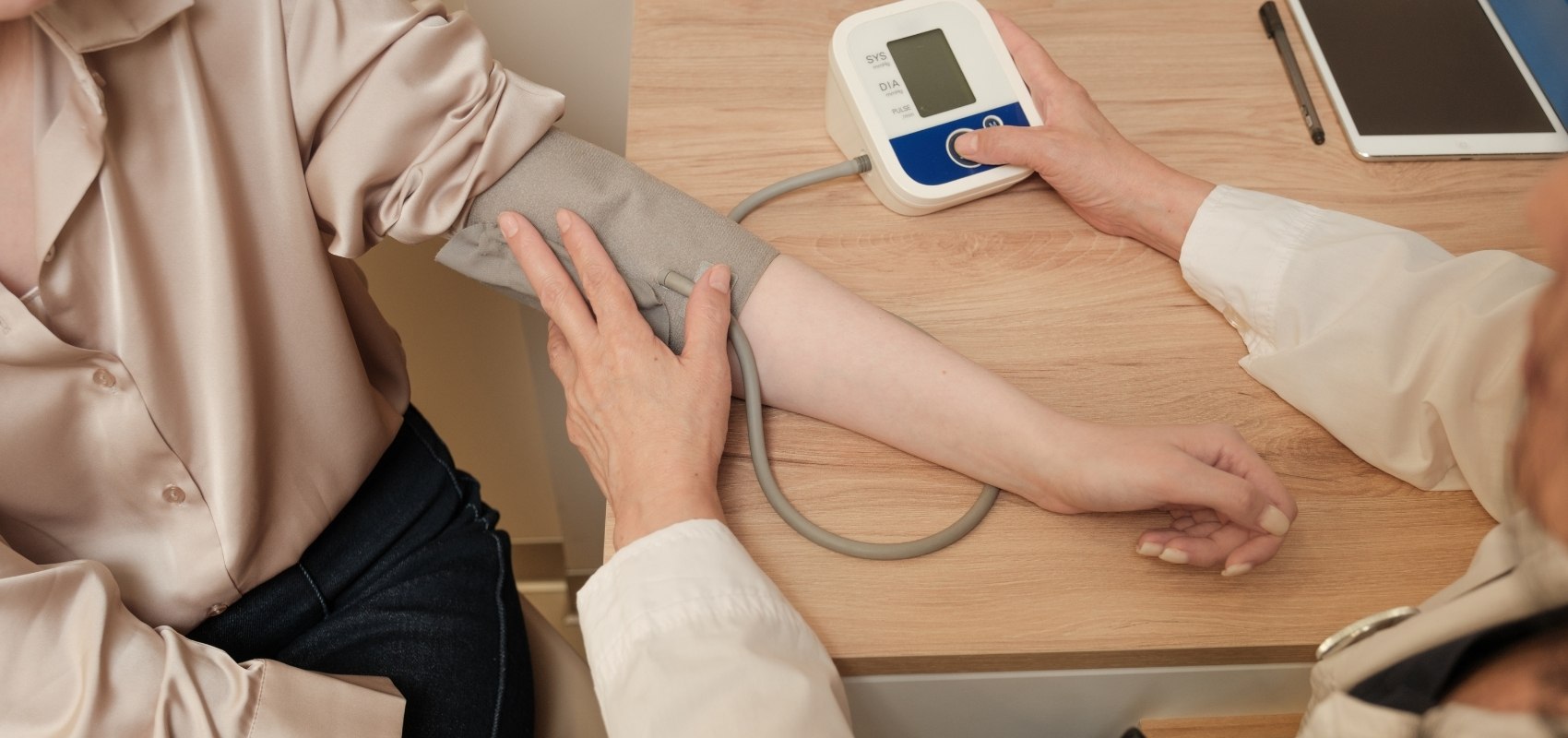
- Blood pressure
- A1C and or fasting glucose
- Lipids
- Kidney and liver markers, when clinically appropriate
Set realistic goals such as:
- Better appetite regulation and consistency with nutrition habits
- Gradual change in weight or metabolic markers
- Reduced cardiometabolic risk factors over time
Step 3: Select a Conservative Starting Dose and Titration Schedule
“Microdosing” in clinical practice often means slower escalation, not a one-size-fits-all dose.
- Start at a low dose (often per product labeling)
- Extend time at early doses if side effects are limiting
- Escalate only when tolerability and response support it
- Avoid DIY dose changes or unsupervised adjustments
Step 4: Build a Side-Effect Management Plan Up Front
Providers often prepare patients for the most common early issues, especially GI symptoms.
Nutrition and hydration strategies, such as:
- Smaller meals and slower eating
- Limiting very high-fat meals during titration
- Hydration planning and constipation prevention basics
Providers may offer clear guidance on:
- When to hold escalation
- When to call the office
- Which symptoms require urgent evaluation
Step 5: Schedule Early Follow-Ups and Ongoing Monitoring
Lower-and-slower dosing still benefits from structured check-ins.
Early follow-up to review:
- Side effects and hydration status
- Appetite changes and meal tolerance
- Adherence and injection technique when relevant
Ongoing monitoring that may include:
- Weight and waist trends
- Blood pressure
- Repeat labs on a clinician-determined schedule
Step 6: Adjust Based on Tolerability and Objective Response
Dose and strategy are usually revisited over time, especially if progress is stalled or side effects persist.
Options a clinician may consider:
- Extending the current dose longer
- Adjusting escalation timing
- Re-evaluating nutrition targets and protein intake
- Considering alternative therapies when appropriate
Disclaimer: A lower-dose, slower-titration plan is not guaranteed to reduce side effects or improve outcomes, and any dosing changes should be made only under licensed clinical supervision.
Frequently Asked Questions (FAQs)
What should you do if you miss a weekly GLP-1 dose?
If you miss one weekly dose of Wegovy, what to do depends on timing:
- If your next scheduled dose is more than 2 days away, take the missed dose as soon as possible.
- If your next scheduled dose is less than 2 days away, skip the missed dose and resume on your regular dosing day.
Can GLP-1 medications affect how your other oral medications work?
They can. Wegovy labeling notes semaglutide delays gastric emptying, which may impact absorption of oral medications. If you take time-sensitive meds, ask your clinician how to monitor and whether timing adjustments are needed.
Do you need to stop a GLP-1 medication before surgery or an endoscopy?
Not always. Guidance suggests most patients can continue GLP-1 drugs before elective procedures, with added precautions for higher-risk situations (for example, significant GI symptoms). Your surgical and anesthesia team should advise based on your risk factors and procedure type.
Are compounded GLP-1 products the same as FDA-approved medications?
No. The FDA has raised concerns about unapproved GLP-1 drugs marketed for weight loss, including compounded versions, and notes adverse event reports and dosing errors (including cases requiring hospitalization).
Can you change your weekly injection day?
Some GLP-1 products allow an injection-day change as long as there is a minimum time gap since the last dose. The exact rule depends on the medication, so follow the medication guide and your clinician’s instructions.

Bottom Line
GLP-1 microdosing is best understood as a lower-dose, slower-titration strategy some clinicians may use to improve tolerability and consistency in selected patients. It is not a standardized, FDA-labeled protocol, and the strongest outcomes data for GLP-1 therapy still come from studied, labeled dosing schedules.
Even at lower doses, GLP-1 medications can cause side effects and carry important safety considerations. The safest path is clinical screening, reputable sourcing, and ongoing monitoring, with realistic expectations that results vary.
DISCLAIMER:
This content is for informational and educational purposes only and does not constitute medical advice. Outcomes are not guaranteed, and any therapies or approaches discussed are not a substitute for standard medical care. BioRestore does not replace primary or specialty medical care and does not guarantee specific results. All treatment decisions, including the use of GLP-1 medications or dosing strategies, should be made in consultation with your physician or a qualified healthcare provider, based on your individual health history, risks, and goals.
SOURCES:
Emmerich, S. D., Fryar, C. D., Stierman, B., & Ogden, C. L. (2024, September). Obesity and severe obesity prevalence in adults: United States, August 2021–August 2023 (NCHS Data Brief No. 508). National Center for Health Statistics. https://www.cdc.gov/nchs/data/databriefs/db508.pdf
Centers for Disease Control and Prevention. (2024, May 15). Prediabetes: Could it be you? [Infographic]. https://www.cdc.gov/diabetes/communication-resources/prediabetes-statistics.html
Wilding, J. P. H., Batterham, R. L., Calanna, S., Davies, M., Van Gaal, L. F., Lingvay, I., McGowan, B. M., Rosenstock, J., Tran, M. T. D., Wadden, T. A., Wharton, S., Yokote, K., Zeuthen, N., & Kushner, R. F. (2021). Once-weekly semaglutide in adults with overweight or obesity. The New England Journal of Medicine, 384(11), 989–1002. https://doi.org/10.1056/NEJMoa2032183
Novo Nordisk. (2017). Wegovy (semaglutide) injection, for subcutaneous use: Highlights of prescribing information. U.S. Food and Drug Administration. https://www.novocare.com/content/experience-fragments/NovoCare/sf/isi/hcp_isi_wegovy.content.html
Khan, S. S., Ndumele, C. E., & Kazi, D. S. (2025). Discontinuation of glucagon-like peptide-1 receptor agonists. JAMA, 333(2), 113–114. https://doi.org/10.1001/jama.2024.22284
Novo Nordisk. (n.d.). Important safety information for Wegovy®: Warning—Risk of thyroid C-cell tumors. https://www.novocare.com/content/experience-fragments/NovoCare/sf/isi/hcp_isi_wegovy.content.html