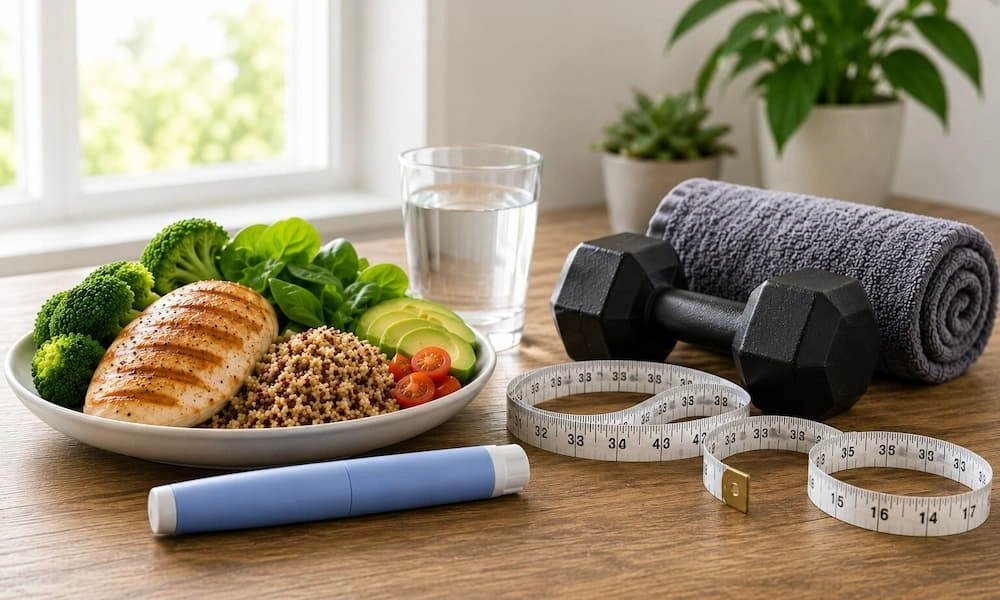
GLP-1 medications can make weight loss feel more doable by helping people eat less without feeling constantly hungry. But the scale does not tell the whole story. Weight loss can include both fat mass and lean mass, and preserving strength and muscle matters for how you look, move, and function day to day.
We’ll break down what to prioritize with food and training so you can support weight loss while actively protecting muscle.
What's In This Guide
Quick Facts
✓ GLP-1s can drive weight loss, but diet and training shape fat vs lean loss.
✓ Lift 2+ days/week to better preserve strength while losing weight.
✓ When appetite drops, prioritize protein at every meal.
✓ Track waist, strength, steps, sleep, and protein, not just weight.
✓ Stay medically supervised for safety.
What GLP-1 Medications Do
GLP-1 receptor agonists and related medications are prescribed to support chronic weight management in eligible adults, typically alongside a reduced-calorie diet and increased physical activity. These medications can help regulate appetite and satiety, so it is easier to sustain healthier eating patterns.
What they do not do is replace the basics. Medication can help drive weight loss, but nutrition and training still shape outcomes like:
- How much of your weight loss comes from fat vs lean tissue
- Whether you maintain strength while losing weight
- How well you tolerate the process, especially when appetite drops
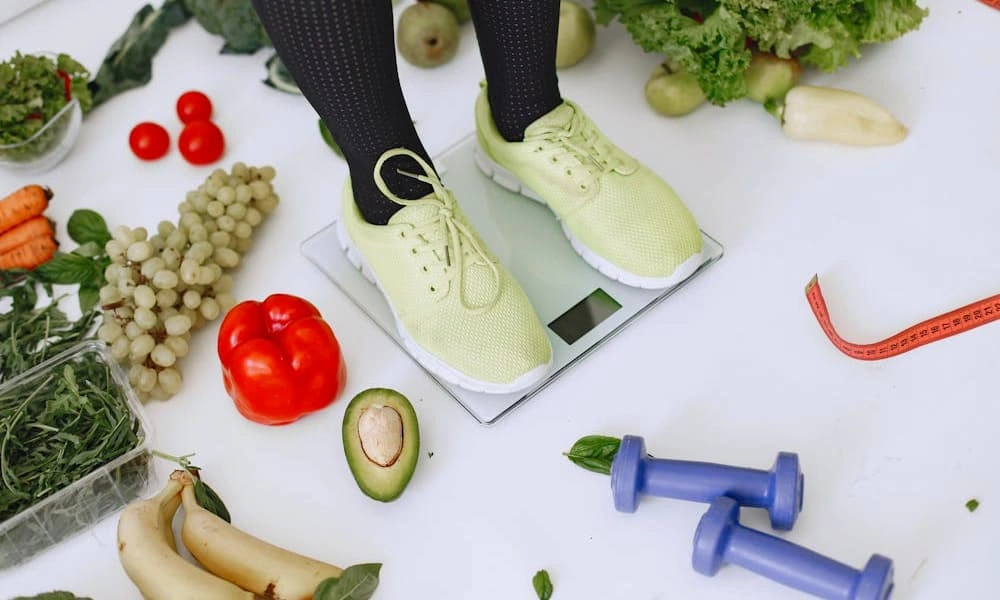
Why Muscle Preservation Is Crucial in Weight Loss
When body weight goes down, both fat mass and lean mass can change. Lean mass includes muscle, water, and other fat-free tissue. Some lean mass reduction is expected during weight loss, including with medications. That is why your plan should include two counterweights:
- Resistance training
- Adequate protein intake
These two are your best tools for preserving muscle and performance while you lose fat.
GLP-1 Weight Loss Results
Average Weight Loss
Two commonly cited obesity trials illustrate what these medications can do on average in selected participants under study conditions:
Semaglutide 2.4 mg (STEP 1)
Mean body weight change at 68 weeks was -14.9% with semaglutide vs -2.4% with placebo, alongside lifestyle intervention.
Tirzepatide (SURMOUNT-1)
Mean body weight change at 72 weeks was -15.0% (5 mg), -19.5% (10 mg), and -20.9% (15 mg) vs -3.1% with placebo, alongside lifestyle counseling.
Body Composition
Weight loss is usually a mix of fat mass and lean mass. In many dietary restriction studies, fat mass contributes roughly 75% of weight loss and lean mass about 25%. However, this varies by age, sex, starting body composition, and training habits.
The practical takeaway is not to panic about the number. It is to build a plan that protects function:
- Strength training to maintain performance signals
- Sufficient protein to support muscle protein synthesis
- Enough total nutrition to recover and keep workouts consistent
Evidence from body composition analyses in GLP-1 and related therapies commonly shows decreases in both fat and lean mass while also improving the overall body composition picture by reducing a larger amount of fat mass.
Nutrition Fundamentals While on GLP-1s
Priority 1: Protein You Can Sustain
For healthy adults, the general minimum recommended intake is 0.8 g of protein per kilogram of body weight per day.
When resistance training is part of the plan, evidence suggests additional protein may support gains in strength and fat-free mass, with benefits leveling off around ~1.6 g/kg/day.
You do not need to obsess over math to benefit. Use practical anchors:
- Protein at every meal (even if the meal is smaller)
- Start earlier in the day so you are not chasing protein at night
- Use “easy proteins” when appetite is low (Greek yogurt, eggs, fish, chicken, tofu, legumes, cottage cheese, protein-forward smoothies if tolerated)
If nausea or early fullness is an issue, smaller protein portions more often may be easier than one large serving.
Priority 2: A Simple Plate Structure That Works With Lower Appetite
When you eat less, food quality matters more because there is less room for low-nutrient choices. A straightforward approach is to build meals around:
- A protein base
- High-volume produce (vegetables, fruit)
- A fiber-rich carb (beans, oats, whole grains, potatoes) if tolerated
- A measured amount of healthy fats
Priority 3: Fiber and Fluids for Satiety and GI Comfort
GI side effects are common with GLP-1 therapies, and constipation is a frequent complaint for many people on appetite-suppressing medications. The best approach supports:
- Hydration consistency
- Gradual fiber increases (not all at once)
- Produce and legumes as primary fiber sources, when tolerated
If certain meals worsen symptoms, it is reasonable to adjust meal size and fat content while you work with your clinician on titration and tolerability.

Exercises That Protect Muscle During Weight Loss
Resistance Training
Adults need to get at least 150 minutes per week of moderate-intensity aerobic activity and muscle-strengthening activity on 2 or more days per week.
A simple, effective approach for most people:
- 2 to 3 full-body sessions per week
- Focus on major movement patterns: squat or leg press, hinge, push, pull, carry
- Keep it progressive: add reps, add weight, or add a set over time
Cardio
Cardio supports heart health, work capacity, and calorie expenditure. It also improves mood and can make diet adherence easier. But if time or energy is limited, prioritize strength first, then add cardio as you can sustain.
Practical options that work well with GLP-1 appetite changes:
- Brisk walking
- Cycling
- Incline treadmill
- Low-impact interval sessions that do not crush recovery
What “Good” Looks Like in Real Life
You do not need a complicated program to know whether you are protecting muscle. Look for:
- You can maintain or slowly improve key lifts over time
- Your reps stay steady even as weight decreases
- Your energy is stable enough to train consistently
If strength is falling fast, workouts are being skipped, and protein intake is low, that is a signal to tighten the basics.
Putting It Together: Simple Frameworks You Can Follow
The 3–2–1 Weekly Framework
This structure supports weight loss while keeping muscle preservation front and center.
- 3 resistance training sessions (full body or upper/lower split)
- 2 cardio sessions (20 to 40 minutes)
- 1 planning block (15 minutes to plan protein, groceries, and workout slots)
A Low-Appetite Day Eating Structure
When appetite is low, the risk is that you undereat protein and end up with a day built around snacks. Instead:
- Pick a protein anchor for each meal
- Add produce for volume and fiber
- Add a carb source if training performance is slipping
Examples of protein-forward, small meal options:
- Greek yogurt plus berries
- Eggs with sautéed vegetables
- Tuna or salmon with rice and greens
- Beans and lean protein in a bowl
Consistency beats novelty. Choose foods you can repeat.
Travel and Busy Weeks
If you cannot do your full program, keep the signal:
- 2 short strength sessions (20 to 30 minutes)
- Daily steps (walk after meals if possible)
- One reliable protein option you can access anywhere

What To Track Besides the Scale
Waist Circumference (Fat-Loss Signal)
Waist size is one of the most useful at-home indicators of fat loss because it reflects changes around the midsection that the scale can’t always show.
- Measure at the same spot each time (often at the level of the navel), same time of day, same conditions.
- Track weekly or every other week for a cleaner trend.
Strength Performance (Muscle-Preservation Signal)
Strength trends are one of the best real-world proxies for muscle retention.
- Pick 4–6 staple movements (for example: squat pattern, hinge, push, pull).
- Track the same exercises weekly using consistent form.
- Look for stable or improving performance over time, even as body weight decreases.
Energy, Sleep, and Appetite Patterns (Recovery and Adherence Signals)
These markers often explain why training quality dips or why intake becomes inconsistent.
- Sleep duration and quality (even a simple 1–5 rating is useful)
- Daily energy levels
- Nausea, early fullness, or GI symptoms that affect intake
- Appetite consistency (especially if you’re unintentionally skipping protein)
Weekly Step Count or General Activity (Fat-Loss Support Signal)
Daily movement is a major driver of total energy output and helps maintain momentum.
- Track average daily steps and aim for gradual increases you can sustain.
- If your training volume is low that week, consistent steps help offset it.
Protein Consistency (Muscle-Support Signal)
On GLP-1s, appetite reduction can unintentionally reduce protein.
- Track whether you hit a minimum “protein at each meal” habit.
- If you prefer numbers, track grams, but habits are often easier to maintain long-term.
Optional: Body Composition Tools (If Available)
Some clinics use tools like DEXA scans or other body composition assessments to monitor fat mass and lean mass trends over time. These can be helpful when interpreted in context, but the key is consistency and a long-term view. The goal is to stay proactive, not reactive.
Frequently Asked Questions (FAQs)
Should I change my GLP-1 dose if I’m not losing weight fast enough?
No. Dose changes should be clinician-directed based on tolerability, response, and safety. If progress stalls, it is often more productive to review protein intake, strength training consistency, and overall weekly calories with your prescriber.
What should I do if nausea makes it hard to eat enough protein?
Use smaller, protein-forward meals more often, and prioritize easy-to-tolerate options like yogurt, eggs, fish, or smoothies if tolerated. If nausea is persistent or limiting nutrition, talk with your prescribing clinician about titration and symptom management.
Is it okay to drink alcohol while using GLP-1 medications for weight loss?
Alcohol can make it harder to hit protein goals, disrupt sleep and recovery, and add calories that slow progress. If you drink, keep it occasional and discuss safety considerations with your clinician, especially if you have metabolic or GI concerns.
Do I need supplements to preserve muscle while losing weight on GLP-1s?
Not necessarily. Many people do well with food-first protein plus resistance training. If intake is low, a basic protein supplement may help you meet goals. Any supplement plan should fit your medical history and medications.
What happens if I stop GLP-1 medication after losing weight?
Many people regain weight when treatment stops if lifestyle and long-term maintenance strategies are not in place. If you are considering stopping, coordinate a maintenance plan with a clinician. For more support, contact trusted providers like BioRestore to discuss a long-term approach.
Bottom Line
GLP-1 medications can be powerful tools for weight loss, but preserving muscle requires intention. Prioritize resistance training, consistent protein intake, and simple progress tracking beyond the scale. The most sustainable results typically come from combining medication with structured nutrition, strength-focused exercise, and ongoing clinical oversight. For personalized guidance, contact trusted providers like BioRestore in Connecticut to discuss your options.
DISCLAIMER:
This content is for educational purposes only and is not a substitute for professional medical advice, diagnosis, or treatment. GLP-1 medications are prescription therapies that require individualized screening, dosing, and ongoing clinical monitoring, and results vary from person to person. Always consult your physician or qualified healthcare provider before starting, stopping, or changing any medication, diet, or exercise program. For personalized evaluation and medically supervised weight management, contact trusted providers like BioRestore.
SOURCES:
Wilding, J. P. H., Batterham, R. L., Calanna, S., Davies, M., Van Gaal, L. F., Lingvay, I., McGowan, B. M., Rosenstock, J., Tran, M. T. D., Wadden, T. A., Wharton, S., Yokote, K., Zeuthen, N., Kushner, R. F., & STEP 1 Study Group. (2021). Once-weekly semaglutide in adults with overweight or obesity. The New England Journal of Medicine, 384(11), 989–1002. https://doi.org/10.1056/NEJMoa2032183
Jastreboff, A. M., Aronne, L. J., Ahmad, N. N., Wharton, S., Connery, L., Alves, B., Kiyosue, A., Zhang, S., Liu, B., Bunck, M. C., Stefanski, A., & SURMOUNT-1 Investigators. (2022). Tirzepatide once weekly for the treatment of obesity. The New England Journal of Medicine, 387(3), 205–216. https://doi.org/10.1056/NEJMoa2206038
Look, M., Dunn, J. P., Kushner, R. F., Cao, D., Harris, C., Hunter Gibble, T., Stefanski, A., & Griffin, R. (2025). Body composition changes during weight reduction with tirzepatide in the SURMOUNT-1 study of adults with obesity or overweight. Diabetes, Obesity and Metabolism, 27(5), 2720–2729. https://doi.org/10.1111/dom.16275
Wilding, J. P. H., Batterham, R. L., Calanna, S., Van Gaal, L. F., McGowan, B. M., Rosenstock, J., Tran, M. T. D., Wharton, S., Yokote, K., Zeuthen, N., & Kushner, R. F. (2021). Impact of semaglutide on body composition in adults with overweight or obesity: Exploratory analysis of the STEP 1 study. Journal of the Endocrine Society, 5(Supplement_1), A16–A17. https://doi.org/10.1210/jendso/bvab048.030
Harvard T.H. Chan School of Public Health. (n.d.). Protein. The Nutrition Source. https://nutritionsource.hsph.harvard.edu/what-should-you-eat/protein/
Morton, R. W., Murphy, K. T., McKellar, S. R., Schoenfeld, B. J., Henselmans, M., Helms, E., Aragon, A. A., Devries, M. C., Banfield, L., Krieger, J. W., & Phillips, S. M. (2017). A systematic review, meta-analysis and meta-regression of the effect of protein supplementation on resistance training–induced gains in muscle mass and strength in healthy adults. British Journal of Sports Medicine, 52(6), 376–384. https://doi.org/10.1136/bjsports-2017-097608
Centers for Disease Control and Prevention. (2023, December 20). Adult physical activity: An overview. https://www.cdc.gov/physical-activity-basics/guidelines/adults.html