
Stem cell therapy has become a growing topic of interest among those seeking innovative options for regenerative health and healing. In Connecticut, more patients are exploring how these therapies may help support recovery and wellness—while also wanting to understand what’s proven, what’s still in research, and what to watch out for. Because stem cell–based treatments are not yet absolute and results can vary, it’s important to approach them with education, caution, and guidance from qualified medical professionals.
Here are key insights patients should know before considering stem cell therapy in Connecticut.
Table of Contents
Understanding Stem Cell Therapy Near Me and Regenerative Medicine
How Stem Cell Therapy Near Me Differs from Alternative Regenerative Therapies
Stem Cell Therapy in Connecticut: What to Expect
Who May Not Be an Ideal Candidate for Stem Cell–Based Therapy?
What Substances or Medications Should Be Avoided Before Stem Cell Therapy?
What Important Questions Should You Ask Before Considering a Stem Cell Treatment?
Making an Informed Decision About Regenerative Therapies
Frequently Asked Questions
Discover Personalized Regenerative Support in Connecticut with BioRestore!
| Key Takeaways ✔ Stem cell therapy remains under active research, with early studies showing potential to support regenerative health, but results vary among patients. ✔ Alternative regenerative therapies such as PRP or exosome support may help stimulate healing in selected patients and serve as adjunctive options under medical supervision. ✔ When exploring treatment options in Connecticut, patients should seek licensed providers who follow clinical safety standards and scientific oversight. ✔ Thorough research, medical consultation, and understanding potential risks are essential steps before considering any stem cell–based procedure. ✔ Preparing for an appointment includes reviewing medical records, following provider instructions, and discussing all medications and supplements in advance. ✔ Patients should be cautious of unproven claims, financial pressure, or clinics lacking FDA compliance and proper medical supervision. |
Understanding Stem Cell Therapy Near Me and Regenerative Medicine
Many people exploring options for regenerative health have come across stem cell therapy in Connecticut. Stem cells are special cells that have the ability to develop into other types of cells in the body. This gives them the potential to help repair or replace damaged tissues.
However, it’s important to understand that stem cell treatments near you are still in early research for most conditions. Results vary, and the procedures are not guaranteed or approved for every use.
How Stem Cell Therapy Near Me Differs from Alternative Regenerative Therapies
Not every regenerative treatment uses actual stem cells. Other therapies—like platelet-rich plasma (PRP), tissue-derived products, or exosome-based support—work differently.
- PRP therapy: uses a patient’s own blood to concentrate healing factors.
- Tissue or exosome support: may help promote cell communication and repair in selected patients.
These therapies can be part of a broader care plan under medical supervision. They do not replace standard treatments but may help enhance recovery or comfort when used safely.
Stem Cell Therapy in Connecticut: What to Expect
People searching for stem cell therapy near me often want to know what the process involves. In Connecticut, certain facilities may offer stem cell–based options for orthopedic pain, joint injuries, or chronic conditions.
Before choosing any clinic, patients should confirm:
- The provider is a licensed medical professional.
- The facility follows strict safety and screening guidelines.
- There is scientific or clinical oversight.
Legal and Regulatory Considerations
Currently, the only stem cell products approved by the U.S. Food and Drug Administration (FDA) are those that use blood-forming stem cells, also known as hematopoietic progenitor cells. These specific cells are obtained from umbilical cord blood and are approved for use in treating disorders of the blood and immune system.
Other types of stem cell treatments near you or regenerative products have not yet been approved by the FDA for general use and are still being studied in clinical trials to determine their safety and effectiveness.
Avoid clinics that:
- Make unrealistic promises
- Offer “miracle” results
- Charge fees to join non-FDA-reviewed “trials”
Before Undergoing Stem Cell Therapy in Connecticut
Before undergoing stem cell therapy in Connecticut, patients should research their specific treatment, understand potential risks, and ask critical questions of their provider.
Be cautious of any facility making unverified claims or offering one treatment for every condition.
Research the Procedure
Learn what type of stem cells are used:
- Autologous: from your own body
- Allogeneic: from a donor
Ask whether the therapy is part of a legitimate clinical trial. Check the FDA or NIH websites for verified information.
Ask Key Questions
Every patient should ask:
- What type of stem cell transplant is being recommended?
- How will the donor be found (if applicable)?
- Will other treatments be needed before or after?
- What are the specific risks?
- Is this supported by peer-reviewed research or testimonials only?
Request a copy of the Informed Consent Form. Read it carefully—it should explain that the treatment may still be considered experimental and describe possible side effects.
Seek a Second Opinion
Getting another medical opinion helps patients make informed, confident decisions. A qualified physician can verify if the procedure is appropriate or if there are safer alternatives.
What to Do Before Your Appointment
Prepare for the Visit
Before the appointment:
- Gather medical records and insurance information.
- Write down all questions and medications.
- Understand any fasting or preparation instructions.
Inform Your Doctor
Always tell the doctor about:
- All medications and supplements (especially blood thinners)
- Any allergies or chronic conditions
The provider may recommend adjustments or specific guidelines before the procedure. Patients are usually encouraged to:
- Stay hydrated
- Avoid alcohol or tobacco
- Bring ID and insurance cards on appointment day
Potential Risks and Red Flags
Stem cell–based therapies are still developing. Patients should recognize possible red flags before moving forward.
Unproven Treatments
Avoid clinics that use the same procedure for many unrelated health issues. Different conditions require different approaches, and there is no one-size-fits-all stem cell solution.
If a provider relies only on testimonials instead of scientific data, proceed with caution.
Financial or Ethical Pressure
Reputable clinics will never rush patients into signing up or paying immediately. Be wary of “limited-time offers,” hidden fees, or payment for non-approved trials.
Health Conditions That May Limit Eligibility
Some conditions may make stem cell–based procedures unsafe, such as:
- Active infections
- Severe anemia or bleeding disorders
- Advanced cancers
- Uncontrolled autoimmune diseases
Patients with these issues need extra screening and physician clearance. Possible side effects, depending on the treatment, may include nausea, infection, bleeding, or fatigue. These should be discussed openly with the provider.
Who May Not Be an Ideal Candidate for Stem Cell–Based Therapy?
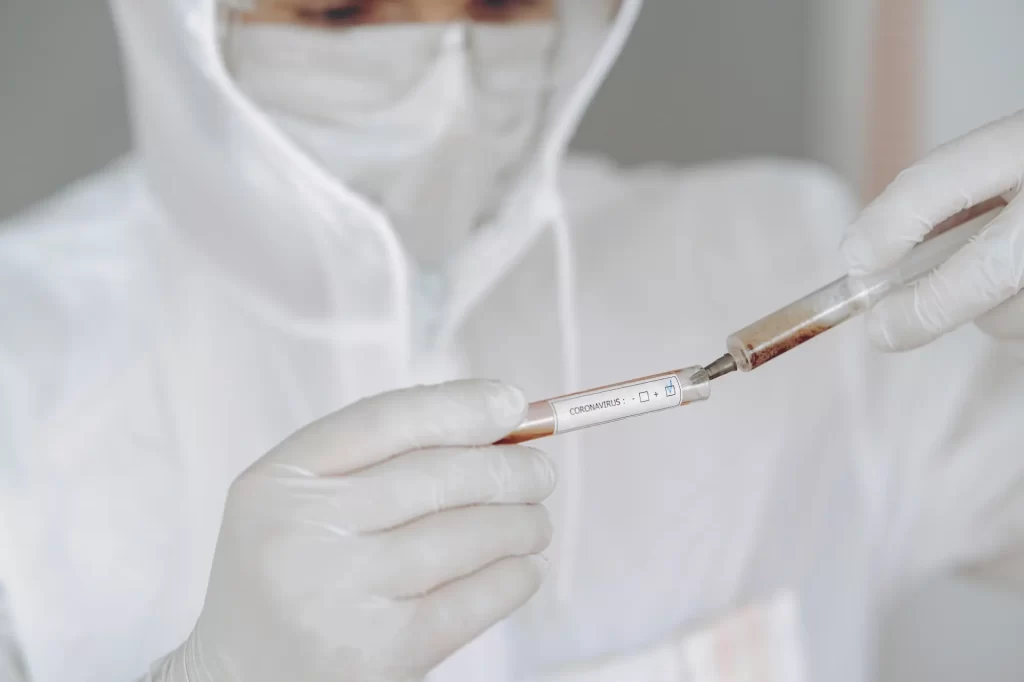
Not everyone is suitable for stem cell therapy. Those with weakened immune systems, severe heart or lung disease, or certain cancers may face higher risks. Each patient requires individualized screening, lab testing, and evaluation. Eligibility depends on health status, medical history, and treatment goals. Safety and medical supervision are essential parts of responsible regenerative medicine.
What Substances or Medications Should Be Avoided Before Stem Cell Therapy?
Before any regenerative or stem cell–related procedure, discuss all medications with your doctor.
In many cases, you may be asked to stop or adjust:
- Blood thinners (like aspirin or warfarin)
- Anti-inflammatory drugs (NSAIDs)
- Certain herbal supplements that affect bleeding
Never make medication changes on your own—only under medical supervision. Avoid smoking, excessive caffeine, and alcohol before treatment to help the body prepare. Hydration and good nutrition also support better recovery.
What Important Questions Should You Ask Before Considering a Stem Cell Treatment?
Every patient should take time to ask important questions before beginning treatment.
Key examples include:
- What type of stem cells are being used?
- Is the procedure part of a registered clinical trial?
- What are the risks and possible side effects?
- What results are realistic—not guaranteed?
- What kind of follow-up or monitoring will I receive?
- Are there alternative therapies that may help?
Asking these questions helps ensure that patients understand their options and make safe, informed decisions.
Making an Informed Decision About Regenerative Therapies
Stem cell therapy continues to evolve through ongoing clinical research. While early studies show promise, more evidence is needed to understand long-term safety and results.
Patients searching for stem cell therapy Connecticut or stem cell treatments near me should look for:
- Licensed providers
- Clear safety protocols
- Honest communication about what is and isn’t proven
BioRestore focuses on alternative regenerative therapies that may help support natural healing and recovery in selected patients. These treatments are part of a broader health approach—not replacements for standard care.
Frequently Asked Questions
What is the recovery time after stem cell therapy?
Recovery time varies depending on the patient, the condition being addressed, and the type of regenerative support used. Some people may experience mild soreness or fatigue for a few days, while others may need additional rest. Since stem cell–based treatments are still in early clinical research, there is no fixed recovery timeline. Close medical supervision and follow-up visits are important for safety and monitoring progress.
How much does stem cell therapy usually cost?
Costs can differ based on the clinic, procedure type, and whether the treatment is part of an ongoing clinical trial or a private service. Because most regenerative therapies are still being studied, they are often not covered by insurance. Patients should always request transparent pricing and discuss all financial details before beginning care.
How do I know if a clinic offering stem cell therapy is legitimate?
A reputable clinic will follow FDA regulations, provide clear patient consent forms, and operate under medical and scientific oversight. Treatments should be administered by licensed healthcare professionals in a sterile clinical setting. Avoid any clinic that guarantees results, skips safety screening, or offers unproven procedures for multiple unrelated conditions.
What are the common myths about stem cell therapy?
One common myth is that stem cell therapy can “cure” all diseases or provide permanent results. In reality, these therapies are still being studied, and outcomes vary from patient to patient. Responsible providers will emphasize safety, scientific review, and the ongoing nature of clinical research rather than making absolute claims.
How long do the effects of stem cell therapy last?
The potential effects of stem cell–based treatments can vary depending on many factors, including the type of therapy and the individual’s overall health. Since this area of regenerative medicine is still under active study, more research is needed to understand how long results may last in selected patients. Regular follow-up care and medical monitoring are key parts of the process.
Discover Personalized Regenerative Support in Connecticut with BioRestore!
BioRestore provides access to safe, physician-guided regenerative therapies in Connecticut that focus on supporting the body’s natural ability to heal.
These regenerative approaches may help promote recovery, comfort, and overall wellness in selected patients as part of a broader therapeutic program. Clinical monitoring and ongoing evaluation ensure every step aligns with high safety standards.
Schedule a consultation today to learn more about available regenerative support in Connecticut.
Disclaimer: This information is educational and not a substitute for medical care. Regenerative and stem cell–based therapies are still under research. Results vary, and no outcomes are guaranteed. Patients should always consult with their physician before starting or considering any regenerative or stem cell–related treatment.