
Your body is sending signals—persistent fatigue, unexplained weight gain, mood swings that seem to come out of nowhere, or sleep disturbances that leave you exhausted.
If you’re searching for “bio-identical hormone therapy near me,” you’ve likely experienced these frustrating symptoms and are ready to explore solutions that address the root cause rather than just masking the effects.
Table of Contents
How to Prepare for your First Appointment
What Will Happen on Your First Appointment
What Happens When You Start Taking Bioidentical Hormones?
How Long Does It Take to Adjust to Bioidentical Hormones?
How Long Can a Woman Stay on Bioidentical Hormones?
When Is It Too Late to Start Bioidentical Hormones?
Frequently Asked Questions (FAQs)
Start Your Journey to Hormonal Balance Today
| Key Takeaways ✔ Document symptoms for 2+ weeks before your appointment to help your female hormone specialist create an accurate treatment plan. ✔ Bioidentical hormone pellets last 3-6 months with no daily dosing required, offering the most convenient delivery method. ✔ Expect noticeable results within 2-6 weeks, with full benefits of bio identical hormone therapy near me emerging by month 3. ✔ Long-term use is safe with proper monitoring—many women stay on bioidentical hormones for decades. ✔ Age is rarely a barrier to treatment—it’s almost never too late to start and benefit from hormone therapy. |
How to Prepare for Your First Appointment
Proper preparation transforms your first consultation from a basic information-gathering session into a powerful diagnostic opportunity. Follow these steps to ensure your specialist has everything needed to create your optimal treatment plan.
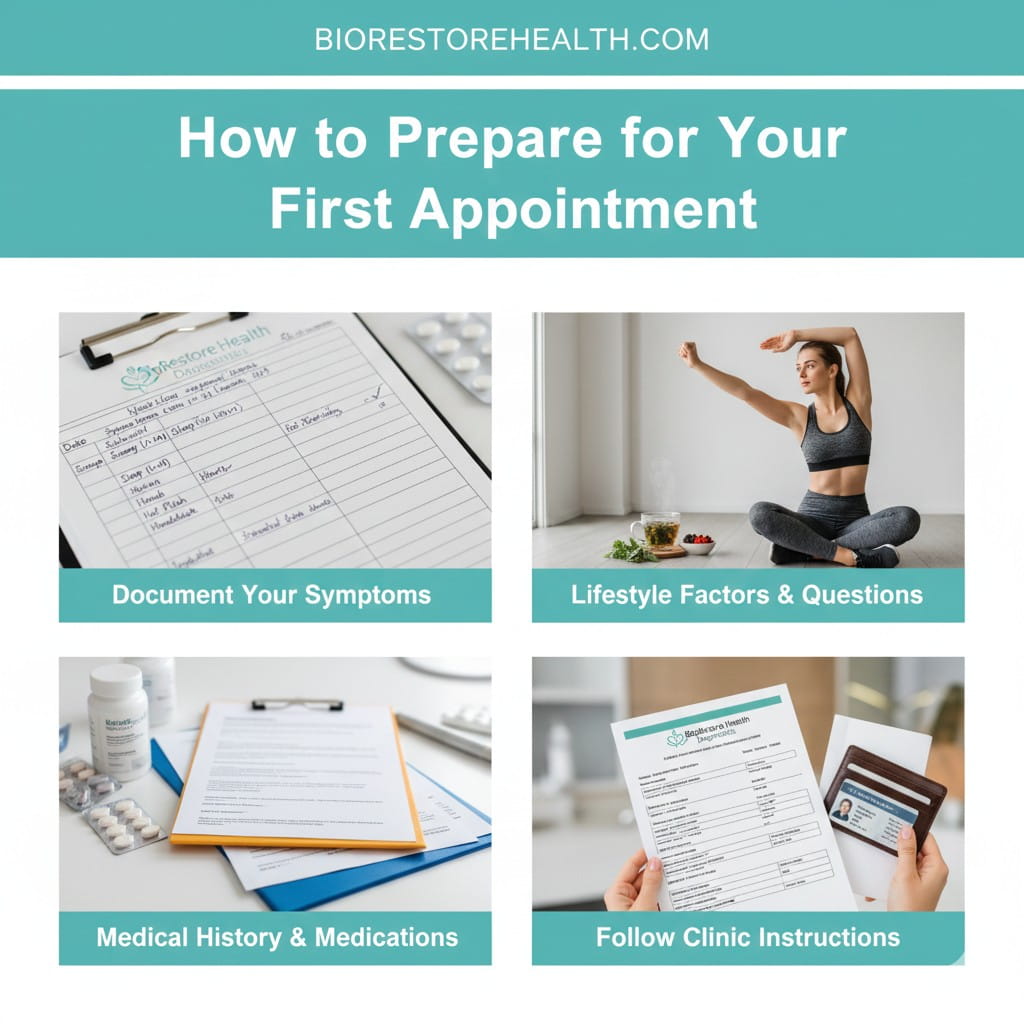
Document Your Symptoms
Start a detailed symptom journal at least two weeks before your appointment. Your female hormone specialist needs to see patterns, not just isolated complaints.
- Track daily: Energy levels (morning, afternoon, evening), sleep quality and duration, mood changes, hot flashes or night sweats, headaches, weight fluctuations, digestive issues, brain fog episodes, and any physical discomfort.
- Rate severity: Use a 1-10 scale for each symptom. This helps identify which issues impact your life most significantly.
- Note patterns: Do symptoms worsen during specific times of the month? After certain foods? During stressful periods? These connections provide crucial diagnostic clues.
- Be specific about timing: Instead of writing “tired all day,” note “energy crash at 2 PM daily, difficulty staying awake during afternoon meetings.” Specificity helps your specialist pinpoint exactly which hormones need adjustment.
Compile Medical History
When searching for “bio identical hormone therapy near me,” remember that your medical history provides the foundation for safe, effective treatment. Create a comprehensive document covering:
- Previous diagnoses: Thyroid disorders, PCOS, endometriosis, diabetes, autoimmune conditions, depression, anxiety, or any chronic illness.
- Surgical history: Especially any reproductive surgeries, hysterectomy, removal of ovaries, or other procedures affecting hormone production.
- Reproductive history: Pregnancies, births, miscarriages, fertility treatments, age at first period, current menstrual status.
- Family medical history: Hormone-related conditions in parents or siblings, thyroid disease, diabetes, heart disease, osteoporosis, and any cancers (particularly breast, ovarian, or uterine).
List Medications and Supplements
Bring a complete, current list including:
- Prescription medications: Names, dosages, how long you’ve taken them, and what conditions they treat. Some medications affect hormone levels or interact with bioidentical hormone therapy.
- Over-the-counter drugs: Regular pain relievers, allergy medications, sleep aids, or antacids.
- All supplements: Vitamins, minerals, herbal supplements, probiotics, protein powders—everything. Many supplements influence hormone production or metabolism.
- Birth control and previous hormone therapy: Current or past use of birth control pills, patches, IUDs, or any previous attempts at hormone replacement therapy and how your body responded.
Note Lifestyle Factors
Your female hormone specialist uses this information to identify lifestyle factors contributing to imbalances and recommend modifications that support your treatment. Be ready to discuss:
- Diet: Typical meals, caffeine intake (how much coffee or energy drinks?), alcohol consumption frequency, sugar and processed food habits, and any food sensitivities.
- Exercise routine: Type, frequency, and intensity of physical activity. Both too much and too little exercise can disrupt hormones.
- Stress levels: Work stress, relationship stress, financial worries, and how you currently manage stress (or don’t).
- Sleep habits: Average hours per night, difficulty falling or staying asleep, wake-up times during the night, screen time before bed.
- Environmental exposures: Work environment, personal care products you use, exposure to chemicals or toxins.
Prepare a List of Questions
Write down everything you want to know. Common questions include:
- Which specific hormones are causing my symptoms?
- Am I a good candidate for bioidentical hormone pellets?
- What are the advantages of pellets versus creams or other methods?
- How long before I notice improvements?
- What does treatment cost and what does insurance cover?
- How often will I need follow-up appointments?
- Are there any risks or side effects I should know about?
- Can I continue my current medications?
Follow Clinic Instructions
When you schedule your appointment, your clinic may provide specific instructions:
- Fasting requirements: Some hormone tests require 8-12 hours of fasting. Clarify what you can and cannot consume beforehand.
- Timing considerations: Certain hormones fluctuate throughout the day or menstrual cycle. Your appointment may need to occur at a specific time for accurate testing.
- Pre-appointment lab work: Some specialists request bloodwork before your first visit so results are available during your consultation.
- What to bring: Photo ID, insurance cards, payment method, your symptom journal, medication list, and any previous lab results.
What Will Happen on Your First Appointment
Your initial consultation with a female hormone specialist typically lasts 60-90 minutes—much longer than standard doctor visits. Understanding what happens removes anxiety and helps you participate actively.
Comprehensive Health Review
Your specialist reviews your symptom documentation and medical history in detail, asking clarifying questions about when symptoms began, how they’ve progressed, and what impacts your quality of life most.
Physical Examination
Depending on protocols, you may undergo vital signs measurement, body composition analysis, thyroid examination, and general physical assessment.
Laboratory Testing Discussion:
If you haven’t completed pre-appointment lab work, your specialist orders comprehensive hormone testing including estradiol, progesterone, testosterone, DHEA, cortisol, thyroid panel, vitamin D, and metabolic markers.
Treatment Options Education:
This is when you learn about bioidentical hormone pellets and alternative delivery methods. Your specialist explains how pellets work—tiny, rice-sized implants inserted under your skin that release hormones consistently for 3-6 months. You’ll also hear about creams, troches, capsules, and injections, with recommendations based on your specific needs.
Initial Treatment Plan
By appointment’s end, you’ll have a clear diagnosis explaining which hormones are imbalanced, a recommended treatment approach tailored to your situation, and a follow-up schedule to monitor progress.
What Happens When You Start Taking Bioidentical Hormones?

Understanding the initial treatment phase helps you navigate the first weeks with realistic expectations. Your female hormone specialist monitors your progress closely during this period, ordering follow-up labs and adjusting dosages as needed to achieve optimal results.
- Days 1-7: Some patients notice subtle improvements in energy, sleep, or mood almost immediately. Others experience no changes yet—both are normal. Your body may need brief adjustment time, potentially causing temporary bloating, mild breast tenderness, or mood fluctuations that resolve within 1-2 weeks.
- Weeks 2-6: Most patients begin noticing meaningful improvements. Energy stabilizes, sleep deepens, mood swings decrease, hot flashes diminish, brain fog lifts, and physical discomfort reduces. This is when many people report “feeling like myself again.”
- Months 2-3: As hormone levels optimize, the full benefits become apparent—sustained energy throughout the day, consistent mental clarity, stable emotional well-being, easier weight management, improved skin quality, and enhanced overall vitality.
How Long Does It Take to Adjust to Bioidentical Hormones?
Several factors influence your adjustment speed: severity of initial imbalance, delivery method chosen (bioidentical hormone pellets provide steady release over months), dosage accuracy, your individual metabolism, lifestyle factors, and treatment compliance.
The adjustment timeline varies by individual, but most patients follow this general pattern:
- Weeks 1-2 (Acclimation): Your body begins recognizing and responding to supplemental hormones. Some experience immediate relief; others need more time.
- Weeks 3-6 (Early benefits): Meaningful improvements emerge. Energy, sleep, mood, and physical symptoms all start improving noticeably.
- Months 2-3 (Optimization): Full benefits manifest as hormone levels stabilize. Subtle improvements like better metabolism, enhanced skin, and improved muscle tone become evident.
- Months 3-6 (Full therapeutic effect): Properly dosed bioidentical hormone therapy reaches maximum potential with consistent symptom relief and enhanced quality of life.
How Long Can a Woman Stay on Bioidentical Hormones?
With proper medical supervision, many women safely continue bio identical hormone therapy near me for years or decades.

- No arbitrary cutoff: There’s no specific age when bioidentical hormones become inappropriate. Your female hormone specialist conducts regular assessments evaluating your overall health, risk factors, and benefits to determine if continued treatment remains appropriate.
- Typical duration: Women often continue treatment for 5-10 years for menopausal symptom relief, or indefinitely for ongoing quality-of-life benefits including maintained bone density, cognitive protection, cardiovascular support, preserved skin quality, metabolic support, and sustained sexual health.
- Regular monitoring ensures safety: Ongoing treatment includes follow-up appointments every 3-6 months, annual comprehensive lab work, regular symptom reviews, and periodic risk reassessment.
When Is It Too Late to Start Bioidentical Hormones?

Good news: it’s rarely “too late” to benefit from bioidentical hormone therapy.
- No age limit: Rather than chronological age, specialists consider overall health status, individual risk factors, and potential benefits. Women beyond 65 years old often experience significant improvements from BHRT.
- The “window of opportunity”: Research suggests starting within 10 years of menopause or before age 60 may offer maximum cardiovascular and cognitive benefits. However, women outside this window still benefit tremendously—relief from persistent symptoms, better sleep, improved mood, enhanced cognitive function, better bone density, and increased vitality.
- Individual assessment matters: Your female hormone specialist determines suitability based on current health status, symptom burden, risk factors, and potential benefits versus risks. Even in older women, improved quality of life often outweighs potential risks with proper monitoring.
Frequently Asked Questions (FAQs)
Do I need a referral to see a female hormone specialist for BHRT?
Most female hormone specialists, including those at BioRestore, don’t require referrals and accept self-referred patients. However, check with your insurance provider, as some plans may require referrals for coverage. You can typically schedule directly when searching for “bio identical hormone therapy near me.”
Can men benefit from bioidentical hormone therapy, or is it only for women?
Yes, men also benefit from bioidentical hormone therapy for testosterone optimization, improving energy, muscle mass, and mental clarity. However, men typically work with male hormone specialists rather than a female hormone specialist.
Will I gain weight when I start bioidentical hormone pellets?
No, most patients find weight management easier after starting bioidentical hormone pellets. You may experience brief water retention during the first 1-2 weeks, but balanced hormones typically improve metabolism and reduce cravings.
Can I stop bioidentical hormone therapy cold turkey if I don’t like it?
While possible, abruptly stopping bio identical hormone therapy near me isn’t recommended. Your female hormone specialist will guide you through gradual tapering to minimize symptom return and help your body readjust safely.
Are bioidentical hormones safer than synthetic hormone replacement therapy?
Many believe bioidentical hormones offer safety advantages since they’re molecularly identical to your body’s natural hormones. Your female hormone specialist will evaluate your individual health profile to determine the safest approach, whether bioidentical hormone pellets, creams, or other methods.
Start Your Journey to Hormonal Balance Today
You now have everything you need to prepare for a successful first appointment. The only question remaining: when will you take action?
At BioRestore in Connecticut, our experienced team specializes in comprehensive bioidentical hormone therapy tailored to your unique needs.
Stop searching for “bio identical hormone therapy near me” and start your transformation. Visit us today!
SOURCE:
Withe, M. (2024, April 5). HRT: How long does it take to work? Medical News Today. https://www.medicalnewstoday.com/articles/how-long-does-hrt-take-to-work
The Menopause Society. (2024, April 10). Women aged older than 65 years may be able to safely continue taking hormone therapy: New study suggests the benefits and risks differ greatly depending on type, route, and dose prescribed. https://menopause.org/press-releases/women-aged-older-than-65-years-may-be-able-to-safely-continue-taking-hormone-therapy