Medically Reviewed by:Dr. Matthew Stanizzi, MDBoard-Certified Urologist | Medical Director, BioRestore Health 12+ Years in Clinical Urology Last Updated: January 28, 2026 |
Microneedling has gained significant popularity as a hair restoration treatment offered by many hair clinics. This minimally invasive procedure stimulates natural hair growth by encouraging hair follicles to regenerate. However, the process doesn’t end once the microneedling session is complete. The aftercare you follow is just as crucial to ensure the treatment’s success and prevent any complications.
Here are the nine essential tips from hair clinic professionals in Connecticut to help you achieve the best possible results from your microneedling treatment.
Table of Contents
Key Takeaways
Why Aftercare is Crucial for Microneedling Success
9 Microneedling Aftercare Tips from Hair Clinic Experts
- Delay Washing Your Hair
- Protect Your Scalp from Sun Exposure
- Avoid Heat and Hot Showers
- Keep Your Scalp Clean Without Harsh Products
- Keep Your Scalp Moisturized
- Limit Physical Activity and Exercise
- Stay Away from Swimming Pools
- Avoid Hair Treatments with Chemicals
- Support Your Recovery with a Healthy Diet
What to Expect After Microneedling
How to Choose the Right Hair Clinic for Microneedling
Frequently Asked Questions
Unlock Thicker, Healthier Hair – Schedule Your Consultation with BioRestore Today!
| Key Takeaways ✔ Proper aftercare is crucial for optimizing microneedling results and preventing infections or irritation. ✔ Wait at least 24-48 hours before washing your hair to allow the scalp to heal. ✔ Use a hat or sunscreen to shield your sensitive scalp from UV rays post-treatment. ✔ Skip hot showers, saunas, and high heat hairdryers to reduce scalp irritation and swelling. ✔ Stick to mild, sulfate-free shampoos and avoid harsh styling products to aid recovery. ✔ Keep the scalp hydrated with lightweight, non-greasy moisturizers recommended by your hair clinic. ✔ Avoid strenuous exercise to prevent sweating, which can irritate the healing scalp. ✔ Select a hair clinic with experienced professionals, personalized treatment plans, and post-care support for optimal results. |
Why Aftercare is Crucial for Microneedling Success
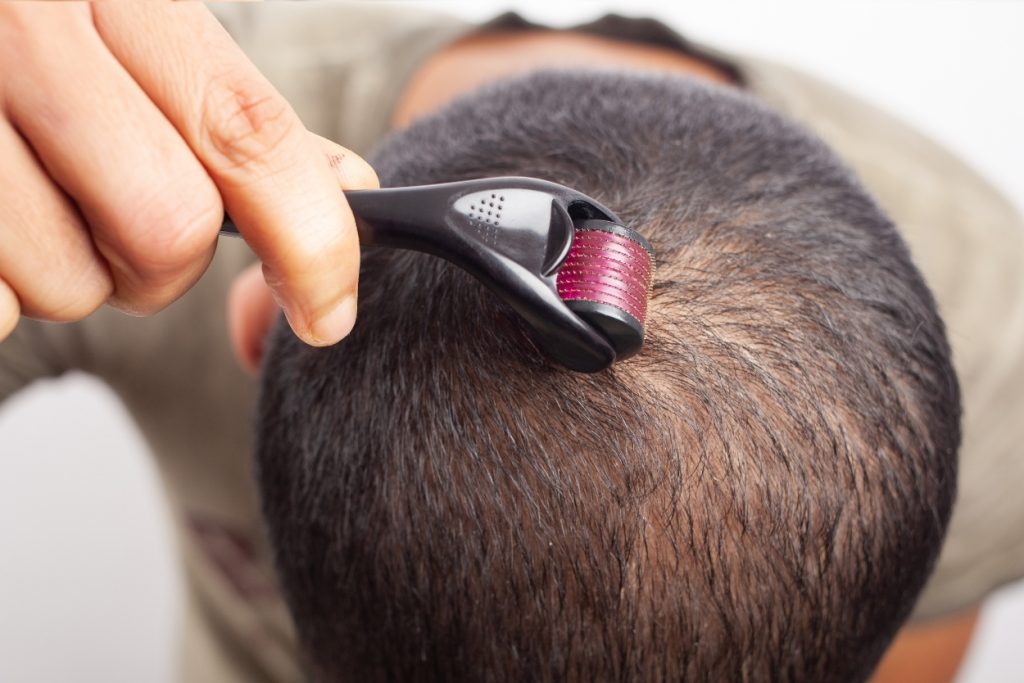
Microneedling stimulates blood flow and activates the body’s natural repair mechanisms. Combining microneedling with 5% topical minoxidil significantly increases total hair count compared to either treatment alone, making it an even more powerful option for those seeking effective hair restoration.
However, while the treatment initiates this regenerative process, the care you take afterward is crucial to ensuring these results materialize fully. Following the right aftercare steps will not only prevent infections but also reduce inflammation and enhance hair growth. Neglecting aftercare could interfere with the recovery process and reduce the effectiveness of the microneedling treatment.
9 Microneedling Aftercare Tips from Hair Clinic Experts
1. Delay Washing Your Hair
Washing your hair immediately after microneedling can disrupt the healing process. The tiny punctures created by microneedling need time to close and heal.
Washing too soon may not only wash away the beneficial serums applied by the hair clinic during the treatment but could also irritate the sensitive scalp and hinder hair growth. It’s recommended to wait at least 24-48 hours after the microneedling treatment before washing your hair.
When you do wash, use a gentle, sulfate-free shampoo. Avoid using harsh shampoos or products with strong fragrances, as these can further irritate the scalp.
2. Protect Your Scalp from Sun Exposure
Your scalp will be particularly sensitive following a microneedling session at a hair clinic. The skin is vulnerable to damage from UV rays, and direct sun exposure can cause redness, irritation, and even hinder the healing process. Even after the initial healing period, it’s wise to protect your scalp from prolonged sun exposure to maintain the health of your scalp and newly regenerated hair.
- How to Protect Your Scalp: If you’re going outdoors, wear a hat or use a scarf to cover your scalp, especially in the first few days after treatment. This helps minimize irritation caused by the sun.
- Use Sunscreen if Necessary: Some hair clinic near me specialists may recommend a scalp-specific sunscreen, particularly if your scalp will be exposed for extended periods.
3. Avoid Heat and Hot Showers
Hair clinic professionals warn against exposing your scalp to excessive heat after microneedling. Heat can increase inflammation, cause irritation, and delay healing. Hot showers, hairdryers, and even saunas can aggravate the scalp, leading to unnecessary discomfort.
- What to Avoid: Avoid using hairdryers on high heat, taking hot showers, or going to saunas for at least 48-72 hours after the procedure.
- How to Adjust: If you must wash your hair, opt for lukewarm water, and if using a hairdryer, set it to the lowest temperature setting or allow your hair to air-dry. This precaution helps reduce the risk of swelling and allows the scalp to recover without added stress.
4. Keep Your Scalp Clean Without Harsh Products
Maintaining a clean scalp is vital for the success of your microneedling treatment. However, not all cleaning methods are suitable immediately after your procedure. Many commercial shampoos contain harsh chemicals that can irritate the scalp and disrupt the healing process.
- What Products to Avoid: Stay away from products containing sulfates, alcohol, or fragrances. These can dry out the scalp and may lead to irritation. Additionally, avoid using styling products such as gels, hair sprays, or waxes for at least a week. These can clog pores and slow down the healing process, preventing the scalp from fully recovering.
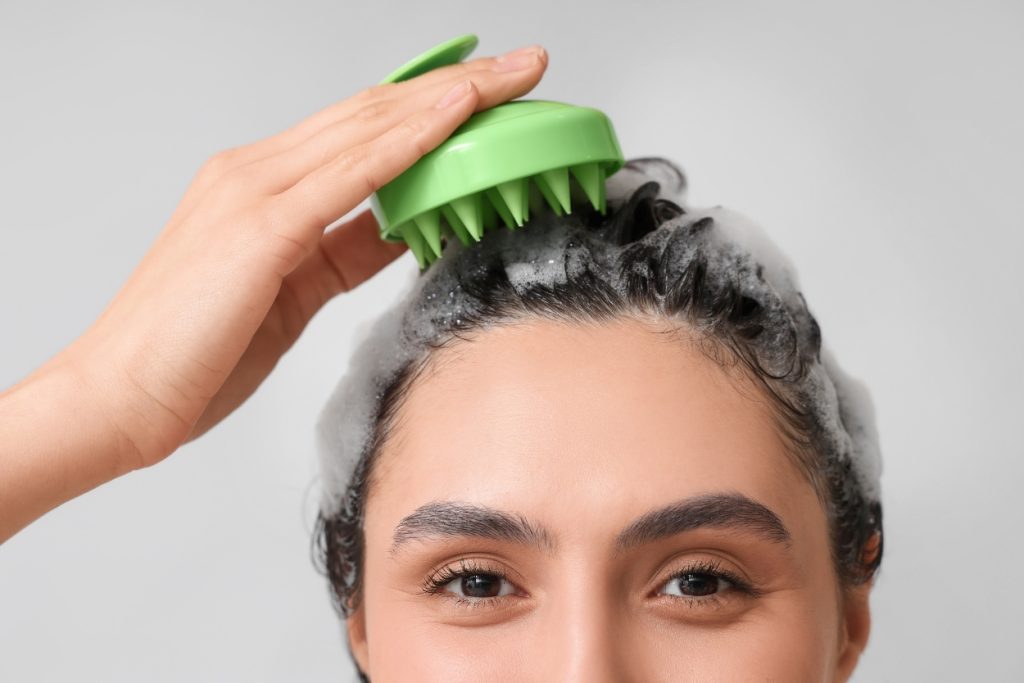
- What to Use: Instead, use mild, fragrance-free, sulfate-free shampoos. Many hair clinics recommend specially formulated post-treatment shampoos designed for sensitive scalps.
5. Keep Your Scalp Moisturized
Microneedling can sometimes leave the scalp feeling dry and flaky as it heals. Keeping your scalp hydrated is essential to ensure a smooth recovery and to nourish the newly stimulated hair follicles. However, the type of moisturizer you use is just as important as the act of moisturizing itself.
- Moisturizers to Use: Use lightweight, non-greasy moisturizers or serums designed for sensitive or healing scalps. Your hair clinic may provide or recommend products specifically formulated for post-microneedling care.
- What to Avoid: Avoid using heavy creams or oils that may clog the tiny punctures made during microneedling. Always consult your hair clinic near me to get product recommendations that best suit your scalp condition.
6. Limit Physical Activity and Exercise
Sweating can irritate your scalp post-microneedling, so it’s essential to avoid strenuous physical activities that can cause excessive sweating. Sweat can cause bacteria to build up on the scalp, increasing the risk of infection and inflammation.
- When to Avoid Exercise: Refrain from high-intensity workouts, gym sessions, or outdoor sports for at least 48-72 hours after treatment. Allowing your scalp to remain dry and clean in the early days after microneedling ensures that it can heal quickly and without complications.
- Alternatives: If you want to stay active, consider low-impact exercises like walking, stretching, or yoga that won’t cause you to sweat excessively.
7. Stay Away from Swimming Pools
Swimming pools, hot tubs, and natural bodies of water such as lakes and oceans should be avoided after microneedling. The chemicals in pools, such as chlorine, can irritate the scalp and interfere with the healing process.
- Why Avoid Swimming: Chlorinated water can dry out the scalp, aggravating the puncture wounds created during microneedling. Natural bodies of water may also contain bacteria that could lead to infection.
- How Long to Avoid: Stay away from swimming for at least one week post-treatment, or longer if advised by your hair clinic. This precaution will help your scalp recover in a safe, clean environment and prevent potential setbacks.
8. Avoid Hair Treatments with Chemicals
Chemical treatments such as hair coloring, perming, or chemical straightening should be avoided for a few weeks after microneedling. The scalp is more sensitive during the healing process, and applying harsh chemicals can slow recovery and damage the newly forming hair.
- What to Avoid: Postpone any salon treatments that involve chemicals, including hair dye, perms, or chemical relaxers.
- What to Do: Hair clinic professionals typically recommend waiting 4-6 weeks after microneedling before resuming any chemical treatments. This gives your scalp enough time to heal and for the hair follicles to regenerate fully.
9. Support Your Recovery with a Healthy Diet
Nutrition plays a significant role in the recovery process following microneedling. A balanced, nutrient-rich diet supports your body’s ability to heal and promotes hair growth from within. Hair clinic experts often emphasize the importance of consuming the right vitamins and minerals.
- Key Nutrients: Foods rich in omega-3 fatty acids, vitamins A, C, D, and E, biotin, and protein are particularly beneficial for hair growth. A well-rounded diet not only speeds up recovery but also strengthens your hair, helping you achieve the best results from your microneedling treatment.
- Recommended Foods: Include fatty fish, leafy greens, nuts, seeds, eggs, and berries in your diet to provide the essential nutrients needed for hair restoration.
What to Expect After Microneedling
After a microneedling session at a hair clinic, it’s common to experience some mild side effects. These are typical responses to the procedure and a sign that the body’s natural healing process is underway. Here are some common post-treatment effects and what to expect during the recovery period:
- Redness and Swelling: Directly after the treatment, you may notice that your scalp is red and slightly swollen. This is due to the tiny punctures created during microneedling, which temporarily inflame the skin. This redness should subside within 24 to 48 hours, though it might last a bit longer if you have sensitive skin.
- Tenderness or Soreness: The scalp may feel tender or sore to the touch. This sensitivity usually diminishes after a day or two as the scalp begins to heal. Hair clinic experts advise avoiding touching or scratching your scalp during this period to prevent irritation.
- Tingling or Itching: Some patients report a tingling or itching sensation as the skin begins to heal. This is a normal response and is a sign that the scalp is regenerating new skin cells and healing. Avoid the temptation to scratch, as this could disrupt the healing process and cause further irritation.
- Slight Dryness or Flakiness: As the skin repairs itself, it’s not unusual for the scalp to become slightly dry or flaky. This is the skin’s natural exfoliation process as dead cells are replaced with new, healthier ones. Using a gentle moisturizer or following your hair clinic’s aftercare recommendations can help alleviate this.
How to Choose the Right Hair Clinic for Microneedling
The success of your treatment depends largely on the expertise of the clinic and the quality of the services they provide. With the global scalp microneedling market valued projected to reach $336.3 million by 2030, it’s clear that this treatment is becoming increasingly popular for hair restoration. Here are a few tips to help you find the best hair clinic near me for microneedling:
- Look for Experienced Specialists
Ensure the hair clinic employs certified professionals who specialize in microneedling for hair restoration. The more experience the specialists have, the better equipped they are to handle individual cases, providing personalized care that meets your unique needs.
- Check the Clinic’s Reputation
Read reviews and testimonials from other clients to get a sense of the clinic’s success rates and customer satisfaction. Word of mouth and online reviews can give you insights into the experiences of others, helping you assess the reliability and professionalism of the hair clinic.
- Inquire About the Equipment and Techniques
Make sure the clinic uses the latest microneedling technology and follows industry best practices to ensure you get the best possible results. Advanced equipment is designed to be more efficient and comfortable, which enhances the overall success of the treatment.
- Schedule a Consultation
Meet with the hair clinic staff to discuss your hair loss concerns and ask about their approach to microneedling. This is also a great time to inquire about aftercare support. A reputable clinic should be able to clearly explain their treatment plans and answer any questions you may have.
- Ask About Personalized Treatment Plans
Every individual’s hair loss condition is different, so it’s essential that the hair clinic offers customized treatment plans rather than a one-size-fits-all approach. Ask if they assess your specific needs, including hair type, scalp condition, and degree of hair loss, before recommending a microneedling regimen.
- Ensure Post-Treatment Follow-Up and Support
A good hair clinic will not only perform the microneedling treatment but also offer ongoing follow-up appointments to monitor your progress. Ask whether the clinic provides support after each session to ensure you’re on track and adjusting your treatment if necessary. This continuous support is crucial for achieving long-term results.
- Consider the Cost and Payment Options
Microneedling for hair restoration can be an investment, so it’s important to understand the cost upfront. Ask the hair clinic near me for detailed pricing and whether they offer payment plans or financing options. Some clinics may also offer package deals for multiple sessions, which can make treatments more affordable.
- Check for Additional Services or Complementary Treatments
Many hair clinics combine microneedling with other treatments like Platelet-Rich Plasma (PRP) therapy or specialized scalp treatments to enhance results. Inquire about the clinic’s range of services to see if they offer complementary treatments that could further boost your hair growth.
Frequently Asked Questions
How long does a microneedling session at a hair clinic take?
A typical microneedling session at a hair clinic takes about 30 to 60 minutes, depending on the size of the area being treated. The session includes preparation, where the scalp is cleansed and numbed, followed by the actual microneedling procedure. Your hair clinic specialist will also apply any post-treatment serums to maximize results.
Is microneedling at a hair clinic painful?
Microneedling at a hair clinic is generally not painful, thanks to the application of a topical numbing cream before the procedure. Patients may feel mild discomfort or tingling, but it’s usually tolerable. After the treatment, there may be slight tenderness or redness, which typically subsides within a day or two.
How often should I get microneedling at a hair clinic?
Most hair clinics recommend microneedling treatments every 4 to 6 weeks, depending on your scalp’s condition and the severity of hair loss. This spacing allows the scalp to heal properly between sessions while ensuring consistent stimulation of hair follicles. Your clinic specialist will create a customized treatment schedule based on your progress.
Can microneedling at a hair clinic help with hair thinning?
Yes, microneedling is an effective treatment for hair thinning, as it stimulates hair follicles and promotes increased blood circulation to the scalp. Over time, this can help produce thicker, healthier hair in areas where thinning has occurred. Regular sessions at a hair clinic can significantly improve hair density and slow further thinning.
What should I expect during a microneedling consultation at a hair clinic?
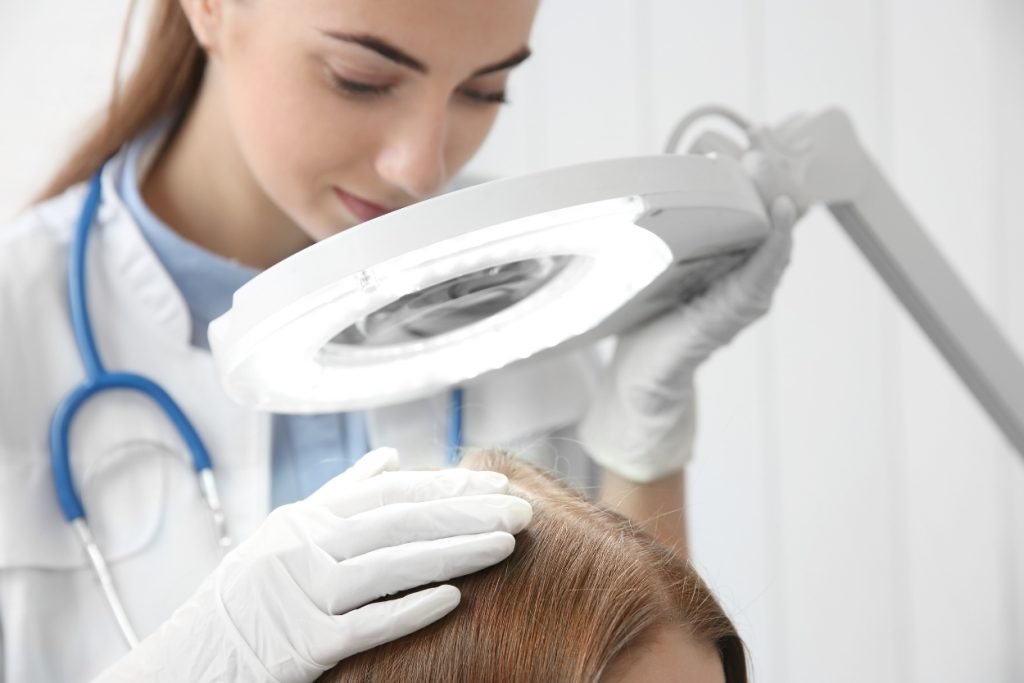
During a microneedling consultation, the hair clinic specialist will assess your hair loss, examine your scalp, and discuss your goals for treatment. They’ll explain the microneedling process in detail, including how it works and the expected outcomes. Based on this evaluation, they’ll recommend a personalized treatment plan tailored to your specific needs.
Unlock Thicker, Healthier Hair – Schedule Your Consultation with BioRestore Today!
If you’re in Connecticut and looking for an effective hair restoration solution, BioRestore is here to help. With expert specialists in microneedling and personalized treatments, BioRestore provides tailored care to meet your hair regrowth needs. Work with BioRestore and take the first step toward healthier, thicker hair. Visit us in Connecticut now for expert microneedling treatments designed just for you!