
Table of Contents
- What Is Different About Their Formulas and Approved Uses?
- What Does the Evidence Say About Onset, Duration, and Results?
- What Affects the Cost of Xeomin and Botox?
- What Risks and Boxed Warnings Come With Both Products?
- Who May Be a Good Candidate, and Who Should Wait?
- What Can Neither Product Do for Menopause-Related Skin Changes?
- How Do You Choose Between Xeomin and Botox Step by Step?
- Frequently Asked Questions
- Bottom Line
Xeomin® vs. Botox® is less a question of which product is stronger and more a question of which one fits your goals, your anatomy, and your health history. Both are FDA-approved botulinum toxin type A products that may temporarily soften moderate to severe expression lines in adults by relaxing the muscles that create them. They share a mechanism, a similar treatment process, and a similar general timeline.
What separates them is formulation, approved treatment areas, and often price. Because these are prescription injectables, the safest decision is one made with a clinician who has reviewed your history. This guide covers what the evidence supports, where it is still limited, and what to ask before you book.
Key Takeaways
- Both products are botulinum toxin type A treatments that may temporarily soften expression lines in appropriate adult candidates.
- Xeomin does not contain the complexing proteins found in Botox, but the practical effect of that difference has not been firmly established.
- Both are FDA-labeled for frown, forehead, and crow’s feet lines, while Botox Cosmetic is also labeled for platysma (neck) bands.
- Results are temporary and vary by person, and both products carry the same class boxed warning.
- Cost depends on units, injector, and location, so a written estimate is more useful than a per-unit price.
What Is Different About Their Formulas and Approved Uses?
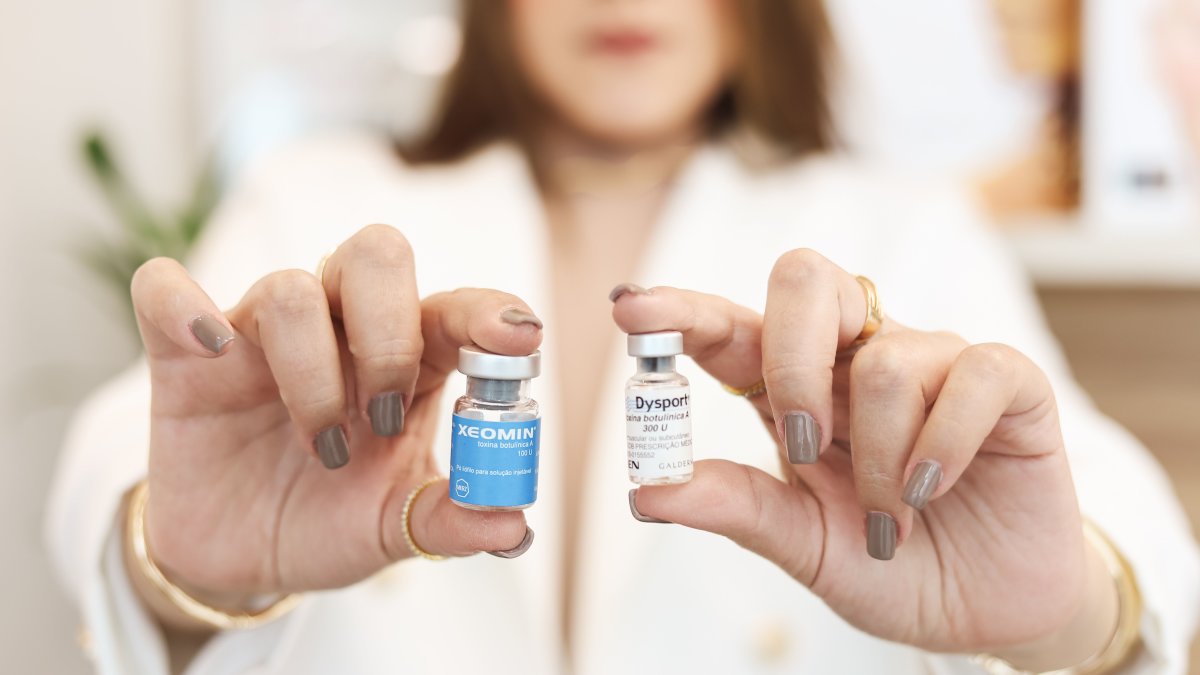
The main formulation difference is that Xeomin contains purified botulinum toxin type A without accessory complexing proteins, while Botox Cosmetic contains botulinum toxin type A associated with complexing proteins.
Botox Cosmetic (onabotulinumtoxinA) and Xeomin (incobotulinumtoxinA) both inhibit acetylcholine release at the neuromuscular junction, temporarily reducing the activity of targeted muscles.
Pharmacology reviews describe incobotulinumtoxinA as a 150 kDa botulinum neurotoxin without accessory complexing proteins. OnabotulinumtoxinA, the active neurotoxin in Botox Cosmetic, is also approximately 150 kDa, but its formulation includes associated complexing proteins. Although this formulation difference is established, whether it produces meaningful differences in safety, effectiveness, or long-term outcomes for most cosmetic patients remains uncertain.
Both products also contain human albumin as an inactive ingredient. Xeomin's FDA prescribing information lists human albumin and sucrose, while Botox Cosmetic contains human albumin and sodium chloride. Patients with a known hypersensitivity to a product's ingredients should not receive that product. Disclose any previous allergic reactions to medications or injectable treatments before undergoing either procedure.
Approved aesthetic areas also differ slightly. Xeomin is labeled for moderate to severe upper facial lines in adults: frown lines, horizontal forehead lines, and crow's feet. Botox Cosmetic covers those same areas and gained a fourth indication, platysma bands, in October 2024, according to its prescribing information.
|
Feature |
Xeomin (incobotulinumtoxinA) |
Botox Cosmetic (onabotulinumtoxinA) |
|
Complexing proteins |
Not present |
Present |
|
Aesthetic areas on FDA label |
Frown lines, forehead lines, crow's feet |
Frown lines, forehead lines, crow's feet, platysma bands |
|
Typical onset |
Initial results may appear within days; full effects are generally assessed around two weeks |
Initial results may appear within days; full effects are generally assessed around two weeks |
|
Typical duration |
Commonly around three to four months, although individual results vary |
Commonly around three to four months, although individual results vary |
|
Per-unit pricing |
Often similar or slightly lower |
Often similar or slightly higher |
|
Labeled age group |
Adults |
Adults |
What Does the Evidence Say About Onset, Duration, and Results?
Xeomin vs. Botox research is thinner than most marketing suggests, and the head-to-head data that exists is limited to specific areas and small samples.
One randomized, double-blind study involving glabellar (frown) lines found that incobotulinumtoxinA produced an earlier onset of effect than onabotulinumtoxinA in female participants, with average onset times of approximately three versus five days. The study also reported a longer duration of effect with incobotulinumtoxinA.
However, these findings came from a single trial involving one treatment area and specific study doses, so they should not be generalized to every cosmetic treatment. A separate pharmacology review describes comparable efficacy and safety in studies evaluating the products at a 1:1 dose ratio, although their potency units are not officially interchangeable.
Real-world results depend on technique, dosage, muscle strength, and individual response. Most patients see changes within days, with full results appearing around two weeks before gradually fading. Because neurotoxin efficacy is well-established, avoid comparing its pricing directly to the costs of emerging regenerative therapies.
What Affects the Cost of Xeomin and Botox?
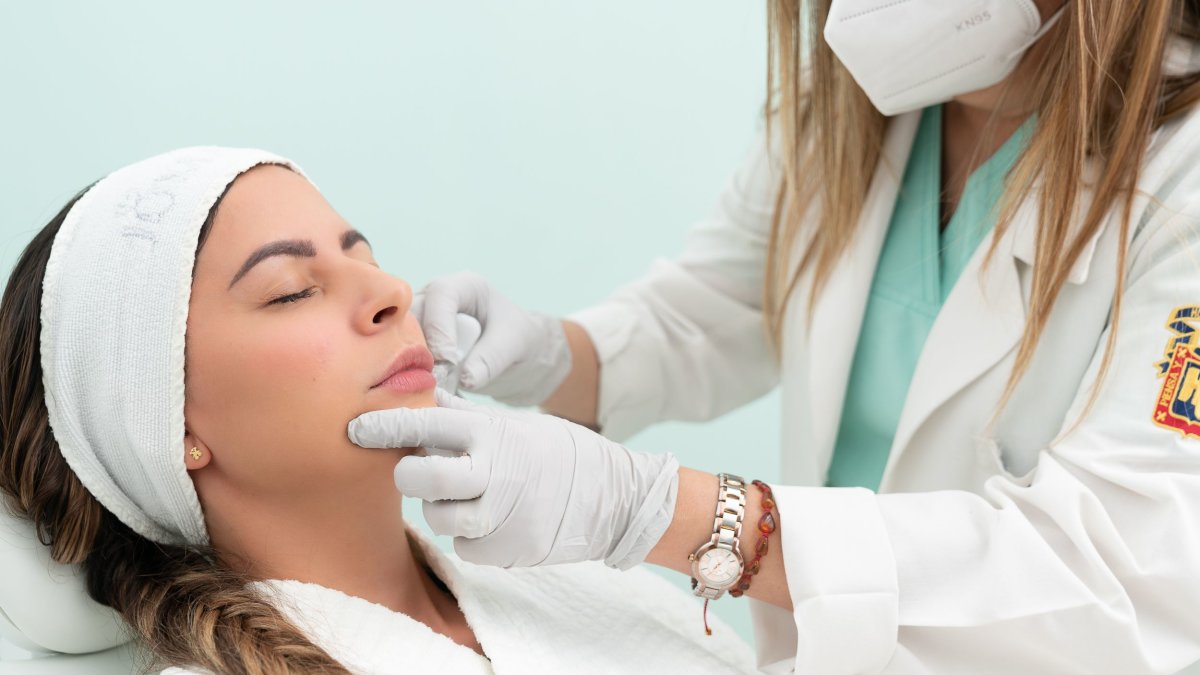
Cost depends more on how many units you need, who injects, and where you are treated than on the brand name.
Both products are typically priced per unit, a different model from PRP injection costs, which are often quoted per session. A published comparison of FDA-approved botulinum toxin formulations lists overlapping per-unit ranges in the United States, with Xeomin generally similar to or slightly below Botox. Published figures lag current market pricing, so treat any range as a rough guide rather than a quote.
Factors that shape your total include:
- The number of treatment areas
- The units required for your muscle strength and goals
- The injector's training and the level of physician oversight
- The practice's location and overhead
- How often you return for maintenance
Unusually low prices deserve a question about product sourcing and who is performing the injection. Practices that offer injectable toxins and fillers under physician supervision can map your treatment areas during a consultation and provide an itemized estimate, which makes cost comparisons far more reliable than per-unit advertising.
What Risks and Boxed Warnings Come With Both Products?
Both products carry the same boxed warning about distant spread of toxin effect, and the warning applies to the whole class of botulinum toxins.
According to the Xeomin prescribing information, botulinum toxin effects can spread beyond the injection site, potentially causing generalized muscle weakness, vision changes, difficulty speaking or swallowing, and breathing problems. These symptoms may appear hours to weeks after treatment and can be life-threatening. The Botox Cosmetic label states that no definitive serious adverse events involving distant toxin spread have been reported with certain labeled dermatologic doses.
Although serious complications appear uncommon with approved cosmetic dosing, both products carry an FDA boxed warning. Seek immediate medical attention if swallowing, speech, or breathing difficulties occur after treatment.
Who May Be a Good Candidate, and Who Should Wait?
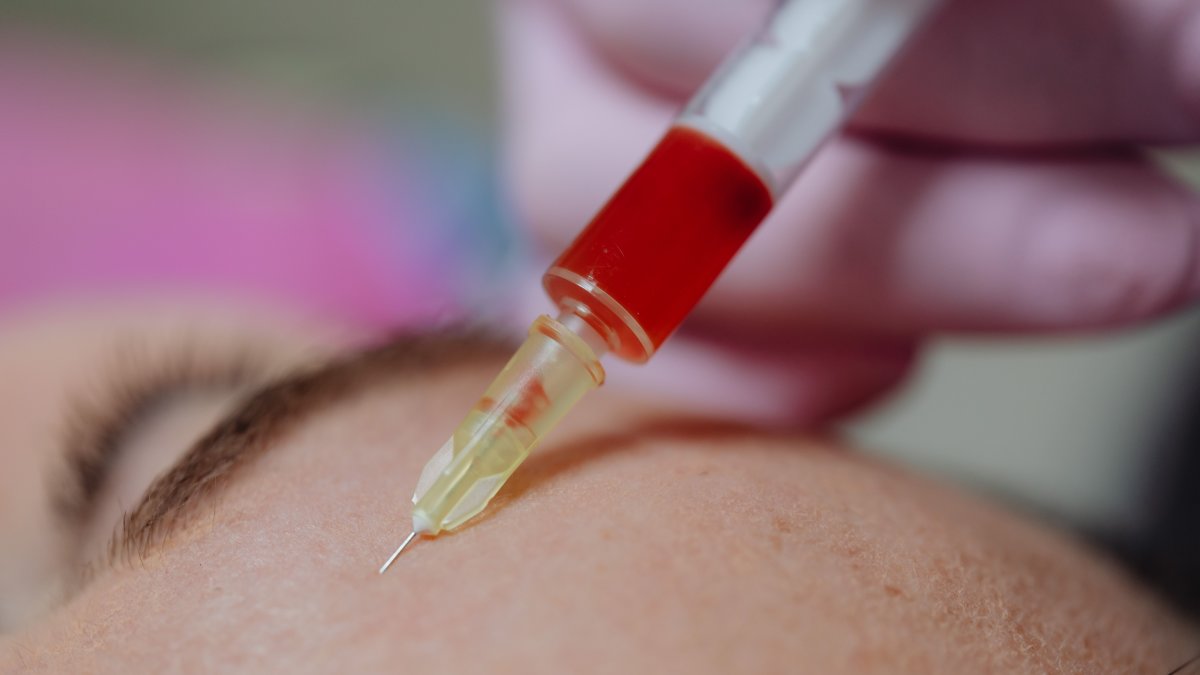
Adults with moderate to severe dynamic lines who are in stable health and screened by a clinician may be appropriate candidates. Treatment should be avoided or evaluated with additional caution in the following circumstances:
- Known hypersensitivity: A known allergy to the product’s botulinum toxin or ingredients is a contraindication. A history of certain reactions to other botulinum toxin products also requires careful evaluation.
- Infection at the injection site: An active infection at a proposed injection site is a contraindication. Other skin conditions in the treatment area may require assessment before proceeding.
- Neuromuscular disorders: Conditions such as myasthenia gravis or Lambert-Eaton syndrome may increase the risk of significant muscle weakness, swallowing difficulties, or breathing complications.
- Potential drug interactions: Aminoglycoside antibiotics, muscle relaxants, anticholinergics, and other medications affecting neuromuscular transmission may increase certain treatment risks.
A thorough screening visit should address your medical history, current medications, previous treatment reactions, and relevant health conditions. Mention supplements too, including testosterone boosters, since non-prescription products can still matter to your clinician.
What Can Neither Product Do for Menopause-Related Skin Changes?
Dermatology research has examined menopause-related changes in skin hydration, elasticity, thickness, and collagen content. Addressing these concerns may involve skincare and procedures targeting volume or texture. Hormone therapy decisions, including when to stop HRT, should be made with a qualified prescriber based on established medical indications, individual risks, and potential benefits, rather than solely for cosmetic skin improvement.
How Do You Choose Between Xeomin and Botox Step by Step?
Choose by starting with your goals, then letting a physician-supervised evaluation guide the product and dose.
- Define your goals. List the areas that bother you, such as frown lines, forehead lines, crow’s feet, or neck bands. If your main concern is thinning hair rather than lines, say so early, since that calls for a different evaluation.
- Confirm who will inject. Ask about the injector’s credentials, the level of physician oversight, and where the product is sourced.
- Share your full history. Bring your medication list, past reactions, and health conditions.
- Ask product-specific questions. Ask why a particular product suits your treatment areas, how many units are planned, what maintenance looks like, and what the total cost will be in writing.
- Follow aftercare instructions. Post-procedure recommendations are largely based on clinical experience rather than strong trial evidence, so follow your provider’s guidance. Contact your provider promptly, or seek emergency care, for trouble swallowing or breathing, vision changes, or widespread weakness.
- Schedule a follow-up. A check-in around the two-week mark lets your clinician assess the full effect and plan any adjustments.
Frequently Asked Questions
Can I switch between Xeomin and Botox?
Switching between Xeomin and Botox may be an option for some patients, depending on their treatment history and individual response. However, the products’ dosing units are not officially interchangeable. A qualified clinician should review your previous results, medical history, and any side effects before recommending a change. Switching does not guarantee better results.
Does insurance cover Xeomin or Botox for cosmetic use?
Health insurance generally does not cover Xeomin or Botox when used for cosmetic purposes, such as reducing facial wrinkles. Coverage may be available for certain medically necessary treatments, depending on your diagnosis, insurance policy, and eligibility requirements. Costs for other elective services, like IV therapy in Connecticut, are also typically set by each practice, so confirm pricing upfront. Contact your insurance provider to confirm your specific benefits before scheduling treatment.
Can Xeomin or Botox be used during pregnancy or breastfeeding?
Adequate human safety data are lacking for Xeomin and Botox Cosmetic during pregnancy, and the Xeomin prescribing information notes potential fetal harm based on animal studies. Information about the presence of these products in human breast milk and their effects on breastfed infants is also limited. Elective cosmetic injections are generally postponed during pregnancy because their potential risks are not fully understood. If you are pregnant, planning pregnancy, or breastfeeding, consult your healthcare provider to discuss the risks and uncertainties before considering treatment.
Can Xeomin or Botox stop working after repeated treatments?
Some patients may notice a reduced response after repeated treatments, although this does not necessarily mean the product has stopped working. Factors such as muscle activity, dosing, injection technique, and, less commonly, neutralizing antibodies may influence results. A qualified clinician can assess possible causes and determine whether changes to your treatment plan are appropriate.
How long should I wait between Xeomin or Botox treatments?
Xeomin’s FDA prescribing information specifies that retreatment should occur no more frequently than every three months. Your clinician should determine when another session is appropriate based on your treatment area, response, and medical history. Avoid scheduling additional injections without professional guidance.
Bottom Line
Xeomin vs. Botox is a close comparison. Both may temporarily soften dynamic lines, both carry the same class warning, and the practical differences come down to formulation, approved treatment areas, and cost. The better fit depends on your goals, your anatomy, and your health history, not on a universal winner.
BioRestore offers consultations for injectable treatments in Connecticut. During your consultation, a qualified healthcare professional can review your medical history, explain the potential benefits and risks of Xeomin and Botox Cosmetic, assess treatment suitability, and discuss expected costs before you decide whether to proceed.
Disclaimer: This content is for informational purposes only and does not constitute medical advice. It is not intended to diagnose, treat, cure, or prevent any condition or disease. Please consult with a qualified healthcare provider before beginning any treatment program. Individual results may vary. Botulinum toxin treatments are prescription medical procedures that require proper evaluation and physician supervision, and results are temporary.
Sources:
Prager, W. (2013). Differential characteristics of incobotulinumtoxinA and its use in the management of glabellar frown lines. Clinical Pharmacology: Advances and Applications, 5, 39–52. https://doi.org/10.2147/CPAA.S37582
Merz Pharmaceuticals, LLC. (2026). Xeomin (incobotulinumtoxinA) for injection: Prescribing information. U.S. Food and Drug Administration. https://www.accessdata.fda.gov/drugsatfda_docs/label/2026/125360s108lbl.pdf
AbbVie Inc. (2024). BOTOX Cosmetic (onabotulinumtoxinA) for injection: Prescribing information. https://www.rxabbvie.com/pdf/botox-cosmetic_pi.pdf
Rappl, T., Parvizi, D., Friedl, H., Wiedner, M., May, S., Kranzelbinder, B., Wurzer, P., & Hellbom, B. (2013). Onset and duration of effect of incobotulinumtoxinA, onabotulinumtoxinA, and abobotulinumtoxinA in the treatment of glabellar frown lines: A randomized, double-blind study. Clinical, Cosmetic and Investigational Dermatology, 6, 211–219. https://doi.org/10.2147/CCID.S41537
Bach, K., & Simman, R. (2022). The Multispecialty Toxin: A Literature Review of Botulinum Toxin. Plastic and reconstructive surgery. Global open, 10(4), e4228. https://doi.org/10.1097/GOX.0000000000004228
Viscomi, B., Muniz, M., & Sattler, S. (2025). Managing menopausal skin changes: A narrative review of skin quality changes, their aesthetic impact, and the actual role of hormone replacement therapy in improvement. Journal of Cosmetic Dermatology, 24, e70393. https://doi.org/10.1111/jocd.70393
Related Posts