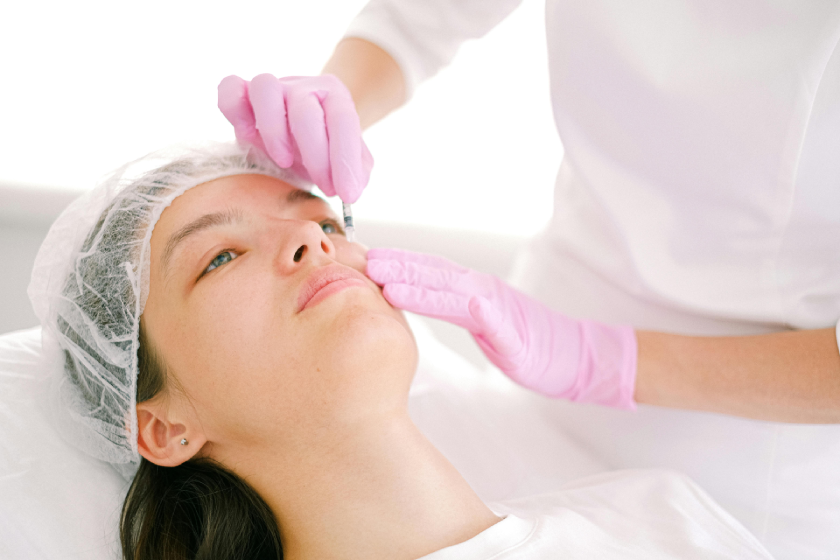
Skin rejuvenation has come a long way, and one of the most talked-about treatments today is PRP—short for platelet-rich plasma. This natural method uses a person’s own blood to help refresh the skin, reduce fine lines, and improve overall texture and tone. Unlike other cosmetic procedures, PRP focuses on stimulating the body’s natural healing process rather than covering up imperfections. It’s gentle, effective, and designed to deliver gradual, noticeable results.
Here are the key details about how PRP treatment for face works, what to expect, and why it’s becoming one of the most popular options for facial rejuvenation.
Table of Contents
What Is PRP Treatment for Face?
What to Expect from a PRP Facial Treatment
What Should You Avoid Doing After a PRP Facial Rejuvenation?
Is a Single PRP Session Sufficient for the Face?
What Is the Average Cost of a PRP Facial Treatment?
Who Is an Ideal Candidate for PRP Facial Treatment?
Frequently Asked Questions
Enhance Skin Confidence with PRP Facial Treatments in Connecticut!
| Key Takeaways ✔ PRP is a natural treatment that uses platelet-rich plasma from the blood to rejuvenate and repair the skin, improving tone, texture, and overall appearance. ✔ Before, during, and after treatment, patients can expect a simple process with mild side effects and gradual results that become more visible over time. ✔ After a PRP facial, avoiding makeup, sun exposure, and harsh products for a few days helps protect the skin and supports proper healing. ✔ While one session can make a difference, most people benefit from a series of treatments followed by occasional maintenance for longer-lasting results. ✔ The price of a PRP facial varies based on factors like clinic, location, and added treatments; for accurate pricing, it’s best to contact trusted providers such as BioRestore. ✔ PRP facial treatment is ideal for adults looking to improve fine lines, scars, or dull skin naturally, though those with certain medical conditions should consult a professional first. |
What Is PRP Treatment for Face?
PRP stands for platelet-rich plasma, a substance found in the blood that contains growth factors and proteins that promote healing. In simple terms, it’s a natural “booster” your body already makes. When used for facial rejuvenation, these platelets help repair and refresh the skin from the inside out.
Because it comes from the person’s own body, a platelet plasma injection is safe and free from artificial chemicals or synthetic ingredients. This makes it appealing for people who prefer natural treatments that still deliver noticeable results.
How PRP Is Prepared
The process starts with drawing a small sample of blood—usually just a few teaspoons. This sample is placed in a centrifuge, a machine that spins rapidly to separate the red blood cells from the platelets. The concentrated plasma left behind is what’s known as PRP.
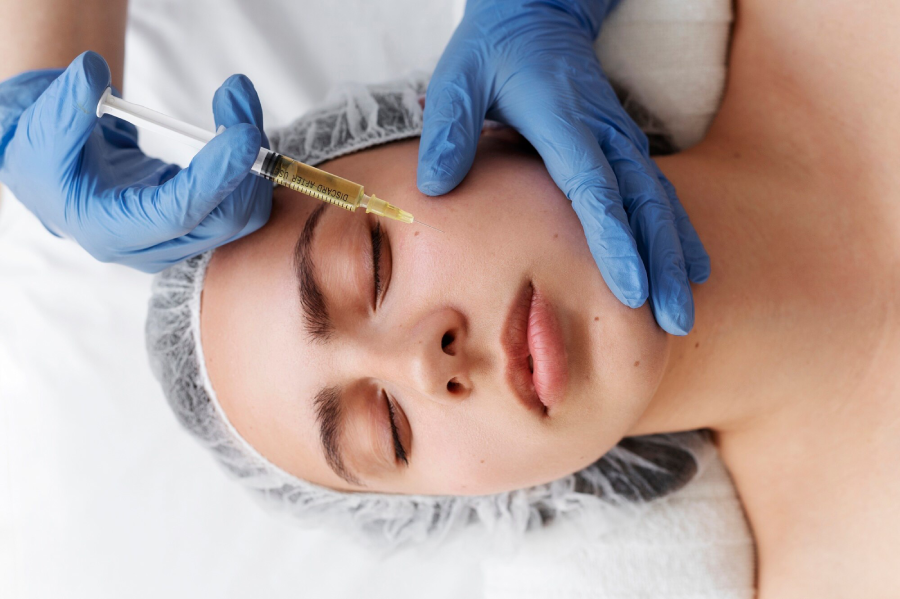
This golden-colored fluid is then applied directly to the face or injected into specific areas of concern. Whether used alone or combined with microneedling, plasma face treatment helps the skin heal and rejuvenate naturally.
The “Vampire Facelift” Explained
The term “Vampire Facelift” gained attention thanks to celebrities who used PRP to achieve youthful, glowing skin. It’s not a traditional facelift—it’s a PRP facial treatment that sometimes includes a small amount of filler to enhance volume. The PRP acts as a healing ingredient, improving skin tone and texture over time.
How PRP Treatment Works
Stimulating Collagen and Elastin
Platelet-rich plasma contains growth factors that signal the body to produce more collagen and elastin—two key proteins that keep skin firm and smooth. As natural collagen levels decline with age, fine lines and sagging begin to appear.
Studies show that PRP helps improve skin texture, tone, and elasticity while minimizing wrinkles, fine lines, and pigmentation. It supports the skin’s natural repair process, leading to a smoother, more youthful appearance.
Promoting Cellular Regeneration
A platelet plasma injection boosts the skin’s renewal process by creating new, healthy cells that replace old or damaged ones. Over time, this helps reduce acne scars and uneven tone while giving the skin a smoother, brighter appearance. Many dermatologists combine PRP with microneedling so the plasma can penetrate deeper and enhance cell regeneration.
Enhancing Overall Skin Quality
People who undergo PRP facial rejuvenation often notice a softer texture, smaller pores, and a natural glow. Results develop gradually over several weeks as collagen production continues, leaving the skin looking more radiant and refreshed.
What to Expect from a PRP Facial Treatment
Before the Procedure
A consultation with a skincare professional helps determine if PRP is a good fit. Before starting, a numbing cream is usually applied to minimize any discomfort. The process is safe and straightforward, with no need for anesthesia.
During the Procedure
Once the PRP is prepared, the provider applies it to the skin. It may be done in one of two ways:
- Microneedling with PRP – During this method, the provider uses a microneedling device to create tiny, controlled punctures in the skin. The PRP is then applied over the treated area, allowing it to absorb deeply through these microchannels. This combination helps boost collagen production, improve texture, and enhance overall skin tone for smoother, more radiant results.
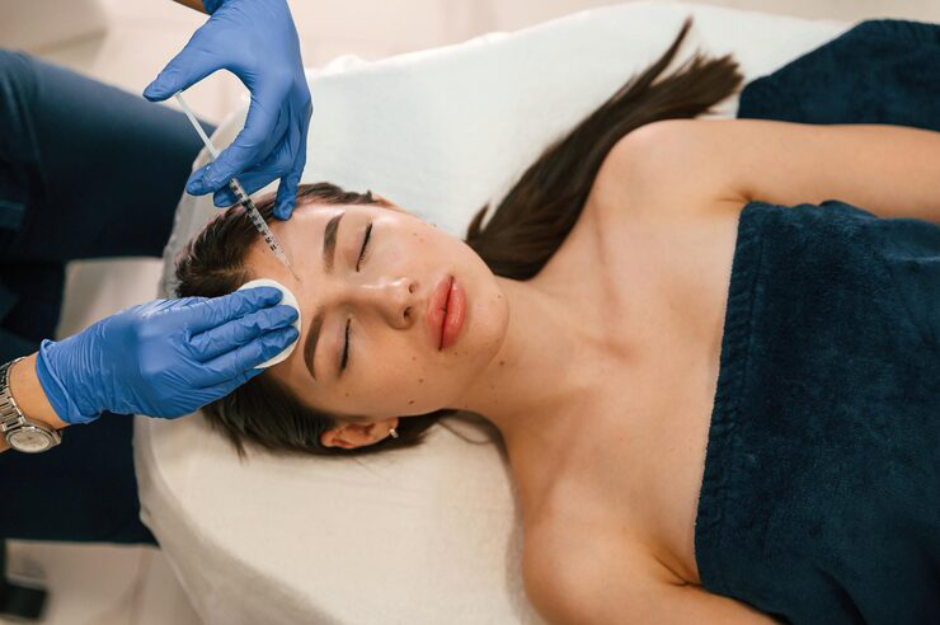
- PRP Injections – In this approach, the concentrated platelet-rich plasma is carefully injected into targeted areas, such as under the eyes, around the mouth, or along fine lines. This technique delivers PRP directly where it’s needed most, helping to restore volume, reduce wrinkles, and promote healthy, youthful-looking skin.
The entire PRP facial treatment usually takes 45 minutes to an hour.
After the Procedure
Right after plasma face treatment, it’s normal for the skin to look slightly red or swollen, similar to a mild sunburn. These effects usually fade within a couple of days. Some people experience a little tenderness or tightness, but it’s temporary.
Results develop gradually as the skin repairs itself. Over several weeks, most people notice improved texture, fewer lines, and a more even skin tone. The full benefits of plasma face treatment become visible within three to six months.
Maintenance and Longevity
The effects can last several months to a year, depending on individual skin type and lifestyle. Many people schedule touch-up sessions once or twice a year to maintain their glow and continue stimulating collagen.
What Should You Avoid Doing After a PRP Facial Rejuvenation?
After receiving a PRP facial rejuvenation, taking proper care is key to achieving great results. The skin is sensitive for the first few days, so it’s important to follow aftercare guidelines carefully:
- Avoid washing or touching the face for at least 6 hours.
- Skip makeup, exfoliants, or harsh cleansers for 24–48 hours.
- Avoid sun exposure, saunas, or heavy workouts for a few days.
- Keep the skin hydrated using gentle, soothing products.
Is a Single PRP Session Sufficient for the Face?
One PRP treatment for face can produce noticeable results, especially in texture and tone. However, most professionals recommend a series of sessions to achieve and maintain the best outcome.
Typically, two to three treatments spaced four to six weeks apart give optimal improvement. After that, maintenance treatments every six to twelve months help extend the results.
Factors like age, skin health, and lifestyle can influence how often someone might need a platelet plasma injection. Consistency usually leads to longer-lasting rejuvenation and better collagen production.
What Is the Average Cost of a PRP Facial Treatment?
The cost of a PRP facial treatment can vary based on several factors, including the provider’s experience, the clinic’s location, and whether additional procedures like microneedling or fillers are included. Some clinics may offer package deals or combination treatments, while others price sessions individually.
Generally, the investment reflects the quality of materials used, the level of expertise of the practitioner, and the technology involved. Because each person’s needs are unique, prices can differ widely from one provider to another.
For accurate and up-to-date pricing, it’s best to contact reputable service providers like BioRestore, who can give personalized information based on your specific treatment goals.
Who Is an Ideal Candidate for PRP Facial Treatment?
PRP is suitable for most adults who want to improve their skin’s texture, tone, and firmness without surgery. It works well for people with:
- Fine lines and wrinkles
- Acne scars or uneven skin tone
- Dull, tired-looking skin
However, it may not be suitable for those with certain blood disorders, infections, or skin conditions. A professional consultation can determine if PRP treatment for face is appropriate for each individual’s needs.
Frequently Asked Questions
How long does it take to see results from PRP facial treatment?
Results from a PRP facial treatment usually appear gradually. Most people notice improved texture and tone within a few weeks, with continued improvement over several months. Collagen production takes time, so patience is key for natural, long-lasting results.
Can PRP be combined with other skincare treatments?
Yes, PRP can be combined with treatments like microneedling, laser therapy, or chemical peels. These combinations can enhance the results and target multiple skin concerns at once. However, a skincare professional should determine what’s safe and effective for each individual.
Does PRP treatment hurt?
Discomfort during a platelet plasma injection is typically mild. Most providers apply a numbing cream before the procedure to minimize any pain or sensitivity. Some people may feel slight pressure or warmth, but the process is generally well-tolerated.
Is PRP safe for all skin types?
PRP is considered safe for most skin types because it uses the body’s own blood, reducing the risk of allergic reactions. However, people with certain skin conditions or blood disorders should consult a medical professional first. A proper evaluation ensures the treatment is suitable and safe.
Can PRP help with under-eye circles?
Yes, PRP is often used to treat dark under-eye circles and hollowness. The growth factors help improve circulation and stimulate collagen in this delicate area. Over time, the skin may appear smoother and more refreshed.
Enhance Skin Confidence with PRP Facial Treatments in Connecticut!
PRP facial treatments are changing how facial rejuvenation is done across Connecticut. Using the body’s own platelet-rich plasma, this natural method helps improve skin texture, tone, and elasticity without surgery or harsh chemicals. With a growing demand for safe and effective skincare options, BioRestore provides customized PRP treatments tailored to support smoother, firmer, and younger-looking skin. Each session focuses on stimulating collagen and encouraging the body’s natural healing process for lasting results.
Experience trusted, professional care close to home—schedule a consultation with BioRestore in Connecticut today to learn more about how PRP can help refresh and renew the skin!