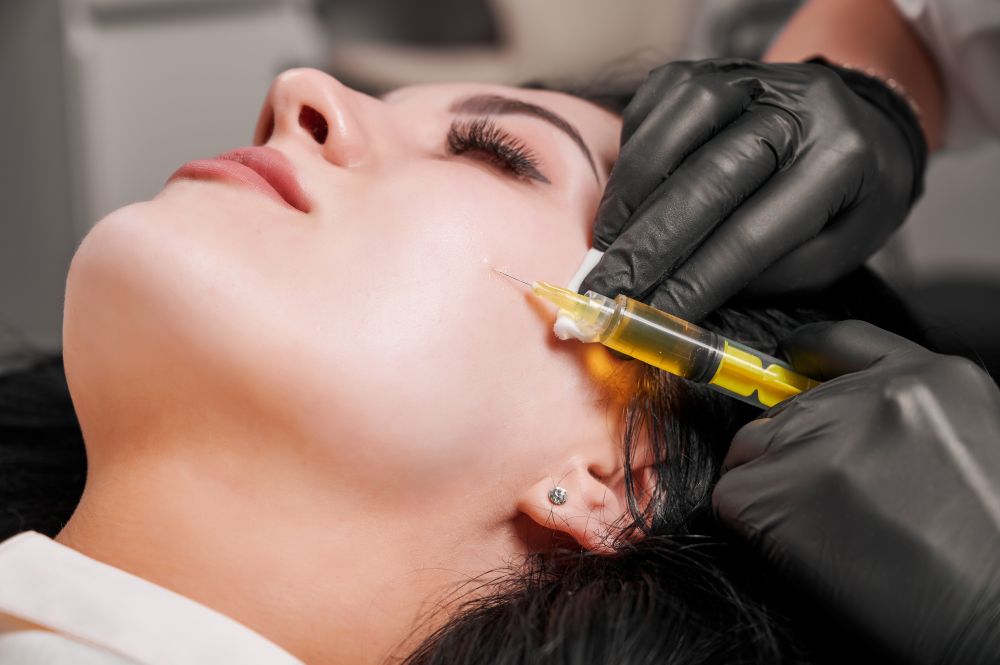
A powerful, natural approach to skin rejuvenation is gaining attention—and platelet plasma injection may be one of the most promising options for those seeking healthier, younger-looking skin without surgery.
A platelet plasma injection (commonly known as platelet-rich plasma, or PRP) has become a sought-after regenerative treatment in aesthetics, thanks to its potential to support collagen production and improve skin texture using your body’s own healing mechanisms.
In this guide, you’ll learn exactly how it works, what the science says, whether it’s right for you, and what to consider if you’re exploring this treatment in CT through a trusted provider like BioRestore.
Table of Contents
What Is a Platelet Plasma Injection and Why Is It Used in Aesthetics?
How a Platelet Plasma Injection Works for Skin Rejuvenation
Proven Benefits of Platelet Plasma Injection for Skin Health
Limitations and What Platelet Plasma Injection Cannot Do
Who Is (and Isn’t) a Good Candidate for Platelet Plasma Injection?
Safety, Side Effects, and Clinical Risks
How Platelet Plasma Injection Compares to Other Skin Rejuvenation Treatments
Platelet Plasma Injection in CT: How BioRestore Supports Regenerative Skin Health
Frequently Asked Questions About Platelet Plasma Injection
How to Get Started With Platelet Plasma Injection in CT
| Key Takeaways ✔ A platelet plasma injection uses your own concentrated platelets to support skin repair. ✔ Research shows potential benefits for texture, fine lines, and acne scarring. ✔ PRP is generally safe, with a low risk of allergic reaction. ✔ Results vary, and multiple sessions may be needed. ✔ Choosing an experienced provider is crucial for safety and outcomes. |
What Is a Platelet Plasma Injection and Why Is It Used in Aesthetics?
A platelet plasma injection is a procedure that uses a concentrated form of your own platelets—rich in growth factors—to support tissue repair and skin rejuvenation. Originally used in orthopedic medicine and wound healing, PRP has expanded into dermatology and aesthetics due to its regenerative potential.
Because PRP is derived from your own blood, it eliminates concerns about allergic reactions while offering a natural approach to enhancing skin quality. As interest grows in non-surgical, minimally invasive treatments, PRP stands out as a promising option for those looking to refresh their appearance without relying on synthetic fillers or more aggressive procedures.
How Platelets Support Natural Tissue Repair
Platelets contain bioactive proteins and growth factors—including PDGF, TGF-β, and VEGF—that play key roles in healing, collagen regeneration, and angiogenesis. These components may help stimulate new collagen production and encourage healthier, more resilient skin over time. While numerous studies show promising results, researchers continue to emphasize that outcomes vary, protocols differ, and further research is needed to standardize treatment approaches.
How a Platelet Plasma Injection Works for Skin Rejuvenation
The platelet plasma injection process is straightforward, minimally invasive, and typically completed in under an hour.
Here’s a step-by-step look at what happens:
- A small sample of your blood is drawn.
- The blood is placed in a centrifuge that separates the platelet-rich plasma from other components.
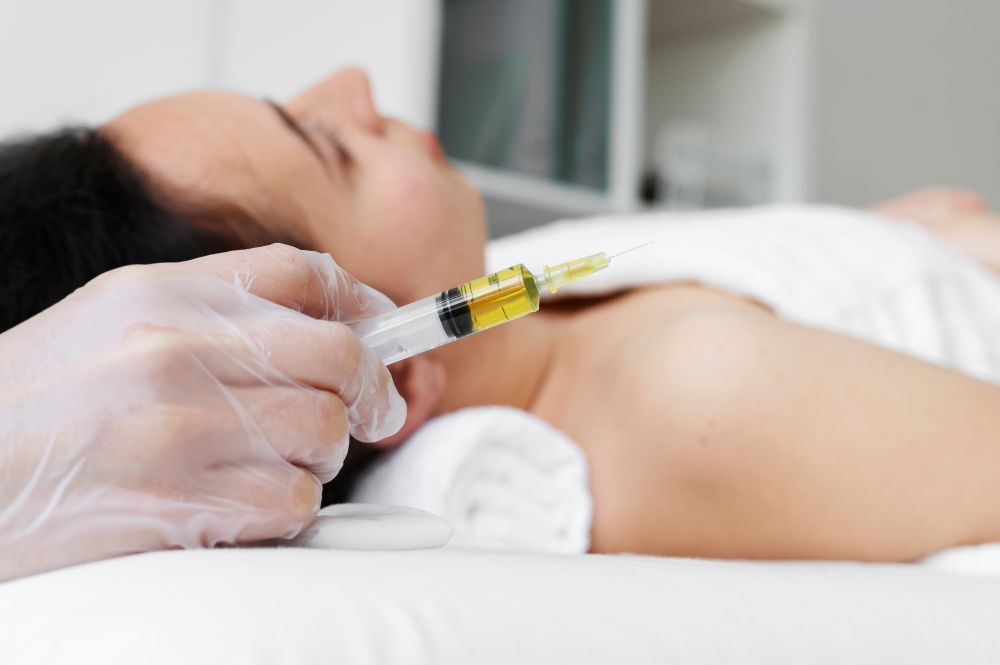
- The concentrated plasma is injected into targeted skin areas, or in some cases, applied topically during microneedling.
Once injected, the growth factors released by platelets begin supporting the skin’s natural repair process—potentially improving texture, tone, and firmness over time.
Expected Sensations and Recovery
Most patients experience mild discomfort during the injection process. Following treatment, it’s normal to notice redness, swelling, or tenderness for 24–72 hours.
Downtime is generally minimal, and many people return to their usual activities the same day. Providers typically recommend avoiding strenuous activity and direct sun exposure immediately after treatment.
Proven Benefits of Platelet Plasma Injection for Skin Health
Research suggests that platelet plasma injections may support healthier-looking skin through increased collagen production and tissue remodeling. While results vary from person to person, studies have documented several encouraging outcomes.
Evidence-Backed Improvements Reported in Studies
Clinical research has shown that PRP may help:
- Improve fine lines and wrinkles
- Enhance skin texture and tone
- Increase dermal collagen density
- Reduce the appearance of acne scars
These improvements are believed to result from the platelets’ ability to stimulate fibroblast activity and promote collagen remodeling.
Benefits That Remain Under Investigation
Some potential benefits—such as pigmentation improvement or significant wrinkle reduction—remain unproven or show mixed results in current studies. Researchers continue to explore optimal preparation methods, dosing, and frequency, all of which influence predictability and overall effectiveness.
| Quick Facts: Platelet Plasma Injection (PRP) ✔ PRP contains 3–5 times more platelets than normal blood plasma. ✔ The treatment has been used medically for over 20 years. ✔ Collagen regeneration typically continues for several months after treatment. ✔ PRP treatments in aesthetics commonly require 2–4 sessions. ✔ Most patients experience only mild, temporary side effects. |
Limitations and What Platelet Plasma Injection Cannot Do
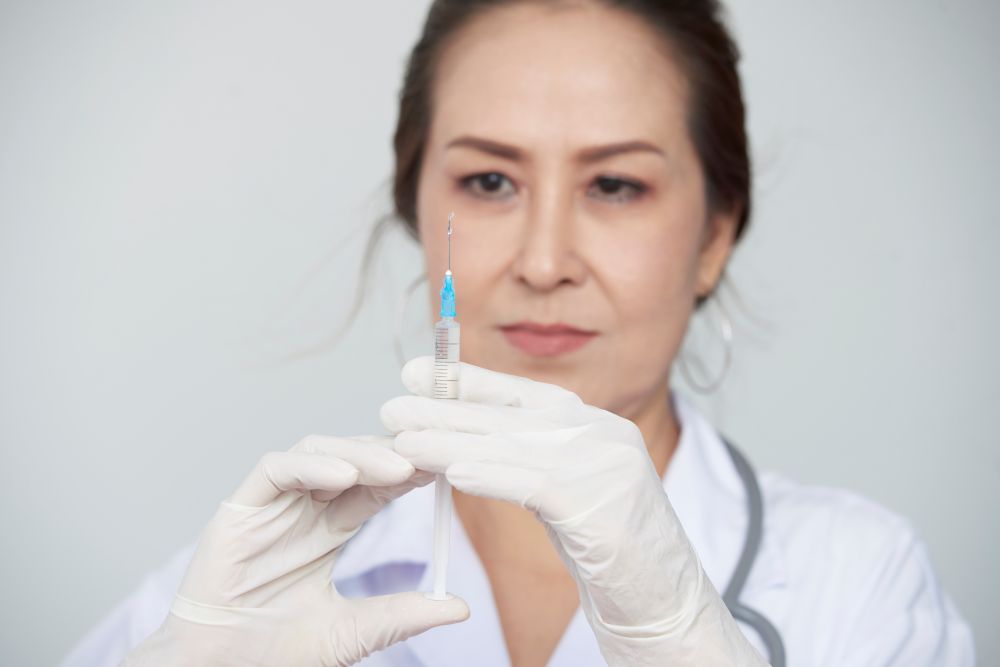
Despite its promise, PRP is not a replacement for surgical procedures or stronger corrective treatments. It cannot produce dramatic lifting, replace lost facial volume, or stop the aging process.
Effectiveness varies widely depending on:
- Age
- Skin health
- Lifestyle
- Severity of skin concerns
- PRP preparation quality
- Injection technique
Consensus guidelines emphasize that PRP should be considered an adjunctive treatment, not a miracle solution.
Who Is (and Isn’t) a Good Candidate for Platelet Plasma Injection?
A platelet plasma injection may be a good option for individuals with:
- Early signs of aging
- Mild skin laxity or fine lines
- Uneven texture
- Acne scarring
- Interest in natural, regenerative approaches
It may not be recommended for individuals with:
- Blood disorders
- Active infections
- Certain autoimmune diseases
- Those taking specific medications like anticoagulants
Factors That May Influence Treatment Success
Hydration, nutrition, underlying health conditions, and lifestyle choices (like smoking) can impact how well the skin responds to PRP. Your provider will evaluate these factors during your consultation.
Safety, Side Effects, and Clinical Risks
PRP is generally considered safe because it uses autologous material—your own blood—reducing the risk of allergic reaction or rejection. However, as with any injection-based treatment, there are potential risks:
- Bruising
- Swelling
- Redness
- Infection (rare)
- Temporary tenderness
Serious complications are uncommon when PRP is performed by licensed medical professionals following strict clinical standards.
Why Provider Expertise Matters
Outcomes depend heavily on correct centrifugation, platelet concentration, sterile technique, and injection depth. Different clinics use different processing systems, which can influence the quality of the final product.
How Platelet Plasma Injection Compares to Other Skin Rejuvenation Treatments
PRP differs from many other cosmetic treatments because it supports the body’s natural repair processes rather than adding synthetic material or temporarily relaxing muscles.
Compared to other options:
- Microneedling alone: PRP may enhance results when combined.
- Fillers: Provide immediate volume, while PRP supports gradual improvements.
- Laser resurfacing: More aggressive and offers more dramatic results; PRP is gentler but slower-acting.
- Botox: Targets muscle activity; PRP targets collagen regeneration.
Costs, Treatment Frequency, and Longevity
Most aesthetic PRP plans involve multiple sessions, typically spaced 4–6 weeks apart. Maintenance treatments may be recommended every 6–12 months, depending on your goals and skin health.
Platelet Plasma Injection in CT: How BioRestore Supports Regenerative Skin Health
For individuals in CT seeking evidence-based regenerative treatments, BioRestore offers clinically informed platelet plasma injections delivered by trained professionals. The clinic emphasizes safety, personalized assessment, and patient education to help individuals understand what PRP can and cannot achieve.
BioRestore’s approach centers on using high-quality preparation protocols and tailoring treatment plans to each patient’s skin health and long-term goals. While results vary, patients value the natural, minimally invasive nature of PRP when performed by an experienced provider.
Frequently Asked Questions About Platelet Plasma Injection
Is a platelet plasma injection safe for most people?
Yes. PRP is typically safe because it uses your own blood, but risks like infection or bruising are still possible.
How long does it take to see results from a platelet plasma injection?
Most people notice initial changes within a few weeks, with continued improvements over several months as collagen forms.
How does a platelet plasma injection compare with fillers or Botox?
PRP supports natural tissue repair, while fillers add volume and Botox reduces muscle activity. They target different concerns and are often complementary.
Are there side effects after platelet plasma injection treatments?
Common effects include mild redness, swelling, or bruising. These typically resolve within a few days.
Who should avoid platelet plasma injection for skin rejuvenation?
Individuals with blood disorders, infections, or certain medical conditions should not undergo PRP. A clinical evaluation is essential.
How to Get Started With Platelet Plasma Injection in CT
If you’re considering a regenerative approach to skin health, a platelet plasma injection may offer a natural way to support collagen and improve skin texture. Research shows promising results, but outcomes vary, and the expertise of your provider plays a major role in safety and effectiveness.
To explore whether PRP is right for you:
- Schedule a consultation with BioRestore
- Discuss your skin goals and medical history
- Review realistic expectations and recommended treatment plans
Always speak with a qualified medical professional before starting any aesthetic procedure. A personalized consultation ensures you understand the benefits, limitations, and safety considerations based on your individual needs.
SOURCE:
Platelet-Rich Plasma for Sports Injuries: Evidence and Applications. https://pmc.ncbi.nlm.nih.gov/articles/PMC11391108
Platelet-Rich Plasma in Orthopaedics: A Review of Current Evidence. https://pmc.ncbi.nlm.nih.gov/articles/PMC4611136
Clinical Use of Platelet-Rich Plasma in Musculoskeletal Injuries: Updated Review. https://pmc.ncbi.nlm.nih.gov/articles/PMC10300586
NIH: Platelet-Rich Plasma Therapy Overview. https://www.ncbi.nlm.nih.gov/books/NBK92752
Platelet-Rich Plasma in Orthopaedic Applications: Review. https://www.johndunnmd.com/pdf/platelet-rich-plasma-in-orthopaedic-applications-review.pdf?
Novel Research in Surgery: “Platelet-Rich Plasma for Tissue Repair.” https://crimsonpublishers.com/nrs/pdf/NRS.000897.pdf