This article is for educational and informational purposes only. It is not medical advice and is not a substitute for personalized care from a licensed healthcare professional. Hair loss can have many causes, and information here may not apply to your specific situation.
Who This Article Is For
This article is for individuals exploring how hormones and metabolism may influence hair growth, thinning, or shedding, especially when changes feel unexplained. It is intended for educational purposes and does not replace a personalized medical evaluation.
Quick Facts
- Hormonal shifts can influence hair growth, shedding, and the hair cycle.
- Androgens affect hair differently depending on the body area.
- Thyroid and metabolic hormones may influence how long hair stays in its growth phase.
- Stress-related hormones can alter shedding patterns and growth timing.
- Hair loss is often multifactorial, involving hormones, metabolism, genetics, nutrition, and lifestyle.
Hair shedding and thinning can be normal or temporary, but they can also signal an underlying condition. This article discusses research on hormones and metabolism as potential contributors. It does not diagnose any condition and does not recommend treatment without professional guidance.
What's In This Guide
Hair changes can feel confusing, especially when they seem to happen without a clear reason. In many cases, hair health may reflect what’s going on beneath the surface, shifts in hormones, changes in metabolism, stress levels, and overall wellness.
Here are some of the less obvious connections that may influence hair growth, shedding, and the hair cycle over time.
Hormones & Hair Health
Hormones strongly influence hair growth, the hair cycle, and hair follicle structure. When the endocrine system is disrupted, it can lead to noticeable changes in hair growth and cycling. Concerns like hirsutism and patterned hair loss can also affect emotional well-being, so they often require a careful, thorough approach to diagnosis and treatment.
Androgens (Testosterone & DHT)
Androgens influence hair growth, but their effects vary by body area and follicle sensitivity. Before puberty, most hair in areas like the underarms and pubic region is fine vellus hair. During puberty, rising androgen levels stimulate these follicles to produce thicker, darker terminal hair.
On the scalp, however, androgens, particularly dihydrotestosterone (DHT), can have the opposite effect in genetically susceptible individuals. DHT may shorten the hair growth phase and contribute to progressive thinning, as seen in androgenetic alopecia.
In women, increased androgen activity may also cause excess hair growth in unwanted areas (hirsutism). Conditions such as polycystic ovary syndrome (PCOS) are common contributors, illustrating how the same hormones can promote hair growth in some regions while limiting it in others.
Estrogen (Estradiol)
Estrogens help regulate the hair growth cycle by acting directly on estrogen receptors within the hair follicle. Estradiol (E2) influences gene activity in the follicle and affects how androgens are processed locally.
Hair follicles and sebaceous glands contain aromatase, an enzyme that converts androgens into estrogen. Because of this, follicles can both produce and respond to estrogen locally. Changes in estrogen levels, such as during pregnancy or menopause, may therefore be associated with shifts in shedding or hair density over time.
Progesterone
Progesterone may influence hair growth through both central hormone regulation and direct follicle-level effects. It can reduce luteinizing hormone (LH) signaling in the brain, which may lower ovarian androgen production.
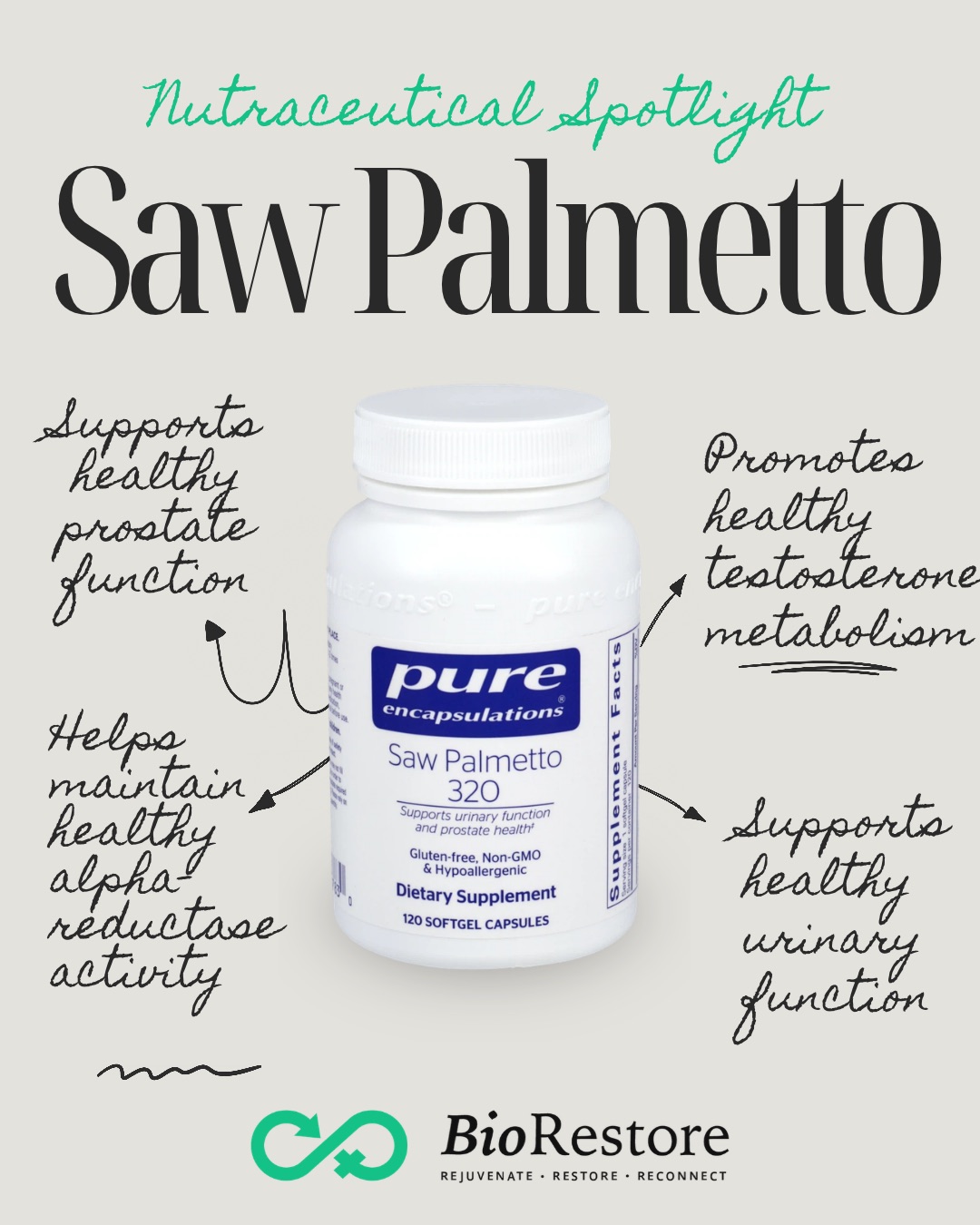
Within the hair follicle, progesterone can also reduce the conversion of testosterone into DHT by limiting 5-alpha reductase activity. These effects help explain why hormonal balance may influence hair shedding patterns in some individuals.
Quick Reference:
|
Prolactin
Prolactin affects hair growth in ways that depend on sex and scalp location. In females, it may support hair shaft lengthening in the front-temporal scalp. In males, higher prolactin levels have been associated with an earlier shift into catagen, the phase when hair growth slows, and shedding begins.
Elevated prolactin has also been linked to hirsutism, likely through its interaction with androgen activity rather than through isolated prolactin effects alone.
Thyroid Hormones (T3 & T4)
Hair follicles contain thyroid hormone receptors and rely on thyroid signaling to regulate how often they enter the growth phase. When thyroid function is low, hair may enter the growth phase less frequently, leading to shedding or thinning. Excess thyroid activity can also result in finer, more fragile hair.
Hair growth requires significant energy, and thyroid hormones support this demand by influencing mitochondrial activity within keratinocytes, the primary cells that form hair and skin. Disruptions in thyroid balance can therefore interfere with normal hair cycling.
Melatonin
Melatonin affects both the skin and hair by acting on receptors within the hair follicle. Research suggests it may help support hair pigmentation, prolong the growth phase, and protect follicles from cellular stress.
While its exact role is still being studied, melatonin appears to support normal hair function rather than directly stimulate new hair growth.
Stress-Related Hormones
Corticotropin-Releasing Hormone (CRH)
CRH is released during periods of stress and can signal hair follicles to slow or shut down active growth. Elevated CRH levels have been associated with reduced hair shaft production, earlier entry into the shedding phase, and decreased growth-related activity within the follicle.
Adrenocorticotropic Hormone (ACTH)
ACTH helps regulate cortisol and androgen release. While animal studies suggest ACTH may support the hair growth phase, its precise role in human hair growth remains unclear and continues to be investigated.
Cortisol
Cortisol is the body’s primary stress hormone. Chronically elevated cortisol levels have been linked to structural changes within the hair follicle that may weaken support for normal growth, while balanced cortisol levels appear more favorable for maintaining healthy hair cycling.
Other Hormonal Signals
Thyrotropin-Releasing Hormone (TRH)
TRH helps regulate thyroid hormones and prolactin, and is also present within hair follicles. Research suggests it may support hair strand elongation and help maintain follicles in the growth phase.
Galanin
Galanin is a hormone-like signaling molecule involved in appetite regulation and nervous system activity. In hair follicles, it has been associated with slower growth by reducing the activity of hair-producing cells and shortening the growth phase.
Metabolism & Hair Health
Hair may no longer be essential for keeping us warm, but it has become something else entirely: a powerful indicator of overall health. Because hair grows continuously, it is highly sensitive to changes inside the body, especially changes related to metabolism, stress, and nutrient supply.
In fact, the hair shaft can carry a physical record of what the body has experienced over months or even years.
Lipid Metabolism & Hair Health
Hair is often discussed in terms of protein, but fats (lipids) also play an important role. Hair follicles sit within the skin, and the skin’s main job is to protect the body and prevent water loss, a function that relies heavily on lipids. Because of this, lipids help support normal hair follicle structure and function.
When lipid or cholesterol pathways are disrupted, research shows that hair follicles can be damaged. Studies have linked altered lipid metabolism to:
- changes in the hair growth cycle
- misshapen or distorted hair shafts
- plugged follicles
- inflammation around the follicle
Nutrition, Metabolism, and Hair Growth
Hair loss rarely has a single cause. It is usually multifactorial, involving hormones, inflammation, oxidative stress, and metabolism.
Because hair follicles grow quickly, they depend on:
- Adequate nutrients
- Antioxidant support
- A healthy metabolic environment
Nutrients and antioxidants can help support hair health by:
- Reducing stress-related damage
- Supporting normal growth signals
- Helping follicles meet their high energy demands during the growth phase
For this reason, long-term hair health often requires consistent metabolic and nutritional support, rather than short-term fixes. Nutritional support is most effective when deficiencies or metabolic stressors are identified, rather than applied as a universal solution.

When to Speak With a Clinician
Seek medical evaluation if you have:
- Sudden or rapid hair loss (over weeks)
- Patchy hair loss, scalp pain, burning, or scaling
- Hair loss with fatigue, weight change, menstrual changes, acne, unwanted hair growth, or new mood changes
- Hair loss after starting or stopping a medication
- Pregnancy/postpartum concerns or symptoms of thyroid imbalance
If symptoms feel urgent or severe, seek care promptly.
Frequently Asked Questions
What hormone am I lacking if my hair is falling out?
Hair loss may sometimes be associated with changes in certain hormones rather than a clear deficiency. Hormones involved in metabolism, stress response, or reproductive function are often discussed in this context, but the exact role can vary from person to person.
What vitamins help prevent baldness?
Certain vitamins and minerals support normal hair and scalp function, particularly when intake is insufficient. Their role is generally supportive rather than corrective, and results vary depending on overall health, metabolism, and underlying causes of hair loss.
Should hormone testing be considered for hair loss?
Hormone testing may be appropriate when hair loss is accompanied by other symptoms such as irregular cycles, fatigue, or sudden changes in shedding. Testing decisions are best made with a qualified healthcare professional based on individual history.
What are the best supplements for hair loss?
Certain supplements are commonly explored for their potential to support hair health. Their usefulness may depend on underlying factors such as diet, stress, or general health.
How can I balance my hormones to stop hair loss?
Hormonal balance is influenced by overall health, stress levels, nutrition, sleep, and underlying medical conditions. In some cases, addressing these factors may support more stable hair cycling, but outcomes vary and often require individualized medical evaluation.

Final Thoughts
Hair health is influenced by a complex mix of hormones, metabolism, genetics, and lifestyle factors. Because no two individuals are exactly alike, understanding hair loss often benefits from a more personalized perspective rather than a one-size-fits-all approach. At BioRestore in Connecticut, the focus is on recognizing these individual differences and the many factors that may contribute to changes in hair health over time. Supporting overall wellness, managing stress, and staying attentive to the body’s signals may all play a role in maintaining healthier hair.
DISCLAIMER:
The information provided is for educational and informational purposes only and is not intended as medical advice. It should not be used to diagnose, treat, cure, or prevent any condition. Hair loss and hormonal concerns can vary widely between individuals, and outcomes may differ. Always consult a qualified healthcare professional before making changes related to health, hormones, supplements, or treatments. This article does not establish a doctor–patient relationship.
SOURCES:
Comaish, J. S. (1981). Hair growth in disorders of metabolism. In C. E. Orfanos, W. Montagna, & G. Stüttgen (Eds.), Hair research (pp. 267–273). Springer, Berlin, Heidelberg. https://doi.org/10.1007/978-3-642-81650-5_38
Grymowicz, M., Rudnicka, E., Podfigurna, A., Napierala, P., Smolarczyk, R., Smolarczyk, K., & Meczekalski, B. (2020). Hormonal Effects on Hair Follicles. International Journal of Molecular Sciences, 21(15), 5342. https://doi.org/10.3390/ijms21155342
Hasan, R., Juma, H., Eid, F. A., Alaswad, H. A., Ali, W. M., & Aladraj, F. J. (2022). Effects of Hormones and Endocrine Disorders on Hair Growth. Cureus, 14(12), e32726. https://doi.org/10.7759/cureus.32726
Inui, S., & Itami, S. (2013). Androgen actions on the human hair follicle: Perspectives. Experimental Dermatology, 22(3), 168–171. https://doi.org/10.1111/exd.12024
Ohnemus, U., Uenalan, M., Inzunza, J., Gustafsson, J.-Å., & Paus, R. (2006). The hair follicle as an estrogen target and source. Endocrine Reviews, 27(6), 777–706. https://doi.org/10.1210/er.2006-0020
Rajput R. J. (2022). Influence of Nutrition, Food Supplements and Lifestyle in Hair Disorders. Indian dermatology online journal, 13(6), 721–724. https://doi.org/10.4103/idoj.idoj_175_22
ScienceDirect (n.d.). Galanin. In ScienceDirect Topics. Elsevier. https://www.sciencedirect.com/topics/medicine-and-dentistry/galanin
Stenn, K. S., & Karnik, P. (2010). Lipids to the top of hair biology. The Journal of investigative dermatology, 130(5), 1205–1207. https://doi.org/10.1038/jid.2010.52