Quick Facts
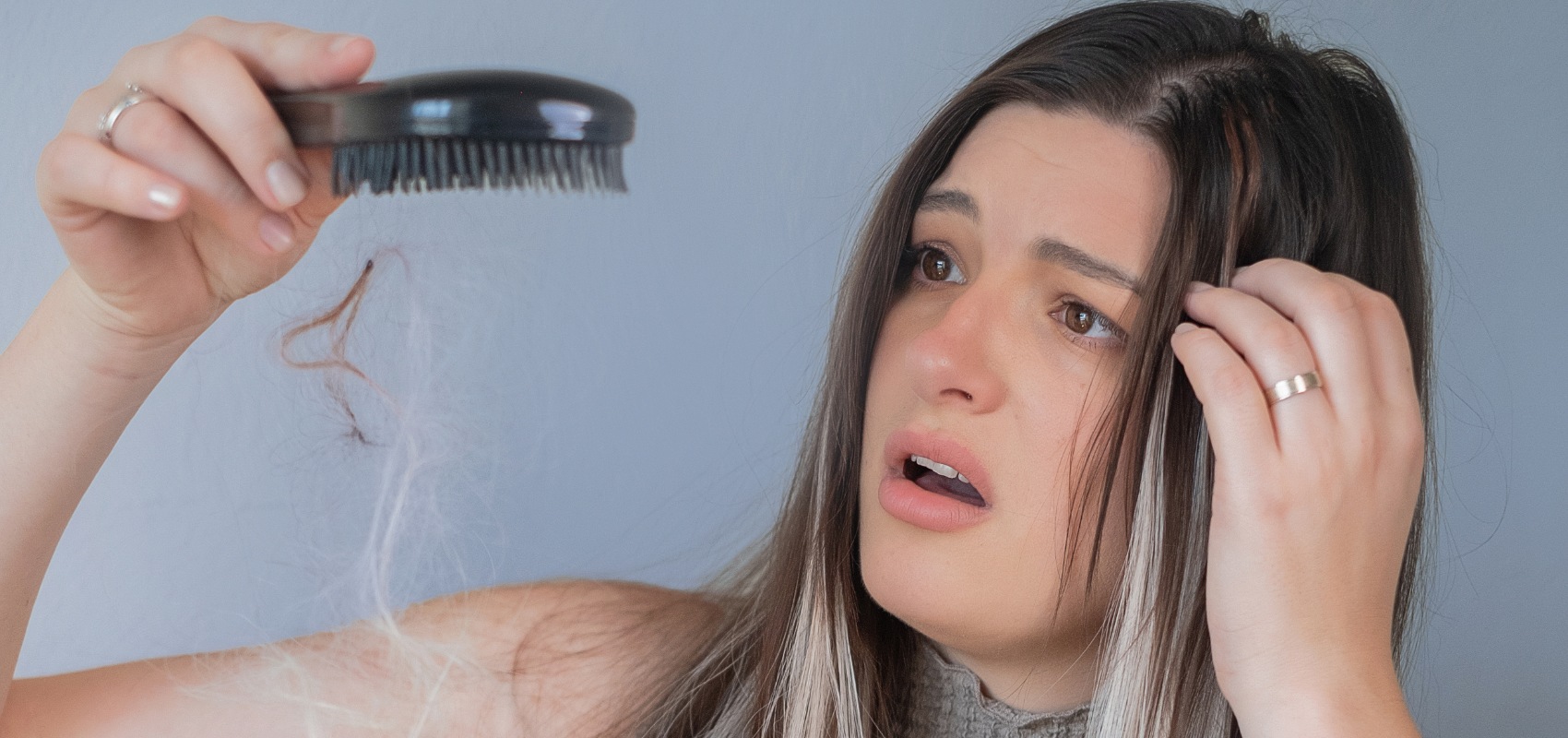
- Hair loss can sometimes reflect changes in hormones or metabolism, not just the scalp.
- Hormones like androgens, estrogen, thyroid hormones, insulin-related factors, prolactin, and cortisol can influence hair growth and shedding.
- Male and female pattern hair loss are often tied to genetics and hormone activity, but hormone effects vary by person.
- Life stages like pregnancy and menopause can shift the hair cycle and change shedding patterns.
- Some research links androgenetic alopecia with metabolic syndrome and related health risk factors.
What’s in This Guide
Hair loss is often thought of as a scalp-only issue, but in some cases, it reflects changes happening elsewhere in the body. Hormones and metabolic health can influence how hair follicles grow, rest, and shed. While not all hair loss is hormonally driven, understanding these internal factors can help explain why patterns and severity vary between individuals.
Hormones and Their Effects on Hair
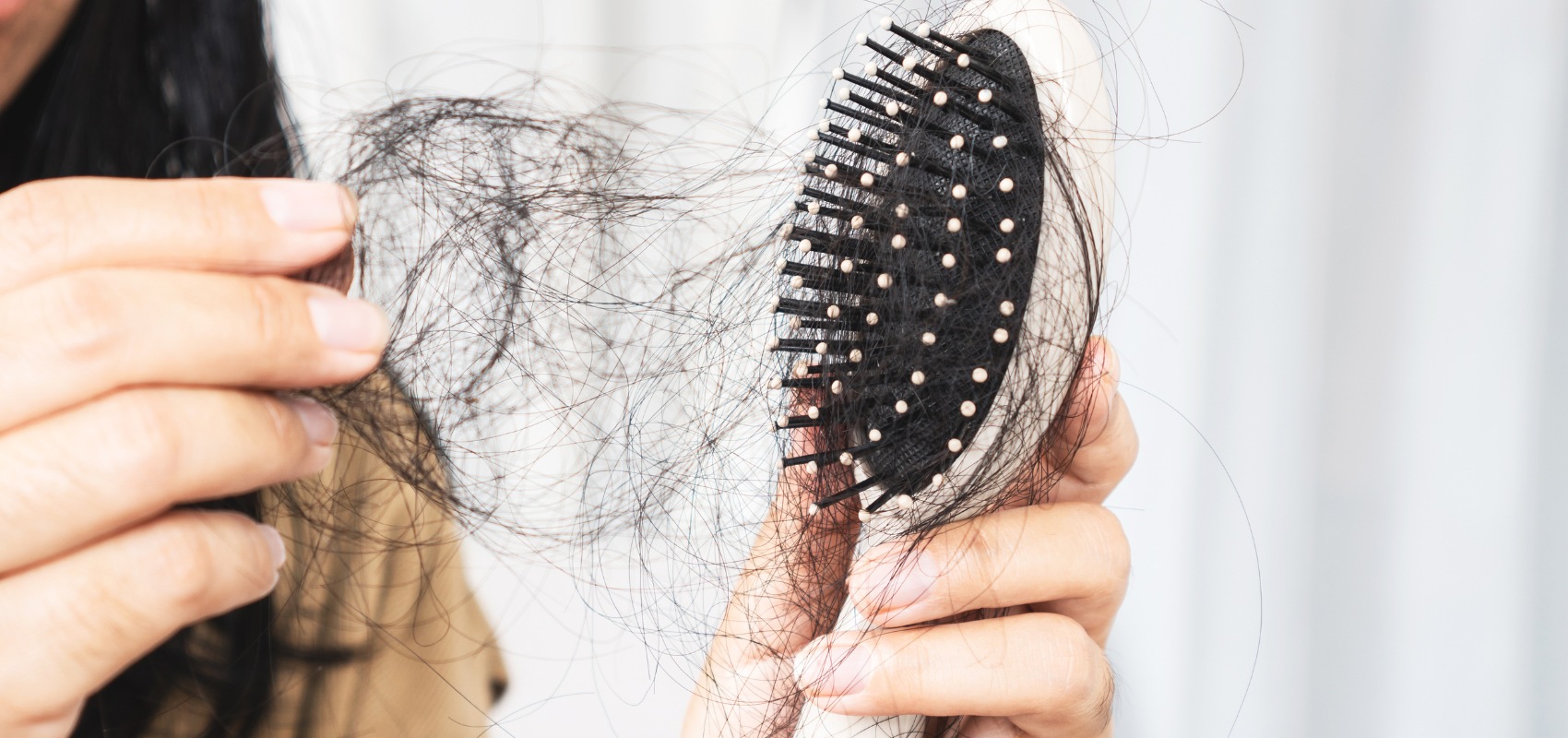
Hair growth is regulated by several hormones that interact directly with hair follicles. The impact of these hormones depends on overall hormone levels, how sensitive a person’s follicles are, and the location of the hair on the body. For this reason, the same hormone can stimulate hair growth in one area while contributing to thinning in another.
Androgens
Androgens are hormones that play a central role in hair growth. During puberty, they stimulate the development of thicker, darker hair in areas such as the face, underarms, and groin.
On the scalp, however, certain hair follicles are more sensitive to androgen activity. In these follicles, androgens can shorten the growth phase and cause hairs to grow progressively finer over time. This process contributes to patterned hair loss.
At a cellular level, androgens act by binding to receptors in dermal papilla cells within the hair follicle. Research observations show that patterned hair loss does not develop in the absence of testosterone, highlighting the hormone’s role in this process.
Estrogen
Estrogen plays a supportive role in hair growth, particularly in females. It helps regulate the hair cycle and is involved in the development of pubic and underarm hair.
During pregnancy, higher estrogen levels are associated with a longer growth phase, which is why many women notice fuller hair. After childbirth, estrogen levels decline, and this shift is thought to contribute to increased shedding, commonly referred to as postpartum hair loss.
During menopause, reduced estrogen and progesterone levels may contribute to scalp thinning and changes in hair density. These shifts often occur gradually and can overlap with normal age-related hair changes.
Growth Hormone
Growth hormone enhances the effects of androgens on sexual hair growth. Research shows that when growth hormone levels are low, much higher levels of testosterone are needed to stimulate hair growth in areas such as the axilla, highlighting its supportive role in hair development.
Insulin and Insulin-Like Growth Factor (IGF)
Insulin and insulin-like growth factor (IGF) are involved in cell growth and energy regulation and also influence hair follicle activity. These hormones interact with androgens and can affect how follicles respond to hormonal signals.
Elevated insulin levels may increase the activity of enzymes that convert testosterone into dihydrotestosterone (DHT), a hormone associated with follicle miniaturization in susceptible individuals. This interaction may help explain why metabolic health can influence hair patterns in some people.
Prolactin
Prolactin plays a role in several body processes, including hair growth. Its effects on hair vary by scalp region. In women, prolactin has been associated with increased hair shaft length in certain scalp areas, while in other regions it may promote entry into the resting phase. Elevated prolactin levels have been linked to hirsutism, likely through effects on androgen activity.
Melatonin
Melatonin is involved in regulating daily biological rhythms and also acts within the skin and hair follicles. It influences hair pigmentation by increasing melanocyte numbers and may support hair growth by promoting the growth phase. Melatonin can also reduce the sensitivity of hair follicles to estrogen signals and helps protect follicles from oxidative stress.
Cortisol
Cortisol is a hormone released in response to physical or psychological stress. Persistently elevated cortisol levels can disrupt normal hair follicle function by reducing substances that support hair growth and increasing signals that shorten the growth phase.
Stress-related hormones can directly inhibit hair shaft production, which may help explain why periods of prolonged stress are often associated with increased shedding.
Thyroid Hormones
Thyroid hormones help regulate the timing of the hair growth cycle. When thyroid hormone levels are too low, hair follicles may spend less time in the growth phase, leading to thinning or shedding. Excess thyroid hormone can also affect hair quality, often resulting in finer hair texture.
Because thyroid imbalance can affect multiple body systems, hair changes are often accompanied by other symptoms.
Male Pattern Hair Loss and Hormonal Influence
Male pattern hair loss is often described as androgen-dependent, meaning androgens play a major role. It is a common, age-related, highly heritable type of hair loss that usually shows thinning at the temples and crown.
It is polygenic, so multiple genes are involved. Some research has also noted that early androgenetic alopecia in men may show hormonal imbalance patterns similar to those seen in the phenotypic equivalent of PCOS in women.
Hormonal Effects on Hair at Different Stages of a Woman’s Life
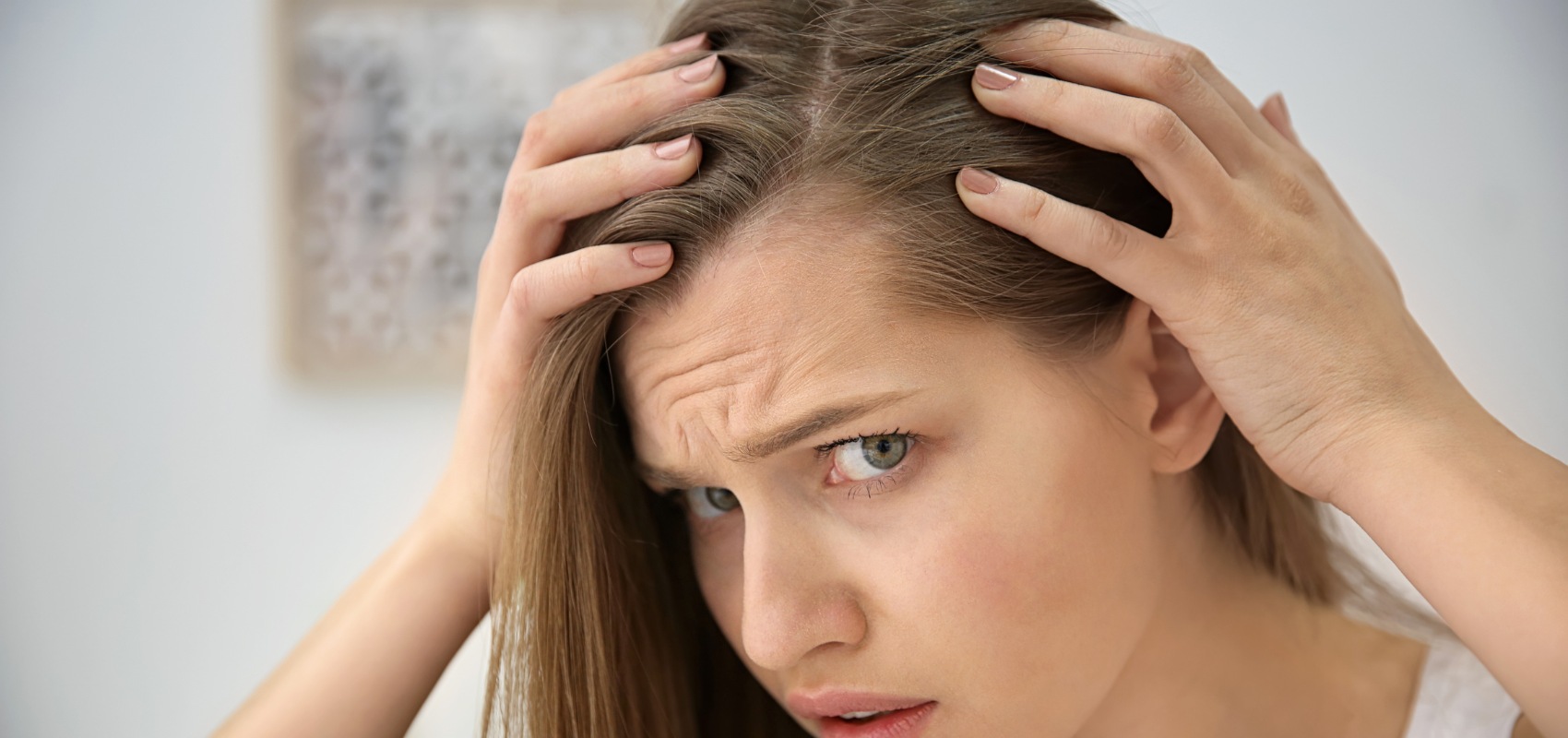
Hormone shifts across life stages can affect hair growth and shedding.
Reproductive Age
Androgen excess, thyroid issues, or high prolactin can affect hair and may show up as hirsutism, female pattern hair loss, or diffuse shedding. Some women still have normal hormone levels, so hormones are not always the only cause.
Pregnancy
Many women shed less and notice thicker hair during pregnancy, often linked to higher estrogen. Increased shedding can happen a few months after delivery.
Menopause
Lower estrogen and a relative shift toward androgens may contribute to scalp thinning and more facial hair. These changes can overlap with normal aging.
Hair Loss and Its Association With Metabolic Disorders
While hair loss is often considered a cosmetic concern, some forms of patterned hair loss have been studied as potential markers of broader metabolic health. This does not mean hair loss causes metabolic disease, but rather that certain shared biological pathways may influence both.
Hair loss is a widespread condition that most people experience at some stage of life. In some cases, it appears on its own, while in others it occurs alongside underlying health conditions. One form of hair loss, androgenetic alopecia (AGA), has received growing attention due to its possible connection with metabolic disorders rather than being only a scalp-related issue.
Androgenetic Alopecia and Metabolic Syndrome
Androgenetic alopecia (AGA) is the most common form of hair loss worldwide. Although it is medically benign, it can have a significant psychosocial impact.
Research into the relationship between AGA and metabolic syndrome began in the early 1970s, when investigators observed that individuals with early-onset hair loss appeared to have higher rates of cardiovascular risk factors.
AGA has also been linked to several metabolic and endocrine conditions, including:
- Coronary artery disease
- Polycystic ovary syndrome
- Cushing syndrome
- Certain nutritional deficiencies
Understanding Metabolic Syndrome
Metabolic syndrome (MetS) refers to a group of interrelated risk factors that increase the likelihood of developing cardiovascular disease and diabetes. These factors include:
- Increased waist circumference
- Elevated triglyceride levels
- Low high-density lipoprotein cholesterol
- Elevated fasting blood glucose
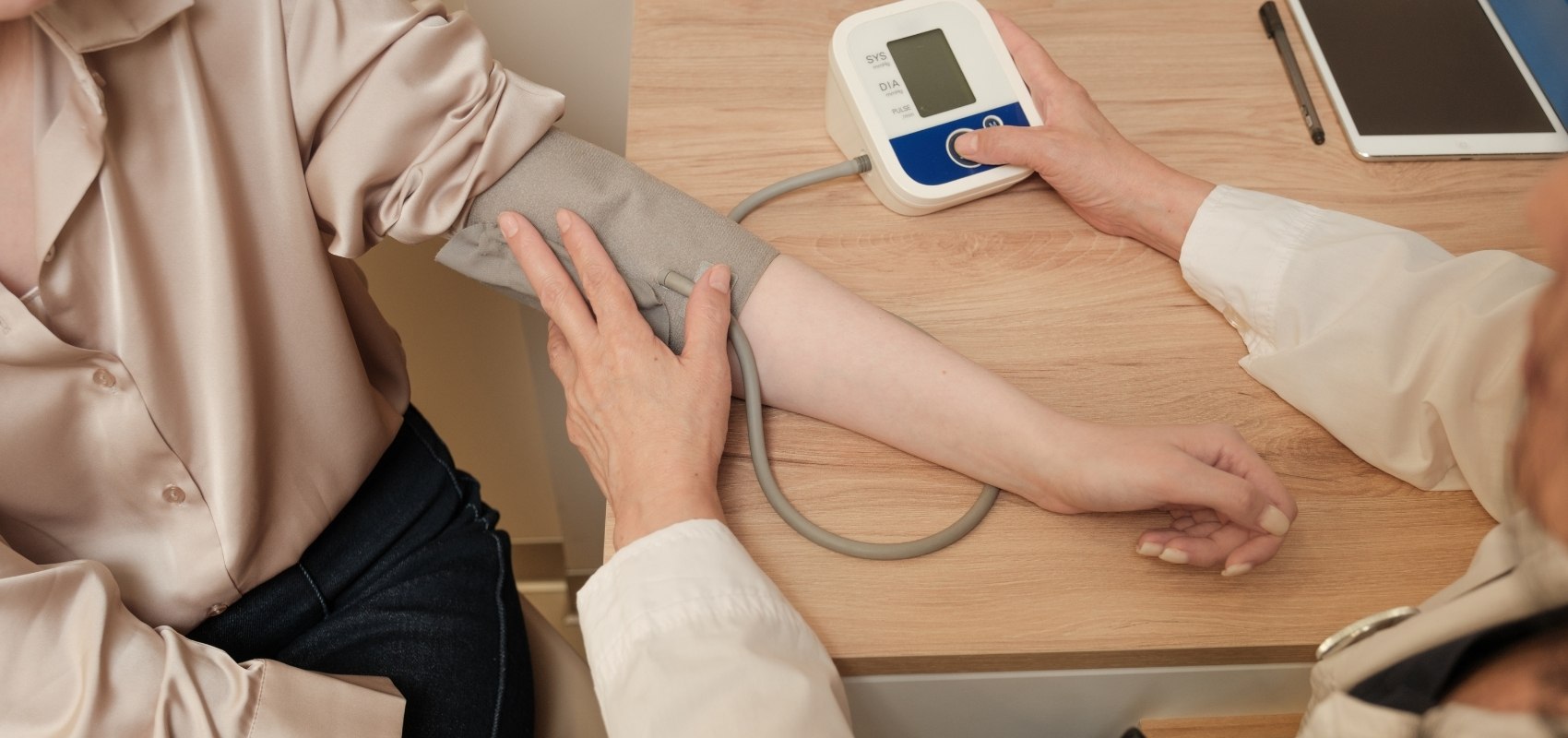
- Elevated blood pressure
|
The presence of patterned hair loss alone does not warrant metabolic screening, but when it occurs alongside other risk factors or symptoms, clinical evaluation may help determine whether further assessment is appropriate. |
Frequently Asked Questions
How do I know if my hair loss is due to a hormonal imbalance?
Hair changes alone usually aren’t enough to determine whether hormones are involved. However, when hair loss occurs alongside changes in menstrual cycles, skin, energy levels, weight, or stress tolerance, hormones may be one contributing factor. A clinical evaluation can help determine whether hormone testing is appropriate based on the full picture.
What autoimmune disease causes hair loss?
Some autoimmune conditions can be linked to hair loss, but the pattern can vary a lot. One example that’s often discussed is alopecia areata, and other autoimmune issues may also play a role in some people. Because autoimmune hair loss can resemble other types of shedding, it’s usually best to get evaluated if you notice sudden patchy loss or rapid changes.
How to stop hair fall due to hormonal imbalance?
Hair fall that is tied to hormones is generally discussed in terms of addressing the underlying imbalance. Because triggers can differ widely between people, there is not a single, universal way to stop it.
What vitamin am I lacking if my hair is falling out?
Questions about vitamins, minerals, and diet come up often when hair loss is involved, but the answer is rarely straightforward. While micronutrients are thought to play a role in non-scarring hair loss, the evidence is mixed and sometimes conflicting. Hair shedding does not automatically mean a specific deficiency is present, though nutrient balance is considered one possible factor among many rather than a clear or singular cause.
What blood test is done for hair loss?
There is no single blood test used for all cases of hair loss. In clinical practice, testing is selected based on hair loss pattern and symptoms and may include thyroid markers, iron studies, and vitamin levels. Additional hormone or metabolic testing may be considered if there are signs suggesting an underlying imbalance.
What to Do Next If You Are Experiencing Hair Loss in Connecticut
Not all hair loss is caused by hormonal or metabolic factors. Genetics, aging, and local scalp conditions remain common contributors. A personalized evaluation helps determine which factors are most relevant for each individual.
For individuals in CT noticing progressive hair changes, a comprehensive evaluation may provide clarity on whether hormonal or metabolic factors are involved. BioRestore takes a medically guided, safety-focused approach that integrates clinical monitoring and regenerative support strategies as part of a broader care model.
DISCLAIMER:
This content is for educational purposes only and is not a substitute for standard medical care. Results are not guaranteed and vary between individuals. Any concerns about hair loss, hormones, or metabolic health should be discussed with a qualified physician.
SOURCES:
Almohanna, H. M., Ahmed, A. A., Tsatalis, J. P., & Tosti, A. (2019). The Role of Vitamins and Minerals in Hair Loss: A Review. Dermatology and therapy, 9(1), 51–70. https://doi.org/10.1007/s13555-018-0278-6
Dharam Kumar, K. C., Kishan Kumar, Y. H., & Neladimmanahally, V. (2018). Association of Androgenetic Alopecia with Metabolic Syndrome: A Case-control Study on 100 Patients in a Tertiary Care Hospital in South India. Indian journal of endocrinology and metabolism, 22(2), 196–199. https://doi.org/10.4103/ijem.IJEM_650_17
Grymowicz, M., Rudnicka, E., Podfigurna, A., Napierala, P., Smolarczyk, R., Smolarczyk, K., & Meczekalski, B. (2020). Hormonal Effects on Hair Follicles. International Journal of Molecular Sciences, 21(15), 5342. https://doi.org/10.3390/ijms21155342
Hasan, R., Juma, H., Eid, F. A., Alaswad, H. A., Ali, W. M., & Aladraj, F. J. (2022). Effects of Hormones and Endocrine Disorders on Hair Growth. Cureus, 14(12), e32726. https://doi.org/10.7759/cureus.32726
Lie, C., Liew, C. F., & Oon, H. H. (2018). Alopecia and the metabolic syndrome. Clinics in dermatology, 36(1), 54–61. https://doi.org/10.1016/j.clindermatol.2017.09.009
National Center for Biotechnology Information (NCBI). (2019). Alopecia areata. In StatPearls. StatPearls Publishing. Retrieved February 9, 2026, from https://www.ncbi.nlm.nih.gov/books/NBK537000/