
Chronic stress can make weight management harder in three main ways: it can increase cravings and stress eating, disrupt sleep (which shifts hunger hormones and decision-making), and change daily behaviors that shape metabolism over time.
Weight changes under stress are real for many people, yet they are not guaranteed or uniform, and they usually reflect a mix of biology, habits, and health factors.
What’s In This Guide
Quick Facts
- Stress affects weight through sleep, appetite, and habits more than cortisol alone.
- Poor sleep increases hunger and weakens self-control.
- Belly fat has multiple causes, not just cortisol.
- Consistent sleep, protein, fiber, and movement reduce stress friction.
- Persistent symptoms warrant medical evaluation.
What Cortisol Does

Cortisol is often labeled the stress hormone, but that is only part of its job. Cortisol helps your body respond to everyday demands by supporting energy availability, blood pressure, and normal immune function. It also follows a daily rhythm tied to your internal clock.
Cortisol Has a Normal Daily Rhythm
In most healthy adults, cortisol rises around waking and then gradually declines across the day. That morning surge includes the cortisol awakening response, a burst that helps mobilize resources for the day ahead.
Acute Stress vs. Chronic Stress
Acute stress is short-term. Your body responds, then recovers.
Chronic stress is repeated activation without enough recovery. Over time, it can contribute to sleep disruption, appetite changes, and habits that make weight management feel like pushing a boulder uphill.
Chronic stress does not always mean high cortisol all day. Some people show higher levels, some show altered timing, and some show a blunted response.
Repeated stress can change your inputs (sleep, food choices, activity), and those inputs influence weight.
How Chronic Stress Can Increase Appetite and Cravings
Stress Increases Quick Energy Pulls
Under pressure, the brain tends to favor quick reward and fast relief. That can mean reaching for foods that are easy to overeat (chips, sweets, drive-thru meals) because they are convenient and rewarding, especially when time and mental bandwidth are limited.
Stress plus a calorie-dense diet can be more strongly linked with central weight gain patterns than diet alone in some settings.
Sleep Loss Amplifies Hunger Hormones
Chronic stress often steals sleep, and sleep loss changes appetite biology. A large observational study found that short sleep duration was associated with lower leptin (a satiety hormone) and higher ghrelin (a hunger hormone), a pattern that can increase appetite.
You do not need to memorize hormone names. You just need the real-world translation:
- Less sleep can make you feel hungrier.
- It can make cravings feel louder.
- It can make “good intentions” feel harder to execute.
The Decision-Fatigue Effect Is Underrated
Even if stress does not change your biology dramatically, it can change your choices:
- More skipped meals followed by overeating later
- More ultra-processed snacks because they require no prep
- More “I deserve this” eating after a hard day
- Less patience for planning meals, grocery shopping, and cooking
Those patterns can accumulate into a calorie surplus over weeks and months.
Practical Steps That Can Reduce Stress-Driven Weight Friction
Lock In a Consistent Wake Time First
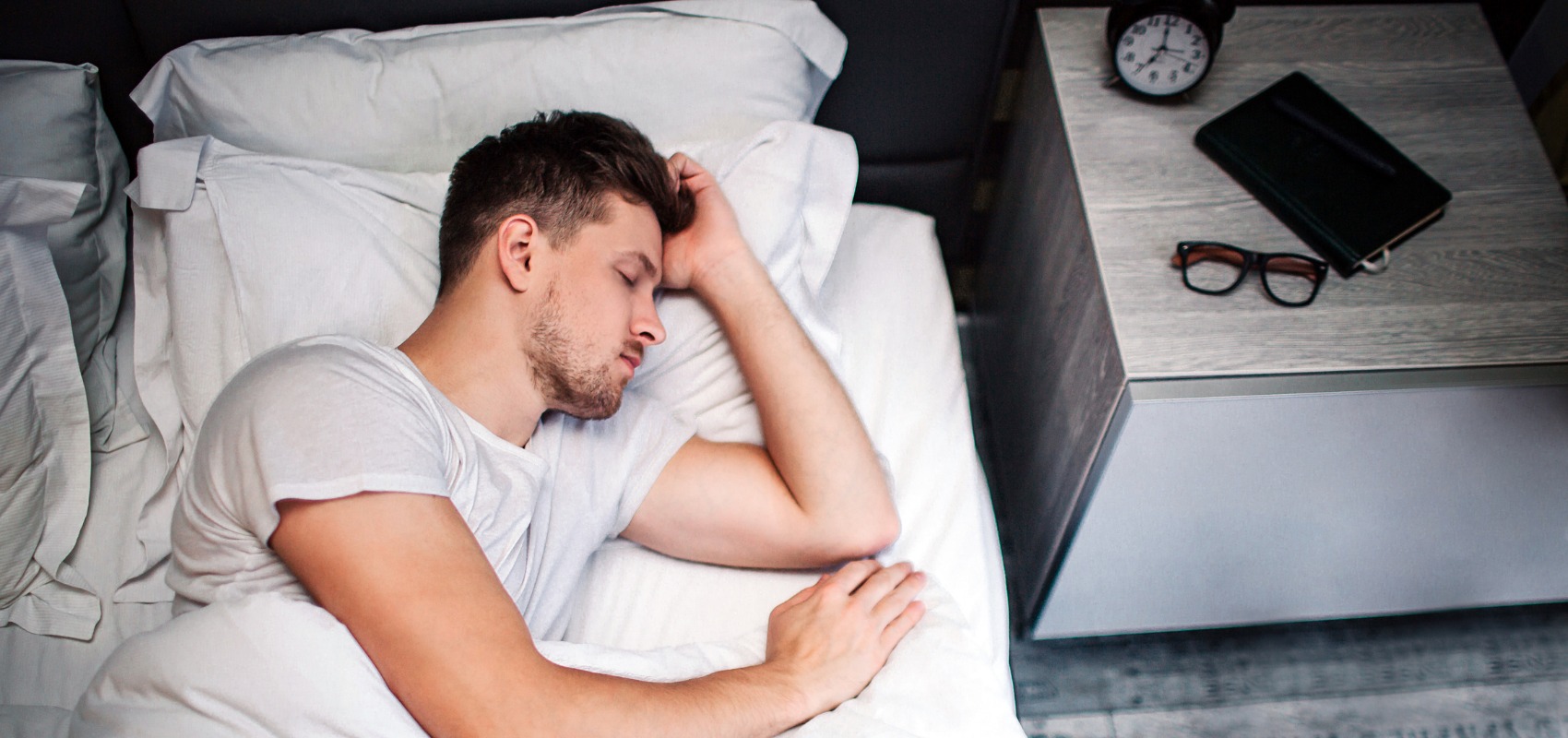
If your sleep is unstable, appetite and cravings usually follow. Instead of obsessing over bedtime, anchor your wake time within the same 60-minute window daily, including weekends.
Why this works:
- A consistent wake time strengthens your circadian rhythm.
- Stronger circadian rhythm improves sleep onset the following night.
- Better sleep supports appetite regulation and decision-making the next day.
Make it practical:
- Set one non-negotiable alarm time.
- Get bright light within 30 to 60 minutes of waking. Outdoor light is best.
- Avoid hitting snooze repeatedly, which fragments sleep and increases morning stress.
If you snore loudly, wake up gasping, or feel exhausted despite 7 to 8 hours in bed, consider evaluation for sleep apnea. Untreated sleep apnea can undermine weight efforts regardless of diet quality.
Use the “Protein + Fiber” Rule at Every Meal
Stress often leads to under-eating early and over-eating late. Structured meals reduce that swing.
- At each meal, include:
- A meaningful protein source
- A fiber-rich carbohydrate or vegetable
Examples:
- Breakfast: Greek yogurt with berries and chia seeds
- Lunch: Chicken, quinoa, and roasted vegetables
- Dinner: Salmon, sweet potato, and broccoli
- Snack: Apple with peanut butter or cottage cheese with fruit
Why this works:
- Protein increases satiety and helps preserve lean mass.
- Fiber slows digestion and stabilizes blood sugar.
- Stable blood sugar reduces afternoon crashes that drive cravings.
On high-stress weeks, simplify. Rotate 2 to 3 reliable meals instead of chasing variety.
Plan for Your Most Vulnerable Time of Day
Most stress-driven eating happens predictably. For many people, it is between 4 pm and 9 pm.
Ask yourself:
- When do I feel most depleted?
- When do cravings spike?
- When do I lose structure?
Then build a bridge plan.
Example for late afternoon:
- Eat a structured protein + fiber snack at 3:30 pm.
- Take a 10-minute walk before going home.
- Drink water before deciding on dinner.
Example for late night:
- Brush teeth after dinner as a psychological signal.
- Keep only pre-portioned snacks in the house.
- Replace mindless grazing with a fixed ritual, such as tea plus reading.
You are not eliminating food. You are reducing impulsive eating when willpower is lowest.
Move for Nervous System Relief
When stress is high, intense workouts can feel overwhelming. Instead of asking, “How many calories did I burn?” ask, “Did this lower my stress level?”
High-return options:
- 10 to 20 minutes of brisk walking after meals
- Two to three full-body strength sessions weekly
- Short mobility routines before bed
Why this matters:
- Movement improves insulin sensitivity.
- It reduces stress reactivity.
- It supports better sleep quality.
Even 5-minute movement breaks during work hours can interrupt stress buildup. Set a timer every 60 to 90 minutes and stand, stretch, or walk briefly.
Adjust Caffeine and Alcohol Timing
Stress often increases caffeine use during the day and alcohol use at night. Both can quietly worsen sleep.
Caffeine:
- Avoid late afternoon or evening caffeine if sleep is fragile.
- Pair caffeine with food to reduce jitteriness.
Alcohol:
- Alcohol may make you sleepy initially, but it disrupts sleep later.
- Even moderate evening drinking can reduce sleep quality and increase next-day cravings.
If weight loss has stalled, review beverage patterns before tightening food further.
Create a “Stress Interrupt” That Is Not Food
Eating is a fast relief. Replace it with something equally accessible.
Build a 5-minute reset menu:
- 10 slow breaths
- Cold water on your face
- Short walk outside
- Quick stretch routine
- Brief journaling
The key is accessibility. If your reset requires driving to a gym or meditating for 30 minutes, you will not use it consistently.
Pause script:
- Am I physically hungry?
- If yes, eat a structured snack.
- If no, use a reset tool first.
You can still choose to eat afterward. The pause increases awareness.
Reduce Decision Fatigue
Stress reduces cognitive bandwidth. Decision fatigue increases impulsive eating.
Lower decisions by:
- Repeating 2 to 3 breakfasts.
- Meal prepping one protein source in bulk.
- Keeping emergency meals on hand, such as frozen vegetables plus rotisserie chicken.
- Writing a simple grocery list template.
When food choices are automated, stress has fewer opportunities to derail you.
Protect Your Evenings
Evenings are where stress, fatigue, and access to food collide.
Protect that window by:
- Scheduling a 15-minute buffer between work and home responsibilities.
- Avoiding high-conflict conversations right before bed.
- Creating a consistent wind-down cue, such as dimming the lights after 9 pm.
Stress that carries into the night often shows up as both insomnia and overeating.
Screen for Medical Contributors When Progress Stalls
If you are applying these steps consistently and still struggling, consider medical factors.
Potential contributors include:
- Sleep apnea
- Thyroid dysfunction
- Menopause-related hormonal shifts
- Medication side effects
- Insulin resistance
- Chronic anxiety or depression
A clinician can help determine whether stress is the primary driver or one piece of a larger metabolic picture.
Shift the Goal From “Perfect” to “Stable”
Under chronic stress, aggressive dieting often backfires. Extreme calorie restriction increases hunger, irritability, and eventual rebound eating.
Instead:
- Aim for consistency.
- Maintain protein intake.
- Keep strength training.
- Protect sleep.
Stable habits under stress often lead to better long-term outcomes than extreme effort followed by burnout.
Note: These steps are for informational and educational purposes only and are not medical advice. It does not replace evaluation, diagnosis, or treatment by a licensed healthcare professional. If you have persistent sleep problems, significant weight changes, or symptoms you are concerned about, talk with your physician or a qualified clinician.
When to Talk to a Clinician

Stress can absolutely influence weight, but it is also smart to rule out medical contributors, especially if symptoms are persistent.
Consider an evaluation if you have:
- Rapid or unexplained weight change
- Severe fatigue that does not improve with rest
- Persistent insomnia or loud snoring with daytime sleepiness
- New high blood pressure, rising blood sugar, or unusual bruising
- Medication changes linked with weight gain
- Symptoms that suggest a hormone shift (perimenopause or menopause changes, or androgen changes)
Frequently Asked Questions (FAQs)
Can chronic stress prevent weight loss even in a calorie deficit?
Chronic stress can make it harder to maintain a consistent calorie deficit due to increased hunger, poor sleep, and reduced activity. While fat loss still depends on energy balance, stress may affect adherence and recovery, which in turn influence results over time.
Does cortisol slow metabolism directly?
Cortisol does not automatically “shut down” metabolism. However, chronic stress may indirectly affect metabolic health through sleep disruption, muscle loss from inactivity, and changes in insulin sensitivity.
How long does it take to see weight changes from stress reduction?
There is no fixed timeline. Improvements in sleep quality and appetite regulation may occur within weeks for some people, but weight trends vary depending on diet, activity, hormonal status, and overall health.
Are supplements effective for lowering cortisol and belly fat?
There is limited evidence that over-the-counter supplements reliably “lower cortisol” in a way that leads to fat loss. Lifestyle changes such as sleep stabilization, resistance training, and nutrition structure have stronger evidence. Always discuss supplements with a clinician before use.
When should I consider medical testing for cortisol?
Testing may be appropriate if you have specific symptoms of an endocrine disorder, such as unexplained rapid weight gain with muscle weakness, high blood pressure, or abnormal lab findings. Routine cortisol testing is not typically recommended for general weight concerns. For individualized evaluation, consider consulting a trusted provider such as BioRestore.
Bottom Line
Chronic stress can make weight management harder by disrupting sleep, increasing cravings, and affecting daily habits that shape metabolism over time, but cortisol alone is rarely the full explanation.
Stabilizing sleep, structuring meals around protein and fiber, and building simple stress resets can meaningfully reduce friction and support more consistent progress. If stress, fatigue, or stubborn weight changes persist, consider a clinical evaluation to assess sleep, metabolic health, and hormonal factors. To learn more, contact BioRestore in Connecticut for a personalized consultation.
DISCLAIMER:
This content is for informational and educational purposes only and is not intended as medical advice, diagnosis, or treatment. Individual results vary, and weight changes related to stress, sleep, or hormones should be evaluated in the context of your full medical history. Always consult with a licensed healthcare professional before making changes to your diet, exercise, supplementation, or treatment plan. For personalized guidance on stress, metabolic health, or hormone-related concerns, contact BioRestore to schedule a consultation.
SOURCES:
Stalder, T., Oster, H., Abelson, J. L., Huthsteiner, K., Klucken, T., & Clow, A. (2025). The cortisol awakening response: Regulation and functional significance. Endocrine Reviews, 46(1), 43–59. https://doi.org/10.1210/endrev/bnae024
Aschbacher, K., Kornfeld, S., Picard, M., Puterman, E., Havel, P. J., Stanhope, K., Lustig, R. H., & Epel, E. (2014). Chronic stress increases vulnerability to diet-related abdominal fat, oxidative stress, and metabolic risk. Psychoneuroendocrinology, 46, 14–22. https://doi.org/10.1016/j.psyneuen.2014.04.003
Taheri, S., Lin, L., Austin, D., Young, T., & Mignot, E. (2004). Short sleep duration is associated with reduced leptin, elevated ghrelin, and increased body mass index. PLoS Medicine, 1(3), e62. https://doi.org/10.1371/journal.pmed.0010062