Male libido can be influenced by sleep, stress, physical activity, medications, relationship factors, and hormonal or other health conditions. Lifestyle changes may help some men, but evidence for supplements is mixed. Persistent, new, or bothersome low libido is best evaluated in context rather than treated with a one-size-fits-all approach.
Table of Contents
- Why Male Libido Declines in the First Place
- Lifestyle Habits That Provide Natural Libido Boost for Men
- Supplements With Clinical Backing
- Foods That Support Male Sexual Health
- When Natural Approaches Are Not Enough
- Things to Know
Key Takeaways
- Regular aerobic exercise may improve erectile function and overall cardiometabolic health. A 2023 systematic review of randomized trials found a modest average improvement in erectile-function scores, but erectile function and sexual desire are not the same outcome.
- Red ginseng, maca, and L-citrulline have been studied for aspects of male sexual function, but the evidence is limited or low certainty. None should be presented as a proven treatment for low libido.
- Erectile dysfunction is common and can be associated with vascular disease, diabetes, obesity, medications, mental health conditions, smoking, and heavy alcohol use. Low libido has overlapping but distinct causes.
- Dietary patterns that support cardiovascular and metabolic health, including Mediterranean-style patterns, are associated with better erectile function in some studies. That does not prove that any single food directly boosts libido.
- Persistent low libido can have hormonal, medical, medication-related, psychological, sleep-related, or relationship contributors. A clinician can help determine whether testing or treatment is appropriate.
- Consumer demand does not establish effectiveness. Supplement quality, dosing, interactions, and the strength of clinical evidence vary substantially by product and ingredient.
Why Male Libido Declines in the First Place

Sexual desire in men is influenced by biological, psychological, and relationship factors. Testosterone can contribute to libido, but low desire is not synonymous with low testosterone. Mood disorders, stress, sleep problems, medication effects, chronic illness, and relationship factors may also play a role.
Erectile dysfunction and low libido should not be used interchangeably. Erectile dysfunction refers to difficulty achieving or maintaining an erection, while libido refers to sexual desire. According to the National Institute of Diabetes and Digestive and Kidney Diseases, erectile dysfunction can be related to vascular, neurologic, hormonal, medication-related, psychological, and lifestyle factors.
Low libido can be associated with poor sleep, chronic stress, depression or anxiety, medication effects, relationship concerns, endocrine disorders, and other medical conditions. Identifying likely contributors through an appropriate history and, when indicated, clinical testing matters before choosing an intervention.
Lifestyle Habits That Provide Natural Libido Boost for Men
Regular physical activity supports cardiovascular and metabolic health, both of which are relevant to sexual function. A 2023 systematic review and meta-analysis of 11 randomized trials found that aerobic exercise produced a modest improvement in erectile-function scores compared with nonexercise controls. The evidence is stronger for erectile function than for libido specifically.
Sleep and stress can also affect sexual well-being, although the pathways are complex. Small controlled studies have found that substantial sleep restriction can lower daytime testosterone in healthy men, while stress may affect desire through mood, sleep, relationship, and physiologic pathways. These findings do not mean that low libido can be diagnosed as a sleep or cortisol problem without clinical evaluation.
Heavy or chronic alcohol use can contribute to sexual dysfunction and lower testosterone in some men. If excess weight or metabolic disease is present, weight management may also support overall sexual and hormonal health. Research on tirzepatide weight loss results provides context on medically supervised weight-loss treatment. More broadly, systematic reviews have found that weight loss in men with obesity is often associated with increases in testosterone, but individual results vary and weight loss will not correct every case of low libido.
Supplements With Clinical Backing
Not every supplement marketed for male sexual health carries meaningful evidence. However, a few have consistent clinical backing worth discussing.
Red ginseng has been evaluated in several controlled trials. These studies show modest but measurable improvements in erectile function. The proposed mechanism involves nitric oxide synthesis enhancement and direct effects on smooth muscle tissue in penile vasculature (Doctronic, 2025-2026).
Maca root stands out specifically for its effect on libido. A study of 131 participants who used maca continuously for at least six weeks reported improved libido. Importantly, maca appears to act through pathways independent of testosterone. Therefore, it remains relevant even for men whose hormone levels fall within normal ranges.
L-citrulline deserves attention for its vascular effects. A short-term study of 24 men with mild erectile dysfunction found significant improvements. Taking 1.5 grams of L-citrulline daily produced positive results in 50% of participants. L-citrulline converts to arginine in the body, boosting nitric oxide levels and improving blood flow accordingly.
For men interested in peptide research as part of a broader health optimization approach, BPC 157 peptide research explores how select peptides may support recovery, systemic health, and physiological function, though libido-specific evidence for peptides remains in early stages.
All supplements carry important caveats. Quality, dosage, and individual response vary considerably. A physician evaluation before starting any supplement protocol is prudent. This is especially true for men on medications affecting blood pressure or blood coagulation.
Foods That Support Male Sexual Health
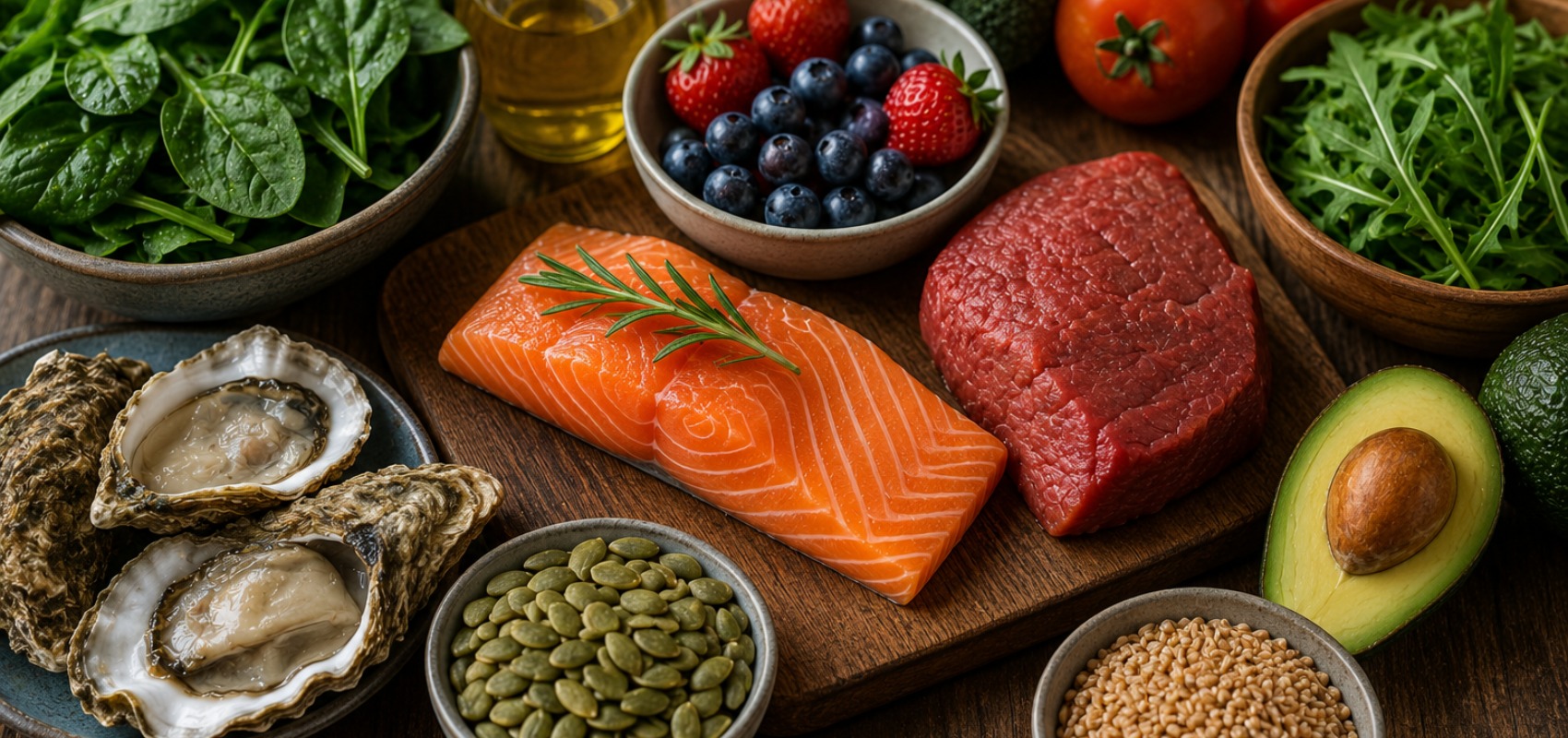
Dietary patterns supporting cardiovascular health also tend to support erectile function. The connection makes physiological sense. Erections depend on arterial blood flow, which responds directly to your eating habits over time.
Reviews and observational studies have found associations between dietary patterns rich in fruits, vegetables, nuts, whole grains, and fish and better erectile function or lower ED prevalence. However, these findings do not establish that eating a specific number of servings will reduce an individual man’s risk by a predictable percentage.
Foods high in zinc support testosterone synthesis effectively. Oysters, pumpkin seeds, and red meat in moderation are excellent sources. Leafy greens like spinach and arugula contain nitrates that convert to nitric oxide in the body. This conversion improves blood vessel dilation substantially.
Fatty fish rich in omega-3s reduce arterial inflammation significantly. In addition, this inflammatory reduction represents a core contributor to erectile dysfunction in older men. A Mediterranean-style diet, rich in produce, lean proteins, olive oil, and minimal processed foods, remains one of the most studied dietary patterns for both cardiovascular and sexual health.
When Natural Approaches Are Not Enough
If lifestyle and dietary changes do not produce meaningful improvement after several consistent months, the issue may have a deeper root. Low testosterone, thyroid dysfunction, elevated prolactin, or cardiovascular disease can all suppress libido. Moreover, these conditions require targeted medical intervention beyond diet and exercise alone.
Understanding what is integrative medicine helps explain why a whole-body, physician-led approach often works better than isolated supplement use. Integrative care examines the full hormonal picture alongside lifestyle factors. Therefore, the most durable improvements typically originate from this comprehensive approach.
For partners seeking related information, perimenopause symptoms treatment options covers how hormonal shifts in women can affect relationship dynamics and shared sexual health goals. Couples often navigate these changes together.
Things to Know
- Libido and erectile function are related but distinct. A man can have low desire with no physical dysfunction, or vice versa. Treatment approaches differ accordingly.
- Testosterone levels follow a natural daily rhythm, peaking in the morning. Testing at the wrong time of day can lead to misleading results.
- Many popular “testosterone booster” supplements contain ingredients with limited or no peer-reviewed clinical evidence. Marketing language does not substitute for clinical data.
- Psychological factors significantly influence sexual function. Performance anxiety, relationship stress, and depression can produce low libido even when all physical markers are normal.
- Some prescription medications reduce libido as a side effect. SSRIs, beta-blockers, and certain blood pressure drugs are known culprits. Reviewing your medication list with a physician is a reasonable first step.
Take Charge of Your Sexual Health With a Personalized Evaluation

Natural approaches work as effective starting points. However, they work best when matched to what is actually driving your symptoms. If you have been consistent with lifestyle changes and supplements for several months without results, a physician-supervised assessment may reveal the underlying cause far faster.
Book a consultation at BioRestore Health to speak directly with a clinically experienced team. This team evaluates hormonal health, vascular function, and lifestyle factors together. Take the next step and schedule your personalized evaluation today. Addressing the root cause proves more effective than managing surface-level symptoms.
Frequently Asked Questions
Q: How long does it take for natural libido boosters to produce noticeable results?
Most men report noticeable changes within four to twelve weeks of consistent lifestyle or supplement changes, though this varies based on the underlying cause.
Maca root studies typically ran for at least six weeks before reporting improvements. Lifestyle changes like exercise and sleep optimization may show effects sooner. This is particularly true if the root cause is sedentary behavior or poor sleep. Underlying hormonal deficiencies generally require a longer timeline and often benefit from professional support.
Q: Can stress alone cause low libido in otherwise healthy men?
Yes. Chronic psychological stress elevates cortisol, which directly suppresses testosterone production and reduces sexual desire even when no physical health problem is present.
The hypothalamic-pituitary-adrenal axis and the reproductive axis compete for regulatory resources under stress. Stress management techniques help restore balance. Exercise, sleep hygiene, and mindfulness practices can meaningfully restore libido. This is especially true for men whose primary driver is cortisol dysregulation.
Q: Is low libido always related to low testosterone?
No. While low testosterone is a common contributor, low libido can also stem from thyroid dysfunction, elevated prolactin, depression, medication side effects, or relationship factors.
A comprehensive blood panel that includes free and total testosterone, thyroid markers, and prolactin gives a clearer diagnostic picture. Self-diagnosing low testosterone without lab confirmation often leads to inappropriate supplement use.
Q: Are natural supplements for libido safe to use without medical supervision?
Most evidence-backed supplements like maca and L-citrulline are generally well tolerated at studied doses, but interactions with existing medications are possible.
Men taking blood pressure medications, blood thinners, or medications for diabetes should consult a physician first. Nitric oxide-enhancing supplements, for example, can amplify the effects of certain cardiovascular medications.
Q: What is the difference between libido and erectile function, and why does it matter for treatment?
Libido refers to sexual desire, while erectile function refers to the physical ability to achieve and maintain an erection. They share some pathways but often have different root causes.
A man with low desire but normal erectile function may benefit most from hormonal or psychological evaluation. A man with intact desire but impaired erections typically needs a vascular or neurovascular workup. Conflating the two leads to mismatched treatment choices.
The Bottom Line on Natural Libido Boost for Men
A natural libido boost for men is within reach for many through consistent exercise, targeted nutrition, quality sleep, and select evidence-backed supplements. The strongest results come when these changes are guided by an accurate understanding of what is actually causing the problem. Generic protocols applied without context deliver weaker results.
If your efforts have plateaued, a physician-led evaluation is the logical next step. This evaluation should examine your hormonal profile, cardiovascular health, and lifestyle patterns together. Start with what the evidence supports, and get professional guidance when the picture is more complex.
Medically Reviewed by: Dr. Matthew Stanizzi, MD, Board-Certified Urologist | Medical Director, BioRestore Health, 12+ Years in Clinical Urology. Last Updated: June 2026.
Disclaimer: This article is for educational purposes only and does not constitute medical advice. Sexual health concerns, including low libido and erectile dysfunction, should be evaluated by a licensed physician. Individual results vary. Supplements and lifestyle interventions are not a substitute for a comprehensive medical evaluation when clinically indicated.
SOURCES:
Esposito K, et al. Dietary factors, Mediterranean diet and erectile dysfunction. The Journal of Sexual Medicine. 2010;7(7):2338-2345. PMID: 20487239.
Association between improved erectile function and dietary patterns: a systematic review and meta-analysis. PMID: 39468798.