Understanding perimenopause symptoms treatment options is essential for managing this life transition. Options range from hormone therapy and non-hormonal medications to targeted lifestyle interventions, depending on symptom severity and individual health history. Additionally, understanding which approach fits your situation requires looking at the full picture of what’s happening hormonally and physically, not just addressing the most obvious discomfort.
Table of Contents
- How Widespread Are Perimenopause Symptoms?
- The Most Common Perimenopause Symptoms You May Be Experiencing
- Hormone Therapy: What the Evidence Says About Perimenopause Symptoms Treatment Options
- Non-Hormonal Medical Treatments for Perimenopause Symptoms
- Lifestyle and Functional Approaches to Perimenopause Symptoms Treatment
- Things to Know
How Widespread Are Perimenopause Symptoms?
The scale of this issue is larger than many women expect. Moreover, it starts earlier than most realize. A 2025 study from the University of Virginia Health System, conducted in collaboration with the Flo App, found that among women ages 30 to 35, 55.4% reported symptoms that met criteria for “moderate” or “severe” on the Menopause Rating Scale.
That figure climbed to 64.3% for women ages 36 to 40. This rising prevalence shows how common perimenopause symptoms actually are across younger age groups.
According to the North American Menopause Society (NAMS, 2025), nearly 75% of menopausal women experience vasomotor symptoms. About 25% report conditions severe enough to require medical intervention. The U.S. perimenopause market was estimated at $1.33 billion in 2025, according to Straits Research.
Furthermore, the market shows projected growth of 6.3% annually through 2033. This reflects both rising awareness and increasing demand for treatment solutions.
The Most Common Perimenopause Symptoms You May Be Experiencing

Perimenopause affects multiple body systems at once. This is why so many women report feeling like something is “off” well before they receive any formal diagnosis.
According to The Menopause Society (2025), about 85% of women in perimenopause experience fatigue or low energy. Additionally, nearly 80% report sleep disruption, brain fog, or weight changes. More than 70% report anxiety, depression, or mood swings. A survey by Midi (2025) found that 68% of women identified mood changes as one of the first signs of perimenopause. Meanwhile, 63% reported brain fog or forgetfulness.
Perhaps most surprisingly, a 2024 global meta-analysis of 482,067 women identified joint and muscular discomfort as the most common perimenopause symptom overall. It proved even more prevalent than hot flashes, according to data cited by Inner Balance (2026).
Other frequently reported symptoms include:
- Irregular periods and cycle length changes
- Vaginal dryness and discomfort during sex
- Reduced libido
- Urinary urgency or increased frequency
- Skin texture changes and hair thinning
It’s worth noting that hormonal shifts during perimenopause are not exclusive to women. Men undergo their own version of hormonal decline. If you have a male partner experiencing fatigue or reduced drive, learning about low testosterone symptoms in men may be equally relevant to your household.
Hormone Therapy: What the Evidence Says About Perimenopause Symptoms Treatment Options
Hormone therapy (HT) remains the most clinically studied perimenopause symptoms treatment option. It works effectively for moderate to severe vasomotor symptoms, mood disruption, and genitourinary changes.
A large-scale 2025 analysis reported by Medscape found significant benefits from early initiation. Starting estrogen therapy during perimenopause was associated with a 60% lower risk for breast cancer, heart attack, and stroke compared with starting after menopause or not at all.
This timing distinction matters significantly. Therefore, initiating therapy early in the hormonal transition, rather than waiting until symptoms become severe, appears to carry meaningful long-term benefits.
Hormone therapy typically includes estrogen alone (for women without a uterus) or a combination of estrogen and progesterone. Delivery methods vary considerably. Options include oral tablets, transdermal patches, topical gels, and vaginal rings, each with different absorption profiles and risk considerations. Bioidentical hormone formulations are increasingly used in personalized protocols.
Women who have reviewed hormone therapy before and after accounts often note significant improvements. They report better sleep, improved mood, enhanced cognitive clarity, and increased energy within the first few months of a properly calibrated protocol. However, individual results vary considerably.
HT is not appropriate for all patients. Women with certain personal or family histories of hormone-sensitive cancers, uncontrolled hypertension, or clotting disorders require alternative approaches. A physician-supervised evaluation is essential before starting any hormonal protocol.
Non-Hormonal Medical Treatments for Perimenopause Symptoms
For women who cannot or prefer not to use hormone therapy, several non-hormonal options are supported by clinical evidence. Additionally, the FDA has approved several of these medications.
Fezolinetant (Veozah) represents a breakthrough option. It is the first non-hormonal medication specifically approved for moderate to severe vasomotor symptoms in menopause. The medication works by blocking neurokinin B signaling in the brain. This pathway is responsible for triggering hot flashes.
SSRIs and SNRIs such as paroxetine, venlafaxine, and escitalopram are used off-label to reduce hot flash frequency. Moreover, they may also address anxiety and mood symptoms. Paroxetine mesylate (Brisdelle) is the only FDA-approved SSRI specifically for hot flashes at a low, non-antidepressant dose.
Gabapentin may help reduce nighttime hot flashes and improve sleep quality in some patients. For example, many women report better rest when taking this medication in the evening.
For genitourinary symptoms such as vaginal dryness and painful intercourse, localized vaginal estrogen and ospemifene offer effective non-systemic options. These carry a different risk profile than systemic hormone therapy.
Skin health often changes during perimenopause as well. If you’re noticing texture changes or residual acne scarring from hormonal breakouts, microneedling for acne scars is an adjunctive aesthetic option. Similarly, microneedling before and after results can give you a realistic picture of what skin rejuvenation looks like at this life stage.
Lifestyle and Functional Approaches to Perimenopause Symptoms Treatment

No medication works in isolation. Functional and lifestyle interventions are consistently recommended alongside medical treatment. They reduce symptom burden and support long-term health.
- Resistance training helps preserve lean muscle mass and bone density. Both decline with falling estrogen. Therefore, this intervention supports structural health during hormonal transition.
- Sleep hygiene protocols including consistent bedtimes, reduced screen exposure, and cooler sleeping environments address the sleep disruption affecting nearly 80% of perimenopausal women (The Menopause Society, 2025).
- Dietary adjustments such as reducing refined carbohydrates and increasing phytoestrogen-rich foods may modestly reduce hot flash frequency in some women. In addition, these changes support overall metabolic health.
- Stress reduction practices including mindfulness-based stress reduction (MBSR) have shown benefit for mood and perceived symptom severity in published trials. For instance, regular meditation and breathing exercises help many women manage anxiety during this transition.
- Cognitive behavioral therapy (CBT) is a well-documented non-pharmacologic option for managing hot flashes and insomnia. The Menopause Society endorses this evidence-based approach for perimenopause symptoms treatment.
Things to Know
- Perimenopause can begin in your mid-30s, not just your late 40s. Irregular cycles are often the first clinical sign, so pay attention to changes in your menstrual pattern.
- Hormonal lab values during perimenopause fluctuate significantly from day to day. Therefore, a single FSH or estradiol reading proves unreliable without clinical context and symptom correlation.
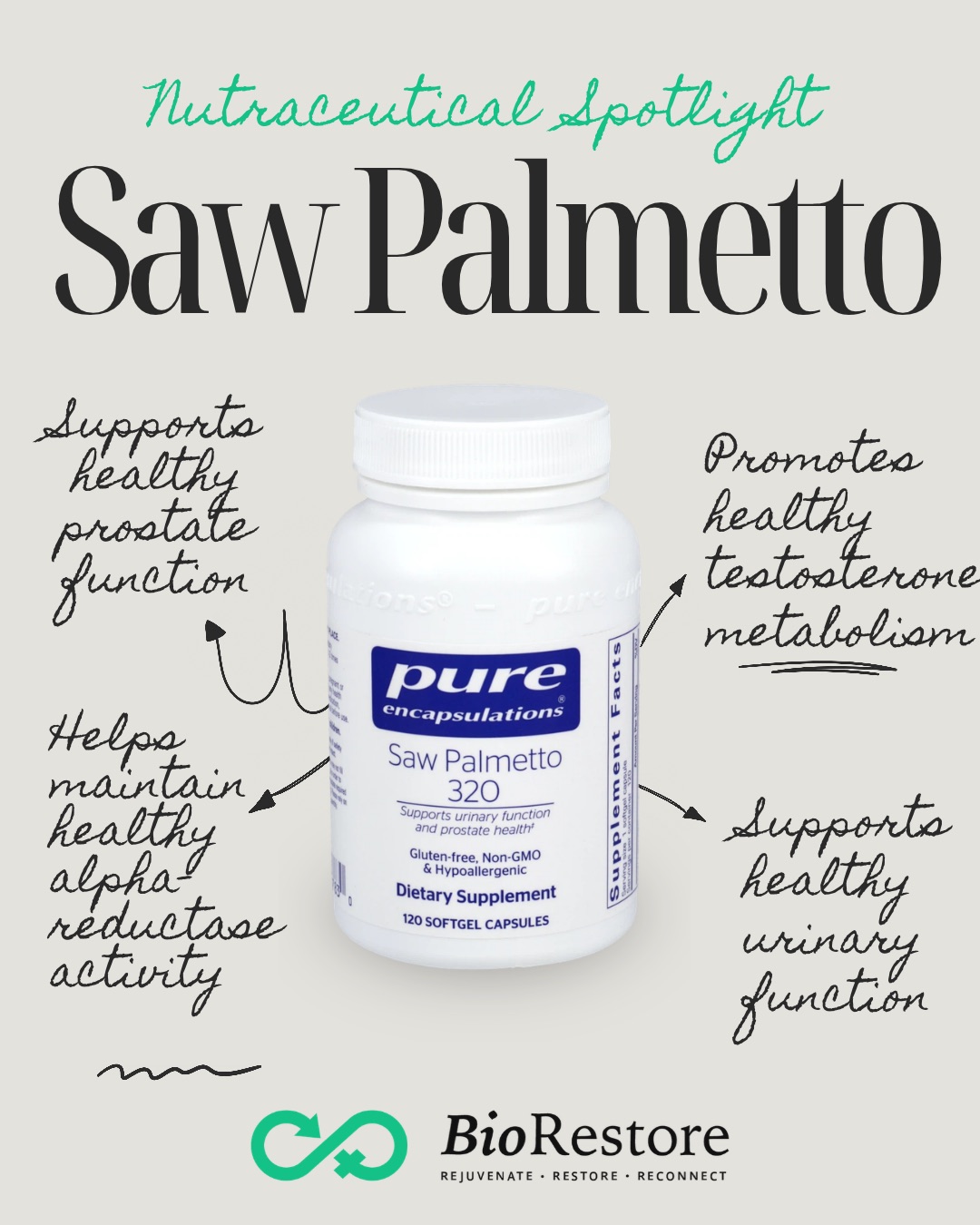
- Not all “natural” supplements marketed for menopause symptoms have meaningful clinical evidence. Black cohosh has mixed data, and many products lack standardization or rigorous testing.
- Hormone therapy initiated early in the perimenopause transition carries a different risk-benefit profile than therapy started years after menopause. Timing matters in ways that a single label cannot convey to patients.
- Perimenopause symptoms overlap heavily with thyroid disorders, adrenal dysfunction, and mood disorders. A thorough clinical workup rules out or addresses these contributors before attributing everything to hormonal shifts alone.
Schedule a Personalized Perimenopause Evaluation at BioRestore Health

If you’re experiencing symptoms that are affecting your sleep, mood, energy, or quality of life, a personalized clinical evaluation can identify the specific hormonal and physiological factors driving them. At BioRestore Health, Dr. Matthew Stanizzi and the clinical team build individualized treatment plans designed around your lab work, health history, and goals. Schedule your consultation to get a clear, medically grounded assessment of your options without guesswork or one-size-fits-all protocols. Contact BioRestore Health today to book your evaluation at the Newtown, CT location or virtually across CT, MA, NJ, and NY.
Frequently Asked Questions
Q: At what age do perimenopause symptoms typically begin?
Perimenopause can begin as early as the mid-30s, though most women notice symptoms in their early-to-mid 40s. The transition varies widely by individual. A 2025 study found that more than half of women in the 30-to-35 age range already reported moderate to severe symptoms on the Menopause Rating Scale. Additionally, if symptoms appear before age 40, evaluation for premature ovarian insufficiency is also warranted.
Q: Is hormone therapy safe for perimenopause symptoms?
For most healthy women without contraindications, hormone therapy is considered a safe and effective treatment option when initiated at the right time. A 2025 analysis found that starting estrogen during perimenopause was associated with a 60% reduction in risk for major cardiovascular events and breast cancer compared with later initiation. However, individual health history determines suitability. All treatment decisions should be made with a physician.
Q: Can perimenopause symptoms be treated without hormones?
Yes, several FDA-approved and evidence-supported non-hormonal treatments are available for perimenopause symptoms. Fezolinetant is specifically approved for vasomotor symptoms. Meanwhile, SSRIs, SNRIs, and gabapentin are used for hot flashes and mood changes. Localized vaginal treatments address genitourinary symptoms without systemic hormone exposure.
Q: How long does perimenopause last?
Perimenopause typically lasts between four and eight years, though this range varies considerably among individuals. According to the Cleveland Clinic, the transition ends when a woman has gone 12 consecutive months without a menstrual period. At that point, menopause is confirmed. Symptom intensity may peak and then gradually decline, or persist for several years after menopause begins.
Q: Can lifestyle changes alone manage perimenopause symptoms effectively?
Lifestyle changes can meaningfully reduce symptom burden. However, they are often most effective when combined with medical treatment for moderate to severe presentations. Resistance training, dietary changes, improved sleep hygiene, and cognitive behavioral therapy each have evidence supporting their use. For women with severe vasomotor symptoms, mood disruption, or bone health concerns, lifestyle modifications alone are generally not sufficient as a standalone approach.
Disclaimer: This article is intended for educational purposes only and does not constitute medical advice. Perimenopause symptoms and hormone therapy carry individual risks and benefits that require evaluation by a licensed physician. Always consult a qualified healthcare provider before beginning or changing any hormone or medical treatment plan.