Long flights can leave you exhausted, foggy, and dehydrated. Many travelers now turn to IV hydration for travel and jet lag recovery, hoping for faster relief. But does IV hydration actually help jet lag?
IV hydration may help if you are truly dehydrated after flying. It does not reset your internal clock, which is the primary cause of jet lag. For many healthy travelers, sleep strategies, hydration by mouth, and light exposure are often enough.
Understanding the difference between dehydration and circadian disruption is key before deciding whether IV therapy for jet lag makes sense.
What's In This Guide
Quick Facts
- Jet lag is a circadian issue, and IV hydration does not reset your body clock.
- IV hydration may relieve dehydration symptoms like headache and dizziness.
- Most healthy travelers recover with oral fluids, light exposure, and sleep timing.
- Proper screening matters, especially with heart, kidney, or electrolyte concerns.
- IV hydration should support recovery, not replace core jet lag strategies.
What Causes Jet Lag?
Jet lag is a circadian rhythm disruption.
Your circadian rhythm is your internal 24-hour clock. It regulates sleep, hormone release, body temperature, digestion, and alertness. This internal clock is strongly influenced by light exposure and environmental cues.
When you cross three or more time zones, your internal clock remains aligned with your departure city. Meanwhile, the local time at your destination has changed. Jet lag risk increases with the number of time zones crossed.
Common jet lag symptoms include:
- Daytime fatigue
- Difficulty falling or staying asleep
- Reduced concentration
- Mood changes
- Digestive discomfort
Why Flying Can Make You Feel Dehydrated
Although dehydration does not cause jet lag, air travel can contribute to it.
Aircraft cabins typically have humidity levels between 10 and 20 percent. That is significantly lower than most indoor environments. Dry cabin air increases water loss through breathing and skin evaporation.
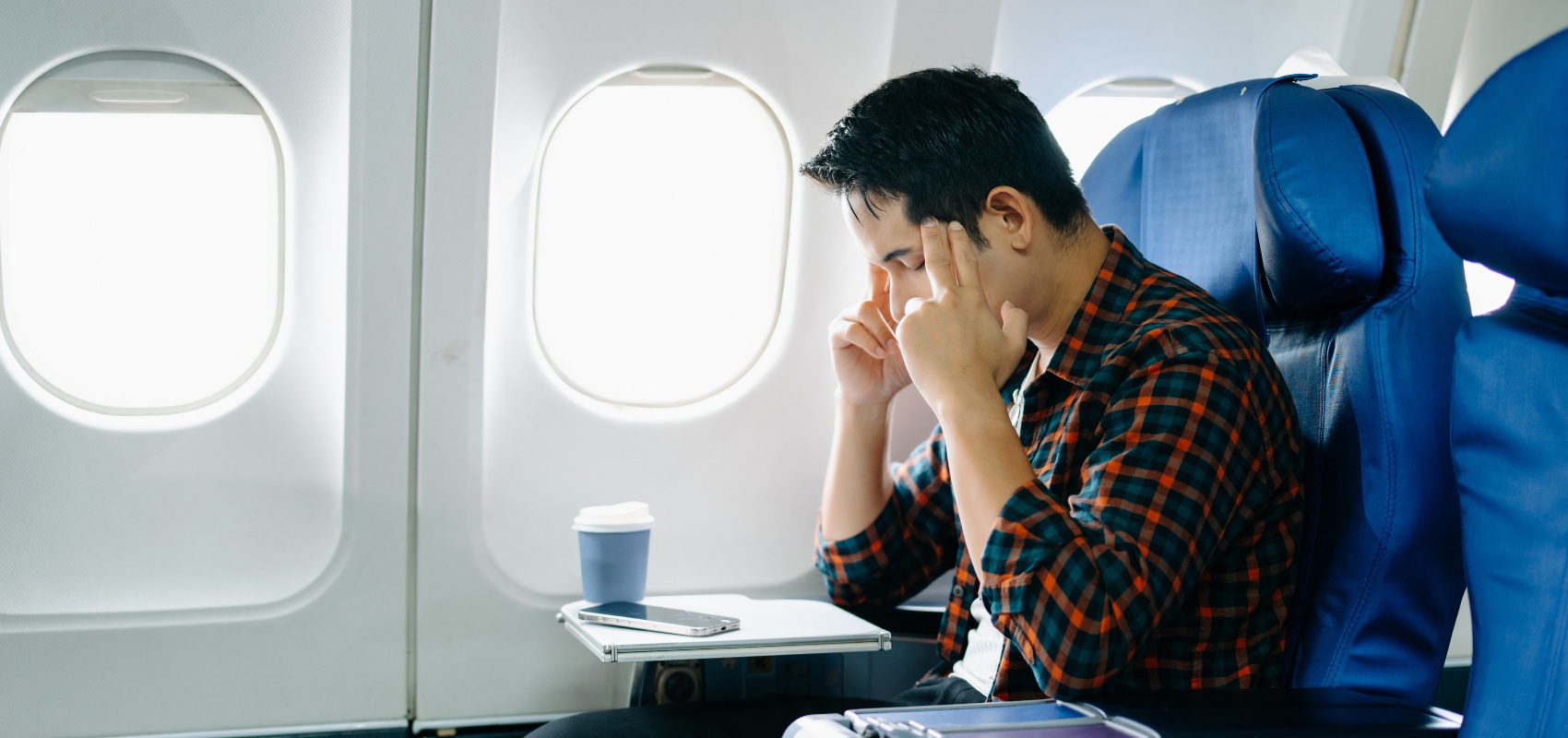
Mild dehydration may cause:
- Headache
- Fatigue
- Dizziness
- Dry mouth
- Reduced alertness
Because dehydration and jet lag share similar symptoms, many travelers assume they are the same issue. They are not. One is fluid imbalance. The other is biological clock disruption.
How Long Does Jet Lag Typically Last?
Jet lag is temporary, but the timeline varies from person to person. In general, many sleep experts estimate recovery at about one day per time zone crossed. Eastward travel often takes longer to adjust to than westward travel because it requires falling asleep earlier than your body naturally prefers.
Factors that influence recovery time include:
- Number of time zones crossed
- Direction of travel
- Age
- Sleep habits before departure
- Overall health
Most healthy adults begin to feel more normal within several days as their circadian rhythm gradually aligns with local time.
What Is IV Hydration Therapy?
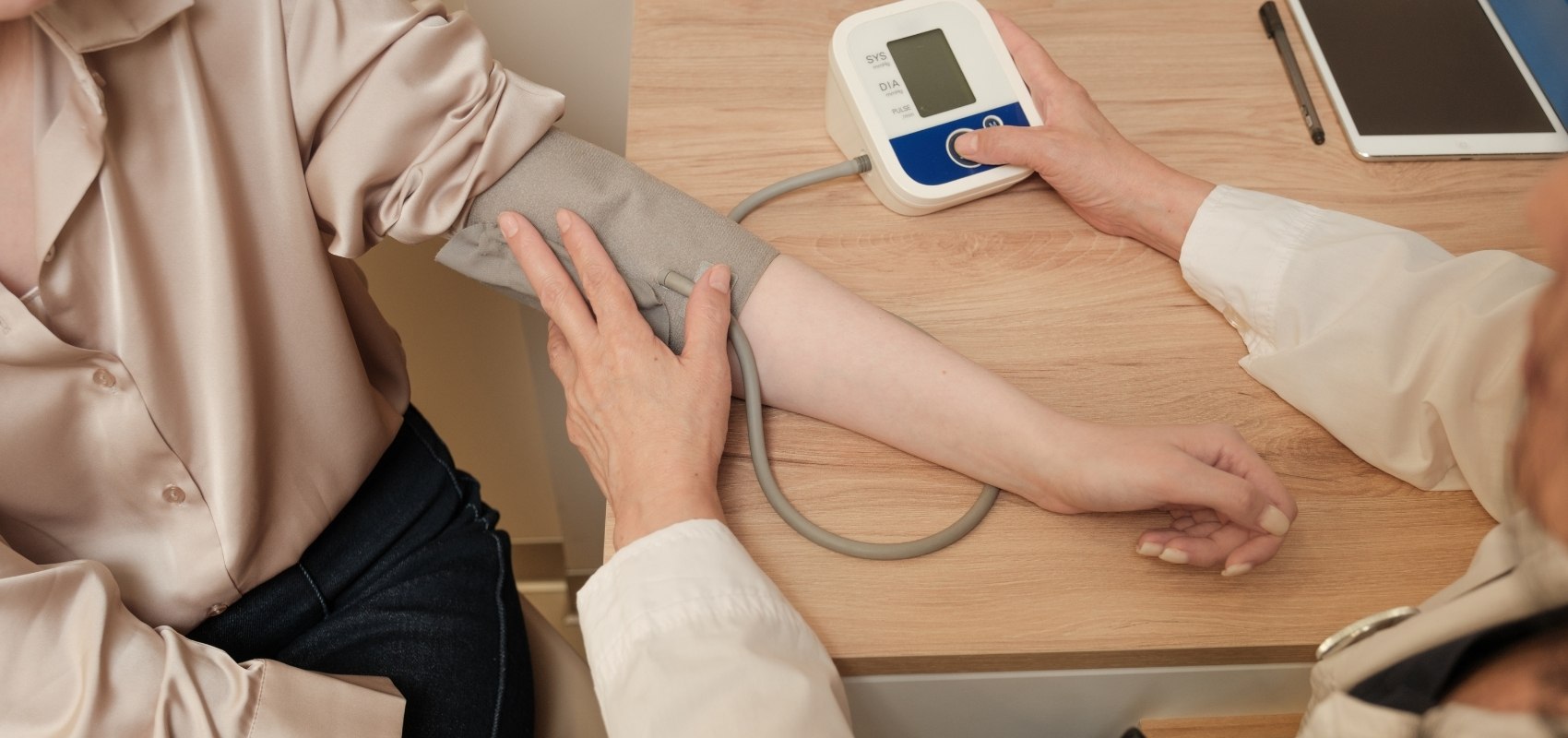
IV hydration therapy involves delivering fluids directly into a vein. Most solutions contain sterile saline or lactated Ringer’s solution. Some formulations include electrolytes and certain vitamins.
In hospitals, IV fluids are used to treat moderate to severe dehydration, vomiting, heat illness, or other medical conditions. In wellness settings, IV hydration is sometimes used for travel fatigue or general recovery support.
Because fluids enter directly into the bloodstream, IV hydration bypasses the digestive system. This allows for rapid fluid delivery, which may be useful if someone cannot tolerate oral fluids.

Does IV Hydration Help Jet Lag?
IV hydration may help with dehydration-related symptoms. It does not correct circadian rhythm misalignment.
There are currently no large randomized clinical trials showing that IV therapy for jet lag resets the internal clock. Evidence-based strategies for jet lag focus on circadian adjustment.
Experts often recommend:
- Gradual sleep schedule shifts before travel
- Timed light exposure
- Short-term melatonin use under medical guidance
- Consistent sleep timing at your destination
Melatonin may be a short-term aid for jet lag. Melatonin can reduce jet lag symptoms when taken at appropriate times after eastward travel. However, IV hydration does not influence melatonin release or circadian timing.
Potential Benefits of IV Hydration for Travelers
Rapid Rehydration
For individuals with moderate dehydration or those unable to drink fluids due to nausea, IV therapy can restore fluid balance quickly. IV fluids may be an appropriate treatment for more significant dehydration in medical settings.
Electrolyte Support
Electrolytes such as sodium and potassium are essential for nerve and muscle function. Significant imbalances can cause weakness and fatigue. Most healthy travelers can restore electrolytes with oral fluids and balanced meals. IV electrolyte replacement is usually reserved for clinically meaningful imbalances.
Temporary Symptom Relief
Some travelers report feeling more alert after IV hydration. If dehydration was contributing to symptoms, rehydration may improve headache or lightheadedness. Expectations should remain realistic. IV hydration may support recovery in selected patients, but it is not guaranteed to eliminate travel fatigue.
Risks and Safety Considerations
IV hydration is generally considered low risk when performed in a proper clinical setting, but it is not risk-free.
Possible minor side effects include:
- Bruising
- Discomfort at the IV site
- Mild vein irritation
- Less common but more serious risks include:
- Infection
- Fluid overload
- Electrolyte imbalance
Excessive fluid administration can strain the heart and kidneys in susceptible individuals.
Individuals who should use caution include those with:
- Heart failure
- Chronic kidney disease
- Certain electrolyte disorders
- Pregnancy without physician guidance
Medical screening and clinical monitoring are important to reduce risks
When IV Hydration May Be Reasonable
IV hydration for travel may be appropriate in selected patients who:
- Show clear signs of dehydration
- Cannot tolerate oral fluids
- Have prolonged long-haul travel with significant fluid loss
- Require medical supervision due to health conditions
In these cases, IV therapy may serve as an adjunctive support within a broader travel recovery plan.
When IV Hydration May Be Unnecessary
For many healthy adults, IV hydration is not medically required.
It may be unnecessary when:
- Symptoms are mild
- You can drink fluids normally
- Travel involved one or two time zones
- Fatigue is clearly related to sleep disruption
Key alternatives include:
- Drinking water consistently during travel
- Limiting alcohol and caffeine
- Using timed light exposure
- Gradually adjusting sleep before departure
- Discussing melatonin use with a healthcare provider
These approaches address the primary cause of jet lag more directly.

Practical Jet Lag Recovery Plan (With and Without IV Hydration)
Step 1: Hydrate Smart Before, During, and After Your Flight
- Start the day before you fly: Aim for steady water intake instead of chugging right before boarding.
- During the flight: Sip water regularly. If you are prone to swelling or stomach upset, smaller, consistent amounts often feel better than large volumes at once.
- After landing: Keep hydration consistent for the first 24 hours, especially if you are walking a lot, in dry climates, or drinking more caffeine than usual.
- When oral hydration is usually enough: If you can drink and keep fluids down, and your symptoms are mild, oral fluids and electrolytes are typically sufficient.
Step 2: Use Light Exposure To Reset Your Internal Clock
Light is one of the strongest signals for shifting your circadian rhythm.
- Morning light helps you shift earlier (often useful after eastward travel).
- Evening light helps you shift later (often useful after westward travel).
- Even 20 to 30 minutes outdoors can be meaningful, depending on conditions.
If you are unsure, keep it simple: get outside in daylight soon after waking at your destination and avoid bright light late at night.
Step 3: Time Your Sleep
Jet lag improves when your sleep window matches local time.
- If you arrive early, avoid long naps that can delay nighttime sleep.
- If you must nap, keep it short and earlier in the day.
- Try to anchor your schedule with a consistent wake time for the first few days.
Step 4: Be Strategic With Caffeine and Alcohol
- Caffeine may help with alertness, but late-day use can worsen insomnia.
- Alcohol can increase dehydration risk and disrupt sleep quality, even if it makes you feel sleepy initially.
A practical rule: caffeine earlier, alcohol minimal, and neither as a “fix” for jet lag.
This jet lag recovery plan is for general educational purposes only and is not medical advice. If you have a medical condition, take prescription medications, are pregnant, or develop severe or persistent symptoms, consult your physician before making changes.
Special Considerations for Frequent Business Travelers
Frequent flyers often experience repeated sleep disruption, irregular meals, and ongoing circadian strain. Over time, this pattern may contribute to cumulative fatigue rather than a single episode of jet lag.
For these individuals, the focus should be on long-term rhythm stability. Consistent sleep schedules when home, strategic light exposure, regular exercise, and balanced nutrition are foundational.
Cost and Convenience Considerations
IV therapy sessions can range widely in price depending on location, formulation, and medical oversight. In contrast, oral hydration, light exposure, and sleep adjustment strategies cost little and are supported by stronger evidence for circadian recovery.
There is also a time factor. An IV session requires scheduling, clinical screening, and time for administration. For many healthy travelers with mild symptoms, simpler approaches may be more practical and sufficient.
Before choosing IV hydration, it is reasonable to weigh whether your symptoms reflect true dehydration or typical jet lag that will improve naturally over several days.
Frequently Asked Questions (FAQs)
Can IV hydration help with nausea or motion sickness after flying?
It may help if nausea is preventing you from drinking and you are becoming dehydrated. IV fluids do not treat the underlying cause of motion sickness, so persistent vomiting or severe dizziness should be evaluated by a clinician.
What are realistic expectations for results?
There is no strong evidence that IV therapy prevents colds or flu. The most reliable prevention tools are sleep, hand hygiene, and staying current on recommended vaccines when appropriate.
Is it safe to get IV hydration immediately after a long flight?
Often, yes, when performed with proper screening and sterile technique. If you have heart, kidney, or blood pressure issues, or you notice unusual swelling or shortness of breath after flying, talk to a clinician first.
Should you eat before an IV hydration session?
Usually, a light meal helps reduce lightheadedness and supports steady energy. If your stomach is sensitive, keep it simple and avoid alcohol before and after.
What should you look for in a safe IV hydration provider?
Look for medical oversight, health screening, sterile practices, and monitoring during treatment. For more info, contact trusted providers like BioRestore to discuss whether IV hydration is appropriate for your travel needs.
Bottom Line
IV hydration for travel and jet lag may help if true dehydration is present, but it does not reset your internal clock or instantly resolve jet lag. For most healthy travelers, light exposure, sleep timing, and consistent oral hydration remain the most effective strategies.
IV therapy can serve as adjunctive support in selected cases when medically appropriate. To learn whether IV hydration makes sense for your situation, contact BioRestore in Connecticut for a supervised evaluation.
DISCLAIMER:
This content is for informational purposes only and is not a substitute for professional medical advice, diagnosis, or treatment. IV hydration for travel and jet lag is not guaranteed to resolve symptoms, and individual results vary. Always consult your physician before starting any medical or wellness therapy, especially if you have underlying health conditions or take prescription medications. For questions about medically supervised IV hydration, contact BioRestore for more information.
SOURCES:
National Institute of General Medical Sciences. (n.d.). Circadian rhythms. https://www.nigms.nih.gov/education/fact-sheets/Pages/circadian-rhythms
Centers for Disease Control and Prevention. (n.d.). Jet lag. https://wwwnc.cdc.gov/travel/page/jet-lag
National Research Council (US) Committee on Air Quality in Passenger Cabins of Commercial Aircraft. (2002). The airliner cabin environment and the health of passengers and crew: Environmental control (Chapter 2). National Academies Press. https://www.ncbi.nlm.nih.gov/books/NBK207472/
Harvard Health Publishing. (2015, August 6). Melatonin for jet lag. Harvard Medical School. https://www.health.harvard.edu/sleep/melatonin-for-jet-lag
Castera, M. R., & Borhade, M. B. (2025). Fluid management. In StatPearls. StatPearls Publishing. https://www.ncbi.nlm.nih.gov/books/NBK532305/
Shrimanker, I., & Bhattarai, S. (2023). Electrolytes. In StatPearls. StatPearls Publishing. https://www.ncbi.nlm.nih.gov/books/NBK541123/
Patil, V. P., & Salunke, B. G. (2020). Fluid Overload and Acute Kidney Injury. Indian journal of critical care medicine : peer-reviewed, official publication of Indian Society of Critical Care Medicine, 24(Suppl 3), S94–S97. https://doi.org/10.5005/jp-journals-10071-23401