Workout recovery supplements are products marketed to support goals such as muscle protein synthesis, hydration, or reduced soreness after exercise. Their usefulness depends on the ingredient, dose, training demands, overall diet, and individual health status, not simply on what is trending on the shelf.
Table of Contents
- Why Recovery Nutrition Has Become a Science
- The Core Supplements With the Strongest Evidence
- Supplements With Emerging or Mixed Evidence
- How Hormonal Health Affects Recovery
- Comparing Common Recovery Supplements
- Things to Know
- Take the Next Step Toward Smarter Recovery
- Frequently Asked Questions
Key Takeaways
- Protein and creatine monohydrate have some of the strongest evidence for specific exercise-related goals, although their benefits depend on the training context, diet, dose, and individual response.
- Recovery supplements work best as adjuncts to adequate sleep, hydration, nutrition, and structured training, not as replacements for them.
- Persistent fatigue, poor recovery, or changes in strength can have many causes. Hormone deficiency should not be inferred from workout response alone and requires appropriate clinical evaluation.
- Evidence for BCAAs and probiotics is more limited and context-dependent. BPC-157 lacks adequate human safety and efficacy data and is not FDA-approved for therapeutic use.
- The NIH Office of Dietary Supplements notes that evidence varies substantially by ingredient: some performance-supplement ingredients may help with specific goals, while others have little evidence of benefit or may pose risks.
- Always consult a qualified clinician before adding new recovery supplements, particularly if you are managing a chronic condition or taking medications.
Why Recovery Nutrition Has Become a Science
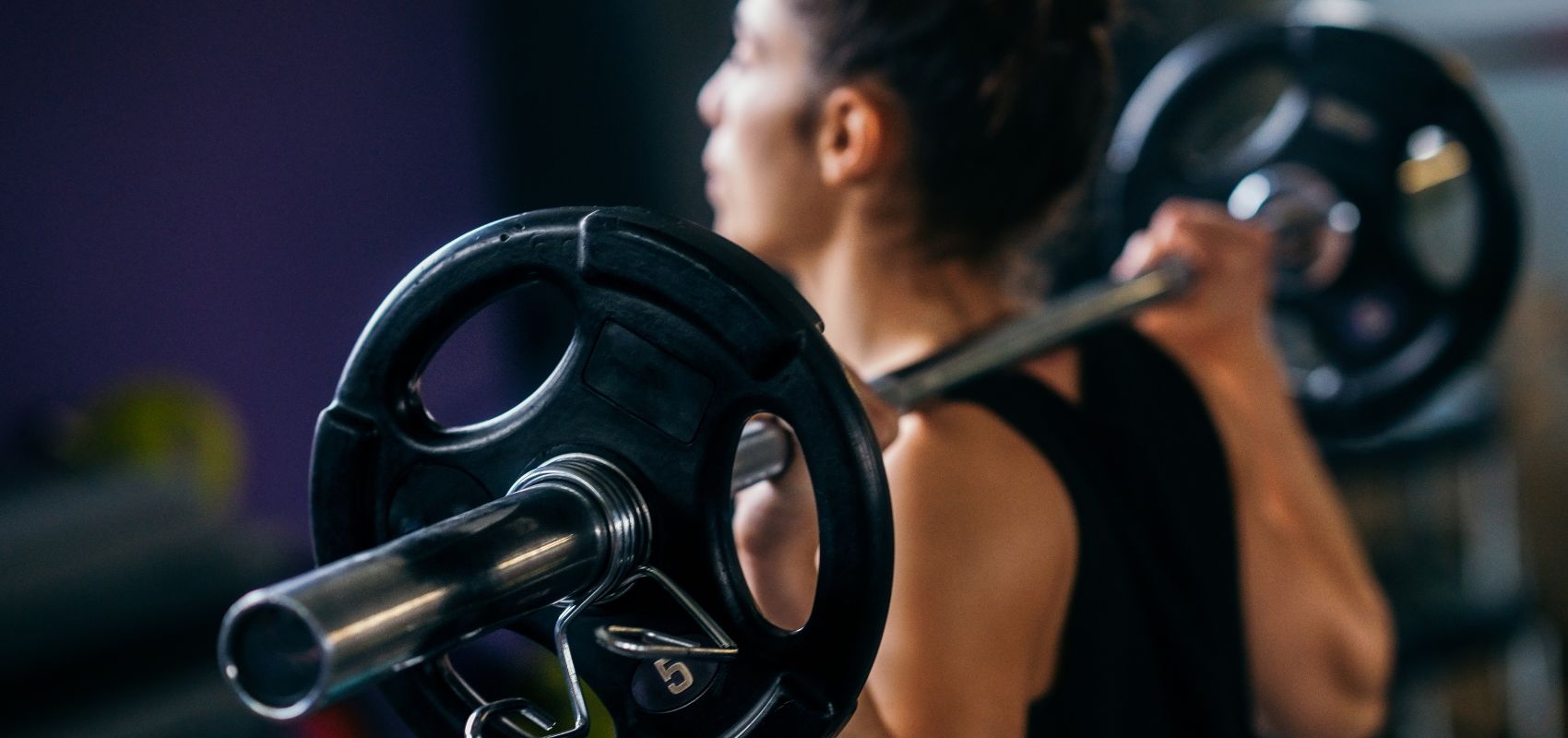
Post-workout nutrition is now studied as part of a broader recovery picture that includes total nutrient intake, protein distribution, hydration, sleep, and training load. The key point for consumers is that a supplement’s popularity is not evidence of efficacy. The NIH Office of Dietary Supplements reviews common performance ingredients and notes that the strength of evidence varies widely by ingredient and goal.
Supplement use is common, but prevalence does not establish effectiveness. When evaluating a recovery product, prioritize randomized trials, systematic reviews, dosing data, safety information, and whether the product addresses a real nutritional or performance need.
Understanding what actually works, and what is still mostly marketing, is where a solid workout recovery supplements guide becomes essential.
The Core Supplements With the Strongest Evidence
Not all recovery products are backed equally. The following categories have the most consistent support from peer-reviewed research.
Protein
Protein supplementation can support muscle repair by providing essential amino acids needed for muscle protein synthesis. A 2018 systematic review and meta-analysis of 49 trials found that protein supplementation modestly improved gains in strength and fat-free mass during prolonged resistance training, with total daily protein intake playing an important role. Both whey and appropriately formulated plant proteins can be effective when they provide sufficient essential amino acids. Precise post-workout timing appears less important than consistently meeting total protein needs.
Creatine Monohydrate
Creatine monohydrate is one of the most extensively studied sports supplements. It increases intramuscular phosphocreatine availability, which supports rapid ATP regeneration during repeated high-intensity efforts. The NIH Office of Dietary Supplements reports that creatine can improve strength and power in activities involving repeated short bursts, although benefits vary by activity and individual response.
Electrolytes
Electrolytes, particularly sodium, can help replace sweat losses during prolonged exercise, especially in hot conditions or for people with high sweat rates. However, electrolyte loss is not a universal explanation for exercise-associated muscle cramps. The National Athletic Trainers’ Association recommends individualized fluid-replacement strategies based on factors such as sweat rate, exercise demands, and environmental conditions.
Caffeine
Caffeine is primarily a performance aid rather than a recovery supplement. The NIH Office of Dietary Supplements notes that about 2 to 6 mg/kg taken before exercise can improve performance in some people, particularly during endurance and intermittent-intensity activities. Taking more does not necessarily improve performance further and can increase the risk of side effects, including sleep disruption.
Supplements With Emerging or Mixed Evidence
BCAAs (Branched-Chain Amino Acids)
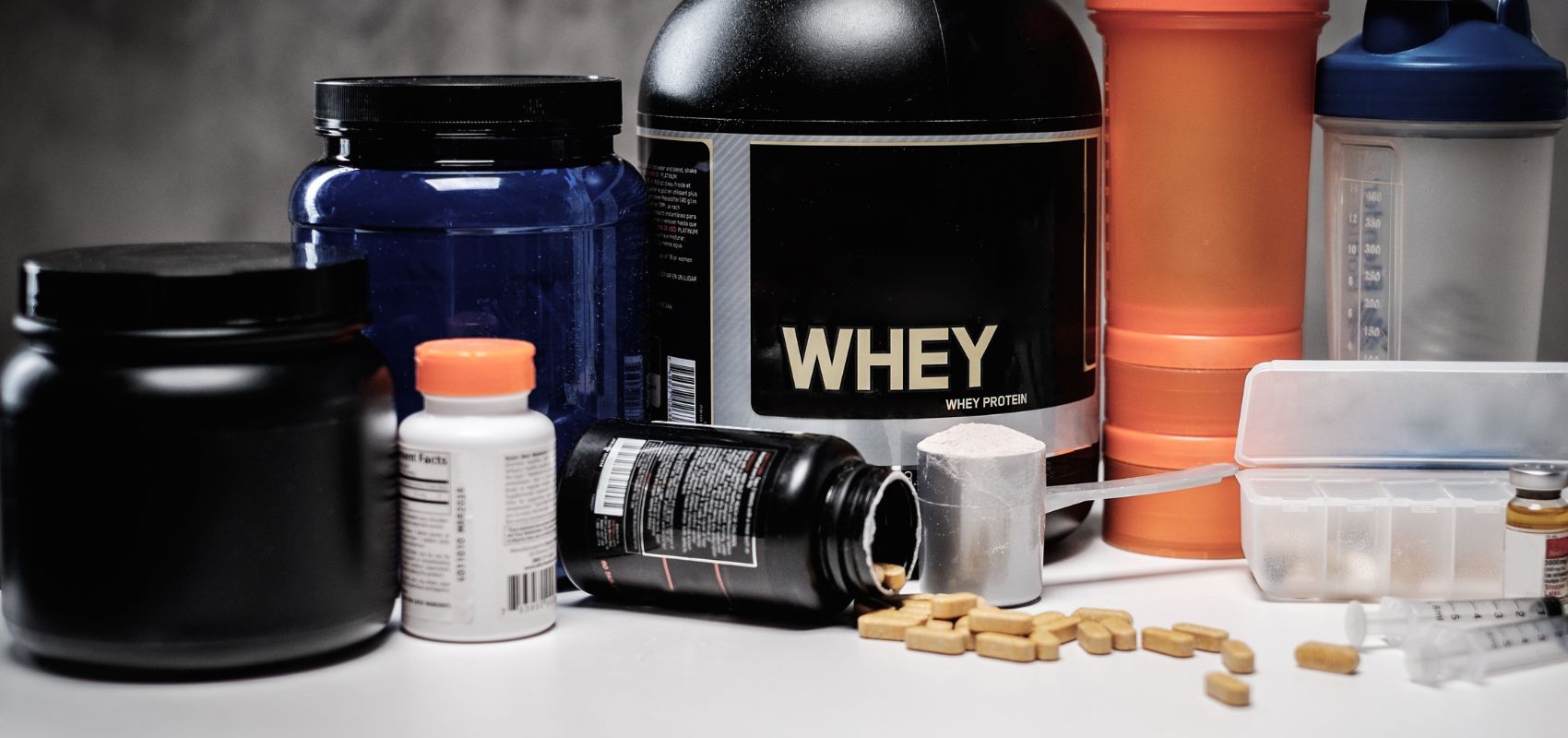
BCAAs, particularly leucine, isoleucine, and valine, are frequently marketed for reducing delayed-onset muscle soreness (DOMS) and supporting recovery. However, the NIH Office of Dietary Supplements notes that studies have not consistently shown that BCAA supplements improve performance, build muscle, or aid recovery when adequate complete protein is already available in the diet. Their role is therefore more limited than many supplement labels suggest.
Probiotics
Probiotics are not traditional workout recovery supplements, and their effects are strain- and dose-specific. An International Society of Sports Nutrition position stand found potential benefits for gut and immune health and identified early evidence for selected strains in exercise recovery, but it also emphasized that many performance-related effects require more rigorous human validation.
Peptide Compounds
Peptide products are increasingly marketed for recovery, but marketing claims can outpace human evidence. BioRestore Health’s overview of BPC-157 peptide research discusses this investigational compound, while the FDA reports that it has identified no or only limited safety information for proposed routes of BPC-157 administration and lacks sufficient information to determine whether compounded BPC-157 may harm humans. BPC-157 is not FDA-approved as a therapeutic drug.
How Hormonal Health Affects Recovery
Hormones such as testosterone and estrogen influence muscle physiology, but workout soreness or slow progress alone cannot establish a hormonal disorder. Persistent fatigue, loss of strength, menstrual changes, sexual symptoms, or other concerns warrant an individualized clinical assessment rather than assumptions based on supplement response.
For women exploring perimenopause symptoms and treatment options, changes in sleep, body composition, and musculoskeletal health may affect how training and recovery feel during the menopause transition. For men, suspected testosterone deficiency should be evaluated clinically rather than inferred from recovery time or gym performance.
This is where understanding what integrative medicine is can provide useful context. An integrative approach considers nutrition, sleep, training, medications, symptoms, and other health factors together rather than attributing every recovery problem to a single cause.
For people managing weight alongside training, research on tirzepatide weight loss results is also relevant to body-composition planning. Weight-loss therapies can affect total body mass and lean mass, so resistance training, adequate protein intake, and clinician-guided nutrition may be important considerations during treatment.
Comparing Common Recovery Supplements
| Supplement | Primary Benefit | Evidence Level | Timing |
| Whey/Plant Protein | Muscle protein synthesis | Strong | 0-2 hours can be practical; total daily intake matters more |
| Creatine Monohydrate | ATP resynthesis, strength | Strong | Daily, anytime |
| Electrolytes | Hydration, muscle function | Moderate-Strong | During and after training |
| BCAAs | Possible soreness benefit; limited added value with adequate protein | Limited / mixed | Pre, intra, or post-workout |
| Probiotics | Strain-specific gut and immune effects | Strain-specific / emerging | Depends on the studied strain and product |
| BPC-157 | Proposed tissue-repair effects | Insufficient human safety and efficacy evidence | Not an FDA-approved recovery therapy |
Things to Know

- Supplement quality varies widely. The FDA does not review dietary supplements for safety or efficacy before they reach the market, so look for products that carry third-party certifications such as NSF Certified for Sport or Informed Sport.
- Timing matters more for some ingredients than others. For protein, total daily intake and distribution across the day generally matter more than hitting a narrow 30- to 60-minute post-workout window.
- Recovery supplements cannot compensate for chronically inadequate sleep. Controlled research has found that sleep restriction can reduce myofibrillar protein synthesis, reinforcing sleep as an important part of recovery.
- Individual response varies based on genetics, training history, and underlying health conditions. What works for one person may be ineffective or counterproductive for another.
- Stacking multiple supplements without clinical guidance can lead to overlapping ingredients, excessive doses, or interactions with medications.
Take the Next Step Toward Smarter Recovery
Recovery is not just about what you take. It is also about understanding why your body responds the way it does. If your current supplement protocol is not delivering the results you expect, a personalized, physician-supervised evaluation may reveal underlying hormonal or metabolic factors that no supplement can address on its own.
Book a consultation with BioRestore Health to receive a thorough clinical assessment of your recovery, hormonal health, and personalized supplement guidance from a physician-directed team. Take the next step by scheduling your appointment through the BioRestore Health contact page today.
Frequently Asked Questions
Q: What is the most effective supplement for post-workout muscle recovery?
Protein and creatine monohydrate have the strongest evidence base for supporting post-workout muscle recovery.
Protein provides the amino acids needed for muscle repair and synthesis, while creatine helps restore the energy substrates depleted during high-intensity training. Both are well-tolerated and widely studied across different athletic populations.
Q: Do I need recovery supplements if I eat a balanced diet?
Whole foods can cover most recovery needs for recreational athletes, but targeted supplementation may offer additional benefits for those with high training volumes.
If you are training multiple times per week, have specific performance goals, or have dietary restrictions that limit your nutrient intake, supplementation can help fill meaningful gaps. A clinician or registered dietitian can help you identify where supplementation adds real value.
Q: Is this workout recovery supplements guide applicable to women as well as men?
Yes, though the specific supplement needs and dosing considerations may differ between men and women, particularly at different life stages.
Women in perimenopause or postmenopause, for example, may have different recovery profiles due to shifting estrogen and progesterone levels. Hormonal context significantly shapes how recovery supplements perform.
Q: Are peptide-based recovery compounds safe to use?
BPC-157 is not FDA-approved for therapeutic use, and the FDA reports that available safety information for proposed routes of administration is limited. It should not be presented as an established workout-recovery treatment.
Preclinical findings have prompted interest in tissue repair, but current human evidence is insufficient to support broad safety or efficacy claims. Consumers should discuss any product marketed as BPC-157 with a licensed healthcare professional and consider the regulatory and quality-control uncertainties.
Q: How long does it take to notice results from recovery supplements?
This depends on the supplement type, your training consistency, and your individual physiology. There is no universal timeline.
Creatine loading protocols may produce strength-related changes within a few weeks, while protein’s effects on body composition are typically visible over months of consistent use. If progress is unexpectedly poor despite appropriate training, nutrition, and recovery, a clinician can evaluate whether a medical issue may be contributing.
Medically Reviewed by: Dr. Matthew Stanizzi, MD | Board-Certified Urologist | Medical Director, BioRestore Health | 12+ Years in Clinical Urology | Last Updated: June 2026
Disclaimer: This article is intended for educational purposes only and does not constitute medical advice. Workout recovery supplements and peptide therapies should be evaluated and monitored by a qualified healthcare provider. Individual results vary, and supplementation strategies should be tailored to your specific health status, training level, and clinical history.