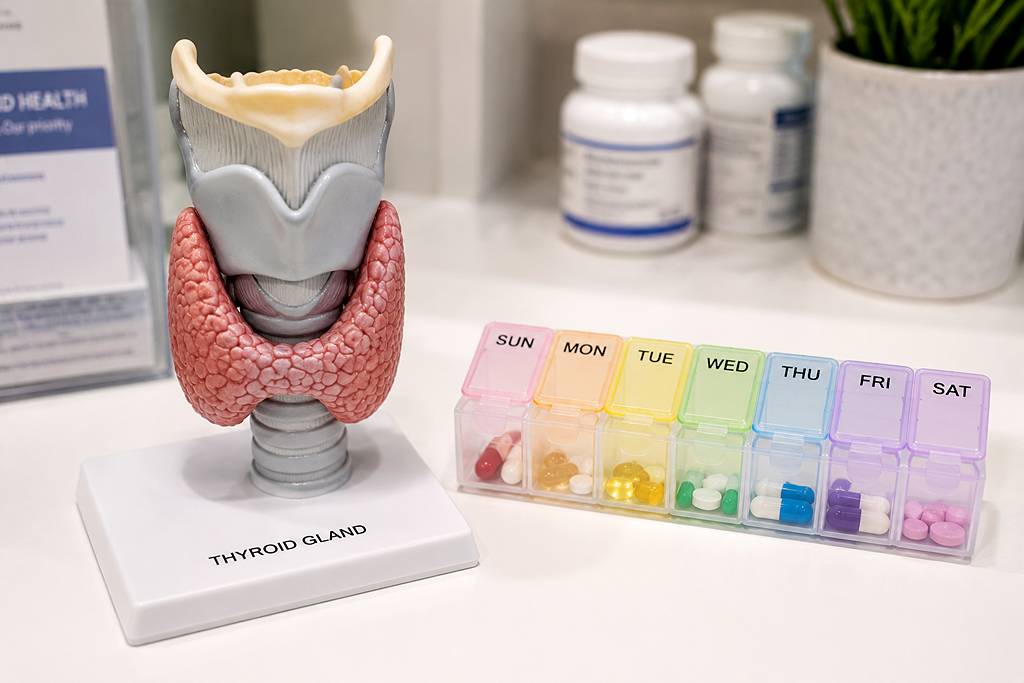
Cortisol and weight gain belly fat share a direct connection through your body’s stress response system. Cortisol, your body’s primary stress hormone, directly promotes fat storage in the abdominal region by activating glucocorticoid receptors concentrated in belly fat tissue. When cortisol levels stay elevated for weeks or months, the result is a distinct pattern of weight gain that resists diet and exercise alone.
Table of Contents
- The Biology Behind Cortisol and Belly Fat
- Why Cortisol Triggers Belly Fat Specifically
- How Cortisol and Weight Gain Disrupt Other Hormones
- What Elevated Cortisol Actually Feels Like Day to Day
- Lifestyle Strategies for Cortisol and Weight Gain Reduction
- When Lifestyle Changes Are Not Enough
The Biology Behind Cortisol and Belly Fat
Cortisol is produced by the adrenal glands in response to physical or psychological stress. Under normal conditions, this release is short-lived and protective. It raises blood sugar, sharpens focus, and prepares muscles for action. Once the stressor passes, cortisol drops back to baseline.
However, the problem begins when stress becomes chronic. Modern American life—whether involving financial pressure, poor sleep, demanding work schedules, or unresolved health issues—can keep the hypothalamic-pituitary-adrenal (HPA) axis in a near-constant state of activation. A 2024 comprehensive review published in Clinical Obesity confirmed that chronic exposure to elevated glucocorticoids like cortisol is increasingly linked to obesity development. Moreover, the HPA axis plays a central role in how stress disrupts both metabolism and fat distribution.
When cortisol stays elevated, it raises circulating blood glucose to keep you ready for a perceived threat. Your pancreas responds by releasing insulin. Over time, that sustained insulin response makes cells less sensitive to insulin’s signal, a state known as insulin resistance. As a result, excess glucose that cannot enter cells efficiently gets converted and stored as fat, with a strong preference for the abdominal area.
The global scale of the problem is significant. According to the National Institutes of Health (updated January 2025), more than two in five American adults are classified as obese. Additionally, more than one in three men and more than one in four women are overweight. While cortisol is not the only driver, its role in fat distribution and metabolic disruption is increasingly difficult to separate from the broader obesity picture.
Why Cortisol Triggers Belly Fat Specifically

Not all fat is created equal, and cortisol has a preferential relationship with visceral fat. This is the deep abdominal fat that surrounds internal organs. The reason comes down to receptor density. Abdominal fat tissue has a higher concentration of glucocorticoid receptors than subcutaneous fat (the kind stored just beneath the skin). Therefore, cortisol binds more readily to belly fat cells, signaling them to grow and hold on to stored energy.
This is clinically relevant because visceral fat is not metabolically inert. It releases inflammatory cytokines, disrupts insulin signaling, and has been associated with increased cardiovascular risk. This is true independent of overall body weight. Someone can have a relatively normal BMI but still carry enough visceral fat to face meaningful metabolic risk.
This receptor-density difference also explains a frustrating clinical pattern in cortisol and weight gain belly fat cases. People under chronic stress often lose weight in the limbs and face while the midsection stays stubbornly resistant. If that pattern sounds familiar, cortisol physiology may be a significant contributor.
The cortisol testing market reflects the growing clinical and consumer interest in understanding this connection. According to industry data, the global cortisol testing market was valued at $2.1 billion in 2025. Furthermore, it is projected to expand to $3.6 billion by 2034, representing a compound annual growth rate of 6.8%. That growth signals how many patients and clinicians are now looking beyond caloric intake as the sole explanation for weight gain.
How Cortisol and Weight Gain Disrupt Other Hormones
Cortisol does not work in isolation. Chronically elevated cortisol suppresses several other hormones that regulate body composition, appetite, and energy use.
Cortisol and Weight Gain Impact on Thyroid Function
Elevated cortisol interferes with the conversion of the inactive thyroid hormone T4 into active T3. Reduced T3 availability slows metabolic rate. Therefore, your body burns fewer calories at rest. This is one reason people with chronic stress often report feeling cold, fatigued, and unable to lose weight even when eating carefully.
Cortisol and Weight Gain Effects on Sex Hormones
A 2024 review published in PMC found that glucocorticoids directly inhibit pituitary gonadotropin release. This lowers luteinizing hormone (LH) and follicle-stimulating hormone (FSH), the hormones that signal the gonads to produce testosterone and estrogen. Lower testosterone in men correlates directly with increased fat mass and reduced lean muscle. This pattern is consistent with low testosterone symptoms in men that many patients do not initially connect to stress.
For women, suppressed estrogen from HPA axis dysregulation—particularly around perimenopause—shifts fat storage toward the abdomen. Reviewing hormone therapy before and after outcomes helps illustrate how restoring hormonal balance can shift body composition in clinically meaningful ways.
Cortisol and Weight Gain Impact on Appetite Hormones
Additionally, cortisol directly affects ghrelin and leptin, the hormones that govern hunger and satiety. Elevated cortisol tends to increase ghrelin (hunger signal) while blunting leptin sensitivity (fullness signal). The practical result is that you feel hungry even when you have eaten enough calories. Moreover, cravings skew heavily toward calorie-dense, high-carbohydrate foods. This is a hardwired survival response, not a lack of willpower.
What Elevated Cortisol Actually Feels Like Day to Day

Recognizing a cortisol-related pattern is the first step toward addressing it effectively. The symptoms are not always dramatic, and many people normalize them over time.
Common signs that cortisol may be a contributing factor include:
- Persistent belly fat that does not respond to consistent diet and exercise
- Difficulty falling or staying asleep, or waking up unrefreshed despite adequate hours
- Afternoon energy crashes, often accompanied by sugar or caffeine cravings
- Feeling wired but tired simultaneously, especially in the evenings
- Increased frequency of illness (cortisol suppresses immune function when chronically elevated)
- Mild anxiety, irritability, or low mood that seems disproportionate to life circumstances
- Puffiness, particularly in the face and midsection
These symptoms can overlap with thyroid disorders, insulin resistance, and sex hormone imbalances. A physician-supervised hormonal panel is the most reliable way to understand which factors are driving your specific presentation.
Lifestyle Strategies for Cortisol and Weight Gain Reduction
Managing cortisol and weight gain belly fat requires addressing the upstream causes, not just the symptoms. The following approaches have clinical support for lowering cortisol and improving body composition.
Sleep Quality First
Cortisol follows a diurnal rhythm, peaking in the early morning and declining through the day. Poor sleep disrupts this rhythm and keeps evening cortisol elevated when it should be at its lowest. Therefore, prioritizing 7 to 9 hours of consistent, high-quality sleep is arguably the highest-leverage intervention for cortisol regulation.
Resistance Training Over Chronic Cardio
Moderate-intensity resistance training improves insulin sensitivity and supports lean mass. This raises resting metabolic rate. However, chronic, high-volume cardio can actually increase cortisol output in some individuals. A balanced program with two to four resistance sessions per week and low-intensity aerobic activity tends to be more cortisol-friendly than daily intense workouts.
Mindfulness-Based Stress Reduction
The evidence here is stronger than many people expect. A four-month mindfulness program studied in obese women reduced cortisol levels at waking. This correlated with a measurable decrease in abdominal fat. Participants who reported the greatest reductions in chronic stress also lost the most belly fat. Consistent mindfulness practice, even 10 to 15 minutes daily, can meaningfully lower HPA axis reactivity over time.
Dietary Patterns That Support Cortisol Balance
Skipping meals raises cortisol. So does excessive caffeine intake, particularly before noon. A diet centered on protein at each meal, fiber-rich vegetables, healthy fats, and consistent meal timing helps stabilize blood glucose. In addition, it reduces the cortisol spikes that accompany energy crashes. Reducing ultra-processed food intake also lowers systemic inflammation, which is itself a cortisol stimulus.
Targeted Supplementation
Certain nutraceuticals have been studied for HPA axis support, including ashwagandha, phosphatidylserine, and magnesium glycinate. These are adjunctive tools, not replacements for lifestyle intervention. Moreover, their use should be guided by a clinician familiar with your full hormonal picture.
When Lifestyle Changes Are Not Enough
For many people, lifestyle modifications produce meaningful improvement. However, for others—particularly those with underlying hormonal imbalances, adrenal dysfunction, or metabolic conditions—the response to lifestyle changes alone can be frustratingly limited.
This is where physician-guided evaluation becomes important. If cortisol-driven belly fat persists despite consistent effort, a comprehensive hormonal workup can identify whether thyroid dysfunction, testosterone deficiency, insulin resistance, or other factors are reinforcing the cycle. Treatment options at a functional wellness practice may include hormone optimization, peptide therapy, medical weight loss protocols, and nutritional support tailored to your specific lab results and symptoms.
It is also worth noting that skin-level changes often accompany the inflammatory state associated with chronic stress. Therefore, patients managing cortisol-related inflammation have found treatments like microneedling for acne scars to be a useful adjunctive option. Reviewing microneedling before and after results can give you a realistic sense of what to expect from aesthetic interventions in that context.
The anti-obesity drug market reflects how serious unresolved weight management has become as a clinical challenge. According to industry data, the global anti-obesity drug market was valued at $9.11 billion in 2025. Additionally, it is projected to reach approximately $99.74 billion by 2035. This growth signals that pharmacological support is increasingly part of comprehensive weight management. In many cases, it works alongside hormonal and lifestyle interventions rather than instead of them.
The key distinction in effective treatment is whether the approach addresses root causes or just suppresses symptoms. Cortisol and weight gain belly fat is rarely a single-variable problem. Instead, it typically involves a web of interconnected hormonal, metabolic, and lifestyle factors that require coordinated evaluation to untangle.
Take Control of Your Cortisol Before It Controls Your Weight

If chronic stress and stubborn belly fat have resisted everything you have tried, a personalized hormonal evaluation may reveal the missing piece. Schedule a consultation with BioRestore Health to speak with a clinician who can assess your cortisol, sex hormones, thyroid function, and metabolic markers together, not in isolation. Book your appointment today and get a clear, physician-guided picture of what is actually driving your symptoms.
Frequently Asked Questions
Q: Can high cortisol cause weight gain even when I’m eating at a calorie deficit?
Yes, chronically elevated cortisol can promote fat storage and muscle loss even when caloric intake appears controlled.
Cortisol raises insulin levels and increases glucocorticoid receptor activity in visceral fat. This encourages fat retention regardless of overall calorie balance. Additionally, cortisol-driven muscle breakdown (catabolism) can lower your resting metabolic rate. Therefore, it makes it progressively harder to maintain a true deficit.
Q: How do I know if my belly fat is from cortisol specifically?
A physician-supervised cortisol panel, often combined with a full hormonal workup, is the most reliable way to identify cortisol’s role in your specific case.
There is no single physical sign that definitively points to cortisol as the sole cause. However, fat concentrated in the midsection combined with sleep disruption, fatigue, and cravings for carbohydrate-dense foods is a pattern that warrants evaluation. Salivary cortisol testing across multiple time points during the day gives a more accurate picture than a single blood draw.
Q: Does stress management alone actually reduce belly fat, or does it require medication?
For some individuals, structured stress reduction produces measurable reductions in abdominal fat without medication, though the degree of response depends heavily on the severity of underlying hormonal disruption.
A four-month mindfulness intervention studied in obese women reduced cortisol levels at waking. This correlated with a decrease in abdominal fat. Moreover, the greatest improvements were seen in those who reported the most significant reductions in chronic stress. However, when cortisol dysregulation is compounded by low testosterone, thyroid dysfunction, or insulin resistance, lifestyle changes alone often produce limited results. In these cases, physician-supervised hormonal evaluation becomes necessary.
Things to Know
- Cortisol follows a predictable daily rhythm, peaking within 30 to 45 minutes of waking and declining through the day. Disrupting this rhythm through late-night screen exposure, irregular sleep schedules, or alcohol interferes with your body’s natural cortisol clearance more than most people realize.
- Visceral fat is metabolically active tissue, not passive storage. It releases inflammatory signals that further stimulate cortisol production. Therefore, this creates a self-reinforcing cycle where belly fat itself becomes a driver of more belly fat accumulation.
- Cortisol testing from a single blood draw captures only one point in a dynamic daily curve. Salivary cortisol testing across four time points (morning, midday, evening, and night) gives a far more clinically useful picture of HPA axis function.
- Intermittent fasting and aggressive calorie restriction can raise cortisol in some individuals. If you are already under chronic stress, very low calorie approaches may worsen the hormonal environment driving your belly fat rather than improve it.
- Alcohol disrupts cortisol metabolism in the liver, extending how long elevated cortisol stays active in circulation. Even moderate, regular alcohol intake can meaningfully impair your body’s ability to reset cortisol levels overnight.
- Not every case of stress-related weight gain involves measurably abnormal cortisol on standard lab ranges. Cortisol sensitivity at the receptor level and HPA axis dysregulation can produce significant metabolic effects even when serum cortisol appears within the normal reference window.
Stop Letting Cortisol Silently Shape Your Body Composition
If stubborn belly fat, chronic fatigue, and disrupted sleep have persisted despite genuine lifestyle effort, the underlying hormonal picture deserves a serious clinical look. Book a personalized consultation with BioRestore Health, where Dr. Matthew Stanizzi and his team evaluate cortisol patterns, sex hormone levels, thyroid function, and metabolic markers together. This becomes part of a physician-guided plan built around your specific physiology. Schedule your appointment today and get clarity on what is actually driving your symptoms, not just a generic plan that ignores the root cause.
Additional Frequently Asked Questions
Q: Can high cortisol cause weight gain even when I’m eating at a calorie deficit?
Yes, chronically elevated cortisol can promote fat retention and muscle loss even when your caloric intake appears controlled.
Cortisol raises circulating insulin and increases glucocorticoid receptor activity in visceral fat. This signals belly fat cells to store energy regardless of overall calorie balance. Moreover, cortisol also accelerates muscle protein breakdown. This lowers your resting metabolic rate over time and makes a true sustained deficit progressively harder to maintain.
Q: How do I know if my belly fat is cortisol-related rather than diet-related?
There is no single symptom that definitively confirms cortisol as the primary driver, but a recognizable pattern of symptoms combined with lab testing can point strongly in that direction.
Fat concentrated in the midsection while the limbs remain relatively lean, combined with poor sleep quality, afternoon energy crashes, and persistent cravings for carbohydrate-dense foods, is a presentation worth evaluating clinically. A salivary cortisol panel measured across multiple time points throughout the day gives a more accurate picture of HPA axis function than a standard single blood draw.
Q: Does stress management alone actually reduce belly fat, or does it require medication?
For some individuals, structured stress reduction produces measurable reductions in abdominal fat without medication, though the degree of response depends heavily on the severity of underlying hormonal disruption.
A four-month mindfulness intervention studied in obese women reduced cortisol levels at waking. This correlated with a decrease in abdominal fat. Furthermore, the greatest improvements appeared in those who reported the most significant reductions in chronic stress. However, when cortisol dysregulation is compounded by low testosterone, thyroid dysfunction, or insulin resistance, lifestyle changes alone often produce limited results. In these cases, physician-supervised hormonal evaluation becomes necessary.
Q: How long does it take to lower cortisol and see changes in belly fat?
There is no universal timeline, and results vary considerably depending on how long cortisol has been elevated and what other hormonal factors are involved.
Physiological changes in cortisol patterns from consistent sleep improvement, resistance training, and stress reduction practices can begin within several weeks. However, meaningful shifts in visceral fat distribution typically take longer and require sustained effort. When underlying hormonal imbalances are identified and addressed through a physician-guided plan, the trajectory often improves more meaningfully than with lifestyle changes alone.
Q: Should I ask my doctor for a cortisol test if I suspect this is my issue?
Yes, and you should request a comprehensive hormonal panel alongside cortisol testing, not cortisol in isolation.
Cortisol interacts closely with thyroid hormones, sex hormones, and insulin. Therefore, evaluating any one of these without the others gives an incomplete picture. A board-certified physician with experience in hormonal and metabolic health can interpret your full panel in context. This helps identify which factors are driving your specific pattern of cortisol and weight gain belly fat. Finally, they can build a treatment plan that addresses causes rather than symptoms.
Disclaimer: This article is intended for educational purposes only and does not constitute medical advice, diagnosis, or treatment. Hormonal health is a complex, individualized area of medicine. Always consult a qualified physician before beginning any new treatment, supplementation, or significant dietary change. Results from hormone optimization, lifestyle interventions, and weight management programs vary by individual and are not guaranteed.