Medically Reviewed by: Dr. Matthew Stanizzi, MD Board-Certified Urologist | Medical Director, BioRestore Health | 12+ Years in Clinical Urology | Last Updated: July 2025
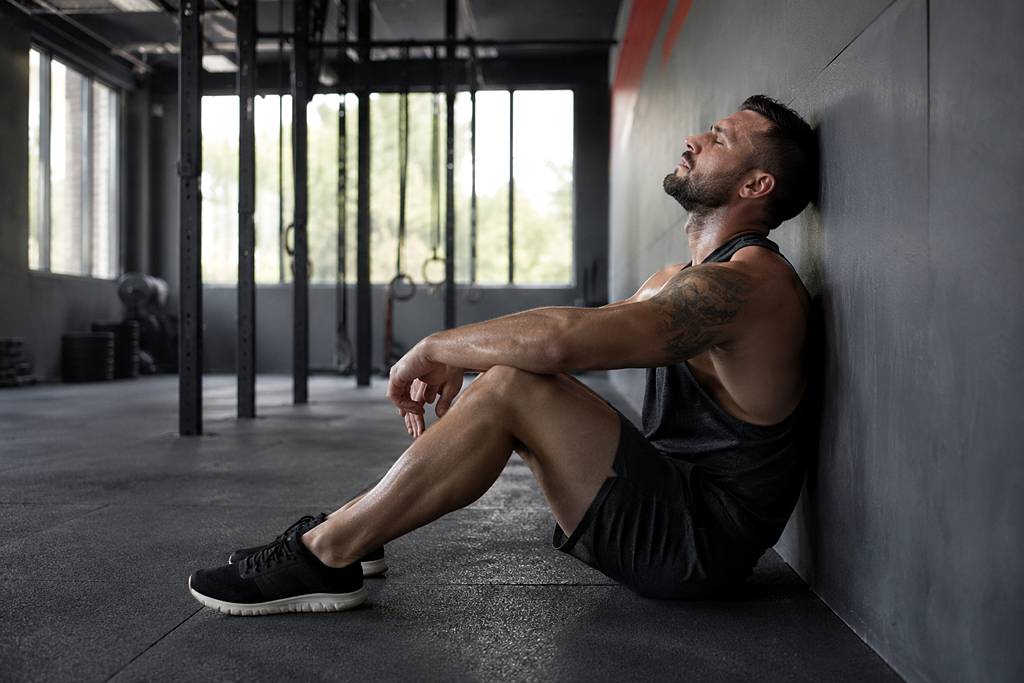
Recovery is not passive rest. Rather, it is an active physiological process where your body repairs muscle tissue, replenishes energy stores, and adapts to the stress you placed on it during training. Understanding how to recover faster from workouts means prioritizing sleep quality, nutrition timing, hydration, and addressing any underlying hormonal factors that slow the process down.
Table of Contents
- Why Recovery Is as Important as the Workout Itself
- Sleep: The Foundation for Faster Workout Recovery
- Nutrition and Hydration Strategies to Help You Recover Faster From Workouts
- Active Recovery, Mobility, and Soft Tissue Work
- Recovery Technology: What the Data Says
- Hormonal Health and Its Role in How Fast You Recover From Workouts
- Building a Personalized Recovery Plan
Why Recovery Is as Important as the Workout Itself
Most people treat recovery as an afterthought. You push through a hard session and feel sore the next day. Many assume the discomfort is just the price of progress. In reality, the adaptation you are training for happens during recovery, not during the workout itself.
When you train, you create microscopic damage to muscle fibers. You also temporarily deplete glycogen stores. Your nervous system is taxed, particularly after heavy compound movements or high-volume sessions. If you return to hard training before these systems have adequately recovered, performance stalls. Additionally, injury risk climbs significantly.
The National Safety Council reported that approximately 4.4 million individuals received treatment in emergency departments for sports and recreational equipment injuries in 2024. This figure reflects what happens when athletes push too hard without adequate attention to recovery.
Skipping recovery work is also counterproductive from a long-term perspective. Furthermore, consistently undertrained recovery means you accumulate fatigue faster than you dissipate it. As a result, this leads to overreaching and, eventually, overtraining syndrome. This condition can sideline you for weeks or months.
Sleep: The Foundation for Faster Workout Recovery
No supplement, modality, or technology replaces the impact of quality sleep on physical recovery. During deep slow-wave sleep, the pituitary gland releases growth hormone in pulses. This is when the bulk of tissue repair and protein synthesis occurs. Shortchanging sleep actively impairs the biological processes that make your training productive.
Adults aiming to improve physical performance should target seven to nine hours of uninterrupted sleep per night. Quality matters as much as quantity. Sleep fragmentation reduces time spent in slow-wave and REM stages. These are the most restorative phases.
Practical steps to improve sleep quality for how to recover faster from workouts:
- Keep a consistent sleep and wake time, even on weekends
- Drop your bedroom temperature to around 65 to 68°F, which supports the natural drop in core body temperature needed for deep sleep
- Avoid screens and bright light within 60 minutes of bedtime
- Limit alcohol, which fragments sleep architecture even when it initially feels sedating
- Consider magnesium glycinate in the evening, as magnesium plays a role in muscle relaxation and sleep quality (consult a clinician before starting any supplement)
If you are sleeping adequately but still waking up feeling unrested, that pattern is worth investigating. Furthermore, struggling to recover between sessions can indicate a deeper issue. Persistent fatigue alongside reduced gym performance can be an early sign of hormonal imbalance. This concept is discussed later in this article.
Nutrition and Hydration Strategies to Help You Recover Faster From Workouts
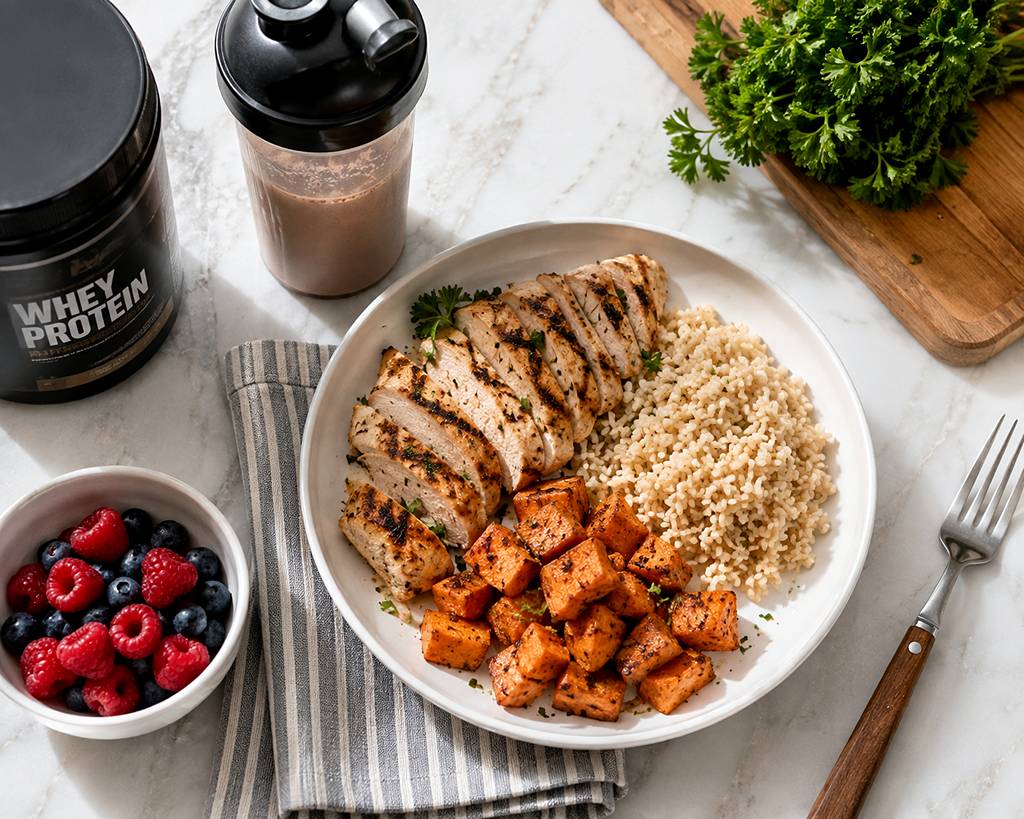
What you eat and drink in the hours surrounding your workouts has a direct impact on recovery speed. Two nutrients matter most in the post-workout window: carbohydrates to replenish glycogen and protein to initiate muscle protein synthesis.
Protein timing and dosing: Current evidence generally supports consuming 20 to 40 grams of high-quality protein within one to two hours after training. Whey protein is particularly well-studied for this purpose. Research published in the Journal of the American Nutrition Association by Kim et al. (2026) found that diet-controlled whey protein supplementation helped mitigate elevated serum creatine kinase levels following continuous resistance exercise. This suggests a role in reducing exercise-induced muscle damage markers.
Carbohydrate replenishment: For athletes training at high volumes or frequency, pair protein with carbohydrates post-workout. This accelerates glycogen resynthesis. Whole food sources like rice, oats, sweet potatoes, or fruit are practical choices.
Hydration: Even mild dehydration impairs muscle function. Additionally, it delays the clearance of metabolic waste products from tissue. A straightforward benchmark is monitoring urine color — pale yellow indicates adequate hydration. For sessions lasting more than 60 minutes or conducted in heat, replacing electrolytes (sodium, potassium, magnesium) alongside water is important.
Anti-inflammatory foods: Tart cherry juice has been studied in the context of muscle soreness. Some evidence suggests it may reduce delayed onset muscle soreness (DOMS). Omega-3 fatty acids from fatty fish or fish oil supplements may also support recovery. These nutrients modulate inflammatory pathways, though results vary between individuals and more research is ongoing.
Active Recovery, Mobility, and Soft Tissue Work
Complete rest is rarely the optimal recovery strategy, especially after moderate-intensity training. Active recovery is defined as low-intensity movement that increases blood flow without adding significant physiological stress. This approach can accelerate the removal of metabolic byproducts like lactate. Additionally, it reduces stiffness.
Practical active recovery options:
- Light walking or cycling at 50 to 60% of maximum heart rate for 20 to 30 minutes
- Swimming or pool walking, which adds a hydrostatic pressure component that may reduce swelling
- Gentle yoga or dynamic stretching routines focused on tight areas
- Foam rolling and self-myofascial release on major muscle groups
Massage therapy is a well-established recovery tool. While the research on its precise mechanisms is still developing, manual therapy appears to help reduce perceived soreness. Furthermore, it improves range of motion after intense training. Note that most recovery modality research, including cryotherapy and massage, currently lacks standardized dosing recommendations. Evidence continues to evolve as of 2024 to 2025.
Cold water immersion (ice baths) has become popular, particularly among endurance athletes. There is evidence it may reduce acute soreness. However, some research suggests it can blunt longer-term hypertrophy adaptations if used after strength training. This trade-off is worth discussing with a sports medicine or performance clinician. This is especially important if you train for muscle building specifically.
Recovery Technology: What the Data Says
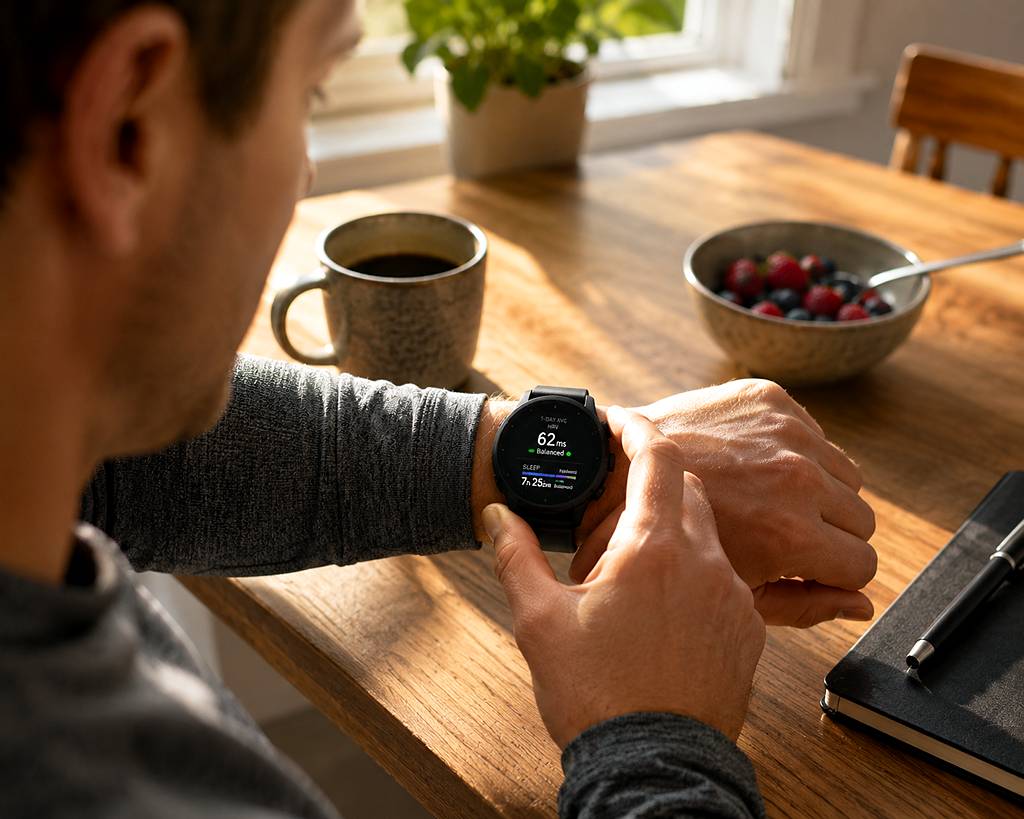
The consumer technology landscape around recovery has expanded rapidly. Wearable devices now provide continuous data on heart rate variability (HRV), resting heart rate, sleep stages, and readiness scores. All of these can serve as proxies for recovery status.
According to the American College of Sports Medicine, more than 70% of wearable users in 2024 reported applying their output data to inform exercise or recovery strategies. The global sports recovery technology market was estimated at $3.1 billion in 2025. Moreover, it is projected to reach $10.5 billion by 2033, expanding at a 9.5% CAGR. This reflects the growing mainstream interest in data-driven recovery (TuffWraps Fitness Industry Statistics, 2026).
HRV in particular has strong theoretical grounding as a recovery marker. A lower-than-baseline HRV reading on a given morning suggests your autonomic nervous system is still under load. This signals that intense training that day may not be productive. Devices like WHOOP, Oura Ring, and Garmin’s Body Battery score aggregate multiple signals. As a result, they give you a daily readiness estimate.
Fitness app usage has also surged significantly. The ACSM reported that more than 345 million people used fitness apps in 2024. These generated more than 850 million downloads. Additionally, many of these apps now include guided recovery protocols alongside training programs. This helps users treat recovery as a structured component rather than an afterthought.
| Technology | Primary Metric | Best Use Case | Limitation |
|---|---|---|---|
| HRV Wearable (e.g., WHOOP, Oura) | Heart rate variability, sleep stages | Daily readiness tracking | Individual baselines vary widely |
| Compression Therapy (e.g., Normatec) | Lymphatic circulation | Post-competition recovery | Limited home access, cost |
| Infrared Sauna | Core temperature, perceived relaxation | Reducing perceived soreness | Evidence still emerging |
| Percussive Massage Devices | Localized muscle tension | Targeted soft tissue release | No substitute for structural issues |
| Fitness Apps | Training load, HRV trends | Programming and recovery tracking | Self-reporting bias |
Hormonal Health and Its Role in How Fast You Recover From Workouts
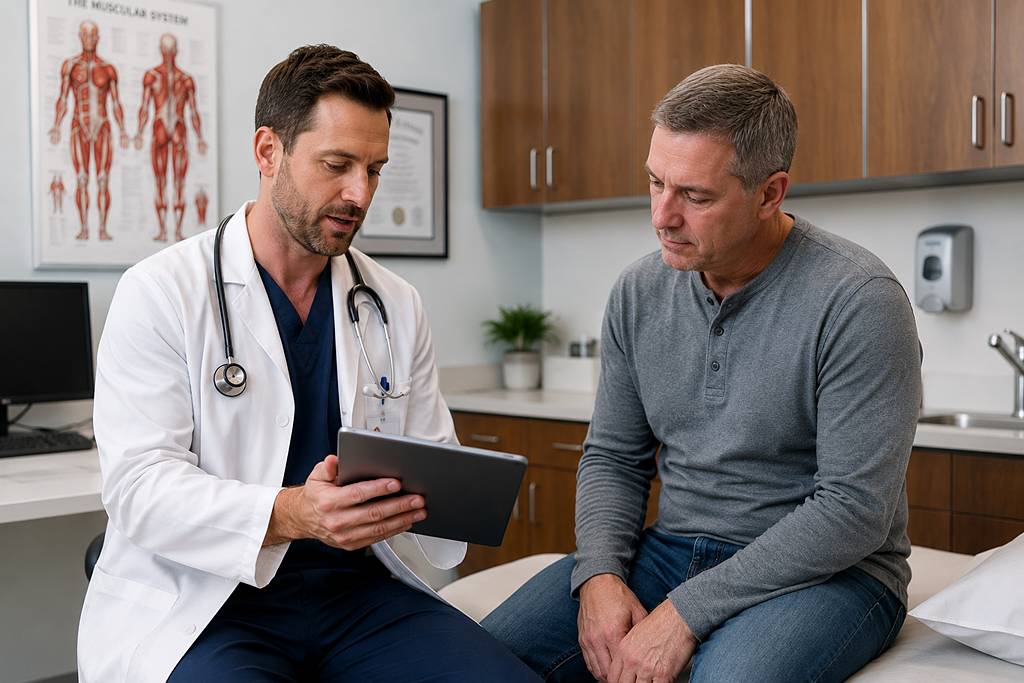
One of the most overlooked variables in recovery is hormonal balance. Testosterone, growth hormone, cortisol, and thyroid hormones all directly influence how efficiently your body repairs muscle. Additionally, they manage inflammation and restore energy.
Testosterone plays a central role in muscle protein synthesis and tissue repair. When testosterone levels are suboptimal, recovery slows noticeably. Men may notice they feel perpetually sore between sessions. Additionally, they see plateaued strength despite consistent training. They experience general fatigue that sleep alone does not resolve. These patterns often overlap with recognized low testosterone symptoms in men. These can be confirmed through a clinical assessment.
Women are equally affected by hormonal fluctuations. Estrogen has a protective effect on muscle tissue. The perimenopausal and postmenopausal decline in estrogen is associated with slower recovery. Additionally, it increases muscle soreness and reduces exercise tolerance. For women considering hormonal support, reviewing hormone therapy before and after outcomes can help contextualize what clinically supervised optimization may offer. This includes physical performance and recovery capacity improvements.
Elevated cortisol, the body’s primary stress hormone, is also a significant recovery disruptor. Chronic psychological stress, poor sleep, and excessive training volume all raise cortisol. Moreover, cortisol has a catabolic effect on muscle tissue. Addressing lifestyle stress alongside physical training load is not optional if recovery is a genuine priority.
Skin integrity is a lesser-discussed but connected factor for athletes who train intensely. High-volume training increases oxidative stress. This can affect skin health. Some athletes interested in skin regeneration alongside performance recovery explore treatments like microneedling for acne scars. Similarly, individuals curious about aesthetic outcomes from such procedures often research microneedling before and after results. This helps set realistic expectations before beginning treatment.
If you suspect hormonal factors are limiting your recovery, a physician-supervised lab panel is the appropriate starting point. Guessing at hormonal status or self-medicating with over-the-counter supplements is not a substitute for actual clinical data.
Building a Personalized Recovery Plan
Understanding how to recover faster from workouts is only useful if you can translate it into a consistent, individualized routine. There is no one-size-fits-all protocol because recovery needs vary. These vary based on training age, intensity, sleep quality, nutrition, age, and hormonal status.
A practical framework to build your recovery plan around:
- Assess your training load. Track weekly volume and intensity. If you are training hard five or more days per week without dedicated recovery sessions, that is the first variable to adjust.
- Audit your sleep. Use a wearable or a simple sleep log to identify consistency issues before adding supplements or modalities.
- Get your bloodwork done. A baseline panel that includes testosterone, thyroid hormones, cortisol, vitamin D, and a complete metabolic panel gives you actual data instead of guesswork.
- Layer in recovery modalities progressively. Start with sleep, nutrition, and active recovery before adding technology, cold therapy, or advanced interventions.
- Personalize to your physiology. What works for a 28-year-old recreational athlete may not work the same way for a 45-year-old with a demanding work schedule and shifting hormone levels.
The trend toward personalized treatment and recovery programs is gaining momentum. These programs are tailored to individual physiology and performance goals across both professional and amateur sports settings. Recent fitness industry trend reporting confirms this shift. Nearly one in four gym members worked with a personal trainer.
Things to Know
- Recovery is not the absence of training. Rather, it is a structured physiological process that requires as much intentionality as your workouts themselves.
- Delayed onset muscle soreness (DOMS) typically peaks 24 to 72 hours after training. It is caused by microscopic muscle damage and inflammatory responses, not lactic acid buildup as was historically assumed.
- Heart rate variability is one of the most sensitive indicators of recovery status. However, individual baseline values vary significantly. Comparing your HRV to someone else’s is not meaningful. Instead, track your own trends over time.
- Chronic undereating will consistently impair recovery. This is particularly true for insufficient protein or total caloric intake. No amount of sleep or modalities can overcome this deficit.
- Overtraining syndrome is a genuine clinical condition, not just general fatigue. Symptoms include persistent soreness, declining performance, disrupted sleep, mood changes, and suppressed immune function. It can take weeks to months to fully reverse.
- Age-related hormonal shifts can meaningfully slow recovery rates. These shifts include declining testosterone in men and estrogen in women. These are frequently underdiagnosed reasons why training response diminishes after 35 to 40 years of age.
Take Control of Your Recovery With a Physician-Supervised Evaluation
If you have optimized your sleep, dialed in your nutrition, and built active recovery into your weekly schedule but still feel like your body is not bouncing back the way it should, the issue may be physiological rather than behavioral. Hormonal imbalances, nutrient deficiencies, and other underlying factors can quietly undercut your recovery. This happens regardless of how disciplined your habits are. At BioRestore Health, Dr. Matthew Stanizzi and his clinical team offer personalized, physician-supervised evaluations. These are designed to identify exactly what is slowing your recovery down at the root level.
Schedule a consultation with BioRestore Health to get a comprehensive assessment of your hormonal health, recovery capacity, and overall physiological baseline. Take the next step by reaching out to BioRestore Health directly and booking your evaluation at their Newtown, CT flagship location or through their telemedicine services available across Connecticut, Massachusetts, New Jersey, and New York.
Frequently Asked Questions
Q: How long should I wait between hard training sessions to fully recover?
Recovery time between intense sessions depends on training intensity, volume, and individual physiology, but most evidence supports 48 to 72 hours before targeting the same muscle group again with high intensity.
For recreational athletes training at moderate to high volumes, a general guideline is to allow at least 48 hours between sessions that heavily load the same muscle groups. Beginners may need closer to 72 hours or more. Well-conditioned athletes with optimized sleep and nutrition may recover faster. Tracking readiness through HRV or perceived exertion levels the following day can help calibrate your individual recovery window more accurately than any fixed schedule.
Q: Is soreness after a workout a reliable sign that you had a good session?
Soreness, specifically delayed onset muscle soreness, indicates that novel or high-volume stress was applied to muscle tissue, but it is not a reliable or necessary marker of an effective workout.
DOMS is more common when you introduce new movements, increase training volume suddenly, or return after a break. Experienced athletes often experience little to no soreness during productive training phases because their tissues have adapted. Chasing soreness as validation of effort can lead to excessive volume and inadequate recovery. Progress in strength, endurance, or body composition over time is a far more meaningful signal than how sore you feel the next morning.
Q: Do ice baths actually help you recover faster from workouts?
Cold water immersion may reduce perceived soreness and acute inflammation after training, but current evidence suggests it may blunt muscle growth adaptations when used consistently after strength training.
For endurance athletes or anyone prioritizing performance recovery over hypertrophy, ice baths remain a reasonable tool. For those focused on building muscle, frequent post-workout cold immersion may interfere with the inflammatory signaling that drives hypertrophy. It is worth discussing this trade-off with a sports medicine or performance clinician based on your specific training goals. The research on optimal protocols is still developing as of 2024 to 2025.
Q: Can hormonal imbalances cause slow workout recovery?
Yes. Suboptimal levels of testosterone, growth hormone, estrogen, thyroid hormones, and cortisol can all significantly impair the body’s ability to repair muscle tissue and restore energy between training sessions.
Testosterone and growth hormone are directly involved in muscle protein synthesis and tissue repair. When either is suppressed, recovery slows and training adaptations diminish. Elevated cortisol from chronic stress has a catabolic effect. It actively breaks down muscle rather than supporting its repair. If you are experiencing persistent fatigue, stalled progress, and prolonged soreness despite good sleep and nutrition habits, a physician-supervised hormone panel is the appropriate diagnostic step. This is more effective than adding more supplements or rest days alone.
Q: What is the single most impactful thing you can do to recover faster?
Among all recovery variables, consistent, high-quality sleep of seven to nine hours per night has the strongest and most consistent evidence base for improving physical recovery across all populations.
During deep slow-wave sleep, growth hormone is released in its largest pulses. Protein synthesis is upregulated. The central nervous system undergoes significant restoration. No supplement, modality, or nutritional strategy fully compensates for inadequate sleep. If sleep quality is poor due to stress, hormonal disruption, or other underlying factors, addressing those root causes will have a greater return on your recovery investment. This approach yields better results than any other single intervention you could add to your routine.
This article is intended for educational purposes only and does not constitute medical advice. Individual results vary. Consult a qualified healthcare provider before making changes to your training, nutrition, or supplementation routine, particularly if you have existing health conditions or suspect hormonal imbalances.