
Interest in regenerative medicine is growing as researchers look beyond surface-level treatments for aging. Two therapies often discussed in this space are NAD+ therapy and exosome-based regenerative support.
NAD+ is a molecule that helps cells produce energy and regulate key processes tied to metabolism, DNA repair, and stress response. Exosomes are tiny vesicles released by cells that carry signaling molecules such as proteins and RNA.
Understanding how each works, what the evidence suggests, and how safety is managed can help patients make more informed decisions.
What’s In This Guide
- What Is NAD+ Therapy?
- What Is Exosome Therapy?
- How NAD+ May Support Healthy Aging
- How Exosome-Based Regenerative Support May Help With Aging Concerns
- Is One Better Than the Other for Anti-Aging?
- Risks, Safety, and Regulatory Considerations
- Why a Personalized Treatment Plan Matters
- Frequently Asked Questions (FAQs)
- Bottom Line
Quick Facts
- NAD+ and exosomes are different. They support different cellular processes.
- Neither therapy is guaranteed. Research is still evolving.
- NAD+ may help support energy, stress response, and cellular repair.
- Exosomes may help support repair signaling in selected patients.
- Safety, screening, and physician oversight matter.
What Is NAD+ Therapy?
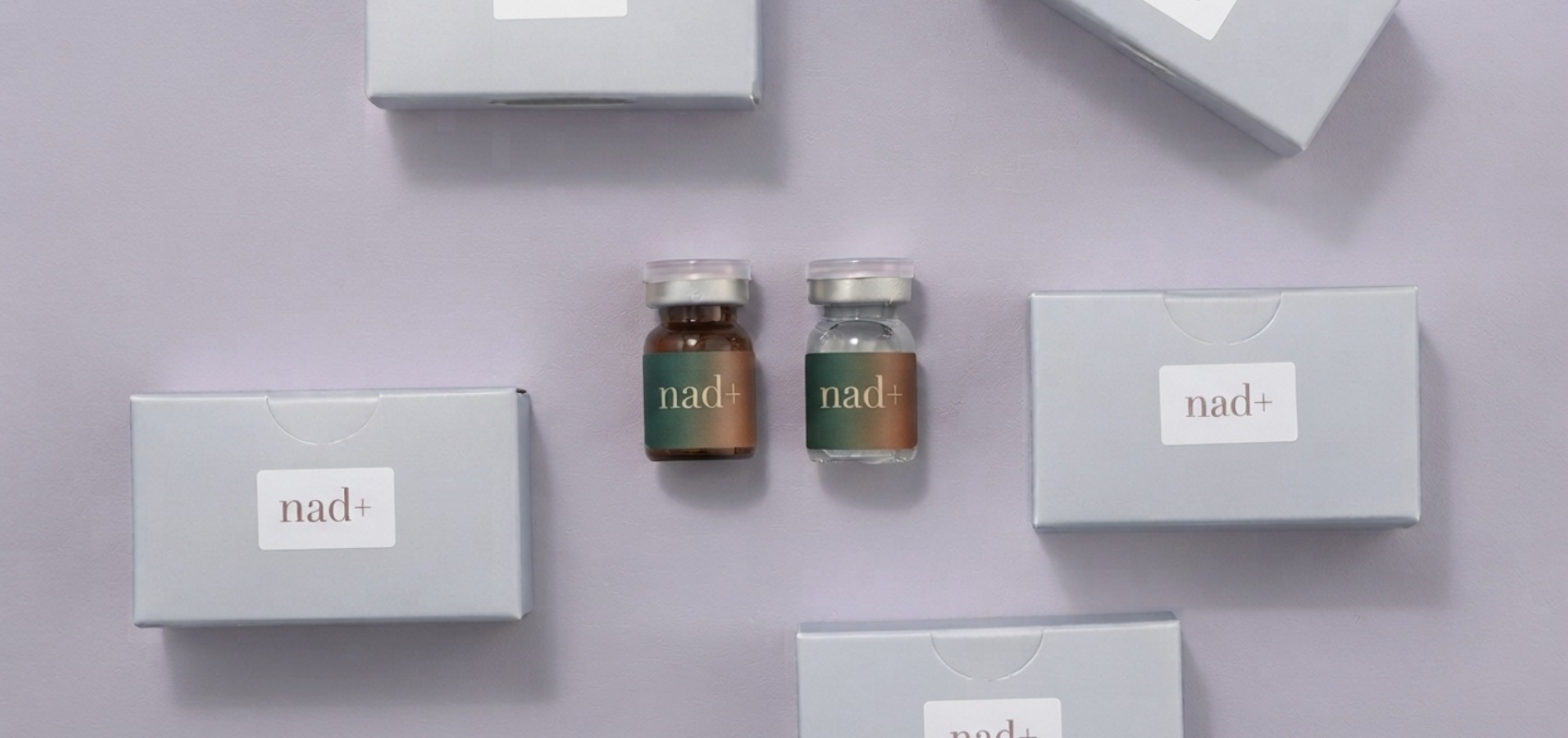
NAD+ therapy refers to medical approaches designed to support or increase levels of nicotinamide adenine dinucleotide (NAD+), a coenzyme found in every cell of the body.
Why NAD+ Matters in the Body
NAD+ participates in hundreds of biochemical reactions that keep cells functioning properly. Its core roles include:
- Cellular energy production: NAD+ helps mitochondria convert nutrients into energy that powers cellular activity.
- DNA repair and cellular maintenance: It acts as a cofactor for enzymes involved in repairing damaged DNA and maintaining genomic stability.
- Metabolic and stress signaling: NAD+ supports enzymes such as sirtuins and PARPs that regulate metabolic health, inflammation, and stress responses.
Why NAD+ Levels Decline With Age
Studies suggest that NAD+ levels gradually decrease in certain tissues as people age. This reduction may occur due to increased metabolic stress, inflammation, and the body’s natural consumption of NAD+ during cellular repair processes.
What Is Exosome Therapy?
Exosome therapy refers to regenerative approaches that use exosomes, which are tiny extracellular vesicles naturally released by cells.
What Are Exosomes?
Exosomes are microscopic particles released by nearly all cell types in the body. They act as biological messengers, delivering molecular instructions from one cell to another.
These vesicles can carry:
- Proteins involved in tissue repair and immune signaling
- RNA molecules that influence gene expression
- Lipids and growth factors that help regulate cellular communication
Why Exosomes Are Being Studied in Regenerative Medicine
Researchers are exploring exosomes because they appear to play a role in cell-to-cell signaling and tissue regeneration. In laboratory and early clinical studies, exosomes have shown potential to influence biological pathways related to:
- Tissue repair and regeneration
- Inflammatory regulation
- Collagen production and skin health
- Cellular communication during healing
Safety and Regulatory Considerations
While exosome-based regenerative therapies are an active area of research, many uses are still considered experimental or investigational. Regulatory agencies have cautioned consumers about products that claim unproven benefits.
The U.S. Food and Drug Administration has issued safety communications warning about unapproved exosome products marketed for regenerative or anti-aging purposes.
How NAD+ May Support Healthy Aging
1. Supporting Cellular Energy Production
NAD+ plays a central role in mitochondrial function, the process cells use to convert nutrients into usable energy. Mitochondria rely on NAD+ to drive metabolic reactions that produce ATP, the primary energy source for cellular activity.
When NAD+ levels decline, mitochondrial efficiency may also decrease, which can affect how cells function over time.
2. Supporting DNA Repair Mechanisms
Cells constantly experience DNA damage from environmental stress, metabolic processes, and aging. NAD+ acts as a key cofactor for enzymes called PARPs (poly ADP-ribose polymerases), which help detect and repair damaged DNA.
Adequate NAD+ levels help these repair pathways function properly, which may support cellular stability over time.
3. Activating Sirtuins Linked to Longevity Pathways
NAD+ is required for the activity of sirtuins, a family of enzymes that regulate metabolic health, inflammation, and stress responses.
Sirtuins influence processes associated with aging biology, including mitochondrial function, gene regulation, and cellular resilience under stress.
4. Supporting Metabolic Health
NAD+ also participates in pathways that regulate glucose metabolism, insulin sensitivity, and lipid metabolism. Because metabolic health is closely connected to aging biology, researchers are exploring whether improving NAD+ availability may help support metabolic balance.
NAD+ precursors may increase NAD+ levels in humans, although long-term clinical outcomes continue to be studied.
How Exosome-Based Regenerative Support May Help With Aging Concerns
1. Supporting Cellular Communication and Repair
Exosomes function as biological messengers between cells, delivering molecular signals that may influence how tissues respond to damage or stress. These signaling pathways can affect processes such as inflammation regulation, cellular repair, and tissue regeneration.
2. Skin Health and Collagen Signaling
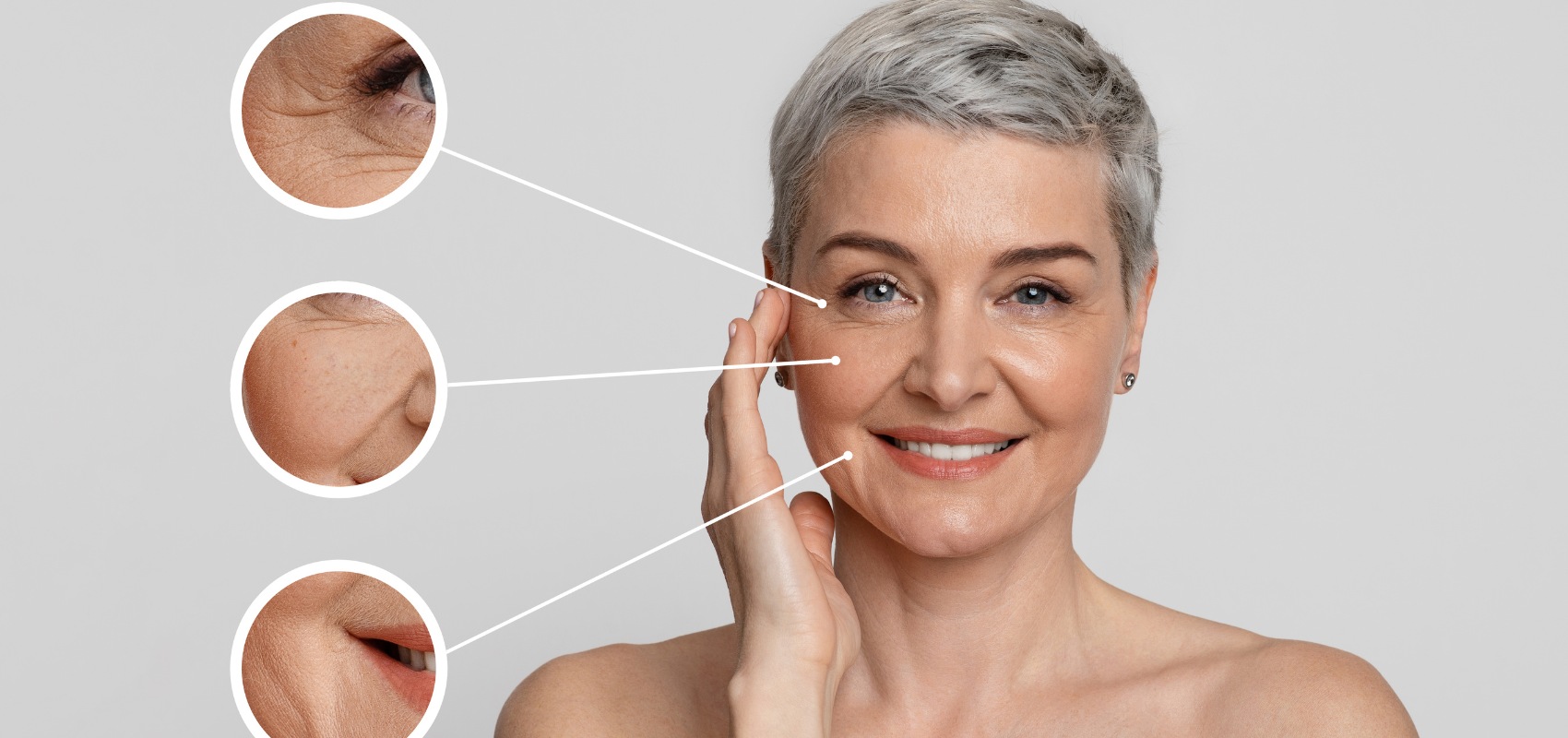
One area of growing research involves skin aging and tissue quality. Aging skin typically experiences reduced collagen production, slower repair, and changes in cellular communication.
Laboratory and early clinical studies suggest exosomes may influence fibroblast activity and collagen signaling pathways, which are important for maintaining skin structure and elasticity.
3. Supporting Tissue Recovery and Regenerative Health
Exosomes are also being studied for their potential role in supporting tissue recovery. Because they carry regulatory molecules involved in inflammation and repair signaling, exosomes may help influence how tissues respond to stress or injury.
4. Inflammatory Balance
Chronic inflammation is commonly associated with aging and tissue degeneration. Some experimental studies suggest exosomes may influence immune signaling and inflammatory pathways.
By modulating these signals, exosome-based regenerative therapies may potentially help support a healthier inflammatory environment in tissues.
Is One Better Than the Other for Anti-Aging?
There is no clear scientific consensus that NAD+ therapy or exosome-based regenerative support is universally better for anti-aging. The two approaches target different biological systems, and their potential benefits depend on individual health goals, medical history, and the specific concerns being addressed.
NAD+ primarily supports cellular metabolism and energy pathways, while exosome-based therapies focus on cell signaling and regenerative communication between cells. Because of these differences, the therapies are often viewed as addressing different aspects of aging biology rather than competing treatments.
Risks, Safety, and Regulatory Considerations

Safety Considerations for NAD+ Therapy
NAD+ plays a natural role in human metabolism, which is why therapies designed to support NAD+ levels have attracted research interest. However, the safety and effectiveness of different delivery methods and protocols can vary.
Potential considerations include:
- Individual response variability: Patients may respond differently depending on underlying health conditions, metabolic status, and treatment protocols.
- Limited long-term clinical data: Some studies show NAD+ precursors can increase NAD+ levels in humans, but long-term health outcomes and anti-aging effects are still under investigation.
- Need for medical supervision: Clinical evaluation helps determine whether NAD+ support is appropriate based on health history, medications, and metabolic factors.
Safety Considerations for Exosome-Based Therapies
Exosome-based regenerative therapies involve biological products that carry molecular signals between cells. Because these therapies are still developing, safety oversight and product quality are important concerns.
Potential considerations include:
- Product sourcing and processing standards: Exosome products must be carefully manufactured, screened, and handled to ensure safety and consistency.
- Variation in clinical protocols: Treatment methods and quality standards may differ across providers.
- Ongoing research and evolving evidence: Many exosome-based applications remain in early research stages or clinical trials.
Questions Patients Should Ask Before Treatment
Before considering regenerative therapies, patients may benefit from asking providers several key questions:
- What evidence supports this therapy for my specific health concern?
- Is the treatment considered investigational or widely studied?
- What screening process is used before treatment?
- How is product safety verified and monitored?
- What realistic outcomes should I expect?
Responsible providers typically emphasize patient education, transparent communication, and clinical monitoring as part of regenerative treatment planning.
Why a Personalized Treatment Plan Matters
Anti-Aging Concerns Do Not Have One Cause
Low energy, slower recovery, skin changes, and other age-related concerns can come from many factors, including sleep quality, stress, hormone changes, nutrition, and underlying health conditions. That is why anti-aging care works best when it starts with a full medical evaluation rather than a one-size-fits-all treatment.
NAD+ and Exosomes Serve Different Purposes
NAD+ therapy is generally discussed as a way to support cellular energy and metabolic function, while exosome-based regenerative support is studied for its role in cell signaling and tissue communication. Because they target different biological pathways, the right option depends on what a patient is actually trying to address.
Screening Helps Identify the Best Fit
A thoughtful provider should review symptoms, health history, lab work, and treatment goals before recommending any regenerative therapy. This kind of screening helps determine whether NAD+ support, exosome-based regenerative therapies, or another approach may be more appropriate.
Regenerative Therapies Are Usually Part of a Bigger Plan
For many patients, regenerative support is only one part of a broader strategy that may also include lifestyle changes, nutritional support, hormone evaluation, and preventive care. This more complete approach often gives a clearer path forward than relying on a single therapy alone.
Realistic Expectations Are Essential
NAD+ and exosome-based therapies may help support healthy aging in selected patients, but they are not guaranteed solutions. Results vary, and the most responsible treatment plans are built around safety, clinical monitoring, and individualized care.
Frequently Asked Questions (FAQs)
How long does NAD+ therapy usually take to work?
Response varies by the individual, the reason for treatment, and the protocol used. It is better to think of NAD+ therapy as part of a broader physician-guided wellness plan rather than expecting a fixed timeline or guaranteed result.
Is exosome therapy the same as stem cell therapy?
No. Exosome therapy uses cell-derived signaling vesicles, while stem cell therapy uses living stem cells. These two have different approaches within regenerative medicine.
Can younger adults consider NAD+ or exosome-based regenerative support?
In some cases, yes, but age alone does not determine candidacy. A trusted provider should look at symptoms, health history, goals, and whether a standard medical evaluation is needed before discussing regenerative therapies.
Are NAD+ and exosome therapies meant to replace healthy habits?
No. These therapies are generally best viewed as adjunctive to other treatments and healthy lifestyle measures such as sleep, nutrition, exercise, and preventive care. For better evaluation, consult with a provider like BioRestore.
What should I avoid when comparing anti-aging treatment options?
Avoid providers or marketing that promise guaranteed outcomes, permanent effects, or one-size-fits-all solutions. A safer approach is to look for medical screening, clear explanations of risks and limits, and realistic follow-up planning.
Bottom Line
NAD+ therapy and exosome-based regenerative support are two different regenerative approaches that may help address cellular changes linked to aging. NAD+ is focused on cellular energy and metabolism, while exosomes are studied for their role in cell signaling and repair. In selected patients, these therapies may support regenerative health under physician guidance, but they are not guaranteed solutions and are best viewed as part of a broader care plan.
To find out whether NAD+ therapy or regenerative support may fit your goals, contact BioRestore in Connecticut to schedule a consultation.
DISCLAIMER:
This content is for informational purposes only and does not guarantee results. It is not a substitute for standard medical care, diagnosis, or treatment, and individuals should discuss any therapy with a qualified physician. This article may reference stem-cell-derived exosomes in scientific research, but BioRestore provides alternative regenerative medicine and regenerative support, not stem cell therapy. NAD+ support and exosome-based treatments may help support certain goals in selected patients, but results vary and research is ongoing. For more information, contact BioRestore.
SOURCES:
Conlon N. J. (2022). The Role of NAD+ in Regenerative Medicine. Plastic and reconstructive surgery, 150(4 Suppl ), 41S–48S. https://doi.org/10.1097/PRS.0000000000009673
Dikici, E., Önal Acet, B., Gül, D., Kummer, N., Stauber, R. H., Odabaşı, M., & Acet, Ö. (2025). Bringing exosomes into the game: Current situation, opportunities, limitations and future perspectives. Materials Today Advances, 28, 100623. https://doi.org/10.1016/j.mtadv.2025.100623
Liang, C., Yi, Y., Li, J., et al. (2025). Unveiling exosomes in combating skin aging: Insights into resources, mechanisms and challenges. Stem Cell Research & Therapy, 16, 474. https://doi.org/10.1186/s13287-025-04620-y
U.S. Food and Drug Administration. (2019, December 6). Public safety notification on exosome products. https://www.fda.gov/vaccines-blood-biologics/safety-availability-biologics/public-safety-notification-exosome-products
Bhasin, S., Seals, D., Migaud, M., Musi, N., & Baur, J. A. (2023). Nicotinamide adenine dinucleotide in aging biology: Potential applications and many unknowns. Endocrine Reviews, 44(6), 1047–1073. https://doi.org/10.1210/endrev/bnad019
Amjad, S., Nisar, S., Bhat, A. A., Shah, A. R., Frenneaux, M. P., Fakhro, K., Haris, M., Reddy, R., Patay, Z., Baur, J., & Bagga, P. (2021). Role of NAD+ in regulating cellular and metabolic signaling pathways. Molecular metabolism, 49, 101195. https://doi.org/10.1016/j.molmet.2021.101195
Wang, J., Ren, Y., & Qu, S. (2025). Modulation of sirtuins to address aging related disorders through the use of selected phytochemicals. Phytomedicine, 143, 156648. https://doi.org/10.1016/j.phymed.2025.156648
Zhong, D., Sun, Y., Zhao, L., Hu, Z., Li, G., Li, H., & Xie, Z. (2025). Interplay between aging and metabolic diseases: from molecular mechanisms to therapeutic horizons. Medical review (2021), 5(6), 477–489. https://doi.org/10.1515/mr-2025-0047
Chimal-Vega, B., Maldonado-Arvizu, J. E., Hernández Avalos, A. D., Díaz-Villanueva, J. F., Avila-Barrientos, L. P., & García González, V. G. (2025). Inter-Tissue Communication Mechanisms via Exosomes and Their Implications in Metabolic Diseases: Opportunities for Pharmacological Regulation. Future Pharmacology, 5(1), 11. https://doi.org/10.3390/futurepharmacol5010011
Chen, Y., Qi, W., Wang, Z., & Niu, F. (2025). Exosome Source Matters: A Comprehensive Review from the Perspective of Diverse Cellular Origins. Pharmaceutics, 17(2), 147. https://doi.org/10.3390/pharmaceutics17020147
University of Florida Department of Physiology & Aging. (2024, April 10). Chronic inflammation and its impact on aging. Online Graduate Programs in Innovative Aging Studies. https://online.aging.ufl.edu/2024/04/10/chronic-inflammation-and-its-impact-on-aging/