Last Updated: October 12, 2026
Table of Contents
- What Do Published Price Ranges Show for PRP Sessions?
- What Affects PRP Injections Cost From One Clinic to the Next?
- What Should You Know About PRP for Joint and Tendon Pain?
- What Does PRP Hair Restoration Cost Over a Full Treatment Plan?
- What Does Facial PRP Cost, and What Should You Check First?
- Does Insurance Cover PRP Injections?
- How Can You Compare PRP Quotes Before You Commit?
- How Does Hormone Health Fit Into PRP Planning?
- Frequently Asked Questions
- Bottom Line
Published estimates place the typical cost of PRP injections between $500 and $2,500 per session in the United States, and many patients pay out of pocket because insurance coverage is limited. A knee injection, a scalp series, and a facial session are priced differently, and the evidence behind each one is not the same. Both points matter when you are deciding whether to move forward.
Key Takeaways
- PRP is prepared from a small sample of your own blood.
- Published prices vary widely by treatment area and clinic.
- Insurance coverage for PRP is limited, so many patients pay out of pocket.
- Evidence is stronger for some uses than others, and results vary.
- A physician-led evaluation should come before any payment plan.
What Do Published Price Ranges Show for PRP Sessions?
A review of PRP economics and regulation described a typical single treatment as costing about $500 to $2,500, with patients often returning for additional sessions. A nationwide telephone study of hospital orthopedic departments found knee PRP prices from $350 to $2,815, with a median of $800 and the highest prices in the Northeast. For Connecticut patients, that regional finding is a good reason to compare more than one quote.
|
Treatment Area |
Typical Published Range per Session |
What Often Changes the Total |
|
Joints and tendons, such as the knee |
About $350 to $2,800 in hospital survey data; broader reviews cite $500 to $2,500 |
Joint treated, imaging guidance, number of injections |
|
Hair and scalp |
About $400 to $1,500 or more |
Series length, booster visits, area treated |
|
Face (PRP with microneedling) |
Estimates near $750 in one clinician-reviewed overview |
Number of sessions, add-on procedures |
These ranges come from the sources cited in this guide. They are not clinic quotes, and your actual fee depends on the plan your physician recommends.
What Affects PRP Injections Cost From One Clinic to the Next?
Price reflects more than the injection itself. Several variables move the total up or down:
- The body area treated and how complex it is to reach
- Whether imaging guidance is used during the injection
- The number of sessions in the plan, including any booster visits
- The preparation system and how the PRP is processed
- Clinician training, facility standards, consultation fees, or lab fees
- Add-on procedures, such as microneedling for facial treatments
- Regional pricing, which the research above links to higher quotes in the Northeast
Preparation deserves a closer look. Processing methods differ. That variability is one reason published studies are hard to compare, and one reason a lower price does not automatically mean a comparable product.
What Should You Know About PRP for Joint and Tendon Pain?
When comparing how much PRP injections cost for a knee, shoulder, or elbow, remember that treatment is usually quoted per injection, so confirm how many injections your plan includes. Clinical guidance on whether PRP is appropriate varies by condition.
The 2019 ACR and Arthritis Foundation guideline recommends against PRP for knee and hip osteoarthritis. Additionally, a 2025 position statement from the American Association of Hip and Knee Surgeons does not endorse routine use of biologics for advanced hip and knee arthritis, citing limited evidence and high out-of-pocket costs.
For appropriate candidates, PRP may serve as one adjunctive option alongside exercise, physical therapy, and other conservative care, rather than as a stand-alone fix. A physician can help you weigh it against lower-cost options that insurance may already cover.
What Does PRP Hair Restoration Cost Over a Full Treatment Plan?
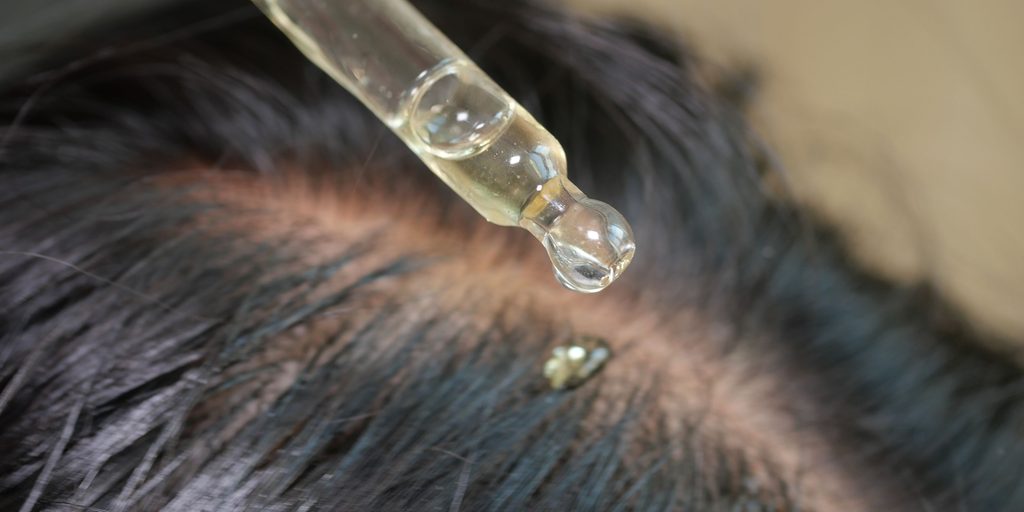
PRP hair restoration cost is usually quoted per session, so the total depends on how many sessions your plan includes. Reports show prices from about $400 to $1,500 or more per session. Expert sources describe a common program of one session a month for three months, followed by a booster every six months. Using those figures, an initial three-session series could land between roughly $1,200 and $4,500 before any boosters.
The evidence is encouraging but incomplete. A meta-analysis of randomized trials found that PRP increased hair density in androgenetic alopecia compared with placebo. Hair count and hair diameter did not differ significantly from placebo, and no serious adverse reactions were reported.
A physician should look at the cause before you prepay for a series. Understanding how hormone therapy can relate to hair changes helps clarify what to track before starting or modifying any treatment.
What Does Facial PRP Cost, and What Should You Check First?

Facial PRP is an elective cosmetic service, often paired with microneedling and priced per session. Published estimates place microneedling with PRP at approximately $750 per session, compared with about $300 for microneedling alone. At that estimated rate, three to six sessions would cost approximately $2,250 to $4,500, although actual treatment plans and prices vary.
Setting matters as much as price. In 2024, CDC investigators reported that HIV infections among clients of an unlicensed New Mexico spa were likely linked to PRP microneedling facials performed without adequate infection control. Price comparisons only make sense among licensed, physician-supervised settings that follow sterile technique.
Does Insurance Cover PRP Injections?
Usually not. Many insurance plans do not cover PRP injections, although reimbursement depends on the diagnosis, treatment purpose, and specific policy. Workers' compensation coverage also varies. Insurers often classify PRP as investigational or not medically necessary for certain applications, which can limit reimbursement. Cosmetic uses such as hair and facial treatments are generally excluded because medical insurance typically does not cover cosmetic procedures.
Patients may call their carrier before booking, ask whether any diagnosis-specific coverage exists, and request the answer in writing.
How Can You Compare PRP Quotes Before You Commit?
Five steps keep the conversation focused on fit and value, not only price. A practice that offers PRP injections with physician oversight should be able to walk you through each one.
Step 1: Start With a Diagnosis and a Goal
PRP is not appropriate for every cause of joint pain, hair thinning, or skin concern. Ask what is being treated, what outcome is realistic, and what alternatives exist, including lower-cost options or managing systemic factors like whether you can take HRT with high blood pressure.
Step 2: Request an Itemized Estimate
Ask what is included: the consultation, labs, imaging guidance, each session, booster visits, and add-on procedures. A per-session price alone can hide the true total.
Step 3: Ask How the PRP Is Prepared and Who Performs It
Confirm that a licensed clinician oversees the procedure, that sterile technique is standard, and that the practice can explain its preparation method in plain language. If you are undergoing other medical management, such as deciding when to stop HRT, your supervising physician should coordinate all treatment timelines.
Step 4: Check Coverage and Payment Options
Contact your insurer first. Then ask about payment plans, package pricing, or patient financing options, and review the terms carefully before agreeing.
Step 5: Set Review Points Before a Full Series
Agree on how progress will be measured and when you and your provider will reassess. Be cautious about prepaying for a long package before you know how you respond.
How Does Hormone Health Fit Into PRP Planning?
Hormones do not set the price of PRP, but your full health picture shapes whether treatment is appropriate and which questions to ask. Many people who ask about PRP for hair or skin are also working through midlife hormone changes. Share every medication and treatment you use with your PRP provider, including hormones, so the clinician can judge candidacy with the complete picture.
Patients exploring hormonal care alongside regenerative treatments often have specific regimen questions, such as whether you can take progesterone without estrogen. Questions like these belong in a dedicated hormone consultation, and PRP planning should happen alongside that conversation, not in place of it.
Some may know about the HRT black box warning and want to understand what it means for them.
A comprehensive medical evaluation helps determine whether hormone therapy and PRP procedures are appropriate for your health needs while identifying potential risks and contraindications.
Frequently Asked Questions
Can I use an HSA or FSA to pay for PRP injections?
PRP injections may qualify for HSA or FSA reimbursement when used to treat a diagnosed medical condition, but eligibility is not guaranteed. Cosmetic procedures generally do not qualify. Check with your plan administrator before paying, and ask whether a letter of medical necessity or other documentation is required.
How long does a PRP appointment take, and is there downtime?
A PRP appointment often takes 30 to 90 minutes, depending on the treatment area and whether additional procedures are involved. Temporary soreness, swelling, or bruising may occur. Recovery time and activity restrictions vary, so follow your provider’s aftercare instructions.
Can PRP injections be repeated if symptoms return?
Repeat treatment may be considered depending on the condition, response to previous injections, and available clinical evidence. There is no universally established schedule for PRP maintenance treatments. Your physician should reassess the benefits, risks, and alternatives before recommending additional sessions.
Who may not be a good candidate for PRP?
People with certain blood or platelet disorders, active infections, or medical conditions affecting healing may not be appropriate candidates. Pregnancy and medications that affect platelet function may also require additional consideration. A physician should review your medical history before determining eligibility.
Can I start with a virtual consultation if I live in Connecticut?
Some Connecticut providers offer virtual consultations to discuss symptoms, treatment goals, and medical history. However, PRP preparation and injections require an in-person appointment. Ask whether the clinic offers telehealth evaluations and which parts of the assessment must be completed on-site.
Bottom Line
PRP injection costs vary with the treatment area, the number of sessions, and the clinic, and most patients should plan to pay out of pocket. The evidence also varies, with more support for some uses than others. The soundest path combines a physician evaluation, an itemized estimate, and agreed points for reassessing progress.
BioRestore offers physician-supervised evaluations for patients considering PRP, with attention to candidacy screening, clear expectations about variable results, and ongoing monitoring. A consultation is a reasonable way to see whether PRP fits your goals and budget before you commit to a plan.
Disclaimer: BioRestore offers clinically supervised wellness and regenerative therapies as an adjunct to standard medical care. Outcomes vary, and regenerative medicine remains an area of active clinical research. Hormone therapy requires a formal evaluation, blood testing, and ongoing physician supervision. This content is for informational purposes only, does not constitute medical advice, and is not intended to diagnose, treat, cure, or prevent any condition. Consult a qualified healthcare provider before starting any treatment.
Sources:
Jones, I. A., Togashi, R. C., & Thomas Vangsness, C., Jr (2018). The Economics and Regulation of PRP in the Evolving Field of Orthopedic Biologics. Current reviews in musculoskeletal medicine, 11(4), 558–565. https://doi.org/10.1007/s12178-018-9514-z
Tiao, J., Wang, K., Herrera, M., Ren, R., Rosenberg, A. M., Cassie, R., & Poeran, J. (2023). There Is Wide Variation in Platelet-rich Plasma Injection Pricing: A United States Nationwide Study of Top Orthopaedic Hospitals. Clinical Orthopaedics & Related Research, 482(4), 675–684. https://doi.org/10.1097/CORR.0000000000002864
Kolasinski, S.L., Neogi, T., Hochberg, M.C., Oatis, C., Guyatt, G., Block, J., Callahan, L., Copenhaver, C., Dodge, C., Felson, D., Gellar, K., Harvey, W.F., Hawker, G., Herzig, E., Kwoh, C.K., Nelson, A.E., Samuels, J., Scanzello, C., White, D., Wise, B., Altman, R.D., DiRenzo, D., Fontanarosa, J., Giradi, G., Ishimori, M., Misra, D., Shah, A.A., Shmagel, A.K., Thoma, L.M., Turgunbaev, M., Turner, A.S. and Reston, J. (2020), 2019 American College of Rheumatology/Arthritis Foundation Guideline for the Management of Osteoarthritis of the Hand, Hip, and Knee. Arthritis Rheumatol, 72: 220-233. https://doi.org/10.1002/art.41142
American Association of Hip and Knee Surgeons. (2025). Position statement on biologics for advanced hip and knee arthritis. https://www.aahks.org/wp-content/uploads/2025/06/AAHKS-Position-Statement-on-Biologics-2025.pdf
Zhang X, Ji Y, Zhou M, et al. Platelet-Rich Plasma for Androgenetic Alopecia: A Systematic Review and Meta-Analysis of Randomized Controlled Trials. Journal of Cutaneous Medicine and Surgery. 2023;27(5):504-508. doi:10.1177/12034754231191461
Stadelman-Behar AM, Gehre MN, Atallah L, et al. Investigation of Presumptive HIV Transmission Associated with Receipt of Platelet-Rich Plasma Microneedling Facials at a Spa Among Former Spa Clients — New Mexico, 2018–2023. MMWR Morb Mortal Wkly Rep 2024;73:372–376. DOI: http://dx.doi.org/10.15585/mmwr.mm7316a3