Last Updated: September 11, 2026
What’s In This Guide
- Can You Take Progesterone Without Estrogen?
- Why Estrogen and Progesterone Are Often Prescribed Together
- Is It Safe to Take Progesterone Without Estrogen?
- What Happens If You Take Progesterone Without Estrogen?
- What Determines Whether Progesterone-Only Therapy Fits Your Situation
- Step-by-Step: Questions to Ask Before Starting HRT
- Frequently Asked Questions
- Bottom Line
If you have been researching hormone replacement therapy, you have likely noticed that estrogen and progesterone are usually discussed as a pair. That raises a fair question for a lot of women: can you take progesterone without estrogen, or does one hormone always require the other?
The short answer is that progesterone-only therapy is sometimes appropriate, but whether it fits your situation depends on factors that are specific to you, including whether you still have a uterus, what symptoms you are trying to address, and your broader medical history.
This is not a decision to make alone. Instead, discuss it with a qualified provider who can review your symptoms, menstrual history, medical history, medications, risk factors, and any testing that is clinically appropriate before recommending a hormone regimen.
Quick Facts
- Progesterone can be prescribed without estrogen in certain clinical situations.
- Uterus status is a major factor in determining whether endometrial protection is needed when systemic estrogen is used.
- Using progestogens without estrogen for menopausal vasomotor symptoms or sleep is considered off-label.
- Contraindications, including a history of certain cancers or liver disease, can rule out progesterone for some patients.
- A clinical evaluation should come before any treatment decision, with lab testing used when clinically appropriate or as part of the provider’s established evaluation process.
Can You Take Progesterone Without Estrogen?

Yes, progesterone can be prescribed without estrogen in some situations. FDA-approved oral progesterone capsules are indicated for secondary amenorrhea and for the prevention of endometrial hyperplasia in nonhysterectomized postmenopausal women who are taking estrogen. Using progestogen-only treatment for menopausal vasomotor symptoms or sleep is considered off-label and may be appropriate for selected patients. Whether progesterone alone fits your situation depends on the treatment goal, formulation, symptoms, medical history, and individual risk factors.
Progesterone does not require estrogen to work in the body, and the two hormones serve different functions. Estrogen is most closely tied to hot flashes, vaginal dryness, and bone density support, while progesterone plays a central role in regulating the menstrual cycle and, for women with a uterus, protecting the uterine lining. That distinction is part of why some women are candidates for progesterone-only therapy while others are not.
Why Estrogen and Progesterone Are Often Prescribed Together
Estrogen and progesterone are typically combined in HRT because progesterone protects the uterus from a specific risk that estrogen alone can create.
When estrogen stimulates the uterine lining without a counterbalancing hormone, it is described clinically as unopposed estrogen, and it can lead to abnormal thickening of the endometrium over time. Chronic unopposed estrogen exposure is the most significant risk factor for endometrial hyperplasia, a condition that can progress toward endometrial cancer if it is not identified and managed.
This is why progesterone is added for women who still have a uterus and are taking systemic estrogen. Estrogenic stimulation of the endometrium when unopposed by progestins can cause endometrial hyperplasia.
Is It Safe to Take Progesterone Without Estrogen?
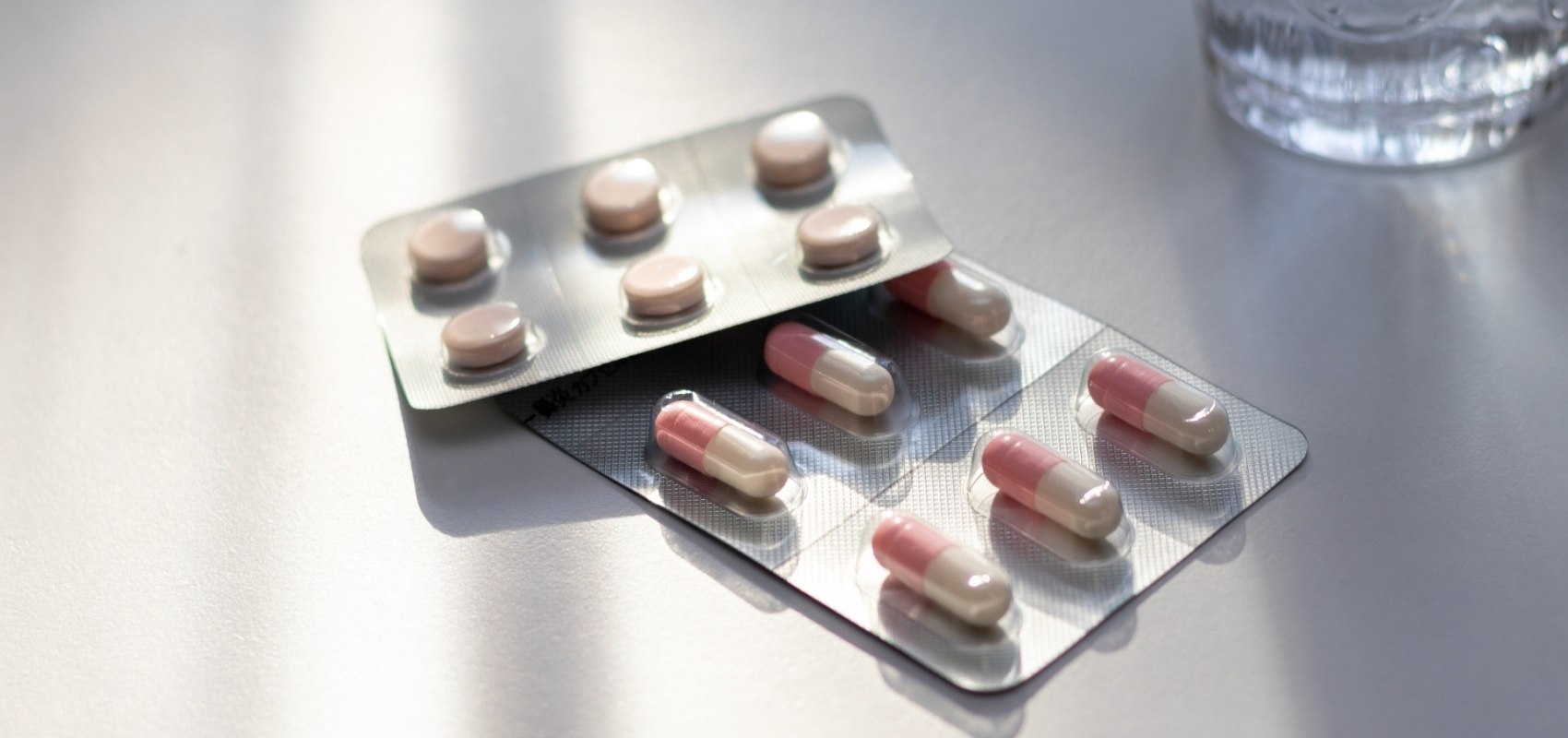
Progesterone alone is not inherently unsafe, but safety depends on the individual patient, the dose and form used, and whether any contraindications are present. Providers assess these factors on a case-by-case basis before recommending progesterone as a standalone treatment.
When Progesterone-Only Therapy Is More Commonly Considered
Oral progesterone capsules are FDA-approved for secondary amenorrhea and for uterine protection alongside estrogen, but prescribing progesterone alone for menopausal vasomotor symptoms or sleep is considered off-label. A provider might evaluate progesterone-only therapy for a perimenopausal patient with heavy or irregular bleeding, a patient who cannot take estrogen due to medical contraindications, or a patient who has had a hysterectomy and is being evaluated for non-estrogen-related reasons.
It is worth noting that using progesterone alone specifically for symptom relief, rather than for endometrial protection alongside estrogen, currently falls outside the FDA-approved indications for the hormone. The Menopause Society's 2022 hormone therapy position statement notes that progestogen use without estrogen for symptom management is considered off-label, even though clinical data on its effects continue to grow.
When It May Not Be Appropriate
Progesterone is not automatically appropriate for every patient. Documented issues of concern with progesterone use include a history of certain hormone-sensitive cancers, and reported side effects can include abdominal cramping, breast tenderness, dizziness, and abnormal vaginal bleeding. A provider should review the patient's medical and family history and determine whether any testing is clinically appropriate before ruling progesterone in or out.
What Happens If You Take Progesterone Without Estrogen?
What happens when you take progesterone without estrogen depends heavily on why it was prescribed in the first place.
For some perimenopausal women, progesterone alone may support more regular cycles, calmer sleep, and a reduction in certain vasomotor symptoms such as night sweats. In a randomized, placebo-controlled trial of oral micronized progesterone in perimenopausal women, the primary vasomotor symptom outcome did not differ significantly from placebo, while participants reported greater perceived improvements in night sweats and sleep quality compared with placebo, though the researchers also noted that individual response varied and that further research is still needed.
For postmenopausal women, low estrogen levels may mean estrogen-related symptoms remain unaddressed, since progesterone does not replace estrogen's role in areas such as vaginal tissue health or bone density support. This is one reason a provider may recommend combined therapy for some patients and progesterone alone for others.
Uterus status also shapes the picture. Women who have had a hysterectomy generally do not need progesterone for endometrial protection, since there is no uterine lining left to protect, though a provider may still consider it for other clinical reasons.
READ MORE: HRT vs. The Pill: Which Perimenopause Treatment Is Right for You?
What Determines Whether Progesterone-Only Therapy Fits Your Situation

Several factors shape whether progesterone alone, estrogen alone, or a combined regimen is the more appropriate path.
- Whether you currently have a uterus, since this changes the medical rationale for adding progesterone
- The specific symptoms you are experiencing, since progesterone and estrogen tend to address different symptom clusters
- Where you are in the menopause transition, since perimenopause, menopause, and postmenopause each carry a different hormonal picture
- Personal and family history of breast cancer, blood clots, liver disease, or cardiovascular conditions
- Current medications and supplements that could interact with hormone therapy
- Whether abnormal bleeding or other undiagnosed symptoms need to be ruled out before any hormone is started
No single factor determines the appropriate treatment on its own. A provider weighs these factors together and determines whether any additional testing is clinically appropriate before recommending a specific approach.
Step-by-Step: Questions to Ask Before Starting HRT
Walking into a hormone therapy consultation with the right questions can make the conversation more productive and help you understand the reasoning behind whatever plan your provider recommends.
- Ask which of your symptoms the proposed treatment is intended to address. Understanding the specific treatment goal helps clarify why a particular hormone regimen is being suggested.
- Ask how your uterus status affects the recommendation. If you have had a hysterectomy, ask why progesterone is or is not part of your plan.
- Ask whether testing is needed before treatment starts. Routine hormone testing is not required for every patient considering menopausal hormone therapy, so ask your provider which tests, if any, are appropriate based on your age, symptoms, menstrual history, and medical history.
- Ask about your personal risk factors. Conditions such as a history of blood clots, certain cancers, or liver disease can change what is considered safe for you.
- Ask what monitoring will look like. Follow-up visits and symptom check-ins help assess whether treatment is working and whether side effects or other concerns have developed. Your provider can determine whether repeat lab testing is appropriate for your specific treatment plan.
- Ask what would prompt a change in your plan. Understanding in advance what side effects or lab results would lead to a dose change or a different approach helps you know what to watch for.
Frequently Asked Questions
Does the form of progesterone matter?
Yes. Progesterone is available in different formulations, and the route, dose, absorption, and intended use can affect how it is prescribed. Your provider should choose the formulation based on why you are taking it, your medical history, and how you respond to treatment.
What is micronized progesterone?
Micronized progesterone is progesterone that has been processed into very small particles to improve absorption. It is used in certain prescription hormone therapy regimens, but whether it is appropriate depends on the treatment goal and the individual patient.
Do you have to take progesterone every day?
Not necessarily. Some hormone therapy regimens use progesterone continuously, while others use it for only part of each month. The appropriate schedule depends on the indication, whether estrogen is also being used, uterus status, and the treatment plan prescribed by your provider.
What should you do if you miss a dose of progesterone?
Follow the instructions provided with your prescription or contact your healthcare provider or pharmacist. Do not automatically double the next dose unless you have specifically been instructed to do so, since dosing recommendations can vary by formulation and regimen.
How long do women typically stay on progesterone-only therapy?
There is no fixed timeline. Duration depends on why progesterone was prescribed, your symptoms, health status, treatment response, and whether the benefits continue to outweigh potential risks. Your provider should reassess the regimen during follow-up visits.
Bottom Line
Progesterone can be taken without estrogen in certain situations, but it is not a one-size-fits-all answer. Whether it makes sense for you depends on whether you have a uterus, the symptoms you are trying to address, where you are in the menopause transition, and your broader medical history.
The safest path is an individualized clinical evaluation that considers your symptoms, menstrual history, medical and family history, medications, and risk factors before hormone therapy begins. Your provider can determine whether lab testing is appropriate and help you understand which treatment approach, if any, fits your needs.
Disclaimer: Hormone therapy is a medical treatment that requires proper evaluation, blood testing, and physician supervision. This content is for educational purposes only. Consult with a licensed medical provider to determine whether hormone optimization is appropriate for your individual health situation.
Sources:
Singh, G., Cue, L., & Puckett, Y. (2024). Endometrial hyperplasia. In StatPearls. StatPearls Publishing. https://www.ncbi.nlm.nih.gov/books/NBK560693/
American College of Obstetricians and Gynecologists. (2023, September). Management of endometrial intraepithelial neoplasia or atypical endometrial hyperplasia (Clinical Consensus No. 5). https://www.acog.org/clinical/clinical-guidance/clinical-consensus/articles/2023/09/management-of-endometrial-intraepithelial-neoplasia-or-atypical-endometrial-hyperplasia
The 2022 Hormone Therapy Position Statement of The North American Menopause Society” Advisory Panel. (2022). The 2022 hormone therapy position statement of The North American Menopause Society. Menopause, 29(7), 767–794. https://doi.org/10.1097/GME.0000000000002028
Cable, J. K., & Grider, M. H. (2023). Physiology, progesterone. In StatPearls. StatPearls Publishing. https://www.ncbi.nlm.nih.gov/sites/books/NBK558960/
Prior, J. C., Cameron, A., Fung, M., et al. (2023). Oral micronized progesterone for perimenopausal night sweats and hot flushes: A Phase III Canada-wide randomized placebo-controlled 4-month trial. Scientific Reports, 13, 9082. https://doi.org/10.1038/s41598-023-35826-w