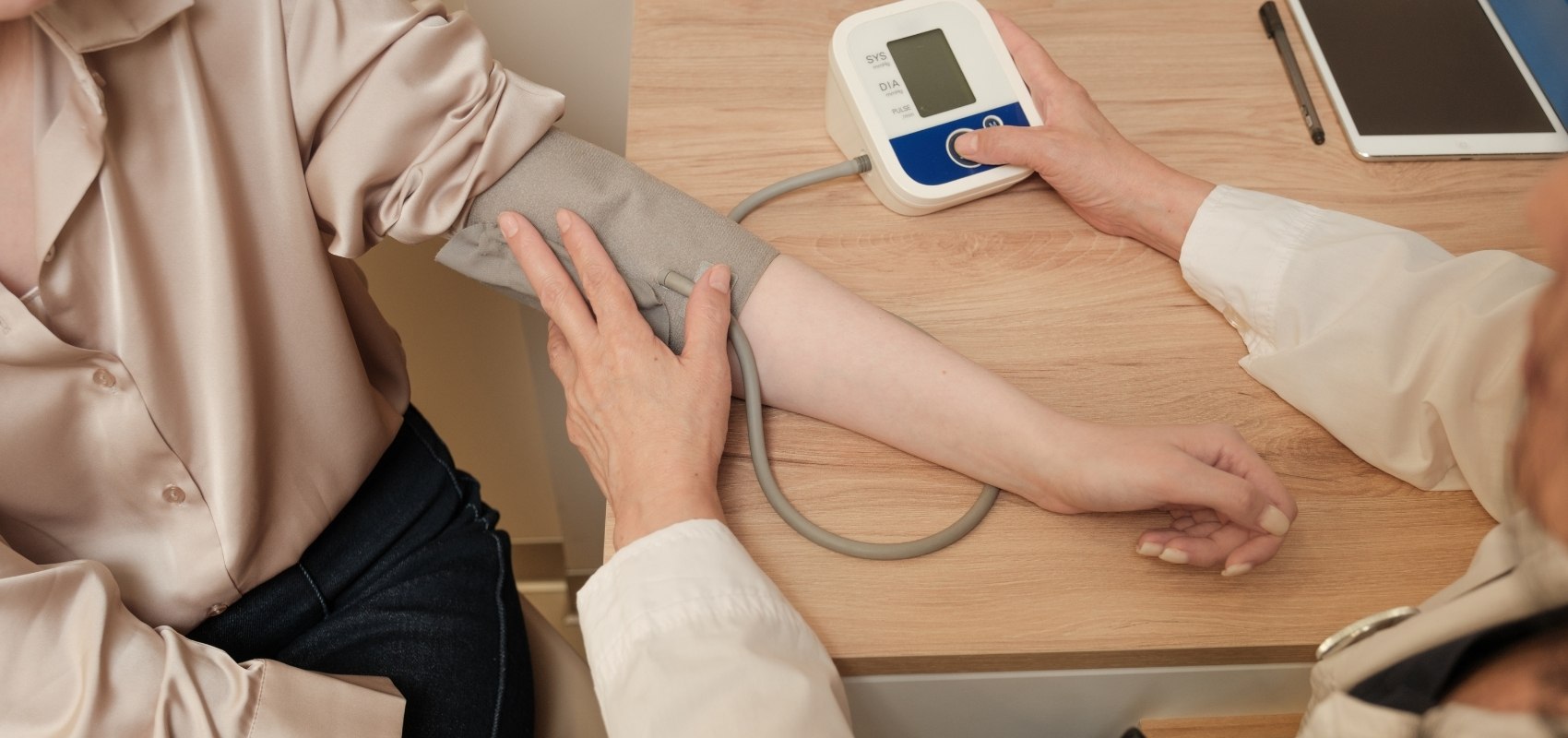
Estrogen dominance symptoms refer to a cluster of hormonal complaints that appear when estrogen is elevated relative to other hormones, particularly progesterone. While the term “estrogen dominance” is widely used in functional medicine, it is important to understand that major medical organizations, including the American College of Obstetricians and Gynecologists, the American Academy of Family Physicians, and the Endocrine Society, do not recognize it as an official clinical diagnosis. Additionally, standardized diagnostic criteria do not currently exist.
Table of Contents
- Why the Hormone Balance Conversation Matters
- Common Estrogen Dominance Symptoms and What They Mean
- Who Experiences These Estrogen Dominance Symptoms
- What Drives Hormonal Imbalance
- How Physicians Evaluate Elevated Estrogen
- Things to Know
Key Takeaways
- Estrogen dominance symptoms are real and disruptive, but the term is not a recognized medical diagnosis. Therefore, professional evaluation is essential before drawing conclusions.
- Both women and men can experience symptoms linked to relative estrogen excess. A systematic review found that up to 30% of males aged 60 and older show low testosterone levels that may contribute to estrogen-related complaints.
- Symptoms overlap significantly with thyroid dysfunction, adrenal fatigue, and metabolic conditions. As a result, lab testing is necessary for accurate assessment.
- Lifestyle factors, including body composition, alcohol intake, and dietary patterns, directly influence how your body metabolizes and clears estrogen.
- Physician-supervised hormone evaluation, not self-diagnosis or over-the-counter supplements, is the appropriate starting point for addressing these symptoms.
- The global hormone replacement therapy market was valued at $25.2 billion in 2025. Furthermore, it is projected to reach $39.4 billion by 2033, reflecting significant and growing demand for hormonal health solutions.
Why the Hormone Balance Conversation Matters

Hormonal health has moved well beyond the walls of reproductive medicine. The global estrogen replacement therapy market was valued at USD 11.12 billion in 2024 and is projected to reach USD 19.46 billion by 2034 at a 5.77% CAGR, according to a 2024 market analysis. That growth reflects how many people are actively seeking answers to symptoms that affect their daily quality of life.
Estrogen does not work in isolation. It operates in a dynamic relationship with progesterone, testosterone, cortisol, and thyroid hormones. When that balance shifts, the effects can be wide-ranging and often misattributed to stress, aging, or lifestyle alone.
Before pursuing any treatment, understanding what your hormone levels actually look like on a lab panel is critical. Therefore, getting tested before self-treating is a necessary step.
Common Estrogen Dominance Symptoms and What They Mean
The symptom picture associated with elevated estrogen relative to other hormones is broad. Recognizing the pattern is useful, but each symptom also warrants evaluation for other potential causes.
According to clinical sources including Medical News Today, common signs of high estrogen include the following patterns:
In women:
- Irregular or heavy menstrual cycles
- Breast tenderness or swelling
- Bloating and water retention
- Mood changes, including anxiety and irritability
- Fatigue that does not resolve with rest
- Low libido
- Weight gain concentrated around the hips and abdomen
- Brain fog and difficulty concentrating
- Worsening PMS symptoms
In men:
- Gynecomastia (breast tissue development)
- Reduced muscle mass and increased body fat
- Low libido and erectile difficulties
- Fatigue and mood instability
- Reduced motivation
These symptoms overlap significantly with thyroid disorders, insulin resistance, and other endocrine conditions. That overlap is precisely why lab work, not symptom checklists alone, should guide any clinical decision.
Who Experiences These Estrogen Dominance Symptoms

The common assumption is that estrogen-related complaints are exclusive to perimenopausal or postmenopausal women. However, the reality is more complex.
Women in their reproductive years may experience these symptoms when progesterone production is insufficient relative to estrogen output. This pattern particularly appears in the luteal phase of the menstrual cycle.
Perimenopausal women often see erratic estrogen fluctuations before levels eventually decline. The Menopause Society noted in a September 2024 analysis that 70 to 80% of women experience menopause-related symptoms, including hot flashes, with average symptom duration spanning 7 to 11 years.
Men are not exempt. A 2024 to 2025 systematic review found that up to 30% of males aged 60 and older experience low testosterone levels, a condition that can shift the testosterone-to-estrogen ratio in ways that produce estrogen dominance symptoms in men. Understanding how much bioidentical hormone therapy costs becomes a relevant question for both men and women exploring physician-supervised hormonal correction.
What Drives Hormonal Imbalance
Several well-documented factors influence how your body produces, uses, and clears estrogen.
Body composition and adipose tissue. Fat cells convert androgens into estrogen through a process called aromatization. Higher body fat, particularly visceral fat, increases that conversion. As a result, it can contribute to elevated circulating estrogen in both sexes.
Liver function and detoxification. The liver is responsible for metabolizing and clearing used estrogen. Impaired liver function or sluggish phase II detoxification allows estrogen metabolites to recirculate. How well your body eliminates estrogen is also influenced by nutritional status, including factors related to how long does vitamin C stay in your system 2, since antioxidant support contributes to overall metabolic health.
Dietary patterns. A systematic review published online in November 2025 found that seven studies reported reduced estrogen levels or estrogen-related outcomes following consumption of coffee, vitamin D2, D-chiro-inositol, soy products, and tree nuts. While dietary changes alone are rarely sufficient as a primary intervention, they can serve as a meaningful adjunct to physician-directed treatment. In addition, these dietary factors warrant discussion with your care team.
Stress and cortisol. Chronic stress elevates cortisol, which competes for the same receptors as progesterone. When cortisol is chronically elevated, progesterone signaling is blunted, creating a relative estrogen excess even when estrogen levels themselves are not abnormally high.
Xenoestrogens and environmental exposure. Certain plastics, pesticides, and personal care product ingredients contain compounds that mimic estrogen in the body. Reducing unnecessary exposure is a reasonable precautionary step. However, its clinical effect in isolation is not well-quantified.
How Physicians Evaluate Elevated Estrogen

A credible clinical evaluation starts with a comprehensive hormonal panel, not a symptom quiz. Useful lab markers typically include:
| Lab Marker | What It Tells You |
|---|---|
| Estradiol (E2) | Primary circulating estrogen level |
| Progesterone | Evaluated in relation to estradiol for ratio |
| Total and free testosterone | Especially relevant in men and women with low libido or fatigue |
| SHBG (Sex Hormone-Binding Globulin) | Influences how much hormone is biologically active |
| Thyroid panel (TSH, free T3, free T4) | Rules out thyroid dysfunction as the primary driver |
| LH and FSH | Assess pituitary signaling and ovarian or testicular function |
Results must be interpreted in clinical context, not against a generic reference range alone. A physician experienced in hormone optimization accounts for age, symptoms, reproductive status, and overall metabolic health.
Some patients also ask about complementary approaches, such as peptide support, including how much peptide therapy costs or whether doctors can prescribe peptides. These may be options worth exploring with your provider, particularly when hormonal imbalance intersects with body composition or recovery concerns.
Things to Know
- “Estrogen dominance” as a concept is widely discussed in functional medicine but is not a recognized diagnosis by major U.S. medical organizations, including the Endocrine Society and ACOG.
- Symptoms attributed to estrogen excess overlap significantly with hypothyroidism, insulin resistance, and adrenal dysfunction. Therefore, differential diagnosis is essential.
- Both men and women can experience symptoms linked to a disrupted estrogen-to-progesterone or estrogen-to-testosterone ratio.
- Self-treating with over-the-counter progesterone creams or estrogen-blocking supplements without lab confirmation carries real risks. In fact, it may worsen the underlying imbalance.
- Personalized lab interpretation by a qualified physician is more clinically meaningful than any symptom checklist or home saliva test kit.
Take the First Step Toward a Physician-Led Hormone Evaluation
Symptom patterns matter, but they are only the starting point. If you recognize several of the signs described here, the most productive next step is a comprehensive lab evaluation interpreted by a physician who understands hormone optimization.
Schedule a consultation with BioRestore Health to speak with a clinically led team under the direction of Dr. Matthew Stanizzi, MD, a board-certified urologist with over 12 years of clinical experience. BioRestore Health serves patients in Newtown and Farmington, CT, as well as virtually across Connecticut, Massachusetts, New Jersey, and New York. Book your evaluation today and get answers grounded in real data, not guesswork.
Frequently Asked Questions
Q: What are the most common estrogen dominance symptoms in women?
A: The most frequently reported symptoms include irregular or heavy periods, breast tenderness, bloating, mood swings, fatigue, and low libido. These complaints often appear together and tend to worsen in the luteal phase of the menstrual cycle.
Because they overlap with thyroid conditions and other hormonal shifts, a full lab panel is necessary to identify the actual driver. Furthermore, symptom overlap makes clinical testing indispensable.
Q: Can men have estrogen dominance symptoms?
A: Yes, men can develop symptoms related to elevated estrogen or a disrupted testosterone-to-estrogen ratio. These include breast tissue growth, fatigue, and reduced libido. A 2024 to 2025 systematic review found that up to 30% of men aged 60 and older experience low testosterone levels. This condition alters the balance between testosterone and estrogen and produces these symptoms.
Q: Is estrogen dominance a real medical diagnosis?
A: No. Major U.S. medical organizations, including the American College of Obstetricians and Gynecologists and the Endocrine Society, do not recognize “estrogen dominance” as a formal diagnosis. The term describes a hormonal pattern rather than a confirmed clinical condition.
This does not mean the symptoms are not real. However, it means they require careful evaluation to identify the specific hormonal or metabolic cause.
Q: What lab tests are used to evaluate estrogen-related hormonal imbalance?
A: A useful starting panel typically includes estradiol, progesterone, total and free testosterone, SHBG, thyroid function markers, and LH and FSH. These markers, interpreted together and in the context of your symptoms, give a physician the information needed to identify where the hormonal imbalance occurs. As a result, appropriate intervention becomes clear.
Q: Can diet and lifestyle changes reduce estrogen dominance symptoms?
A: Dietary changes and lifestyle modifications may help support estrogen metabolism. However, they are rarely sufficient as a standalone treatment for significant hormonal imbalance. A 2024 review published in November 2025 identified several foods, including soy, tree nuts, and certain vitamins, that were associated with reduced estrogen levels in some studies.
These findings are preliminary and should be discussed with your physician rather than applied as self-treatment. In addition, professional guidance ensures safe and effective implementation.
Disclaimer: This article is intended for educational purposes only and does not constitute medical advice, diagnosis, or treatment. The information presented here should not be used as a substitute for professional medical evaluation. Hormone-related symptoms can have multiple causes, and appropriate diagnosis requires a qualified physician’s assessment of your individual lab results, medical history, and clinical presentation. Always consult a licensed healthcare provider before making changes to your hormone-related care.