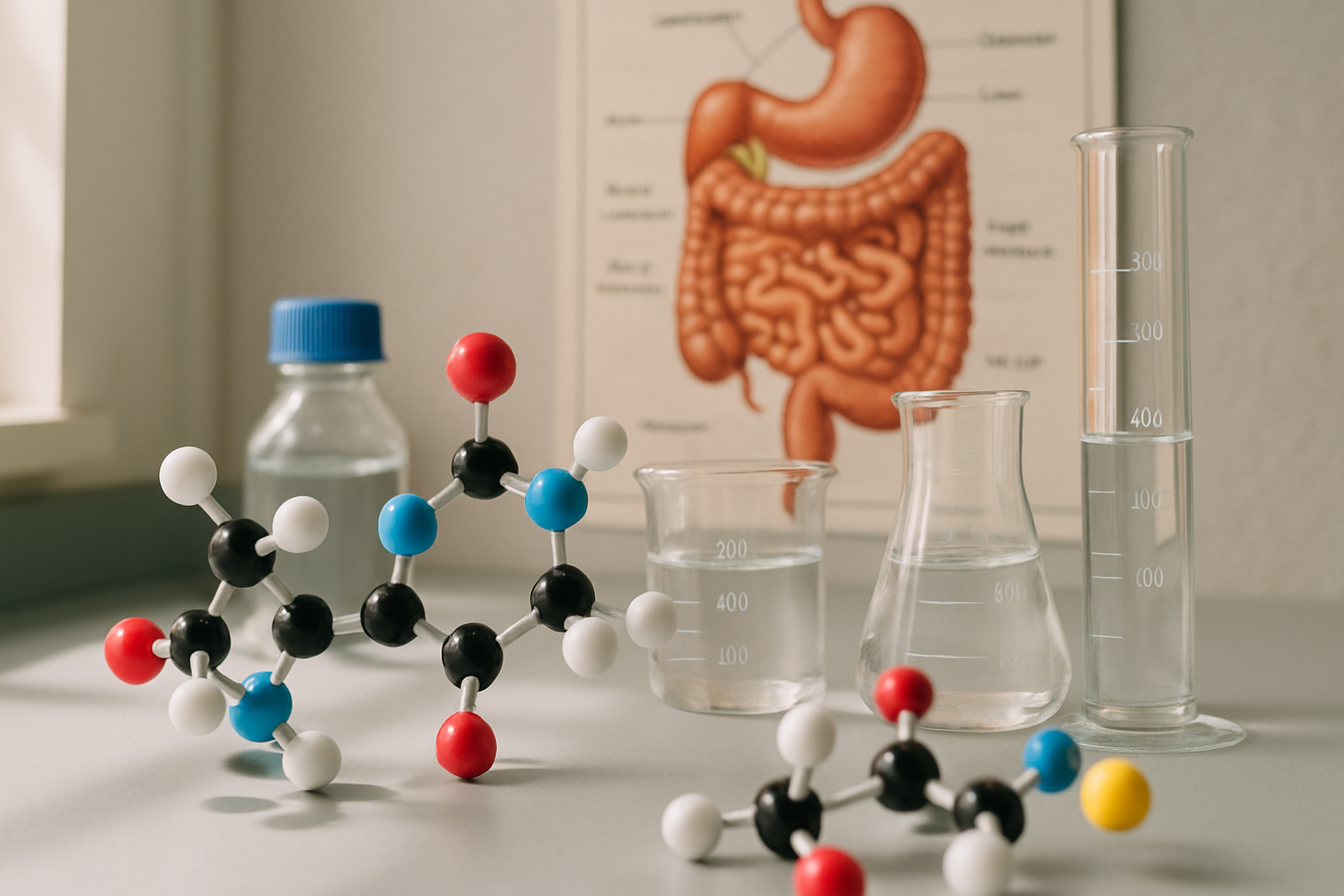
BPC-157 is a synthetic peptide derived from a protein found in human gastric juice. The most studied bpc-157 peptide benefits center on accelerating tissue repair and reducing inflammation throughout the body. Researchers and clinicians have documented a wide range of effects, spanning everything from tendon healing to gut lining restoration to neuroprotection.
Key Takeaways
- BPC-157 is a 15-amino-acid peptide with strong tissue-healing and anti-inflammatory properties backed by animal and early human research.
- Its most consistent benefits involve gut health, tendon and ligament recovery, and joint pain reduction.
- It can be administered through injection or oral capsules, with each route having distinct advantages depending on the target area.
- BPC-157 is not FDA-approved and is currently classified as a research compound in the United States.
- Combining BPC-157 with complementary therapies, including hormone optimization, may amplify overall recovery outcomes.
- Dosing, cycling, and stacking decisions should always be made with a qualified healthcare provider.
Why BPC-157 Has Captured Serious Scientific Attention
Most peptides get tossed around in wellness circles long before the science catches up. However, BPC-157 is a partial exception. While it has not cleared FDA approval for human use in the United States, the volume of peer-reviewed animal studies supporting its healing mechanisms is substantial. Researchers have consistently observed that it promotes angiogenesis. This means the formation of new blood vessels. Additionally, it upregulates growth factor receptors and modulates nitric oxide pathways, all of which are central to how the body repairs damaged tissue.
What makes it particularly interesting is its systemic reach. Unlike many compounds that target one tissue type, BPC-157 appears to influence multiple body systems simultaneously. Therefore, practitioners working in regenerative medicine and peptide therapy often consider it a foundational compound in more comprehensive recovery protocols.
The peptide itself is 15 amino acids long, derived from Body Protection Compound. This protein naturally appears in gastric juice. This origin partially explains why it has such a notable effect on the gastrointestinal tract, where the naturally occurring version of this protein plays a role in mucosal protection.

The Core Healing Mechanisms Behind BPC-157
Tissue Repair and Musculoskeletal Recovery: How BPC-157 Peptide Benefits Structural Health
The most frequently cited bpc-157 peptide benefits in research literature relate to structural healing. Multiple animal studies have shown that BPC-157 accelerates the repair of tendons, ligaments, muscle tissue, bone fractures, and cartilage.
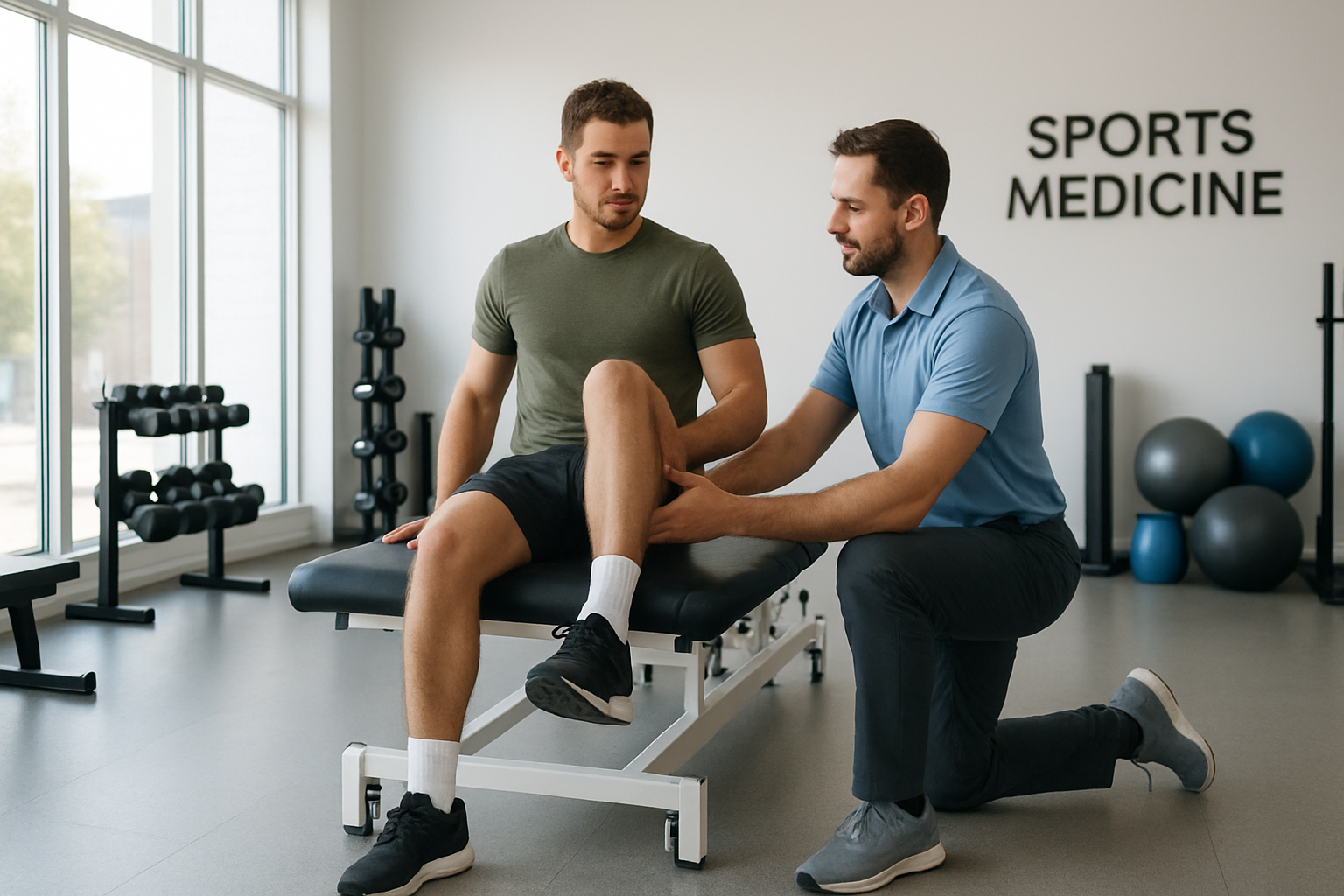
For tendons and ligaments, BPC-157 proves particularly effective. The compound shows strong results on the Achilles tendon and rotator cuff structures. In one widely referenced study conducted at the University of Zagreb, rats with severed Achilles tendons showed significantly faster functional recovery and superior histological tendon quality when treated with BPC-157 versus controls. While direct human trials are limited, many sports medicine and integrative health clinicians in the U.S. report similar anecdotal outcomes with their patients.
Muscle tissue also responds well to BPC-157. The peptide accelerates healing following surgical incision or contusion injury. For bone fractures, BPC-157 works through enhanced collagen synthesis. In addition, cartilage regeneration has shown promise in osteoarthritis models.
For athletes dealing with chronic joint pain or post-surgical slowdowns, this mechanism is particularly compelling. The peptide appears to enhance the proliferation of fibroblasts, the cells responsible for laying down new collagen scaffolding. As a result, this directly shortens the timeline from injury to functional recovery.
Gut Health and Mucosal Protection: BPC-157 Peptide Benefits for Digestive Wellness
Perhaps the most well-documented area of research involves the gastrointestinal system. BPC-157 has shown protective effects against NSAID-induced gastric ulcers, inflammatory bowel disease, intestinal permeability, and esophageal damage from acid reflux.
This protection is especially relevant given how many Americans rely on ibuprofen and aspirin for chronic pain. Many experience gut complications from regular NSAID use. BPC-157 helps repair this damage.
The peptide shows strong effects in inflammatory bowel disease, including colitis models. Moreover, it addresses intestinal permeability, often called “leaky gut.” Esophageal damage from acid reflux also improves with BPC-157 treatment.
Oral administration of BPC-157 makes particular sense for digestive health. When taken in capsule form, the peptide acts locally along the GI tract before systemic absorption. Injection routes, by contrast, are preferred when the target is musculoskeletal or neurological.
Neurological and Mood-Related Effects: BPC-157 Peptide Benefits for Brain Health
Emerging research suggests BPC-157 may modulate dopaminergic and serotonergic systems in the brain. Animal studies have shown reduced anxiety-like behaviors. Additionally, neuroprotection following traumatic brain injury has been observed. Furthermore, partial reversal of opioid tolerance appears possible.
These findings have attracted interest from researchers studying addiction recovery and traumatic brain injury rehabilitation. However, human clinical data remains sparse. The neurological applications represent one of the most promising frontiers for BPC-157 research.
Comparing BPC-157 Administration Routes
One of the most practical decisions when using BPC-157 is the route of administration. Each method offers distinct advantages and trade-offs.
| Administration Route | Best For | Onset | Bioavailability |
|---|---|---|---|
| Subcutaneous Injection | Musculoskeletal injuries, systemic effects | 30-60 minutes | High |
| Intramuscular Injection | Targeted muscle or joint repair | 30-60 minutes | High |
| Oral Capsule | Gut health, esophagus, stomach lining | 1-2 hours | Moderate (local effect) |
| Nasal Spray | Neurological applications, brain injury | Variable | Moderate |
Most protocols in clinical practice use subcutaneous injection at doses ranging from 250 to 500 micrograms per day. These are often cycled over 4 to 12 weeks. Your provider will adjust dosing based on body weight, severity of the issue being addressed, and whether BPC-157 is being used alongside other compounds.
How BPC-157 Fits Into a Broader Wellness Protocol
Pairing With Hormone Optimization
One important consideration that often gets overlooked: healing and recovery don’t happen in a hormonal vacuum. Testosterone, growth hormone, thyroid hormones, and cortisol all play significant roles in how quickly your body repairs tissue. If your hormones are out of balance, even a potent peptide like BPC-157 will work against a headwind.
For men dealing with low testosterone alongside chronic joint pain or slow post-injury recovery, incorporating male hormone optimization alongside a peptide protocol often yields better outcomes than either intervention alone. Additionally, women navigating perimenopause or hormonal imbalances affecting their tissue recovery and inflammatory response may benefit from pairing BPC-157 with a comprehensive female hormone optimization program. This program should address estrogen, progesterone, and thyroid function simultaneously.
Weight and Metabolic Considerations
Chronic inflammation, which BPC-157 actively targets, is also a major driver of weight gain and metabolic dysfunction. Some practitioners have noted that patients working toward a healthy weight restore goal experience improvements in their inflammatory markers while on BPC-157. As a result, this may support better metabolic outcomes over time. This doesn’t make it a weight loss compound directly, but its anti-inflammatory action can remove one of the obstacles to effective metabolic recovery.

Realistic Expectations and Limitations
It’s easy to encounter breathless enthusiasm about BPC-157 online, particularly in fitness and biohacking communities. However, balanced expectations matter here. Here’s what the current evidence supports versus what remains speculative.
Well-supported by research:
- Accelerated tendon and ligament healing in animal models
- Gastrointestinal mucosal protection and ulcer prevention
- Anti-inflammatory effects across multiple tissue types
- Improved healing of muscle tears and surgical incisions
Promising but requires more human data:
- Neurological protection and mood regulation
- Cartilage regeneration in chronic arthritis
- Long-term safety profile in humans
- Dosing optimization for specific conditions
The absence of FDA approval doesn’t mean the compound is ineffective. However, it does mean you’re operating in a regulatory gray zone that requires working with a qualified practitioner. Sourcing quality BPC-157 from a compounding pharmacy rather than unregulated supplement suppliers is essential for both safety and efficacy.
Things to Know
- BPC-157 is currently classified as a research compound in the U.S., meaning it’s not approved for prescription by the FDA, though compounding pharmacies can produce it legally for clinical use.
- The peptide is not detectable through standard drug testing panels. However, it has been placed on the World Anti-Doping Agency (WADA) prohibited list for competitive athletes.
- Oral capsules and injections produce different concentration patterns. Gut conditions respond better to oral forms, while joint and muscle issues typically warrant injection.
- BPC-157 has a remarkably low reported side effect profile in animal studies, with no significant toxicity observed even at high doses, though human data is limited.
- Quality matters significantly. Compounding pharmacies in the U.S. must meet USP standards, but black-market or unregulated sources vary wildly in purity and concentration.
- Stacking BPC-157 with TB-500 (Thymosin Beta-4) is common in clinical practice for musculoskeletal repair. The two compounds appear to work synergistically on different aspects of tissue healing.
Frequently Asked Questions
What are the advantages of taking BPC-157?
The primary advantages include accelerated tissue repair, gut lining protection, reduced inflammation, and potential neurological support.
BPC-157 promotes angiogenesis and collagen synthesis, which speeds up recovery from tendon, ligament, and muscle injuries. Its gastric origins make it particularly effective for healing ulcers, irritable bowel conditions, and leaky gut. Moreover, some users report improvements in mood and reduced anxiety, though this area needs more human clinical research.
Can you take BPC-157 everyday?
Yes, daily use is common in clinical protocols, typically at doses between 250 and 500 micrograms per day over a defined cycle.
Most practitioners recommend running cycles of 4 to 12 weeks followed by a break. This is preferable to indefinite daily use. The compound has not shown cumulative toxicity in animal research, but long-term continuous human safety data is not yet available. Your provider should guide your specific cycling schedule based on the condition being treated.
Is BPC-157 hard on kidneys?
Current animal research does not indicate kidney toxicity from BPC-157, and no significant renal stress markers have been observed in studies.
In fact, some research suggests BPC-157 may have a protective effect on organs, including reducing drug-induced kidney damage in animal models. That said, individuals with pre-existing kidney conditions should consult a nephrologist before starting any peptide protocol, as human clinical data is still limited.
What is the downside of taking peptides?
The main downsides include lack of FDA approval, variable product quality, injection-site discomfort, and limited long-term human safety data.
Peptides like BPC-157 are not regulated as pharmaceuticals in the U.S., which means sourcing from unregulated suppliers carries real risk of contamination or inaccurate dosing. Some individuals experience mild nausea, dizziness, or fatigue, particularly when first starting. Working with a licensed provider who sources from a licensed compounding pharmacy significantly reduces these risks.
What should you not mix with peptides?
Avoid mixing peptides with corticosteroids, immunosuppressants, or other compounds that directly counteract their healing and anti-inflammatory mechanisms.
NSAIDs taken concurrently may blunt some of the tissue-regenerative effects of BPC-157, which is worth discussing with your provider if you rely on ibuprofen or naproxen regularly. Additionally, alcohol in large quantities can interfere with peptide stability and overall healing. Always disclose your full medication and supplement list to your prescribing provider before starting a peptide protocol.
The Bottom Line on BPC-157 Peptide Benefits
The science behind bpc-157 peptide benefits is more rigorous than what you’ll find for most wellness supplements. However, it also requires honest framing. Animal research is strong and mechanistically coherent. Human clinical trials are still catching up. That gap means the compound carries real promise alongside real uncertainty. The difference between a positive outcome and a wasted cycle often comes down to dosing accuracy, sourcing quality, and clinical oversight.
If you’re dealing with a stubborn soft tissue injury, chronic gut inflammation, or you’re looking to optimize recovery as part of a broader health overhaul, BPC-157 deserves serious consideration. Your next step should be scheduling a consultation with a qualified integrative or regenerative medicine provider. They can evaluate your labs, review your health history, and build a protocol that accounts for all the variables unique to your situation.