
Hormone replacement therapy timelines are not the same for every patient because treatment response depends on symptoms, lab results, dose, delivery method, medical history, and follow-up care. A patient’s progress is best understood through ongoing clinical monitoring rather than a fixed expectation.
The most appropriate care is typically provider-led and guided by proper testing, with treatment adjusted over time based on patient response.
In Connecticut, patients comparing local HRT options should look for a hormone therapy clinic that evaluates baseline health, explains risks and benefits clearly, and uses follow-up visits to support safe, personalized treatment decisions.
What’s In This Guide
- Common Tests Before Hormone Therapy Begins
- Why HRT Timelines Are Different for Every Patient
- How Dose Adjustments Influence the Timeline
- How To Track Symptoms During HRT Follow-up Care
- What To Look for in a Hormone Therapy Provider in Connecticut
- Questions To Ask Before Starting HRT
- Frequently Asked Questions (FAQs)
- Bottom Line
Quick Facts
- HRT timelines vary by patient.
- Baseline testing should guide care.
- Dose adjustments are often needed.
- Follow-up care supports safer monitoring.
- Connecticut patients should prioritize provider-led care.
Common Tests Before Hormone Therapy Begins
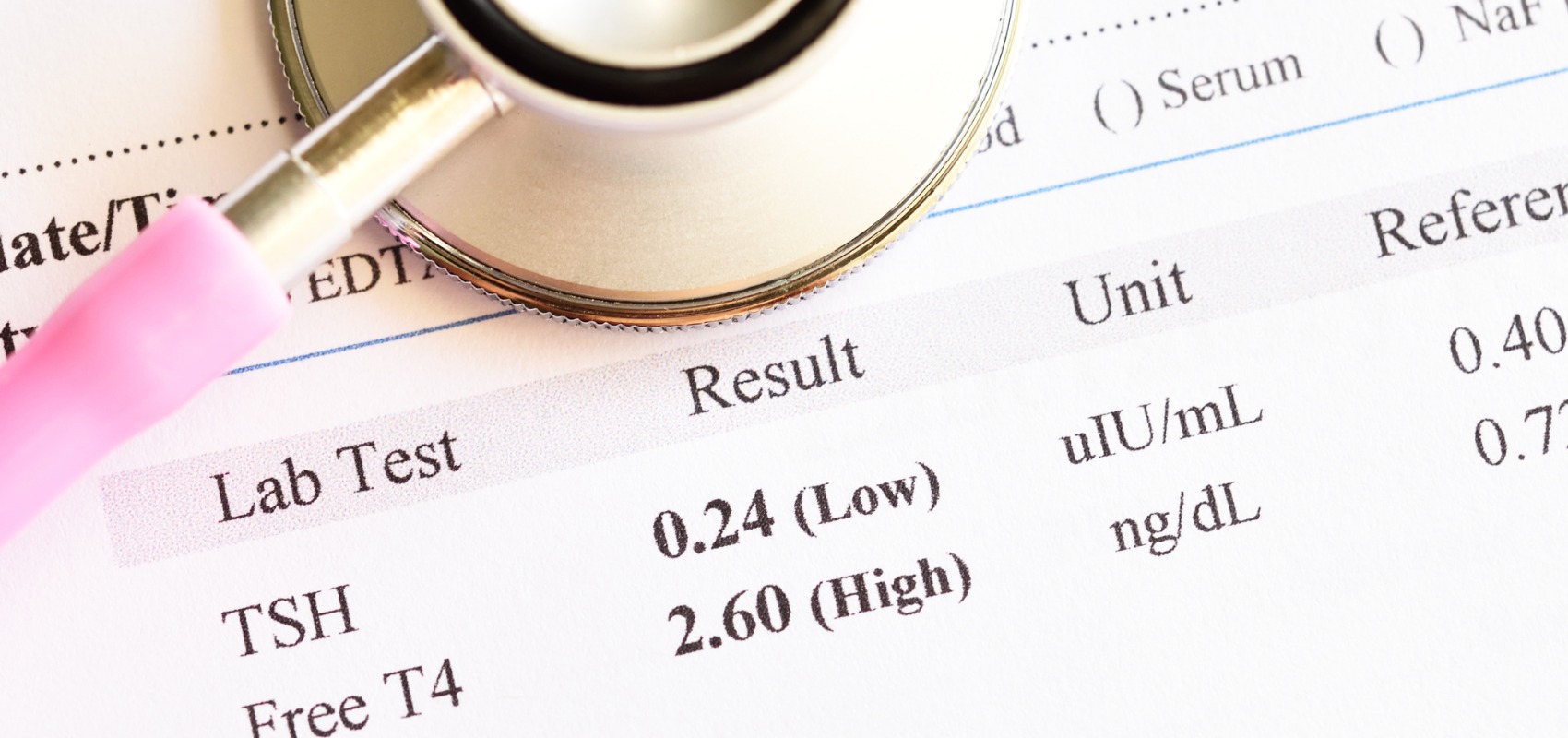
Baseline testing helps providers understand where a patient is starting and whether hormone therapy is appropriate.
Depending on the patient, testing may include:
- Estradiol, progesterone, or other reproductive hormone markers
- Testosterone levels
- Thyroid markers when clinically indicated
- Complete blood count
- Metabolic markers
- Lipid panel
- Liver function markers
- PSA and hematocrit monitoring for some men considering testosterone therapy
- Additional screening based on symptoms and medical history
Why HRT Timelines Are Different for Every Patient
Hormone therapy timelines vary because each patient starts from a different baseline. Symptoms, lab results, medical history, medications, treatment form, and follow-up findings can all affect how quickly or noticeably someone responds.
A responsible hormone therapy clinic should not promise one standard timeline. The provider should first confirm what symptoms are present, what testing shows, and whether hormone therapy is appropriate.
Symptoms That May Affect the Care Plan
Symptoms can range from mild and occasional to frequent and disruptive. Menopausal hormone therapy may be used for vaginal dryness, discomfort, and bone loss prevention in appropriate patients.
Common symptoms that may affect the care plan include:
- Hot flashes or night sweats
- Sleep disruption
- Fatigue
- Low libido
- Mood changes
- Brain fog
- Vaginal dryness or discomfort
Baseline Hormone Levels
Lab testing helps show where the patient is starting. This matters because symptoms alone do not always confirm a hormone imbalance.
For testosterone therapy, the Endocrine Society recommends diagnosis only when symptoms are present with consistently low testosterone levels, confirmed with repeat morning testing.
Age and Stage of Life
Age and life stage can change the risk-benefit discussion. Perimenopause, menopause, postmenopause, and low testosterone concerns are different clinical situations.
Patients are advised to make hormone therapy decisions based on symptoms, personal health history, and family health history.
Patients should review their treatment plan regularly with their provider to decide whether continuing therapy remains appropriate.
Type of Hormone Concern
Not all hormone concerns are treated the same way. Menopausal symptoms, perimenopausal changes, low testosterone, and thyroid-related concerns may require different testing, treatment plans, and monitoring.
This is why people comparing hormone replacement therapy in Connecticut should look for individualized evaluation rather than a one-size-fits-all approach.
Treatment Form and Delivery Method
Hormone therapy may be delivered through:
- Oral medication
- Patches
- Creams
- Gels
- Injections
- Other provider-recommended methods
The form matters because absorption, dosing, side effects, and monitoring needs can differ.
Patients searching for hormone replacement therapy near me should ask why a specific treatment form is being recommended and how follow-up will be handled.
Lifestyle, Health Conditions, and Medications
Sleep, stress, nutrition, activity level, body composition, existing health conditions, and medication use can all influence symptoms and treatment response.
Patients should tell their provider about:
- Current prescriptions
- Over-the-counter medications
- Supplements
- Prior hormone use
- Major health conditions
- Recent medication changes
This helps the provider assess safety and avoid assuming every symptom is hormone-related.
Safety Risks and Contraindications
Hormone therapy is not appropriate for everyone. Certain health risks, abnormal lab results, side effects, or contraindications may affect whether treatment should start, continue, or be adjusted.
For example, estrogen-based hormone therapy is generally not recommended for patients with a history of breast cancer, blood clots, stroke, or certain cardiovascular conditions.
Clinical guidelines recommend avoiding testosterone therapy in patients with certain contraindications and emphasize careful screening and monitoring before and during treatment.
How Dose Adjustments Influence the Timeline

Dose adjustments are a normal part of hormone therapy care. They may involve changing the amount, schedule, or delivery method of treatment based on symptoms, lab results, side effects, and safety markers.
Providers may start with a conservative dose because more is not always better. The goal is to find an appropriate treatment range for the patient, not to push hormone levels too high.
Dose adjustments may be needed when:
- Symptoms improve, but side effects appear
- Symptoms do not improve enough
- Lab results suggest the dose is too low or too high
- A patient’s health status changes
- A medication interaction becomes relevant
- A different delivery method may fit the patient better
This is where follow-up care becomes essential. Without monitoring, it is harder to know whether symptoms are improving because of treatment, lifestyle changes, time, or another factor.
A professional hormone therapy clinic should explain how dose decisions are made and what signs may require earlier follow-up.
How To Track Symptoms During HRT Follow-up Care
Tracking symptoms helps turn a vague timeline into useful information. It gives the provider a clearer picture of what is changing, what still needs attention, and whether the treatment plan needs adjustment.
|
|
|
|
|
Ready to Explore Personalized Hormone Therapy?
Get a detailed consultation and baseline evaluation with BioRestore Health.
What To Look for in a Hormone Therapy Provider in Connecticut

When comparing hormone replacement therapy in Connecticut, look beyond location. The right provider should offer a clear process for evaluation, treatment planning, and follow-up.
A strong provider-led model should include:
- A detailed consultation
- Medical history review
- Baseline lab testing
- Clear discussion of risks and benefits
- Explanation of treatment options
- Personalized dosing strategy
- Follow-up labs when appropriate
- Side effect monitoring
- Clear expectations about variable results
- Coordination with other medical care when needed
If you are searching for hormone therapy near me, be cautious of any provider who promises guaranteed results, skips testing, or minimizes follow-up care. Hormone therapy may help selected patients, but it should be part of a broader medical plan.
Questions To Ask Before Starting HRT
Before beginning treatment, ask direct questions such as:
- What symptoms are we trying to address?
- What labs do I need before treatment?
- How will you decide whether hormone therapy is appropriate for me?
- What risks apply to my age, health history, and medications?
- How often will I need follow-up visits?
- What side effects should I report?
- How will my dose be adjusted?
- What happens if symptoms do not improve?
- Should I continue care with my primary doctor or a specialist?
- How will you monitor safety over time?
These questions can help you compare one hormone therapy clinic with another and choose care that is structured, evidence-informed, and patient-specific.
Frequently Asked Questions (FAQs)
Can HRT help with both physical and emotional symptoms?
It may help selected patients with symptoms such as hot flashes, sleep disruption, and vaginal dryness when those symptoms are linked to hormone changes. A provider should still evaluate other possible causes before assuming hormone therapy is the right option.
What happens if my symptoms improve but my lab results change?
Your provider may review whether the dose, treatment form, or monitoring schedule needs adjustment. Symptom improvement matters, but lab results and safety markers are also important for deciding whether therapy remains appropriate.
Should I stop HRT if I do not feel better right away?
Do not stop or change treatment without speaking with your provider. Lack of early improvement may mean the dose, delivery method, diagnosis, or contributing health factors need to be reviewed.
Why do some people need more frequent HRT follow-ups?
More frequent follow-ups may be recommended for patients with side effects, abnormal labs, medication changes, higher risk factors, or persistent symptoms. Follow-up frequency should be based on clinical need, not a fixed schedule for everyone.
Can HRT be part of a broader wellness plan?
Yes. Hormone therapy may be used alongside sleep support, nutrition, exercise, stress management, and treatment for other medical conditions when appropriate. It should not replace standard medical care or routine screenings.
Bottom Line
HRT timelines vary because treatment is individualized, guided by symptoms, lab testing, dose adjustments, and ongoing follow-up care rather than a fixed schedule.
Choosing a provider-led approach with proper monitoring can help ensure safer, more informed decisions over time. If you are exploring your options, consider reaching out to BioRestore in CT to learn more about personalized hormone therapy care.
DISCLAIMER:
This content is for informational purposes only and is not intended as medical advice, diagnosis, or treatment. Hormone therapy is not guaranteed to produce specific results and may not be appropriate for everyone. Individual outcomes vary based on health history, lab findings, and clinical response. Always consult with a qualified healthcare provider to determine what is appropriate for your specific needs.
SOURCES:
U.S. Food and Drug Administration. (2026, February 12). FDA approves labeling changes to menopausal hormone therapy products. https://www.fda.gov/news-events/press-announcements/fda-approves-labeling-changes-menopausal-hormone-therapy-products
Bhasin, S., Brito, J. P., Cunningham, G. R., Hayes, F. J., Hodis, H. N., Matsumoto, A. M., Snyder, P. J., Swerdloff, R. S., Wu, F. C., & Yialamas, M. A. (2018). Testosterone therapy in men with hypogonadism: An Endocrine Society clinical practice guideline. The Journal of Clinical Endocrinology & Metabolism, 103(5), 1715–1744. https://doi.org/10.1210/jc.2018-00229
Glynne, S., Simon, J., Branson, A., Payne, S., Newson, L., Manyonda, I., Cleator, S., Douek, M., Usiskin, S., Tobias, J. S., & Vaidya, J. S. (2026). Menopausal hormone therapy for breast cancer patients: what is the current evidence?. Menopause (New York, N.Y.), 33(1), 88–117. https://doi.org/10.1097/GME.0000000000002627