Interest in IV-based wellness therapies has expanded rapidly, but few treatments have generated as much attention as the NAD+ IV drip.
NAD+ plays a central role in more than 400 enzymatic reactions in the body, particularly those related to energy metabolism and DNA repair.
A NAD+ IV drip is often positioned as a way to support energy, mental clarity, metabolism, and aspects of healthy aging. Some individuals also explore it for recovery support or as part of broader wellness programs.
However, while the biology of NAD+ is well established, many of the clinical applications of IV NAD+ are still being studied.
What’s In This Guide
- What Is NAD+?
- What Is a NAD+ IV Drip?
- What Is NAD+ Peptide?
- 5 NAD+ Benefits: What People Seek and What Research Shows
- 3 Common Uses of NAD+ IV Therapy
- What To Expect During a NAD+ IV Drip Appointment
- Are There Risks or Side Effects?
- Who May Be a Good Candidate?
- How To Choose a Provider for NAD+ IV Therapy
- Frequently Asked Questions (FAQs)
- Bottom Line
Quick Facts
- NAD+ is a coenzyme, not a peptide.
- A NAD+ IV drip delivers NAD+ into the bloodstream.
- People often use it to support energy, focus, recovery, and wellness.
- It is not a substitute for standard medical care.
- Choose a provider based on safety, screening, and medical oversight.
What Is NAD+?
NAD+ stands for nicotinamide adenine dinucleotide, a coenzyme found in every living cell. It helps your body turn food into usable energy at the cellular level and supports a range of essential processes that keep cells functioning.
NAD+ is essential for:
- Energy production in mitochondria
- DNA repair and cellular maintenance
- Enzyme activity that supports metabolism
Without adequate NAD+, cells cannot efficiently produce energy or maintain normal function. This is why NAD+ has become a focus in discussions around fatigue, aging, and metabolic health.
What Is a NAD+ IV Drip?
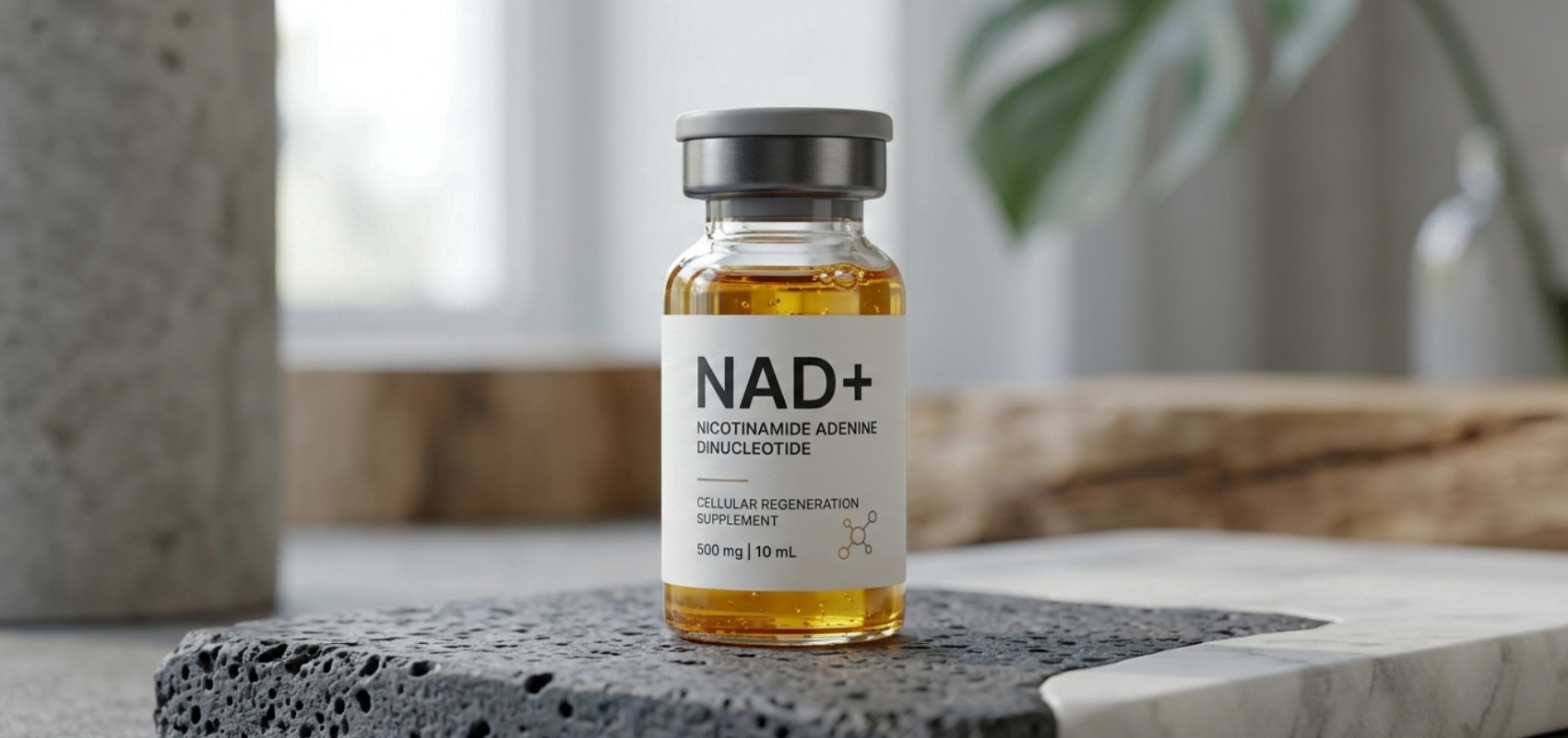
A NAD+ IV drip is a medical or wellness treatment in which NAD+ is delivered directly into the bloodstream through an intravenous line. This bypasses the digestive system and allows for controlled administration under clinical supervision.
During the infusion:
- A licensed provider inserts an IV into a vein
- A solution containing NAD+ is administered gradually
- The patient is monitored throughout the process
IV therapy itself is widely used in healthcare settings for hydration, medications, and nutrient delivery when appropriate.
What Is NAD+ Peptide?
More people are starting to look into NAD+ peptide. However, it is not technically correct. NAD+ and peptides are different.
- NAD+ is a coenzyme that helps cells make energy and support metabolism.
- Peptides are short chains of amino acids that help send signals in the body.
People often confuse them because both are talked about in wellness settings and may be offered by the same types of clinics. But they are not the same substance and do not work the same way.
That distinction matters because:
- NAD+ is linked to cellular energy
- Peptides are linked to cell signaling and specific body functions
Understanding the difference can help you evaluate treatment options more clearly.
5 NAD+ Benefits: What People Seek and What Research Shows
1. Energy and Metabolic Support
NAD+ plays a direct role in how the body converts food into cellular energy. It is a critical coenzyme in metabolic pathways that generate ATP, the primary energy source for cells. Because of this, NAD+ IV therapy may help support energy metabolism in selected individuals, particularly those experiencing fatigue or low energy.
2. Mental Clarity and Cognitive Support
Some individuals report improved focus, alertness, or mental clarity after NAD+ IV therapy. This interest is grounded in NAD+’s role in brain cell metabolism and signaling pathways. Research has shown that NAD+ is involved in neuronal function and may influence processes related to brain health.
However, most of the evidence in this area comes from preclinical or early-stage studies. Large-scale human trials are still limited.
3. Healthy Aging and Cellular Repair
NAD+ is closely linked to cellular maintenance, particularly DNA repair and stress response pathways. NAD+ related coenzymes help repair DNA and support cellular resilience, which is why NAD+ is often discussed in the context of aging. This has led to growing interest in NAD+ IV therapy as part of healthy aging strategies.
4. Recovery and Wellness Support
NAD+ IV therapy is also used in wellness settings for recovery support, especially after periods of stress, travel, or physical and mental strain. The rationale is that NAD+ supports cellular processes involved in energy balance and repair.
These uses are highly individualized. For some patients, NAD+ IV therapy may help support recovery and overall wellness when used alongside other health strategies such as sleep, nutrition, and medical care.
5. Addiction Recovery Support
NAD+ has also been explored in addiction recovery programs, based on its role in brain chemistry and cellular repair. Some early studies and clinical observations suggest it may have a role in supporting recovery processes. However, evidence in this area is still limited and evolving.
3 Common Uses of NAD+ IV Therapy

1. Wellness and Performance Support
Many individuals exploring NAD+ benefits are looking for support with everyday energy, focus, and overall performance. Because NAD+ plays a central role in how cells produce energy, it is often included in wellness programs designed to support:
- Energy levels
- Mental clarity and focus
- General wellness goals
2. Complementary Care
NAD+ IV therapy is sometimes used as part of a broader care plan, especially in patients looking for additional wellness support alongside conventional treatments. It may be considered an adjunctive option in selected patients, rather than a replacement for standard medical care.
3. Recovery and Support
NAD+ IV therapy is also used in wellness programs focused on recovery. This may include periods of high stress, travel fatigue, physically demanding schedules, or times when people feel run down and want added support.
Common recovery-related reasons include:
- Stress-heavy periods
- Travel-related fatigue
- Busy work schedules
- General recovery support
What To Expect During a NAD+ IV Drip Appointment
Step 1: Medical Evaluation
Before treatment begins, a provider typically reviews your health background to decide whether the therapy is appropriate.
This first step may include:
- Your current symptoms or wellness goals
- Medical history
- Medications and supplements
- Allergies or past reactions
- Relevant lifestyle factors
Step 2: Personalized Treatment Planning
If the treatment moves forward, the provider usually determines an approach based on your individual needs and tolerance.
That planning may involve:
- Choosing the type of IV formula
- Deciding how the infusion will be administered
- Adjusting the pace of treatment for comfort
- Reviewing how the session fits into a broader wellness plan
Step 3: IV Placement and Infusion
Once the plan is set, an IV is placed into a vein, and the infusion begins. In general, the solution is administered gradually rather than all at once.
During this part of the appointment, patients can usually expect:
- Placement of the IV by a trained provider
- A seated or reclined setting during treatment
- A controlled infusion pace
- Adjustments if needed for comfort
Step 4: Monitoring During Treatment
Monitoring is an important part of the process. Providers generally observe patients during the session to support comfort and address any issues that come up.
This may include watching for:
- Tolerance to the infusion
- Mild side effects such as nausea, flushing, or headache
- Overall comfort during the session
- Whether adjustments are needed
Step 5: Post-Treatment Guidance
After the infusion, patients may receive general guidance about what to do next and what to watch for.
Post-treatment instructions may include:
- Hydration recommendations
- Activity guidance for the rest of the day
- What side effects to monitor
- Whether follow-up is recommended
- When to contact the provider with concerns
Are There Risks or Side Effects?
Common Side Effects
Some individuals may experience mild side effects during or shortly after treatment, such as:
- Mild nausea
- Headache
- Flushing or feeling warm
- Temporary discomfort at the IV site
- Lightheadedness in some cases
These effects are often short-term, and clinics may adjust the infusion rate if a patient feels uncomfortable. Still, tolerance can vary from person to person.
IV-Related Risks
Because this is an intravenous procedure, there are also standard IV-related risks to keep in mind, including:
- Infection at the insertion site
- Vein irritation or inflammation
- Bruising around the IV site
- Discomfort if the vein is sensitive
- In some cases, swelling or infiltration may occur if fluid moves outside the vein
IV access can also be associated with complications such as catheter-related infection. It’s also related to phlebitis, or vein inflammation, as a known complication of peripheral IV use.
While generally considered safe when administered in a clinical setting, IV therapy should always be performed under proper medical supervision.
Who May Be a Good Candidate?

Potential Candidates
Individuals who may consider discussing NAD+ IV therapy with a provider include those experiencing:
- Low energy
- High stress
- Recovery challenges
- Interest in structured wellness support
When To Seek Standard Medical Care First
Symptoms such as persistent fatigue, chest pain, dizziness, or unexplained changes in health should be evaluated medically before considering IV therapy.
Individualized Care Matters
NAD+ IV therapy may help in selected patients, but results vary. It should be approached as part of a broader, clinically guided strategy.
How To Choose a Provider for NAD+ IV Therapy
What To Look For
Searching for an IV drip provider near me often starts with location, but choosing a provider should go beyond convenience. When evaluating providers, consider whether they offer:
- Licensed medical professionals are overseeing treatment
- A comprehensive screening and intake process
- Clear, transparent discussion of risks and potential benefits
- Proper sterile handling and clinical protocols
- Monitoring during and after the infusion
Questions To Ask
Before booking an appointment, it is reasonable to ask:
- How is patient safety monitored during the infusion?
- What qualifications and credentials does the provider have?
- What should I expect during and after treatment?
- How are side effects or complications handled?
Frequently Asked Questions (FAQs)
Is a NAD+ IV drip the same as taking vitamin B3?
Not exactly. NAD+ is derived from niacin, which is vitamin B3, but a NAD+ IV drip is not the same as simply taking a vitamin B3 supplement. NAD+ is the active coenzyme involved in cellular energy processes.
How long does a NAD+ IV drip appointment usually take?
Appointment length can vary depending on the clinic, the infusion protocol, and individual tolerance. Some sessions are shorter, while others may take longer if the infusion is administered more gradually for comfort.
How often do people get NAD+ IV therapy?
Frequency varies by clinic and by individual goals. Some people use it occasionally as part of a wellness plan, while others may follow a provider-guided schedule based on their needs and response.
Can I drive or return to work after a NAD+ IV drip?
Many people are able to return to normal daily activity afterward, but this depends on how they feel after the session. If someone experiences lightheadedness or discomfort, it may be best to rest first and follow the clinic’s guidance.
Should I avoid eating or drinking before a NAD+ IV drip?
Specific instructions vary by provider. In many cases, clinics may recommend arriving hydrated and having something light to eat beforehand, but patients should follow the directions given by their provider.
Bottom Line
A NAD+ IV drip is a clinically guided wellness therapy designed to support cellular energy and metabolic function, but it is not a one-size-fits-all solution, and results can vary based on individual health and goals. Understanding what NAD+ does, what the research supports, and how treatment is administered can help you make a more informed decision.
Schedule a consultation with BioRestore Health to determine whether NAD+ IV therapy fits your personalized wellness plan.
DISCLAIMER:
This content is for informational purposes only and does not constitute medical advice, diagnosis, or treatment. NAD+ IV therapy is not guaranteed to produce specific results and is not a substitute for standard medical care. Individual responses may vary, and treatment should be discussed with a qualified healthcare provider to determine what is appropriate for your specific condition. For more information or to explore your options, contact BioRestore.
SOURCES:
National Institutes of Health, Office of Dietary Supplements. (n.d.). Niacin: Fact sheet for health professionals. https://ods.od.nih.gov/factsheets/Niacin-HealthProfessional/
Kaprive, J., & Krishnamurthy, K. (2026). Biochemistry, peptide. In StatPearls. StatPearls Publishing. https://www.ncbi.nlm.nih.gov/books/NBK562260/
Zhao, Y., Zhang, J., Zheng, Y., Zhang, Y., Zhang, X. J., Wang, H., Du, Y., Guan, J., Wang, X., & Fu, J. (2021). NAD+ improves cognitive function and reduces neuroinflammation by ameliorating mitochondrial damage and decreasing ROS production in chronic cerebral hypoperfusion models through Sirt1/PGC-1α pathway. Journal of neuroinflammation, 18(1), 207. https://doi.org/10.1186/s12974-021-02250-8
Vinten, K. T., Trętowicz, M. M., Coskun, E., et al. (2025). NAD+ precursor supplementation in human ageing: Clinical evidence and challenges. Nature Metabolism, 7, 1974–1990. https://doi.org/10.1038/s42255-025-01387-7
Alpay, F. (2025, July 23). Boosting NAD+ for anti-aging: Mechanisms, interventions, and opportunities. ChemRxiv. https://doi.org/10.26434/chemrxiv-2025-nl80r
Braidy, N., Villalva, M. D., & van Eeden, S. (2020). Sobriety and Satiety: Is NAD+ the Answer?. Antioxidants (Basel, Switzerland), 9(5), 425. https://doi.org/10.3390/antiox9050425
Kaphan, K., Auypornsakul, S., Somno, J., Wongwattananan, W., Jamsittikul, K., Baicha, W., Somsri, S., & Sawatrak, T. (2024). The Prevalence and Associated Factors of Peripheral Intravenous Complications in a Thai Hospital. Journal of infusion nursing : the official publication of the Infusion Nurses Society, 47(2), 120–131. https://doi.org/10.1097/NAN.0000000000000538