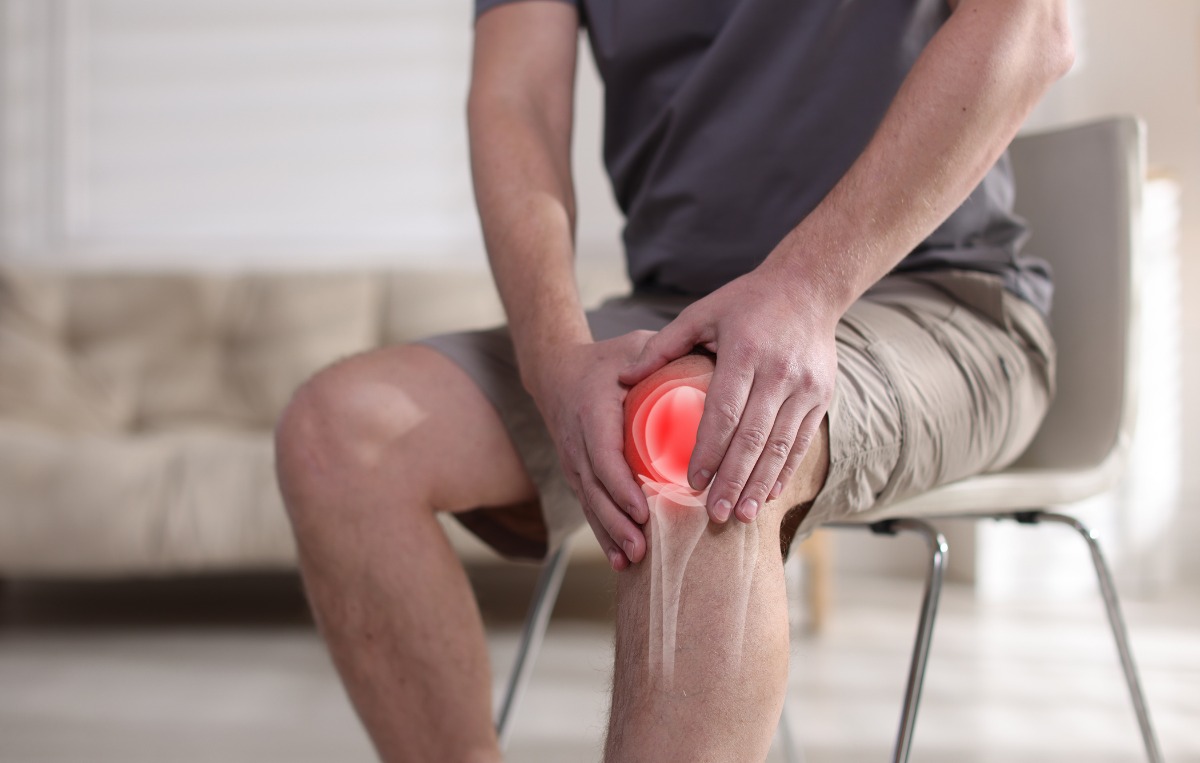
Joint pain is common, and more people are looking at regenerative therapies that may help support healing without surgery. Two options that often come up are PRP and exosomes.
The main difference is simple: PRP uses your own blood to deliver concentrated growth factors, while exosomes use signaling vesicles that may help direct cellular repair and inflammatory balance.
Research continues to evolve, and both treatments are generally considered supportive options that may complement broader joint care strategies.
What's In This Guide
Quick Facts
- PRP and exosome therapies are regenerative options studied for joint support.
- PRP uses your own blood to deliver growth factors involved in healing.
- Exosomes carry signals that may influence repair and inflammation.
- Research is still evolving, so results can vary by patient.
- Careful screening and medical oversight are important.
What Are PRP and Exosome Therapies?
What Is PRP (Platelet-Rich Plasma)?
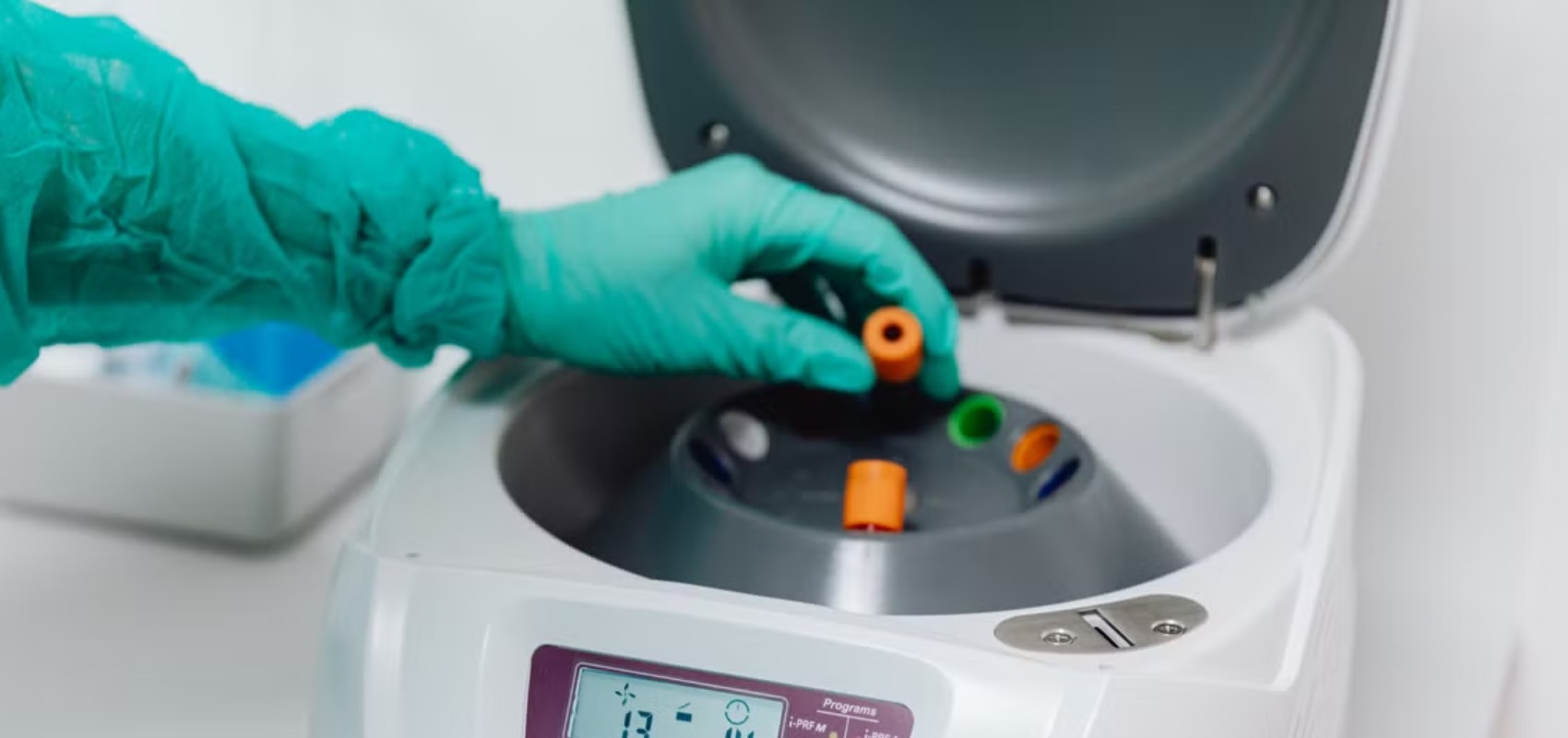
Platelet-rich plasma (PRP) is created using a small sample of a patient’s own blood. The blood is processed in a centrifuge to concentrate platelets, which contain growth factors and proteins involved in healing.
When injected into joints or injured tissues, these platelets release signaling molecules that may help support tissue repair and inflammatory balance.
PRP has been studied for conditions such as osteoarthritis, tendon injuries, and ligament damage. Some studies suggest PRP may help support pain reduction and improved joint function in selected patients, although results vary depending on the condition and protocol used.
What Are Exosomes?
Exosomes are microscopic extracellular vesicles naturally released by cells. These vesicles carry biological signals such as proteins, lipids, and genetic material that help cells communicate with each other.
Important characteristics of exosomes include:
- Extremely small vesicles involved in cell-to-cell communication
- Carry proteins, RNA, and signaling molecules
- Studied for their potential role in tissue repair and inflammation regulation
- Often derived from regenerative cell environments in research settings
Because exosomes function as biological messengers, researchers are exploring whether they may help direct cellular responses involved in healing and regeneration.

How PRP May Support Joint Health
Delivering Growth Factors That Support Tissue Repair
Platelets contain numerous growth factors and signaling proteins that help coordinate healing after injury. When PRP is injected into joint tissues, platelets release these molecules, which may support cellular repair processes.
Growth factors commonly found in PRP include:
- Platelet-derived growth factor (PDGF)
- Transforming growth factor beta (TGF-β)
- Vascular endothelial growth factor (VEGF)
- Epidermal growth factor (EGF)
These molecules may help stimulate tissue repair, promote cell signaling, and influence the healing environment within joints.
Supporting Inflammatory Balance in the Joint
Joint pain often involves chronic inflammation that can affect cartilage, ligaments, and surrounding tissues. PRP has been studied for its potential to influence inflammatory pathways and support a more balanced healing environment.
Some studies suggest PRP may help regulate inflammatory signaling molecules and cytokines that contribute to joint discomfort. By influencing these pathways, PRP may support improved joint function in selected patients.
Improving Osteoarthritis and Joint Conditions
PRP has been studied in several musculoskeletal conditions, particularly osteoarthritis. Clinical research has evaluated whether PRP injections may help support pain reduction and functional improvement in joints such as the knee.
PRP may offer benefits for certain patients with mild to moderate osteoarthritis, although outcomes depend on factors such as disease severity, treatment protocol, and individual biology.
Because results can vary, PRP is typically considered an adjunctive regenerative therapy rather than a definitive treatment.
How Exosomes May Support Joint Repair
Cellular Communication and Repair Signaling
Exosomes function as biological messengers that allow cells to exchange information. When released by cells, these vesicles can travel through bodily fluids and interact with nearby or distant cells.
Researchers believe these signals may influence processes involved in joint repair, including:
- Communication between cartilage cells (chondrocytes)
- Coordination of tissue repair responses
- Regulation of inflammatory signaling
- Activation of cellular repair pathways
Potential Influence on Cartilage Health
Cartilage is the smooth connective tissue that cushions joints and allows bones to move smoothly against each other. Unlike many other tissues, cartilage has limited natural healing ability.
Research suggests exosome-derived signals may influence the activity of chondrocytes, the specialized cells responsible for maintaining cartilage structure.
Studies indicate that exosomes may help support:
- Chondrocyte proliferation and activity
- Extracellular matrix production
- Cartilage tissue repair pathways
These findings are primarily based on laboratory and animal studies, and researchers continue to investigate how these effects translate into clinical settings.
Modulating Inflammatory Responses in Joints
Inflammation plays a major role in joint pain and degenerative conditions such as osteoarthritis. Excessive inflammatory signaling can contribute to cartilage breakdown and joint stiffness.
Exosome-derived molecules are being studied for their potential ability to influence inflammatory pathways.
Potential effects being investigated include:
- Regulation of cytokine activity involved in inflammation
- Signaling that may support anti-inflammatory responses
- Interactions with immune cells within joint tissues
By influencing these pathways, exosomes may help support a more balanced environment for tissue repair in selected patients.
Safety, Regulation, and Clinical Oversight
Regulatory Considerations
Regulatory authorities emphasize that many regenerative products, including some exosome-based therapies, are still under investigation and may not have approval for specific medical indications.
Key points patients should understand include:
- Some regenerative therapies are being studied in clinical trials.
- Not all biologic products marketed for joint or regenerative treatments have the same regulatory status.
- Patients should seek providers who follow established safety standards and medical oversight.
Patients are encouraged to discuss regenerative treatments with qualified healthcare professionals before proceeding.
Safety Considerations for PRP
PRP therapy is generally considered a lower-risk biologic approach because it uses autologous material, meaning it comes from the patient’s own blood.
However, safety still depends on proper clinical practice.
Important safety factors include:
- Sterile preparation of PRP during processing
- Accurate injection technique
- Appropriate patient selection
- Monitoring after treatment
Although many studies report favorable safety profiles, outcomes can vary depending on the condition being treated and the preparation method used.
Safety Considerations for Exosome-Based Therapies
Exosome-based therapies involve biologic vesicles that carry cellular signaling molecules. Because this area of regenerative medicine is still developing, researchers emphasize the importance of quality control, sourcing, and scientific oversight.
Potential considerations include:
- The biological source of the exosomes
- Processing and purification standards
- Sterility and contamination testing
- Clinical protocols used by providers
Because research is ongoing, experts note that standardized manufacturing and long-term clinical data are still being studied.
The Importance of Clinical Screening
Before recommending regenerative therapies, responsible providers typically perform a medical evaluation to determine whether a patient may be an appropriate candidate.
Screening may include:
- Medical history review
- Assessment of joint condition or injury
- Evaluation of medications or underlying health issues
- Discussion of realistic treatment goals
This process helps ensure that regenerative therapies are used as part of a broader treatment plan rather than as a one-size-fits-all solution.
When Patients May Consider Regenerative Therapies
Mild To Moderate Joint Degeneration
Patients with early or moderate joint degeneration may ask about regenerative therapies as part of a broader care strategy. Conditions commonly discussed include osteoarthritis, which affects millions of adults and involves the gradual breakdown of joint cartilage.
Persistent Joint Discomfort That Has Not Improved With Conservative Care
Some patients explore regenerative therapies when symptoms persist despite initial conservative measures.
Examples may include:
- Physical therapy
- Anti-inflammatory medications
- Activity modification
- Supportive braces or joint care strategies
In selected patients, PRP or other regenerative therapies may be discussed as adjunctive options when traditional non-surgical approaches provide limited relief.
Patients Seeking Minimally Invasive Options
Another reason patients consider regenerative therapies is the desire to explore treatments that are less invasive than surgery. In many cases, PRP injections and other biologic therapies are performed in an outpatient setting and typically involve minimal recovery time.
These approaches may appeal to individuals who:
- Wish to remain active
- Want to support joint health earlier in the disease process
- Are exploring options before surgical intervention becomes necessary
However, it is important to understand that regenerative therapies are not considered definitive treatments for advanced joint damage.
Athletes and Active Individuals
Athletes and physically active individuals may explore regenerative therapies when dealing with joint stress or repetitive injuries. Sports medicine research has examined PRP in particular for tendon and ligament injuries because of its growth factor content.
Although outcomes vary, regenerative therapies are sometimes discussed as part of a recovery strategy that also includes rehabilitation and conditioning.
Why Medical Evaluation Still Matters
While regenerative therapies may offer potential supportive options, they are not appropriate for every joint condition. Proper screening helps determine whether a patient may benefit from regenerative support or whether other treatments should be considered.
Clinical evaluation typically includes:
- Assessment of joint structure and severity of damage
- Review of medical history and medications
- Discussion of treatment goals and expectations
This approach helps ensure that regenerative therapies are considered within a broader, individualized treatment plan rather than used as a one-size-fits-all solution.
Frequently Asked Questions (FAQs)
How long do PRP or exosome joint injections take?
Most regenerative joint injections are performed as outpatient procedures. The preparation and injection process typically takes 30 to 60 minutes, depending on the therapy used and the joint being treated. Follow-up monitoring may be recommended to evaluate how the joint responds over time.
Are PRP or exosome injections painful?
Patients may experience mild discomfort during the injection because the treatment is delivered directly into the joint. However, many clinics use local numbing techniques to improve comfort. Temporary soreness or swelling may occur afterward, which is usually short-term.
Can regenerative therapies be used alongside physical therapy?
Yes. In many cases, regenerative therapies are discussed as adjunctive options alongside rehabilitation programs. Physical therapy may help strengthen muscles around the joint, improve mobility, and support long-term joint function.
Do regenerative joint therapies replace surgery?
Not necessarily. PRP and exosome therapies are generally explored before or alongside surgical options, particularly in patients with mild to moderate joint concerns. In more advanced cases of joint damage, surgical treatment may still be necessary.
Are regenerative therapies covered by insurance?
Coverage varies widely. Many regenerative treatments are still considered emerging therapies, which means they may not be covered by insurance plans. Patients are typically encouraged to discuss costs and treatment plans with their provider before proceeding.
Bottom Line
PRP and exosome therapies represent two different regenerative approaches being studied for joint support. Both treatments are minimally invasive and may offer regenerative support for joint health in selected patients, though research is still evolving, and results can vary.
To learn whether regenerative therapy may fit your needs, contact BioRestore in Connecticut to schedule a consultation.
DISCLAIMER:
This article is for informational purposes only and does not constitute medical advice. Regenerative therapies such as PRP and exosome-based treatments are evolving areas of clinical research, and results are not guaranteed. These approaches should not be considered a substitute for standard medical care and should be discussed with a qualified physician. BioRestore provides alternative regenerative medicine and regenerative support and does not perform stem cell therapy. For more information about regenerative care options, contact BioRestore to schedule a consultation.
SOURCES:
Pavlovic, V., Ciric, M., Jovanovic, V., & Stojanovic, P. (2016). Platelet Rich Plasma: a short overview of certain bioactive components. Open medicine (Warsaw, Poland), 11(1), 242–247. https://doi.org/10.1515/med-2016-0048
Wu, W.-S., Chen, L.-R., & Chen, K.-H. (2025). Platelet-Rich Plasma (PRP): Molecular Mechanisms, Actions and Clinical Applications in Human Body. International Journal of Molecular Sciences, 26(21), 10804. https://doi.org/10.3390/ijms262110804
Lu, J., Zhang, Y., Yang, X., & Zhao, H. (2023). Harnessing exosomes as cutting-edge drug delivery systems for revolutionary osteoarthritis therapy. Biomedicine & Pharmacotherapy, 165, 115135. https://doi.org/10.1016/j.biopha.2023.115135
Liang, Y., Li, J., Wang, Y., He, J., Chen, L., Chu, J., & Wu, H. (2022). Platelet Rich Plasma in the Repair of Articular Cartilage Injury: A Narrative Review. Cartilage, 13(3), 19476035221118419. https://doi.org/10.1177/19476035221118419
Schwitzguébel, A., Corzo, A. H., Theodoridou, E., Bogoev, M., Grange, M., Boudabbous, S., & Benaim, C. (2025). Platelet-rich plasma treatment for large joint osteoarthritis: retrospective study highlighting a possible treatment protocol with long-lasting stimulation of the joint with an adequate dose of platelets. BMC musculoskeletal disorders, 26(1), 412. https://doi.org/10.1186/s12891-025-08663-3
Zhang, Y., Liu, Y., Liu, H., & Tang, W. H. (2019). Exosomes: biogenesis, biologic function and clinical potential. Cell & bioscience, 9, 19. https://doi.org/10.1186/s13578-019-0282-2
Han, B., Fang, W., Yang, Z., Wang, Y., Zhao, S., Hoang, B. X., & Vangsness, C. T., Jr (2023). Enhancement of Chondrogenic Markers by Exosomes Derived from Cultured Human Synovial Fluid-Derived Cells: A Comparative Analysis of 2D and 3D Conditions. Biomedicines, 11(12), 3145. https://doi.org/10.3390/biomedicines11123145
Saleem, M., Shahzad, K. A., Marryum, M., Singh, S., Zhou, Q., Du, S., Wang, S., Shao, C., & Shaikh, I. I. (2024). Exosome-based therapies for inflammatory disorders: a review of recent advances. Stem cell research & therapy, 15(1), 477. https://doi.org/10.1186/s13287-024-04107-2