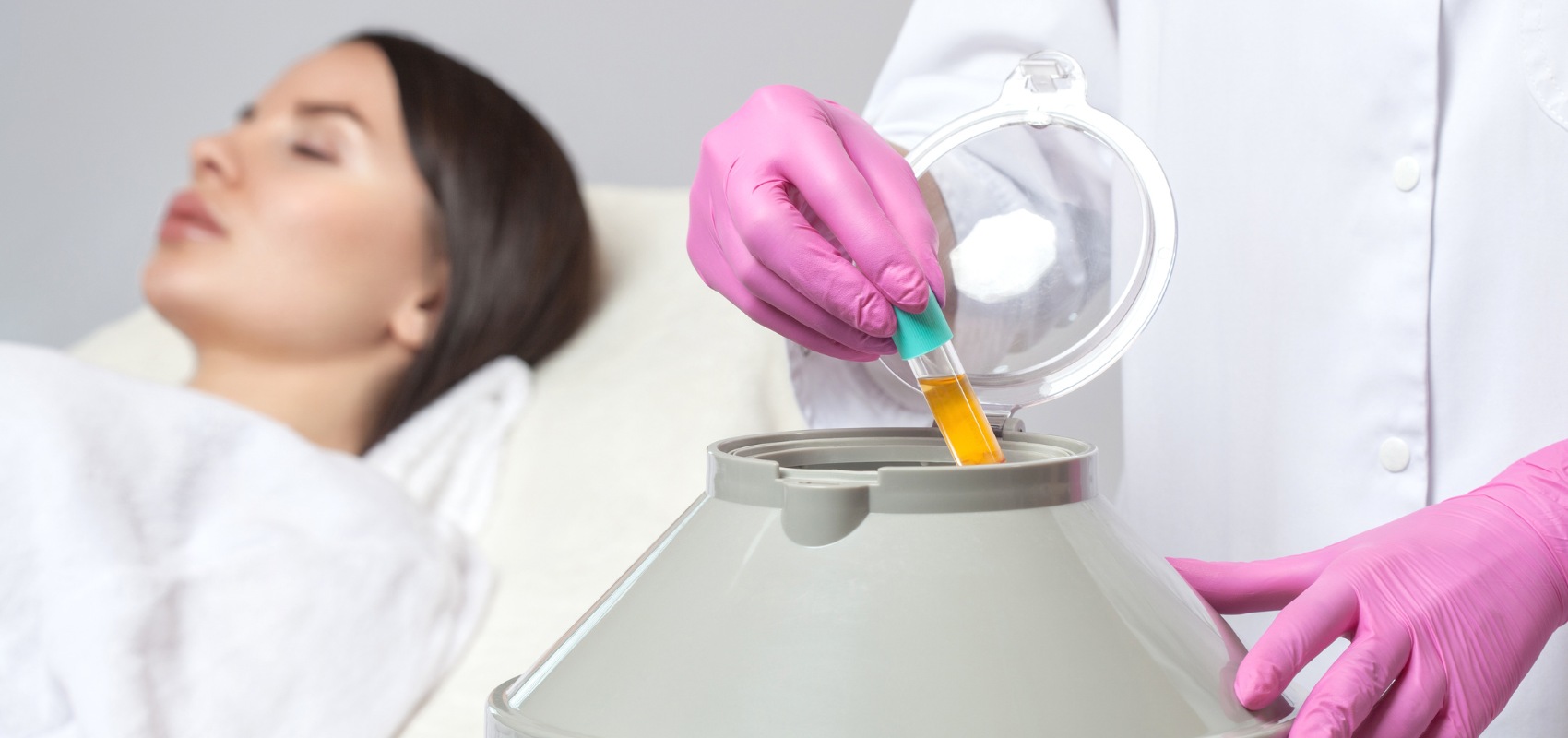
Platelet-Rich Plasma (PRP) injections are gaining attention as a non-surgical way to support healing and rejuvenation using your body’s own biology. Whether used for the face, hair, or joints, this approach concentrates platelets from your blood and injects them into targeted areas to help stimulate repair and collagen production.
While PRP is often described as a regenerative therapy with the potential to improve skin quality, support hair growth, or ease joint discomfort, it is not a guaranteed solution. Results can vary, and it is typically used as part of a broader treatment plan under proper medical supervision.
What’s In This Guide
Quick Facts
- PRP for hair loss uses a patient’s own blood to support hair follicles.
- It may help improve hair density and thickness in selected patients.
- It works best with proper diagnosis and clinical monitoring.
- It is often used alongside other hair restoration treatments.
- Results vary, and more research is still needed.
What Is a Plasma-Rich Platelet Injection and How Does It Work?
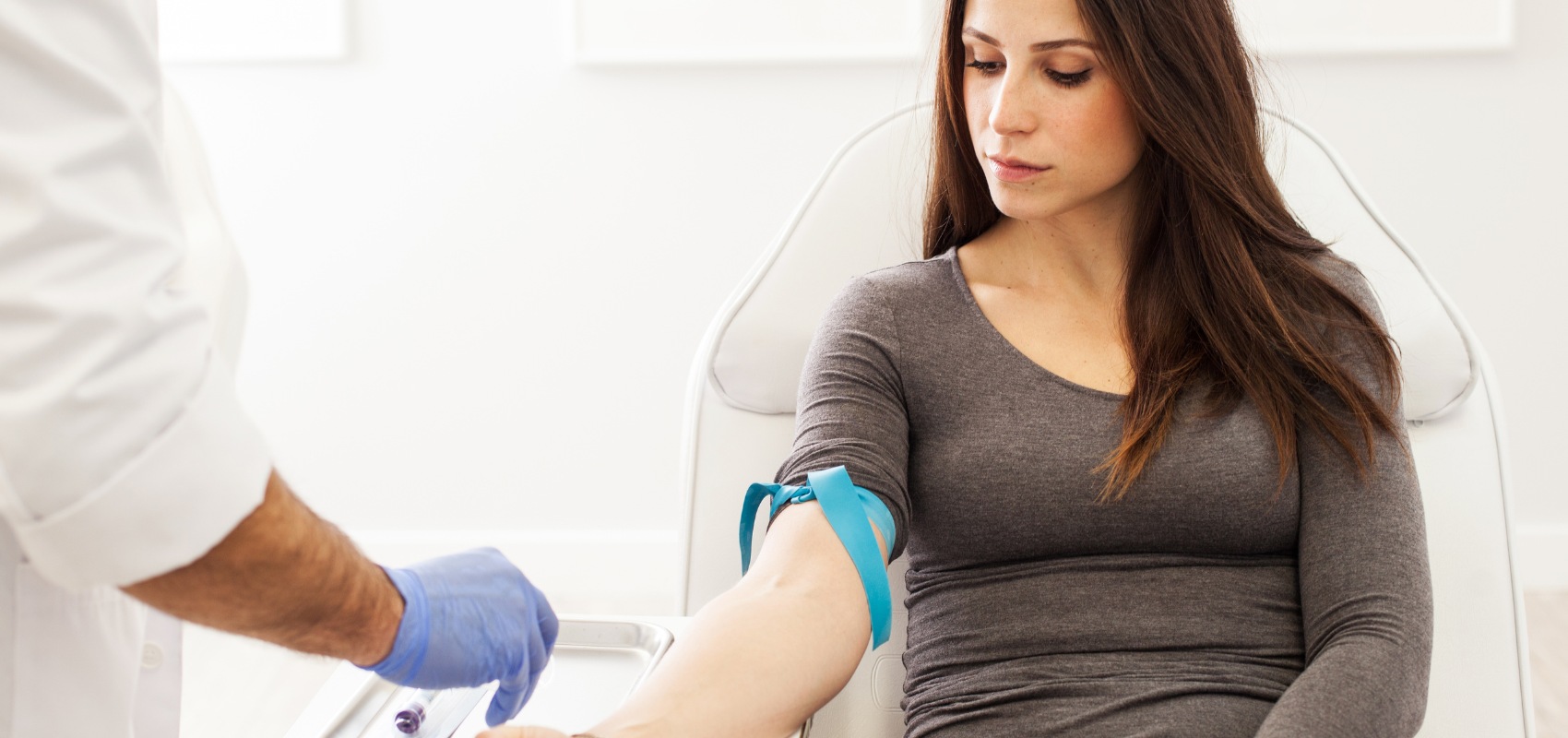
A plasma-rich platelet injection, more commonly called Platelet-Rich Plasma or PRP, is a non-surgical regenerative approach that uses a patient’s own blood to support healing and tissue repair.
The process is straightforward:
- A small blood sample is drawn
- It is spun in a centrifuge to concentrate platelets
- The platelet-rich plasma is injected into targeted areas such as the face, scalp, or joints
Platelets contain growth factors that may help stimulate collagen production, tissue repair, and cellular signaling.
Plasma Rich Platelet Injection for Knees
A plasma-rich platelet injection for knees places concentrated platelets into the knee joint or nearby tissue to support the body’s repair response.
PRP is commonly used for knee osteoarthritis and related joint pain. It may help manage inflammation and support joint function in selected patients.
Potential benefits:
- May help reduce knee pain
- May support mobility and function
- May complement physical therapy
- Non-surgical treatment option
Plasma Rich Platelet Injection for Hair
A plasma-rich platelet injection for hair delivers platelet-rich plasma into the scalp to support hair follicles. It is commonly used for certain types of hair thinning and hair loss. It may also help improve hair density and thickness in selected patients.
Potential benefits:
- May support hair growth
- May improve hair thickness
- Non-surgical option
- May work alongside other hair treatments
Plasma Rich Platelet Injection for the Face
A plasma-rich platelet injection for the face uses platelet-rich plasma to support skin renewal and collagen activity. It is often used for facial rejuvenation and may help improve skin texture, tone, and overall appearance.
Potential benefits:
- May improve skin texture
- May support collagen production
- May help with mild acne scars
- Minimal downtime for many patients
PRP for Injury Recovery
In sports medicine and orthopedic care, PRP is commonly discussed for tendon injuries, ligament problems, muscle strains, and some joint-related conditions. PRP is best understood as a non-surgical option that may help in selected patients, not as a guaranteed fix.
Why clinicians use it for injuries
- It is non-surgical
- It uses the patient’s own blood
- It may help support healing in stubborn soft-tissue injuries
- It can be used alongside a broader recovery plan that includes rehabilitation and clinical monitoring
Common Injuries PRP May Help With
Tendon Injuries
PRP is often explored for tendon problems such as tennis elbow, patellar tendinopathy, Achilles tendinopathy, and some chronic shoulder or elbow issues.
Tendons generally have a limited blood supply, which is one reason these injuries can take time to settle down. PRP may help reduce pain and improve function, but results are not uniform across all tendon conditions.
Ligament and Joint-Related Injuries
PRP is also used in some ligament and joint-related conditions, especially when pain and inflammation are limiting recovery. For example, it is sometimes discussed for knee problems and as part of broader orthopedic care.
That said, the response depends on the diagnosis. A mild overuse injury, a partial tear, and advanced joint damage are not the same situation.
Muscle and Soft-Tissue Injuries
Some sports medicine practices use PRP for muscle injuries and other soft-tissue problems, particularly when an athlete or active adult is trying to recover after standard care has not been enough. Evidence in this area is still evolving, and treatment decisions should be individualized.
What Affects Results
Injury Type and Severity
A chronic tendon problem may respond differently from an acute muscle strain or a major structural injury. PRP tends to be considered more often when the goal is to support healing in tissue that has become slow to recover.
Timing of Treatment
The stage of injury matters. Some clinicians use PRP after other conservative care has not worked well enough, while others may use it earlier in selected cases. There is no single protocol that fits every injury.
Rehabilitation Plan
PRP usually works best as part of a broader recovery strategy. Physical therapy, loading progression, activity modification, and follow-up care still matter. A biologic injection does not replace rehab.
Technical Factors
How the PRP is prepared and how it is injected can affect outcomes. This is one reason published results can be hard to compare.
Risks, Limitations, and Realistic Expectations
Because PRP comes from the patient’s own blood, many people assume it is risk-free. That is too simple. PRP is still an injection procedure, and outcomes are not guaranteed.
Common side effects can include soreness, swelling, or bruising at the injection site. More importantly, some injuries simply may not respond enough to PRP to make a meaningful difference.
Who May Be a Candidate
PRP for injury recovery may be considered for patients with certain chronic or slow-healing musculoskeletal problems, especially when symptoms continue despite conservative care.
Good candidates are usually screened carefully based on diagnosis, imaging, overall health, medications, and recovery goals. A qualified clinician should explain whether PRP fits the injury pattern and whether there are better-supported options.
PRP for Hair Loss

PRP is most often used for androgenetic alopecia, also known as pattern hair loss. The goal is to deliver concentrated platelets into the scalp, where growth factors may help stimulate follicles and improve hair density in selected patients.
Who May Benefit From PRP for Hair Loss
PRP is not a one-size-fits-all solution. It may be considered for specific types of hair loss, especially when follicles are still present but not functioning optimally.
Most commonly used for:
- Androgenetic alopecia in men and women
- Early to moderate hair thinning
- Patients looking for non-surgical options
PRP may improve hair density and thickness in selected patients, though results vary depending on the underlying cause of hair loss.
Less predictable for:
- Advanced hair loss where follicles are no longer active
- Scarring alopecia or medical causes of hair loss
- Conditions that require systemic treatment
What Affects Results
PRP outcomes are not uniform. Several factors influence how well a patient may respond.
Key factors include:
- Stage of hair loss: Earlier intervention tends to offer more potential because follicles are still active.
- Treatment consistency: PRP is often performed as a series rather than a single session.
- Combination therapy: PRP is frequently used alongside treatments like topical or oral medications.
- Individual biology: Age, hormone levels, and overall health may affect response.
Because of these variables, PRP should be viewed as an adjunctive to other treatments rather than a standalone solution.
Potential Benefits of PRP for Hair Loss
PRP may offer several advantages for patients seeking non-surgical hair restoration, especially when used as part of a broader, medically guided approach.
- May support increased hair density and thickness
- May help stimulate existing hair follicles that are still active
- Non-surgical approach with relatively minimal downtime
- Uses the patient’s own blood, reducing compatibility concerns
- May complement other treatments such as topical or oral therapies
- May improve overall hair quality and appearance in selected patients
- Potential to support longer hair growth cycles
- May help slow the progression of thinning in early stages
Risks and Limitations To Understand
PRP is generally considered safe when performed in a clinical setting, but it is not risk-free and not guaranteed to work.
Expect:
- Scalp tenderness
- Mild swelling or redness
- Temporary discomfort at injection sites
Important limitations:
- Results vary between patients
- Multiple sessions are often needed
- Not effective for all types of hair loss
- Evidence is still developing and not fully standardized
Finding the Right Plasma Rich Platelet Injection Near You
PRP is highly technique-dependent, so the better question is not just who is nearby, but who is qualified.
- Clear diagnosis and evaluation: Choose a provider who explains what condition is being treated and why PRP may or may not be appropriate.
- Relevant specialty experience: A dermatologist may be the better fit for hair or facial PRP. An orthopedic specialist or sports medicine clinician may be better for joints and soft tissue problems.
- Honest discussion of evidence: The right provider should explain what is known, what remains uncertain, and how PRP compares with standard treatment options.
- Safety and scientific oversight: Ask how the blood is processed, whether sterile technique is followed, who performs the injections, and how follow-up is handled.
Frequently Asked Questions (FAQs)

Does PRP for hair loss work for both men and women?
Yes, PRP may be used for both men and women, especially when hair thinning is related to androgenetic alopecia. Results vary, and the best candidates are usually those with early to moderate thinning rather than advanced hair loss.
How is PRP for hair loss different from a hair transplant?
PRP is a non-surgical treatment that aims to support existing hair follicles. A hair transplant is a surgical procedure that moves follicles from one part of the scalp to another. PRP may be used on its own or as an adjunct to other hair restoration strategies, depending on the patient.
Can PRP be combined with other hair loss treatments?
Yes, PRP is often combined with other therapies as part of a broader treatment plan. Depending on the diagnosis, a physician may recommend pairing it with medications, supplements, or other scalp treatments to improve overall results.
Is there any downtime after PRP injections for the scalp?
Downtime is usually limited. Most patients return to normal daily activities soon after treatment, although mild soreness, redness, or scalp tenderness can happen for a short time.
How do I know if I am a good candidate for PRP for hair loss?
The best way is through a medical evaluation. A qualified provider should confirm the type of hair loss, review your health history, and determine whether PRP fits your goals and whether other treatments may be more appropriate.
Bottom Line
Platelet-rich plasma therapy is a non-surgical, regenerative approach that may help support healing, hair growth, and skin rejuvenation in selected patients. However, it is not absolute and works best as part of a broader, medically guided treatment plan with proper screening and clinical oversight. Results vary, and expectations should remain realistic based on the condition being treated.
If you are considering PRP as part of your regenerative health plan, the next step is a professional evaluation to determine if it fits your condition and goals.
At BioRestore, PRP treatments are integrated into personalized care plans designed to support long-term outcomes.
DISCLAIMER:
This content is for informational purposes only and is not a substitute for professional medical advice, diagnosis, or treatment. Platelet-rich plasma (PRP) therapy is not guaranteed to produce specific results, and outcomes vary based on individual health, condition, and treatment approach. It should be discussed with a qualified physician as part of a comprehensive care plan. For more information about regenerative therapies and whether they may be appropriate for you, contact BioRestore.
REFERENCES:
Malcangi, G., Inchingolo, A. M., Inchingolo, A. D., Ferrante, L., Latini, G., Trilli, I., Nardelli, P., Longo, M., Palermo, A., Inchingolo, F., & Dipalma, G. (2025). The Role of Platelet Concentrates and Growth Factors in Facial Rejuvenation: A Systematic Review with Case Series. Medicina, 61(1), 84. https://doi.org/10.3390/medicina61010084
Bensa, A., Previtali, D., Sangiorgio, A., Boffa, A., Salerno, M., & Filardo, G. (2025). PRP Injections for the Treatment of Knee Osteoarthritis: The Improvement Is Clinically Significant and Influenced by Platelet Concentration: A Meta-analysis of Randomized Controlled Trials. The American journal of sports medicine, 53(3), 745–754. https://doi.org/10.1177/03635465241246524
Paichitrojjana, A., & Paichitrojjana, A. (2022). Platelet Rich Plasma and Its Use in Hair Regrowth: A Review. Drug design, development and therapy, 16, 635–645. https://doi.org/10.2147/DDDT.S356858
Phoebe, L. K. W., Lee, K. W. A., Chan, L. K. W., Hung, L. C., Wu, R., Wong, S., Wan, J., & Yi, K. H. (2024). Use of platelet rich plasma for skin rejuvenation. Skin research and technology : official journal of International Society for Bioengineering and the Skin (ISBS) [and] International Society for Digital Imaging of Skin (ISDIS) [and] International Society for Skin Imaging (ISSI), 30(4), e13714. https://doi.org/10.1111/srt.13714
Ye, Z., Yuan, Y., Kuang, G., et al. (2025). Platelet-rich plasma and corticosteroid injection for tendinopathy: A systematic review and meta-analysis. BMC Musculoskeletal Disorders, 26, 339. https://doi.org/10.1186/s12891-025-08566-3
Patil, P., Jadhav, M., Suvvari, T. K., & Thomas, V. (2024). Therapeutic uses of platelet-rich plasma (PRP) in sport injuries: A narrative review. Journal of Orthopaedic Reports, 3(2), 100287. https://doi.org/10.1016/j.jorep.2023.100287
Setayesh, K., Villarreal, A., Gottschalk, A., Tokish, J. M., & Choate, W. S. (2018). Treatment of Muscle Injuries with Platelet-Rich Plasma: a Review of the Literature. Current reviews in musculoskeletal medicine, 11(4), 635–642. https://doi.org/10.1007/s12178-018-9526-8
Borowiecka, J. M., Dalewski, B., & Pałka, Ł. (2023). Effectiveness of Platelet-Rich Plasma in the Treatment of Androgenic Alopecia Compared to Placebo and Topical Minoxidil: A Systematic Review. Scientia Pharmaceutica, 91(1), 4. https://doi.org/10.3390/scipharm91010004
Hetz, S. P., Martin, J., & Pototschnig, H. (2022). Patient Satisfaction and Clinical Effects of Platelet-Rich Plasma on Pattern Hair Loss in Male and Female Patients. Cureus, 14(9), e28801. https://doi.org/10.7759/cureus.28801