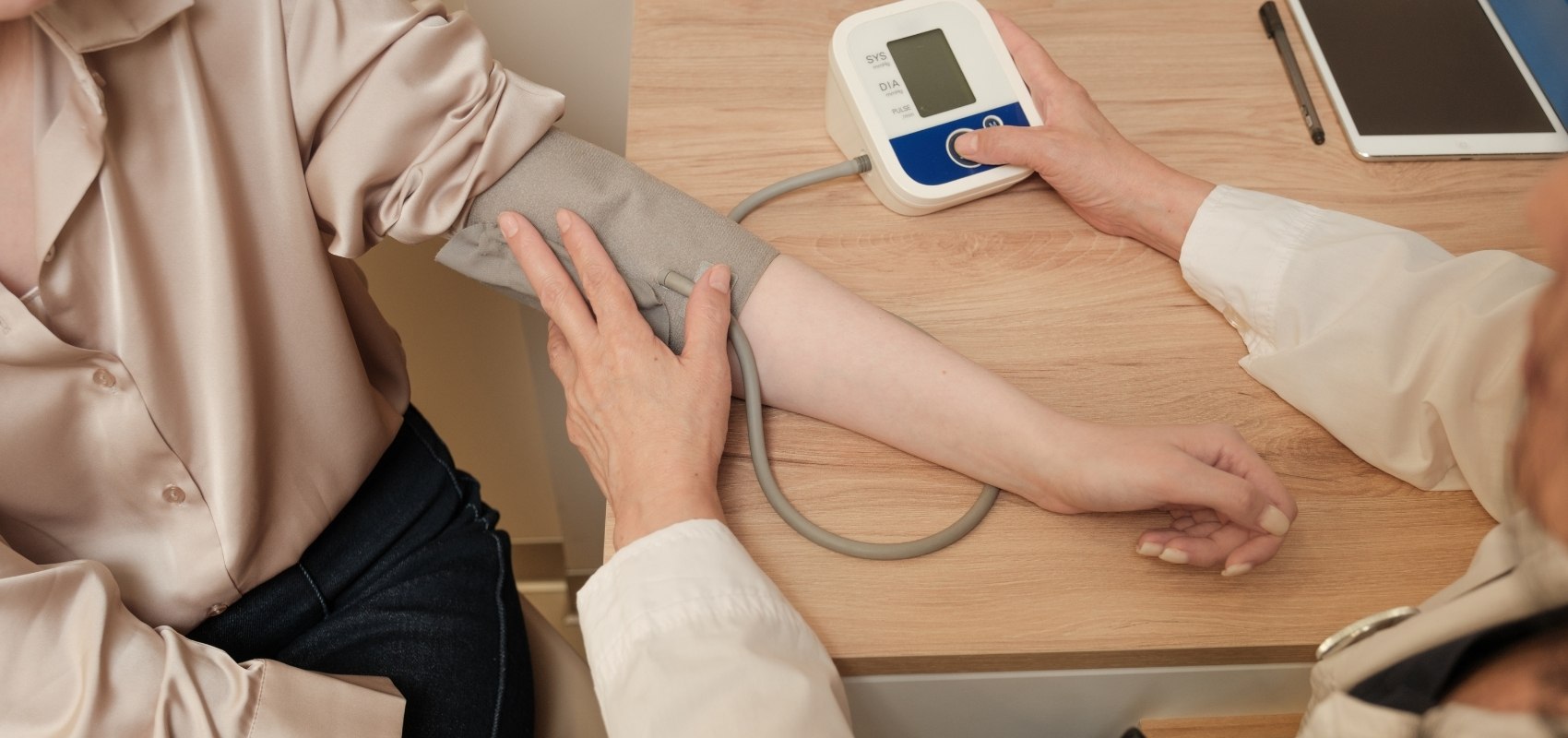
Hair loss in women is rarely random. In most cases, hormonal imbalance drives hair loss in women—either as the primary cause or a significant contributing factor. Understanding which hormones are involved, how they disrupt the hair growth cycle, and what clinical options exist can help you move from frustration to an informed, targeted response.
Table of Contents
- How Hormones Control Hair Growth
- The Main Hormonal Triggers of Female Hair Loss
- How Common Is Hormonal Hair Loss in Women?
- Diagnosing Hair Loss in Women Caused by Hormones
- Treatment Options Worth Knowing
- Things to Know
How Hormones Control Hair Growth
Each hair follicle cycles through three distinct phases: anagen (active growth), catagen (transition), and telogen (rest and shedding). Hormones regulate how long each follicle stays in anagen and how quickly it returns to active growth after shedding.
When hormone levels shift significantly, whether due to aging, reproductive changes, or a medical condition, follicles can enter telogen prematurely. Therefore, you experience increased daily shedding, slower regrowth, and progressively finer strands over time. This mechanism underlies the most common forms of female hair loss, including female pattern hair loss (FPHL) and telogen effluvium.
The Main Hormonal Triggers of Female Hair Loss
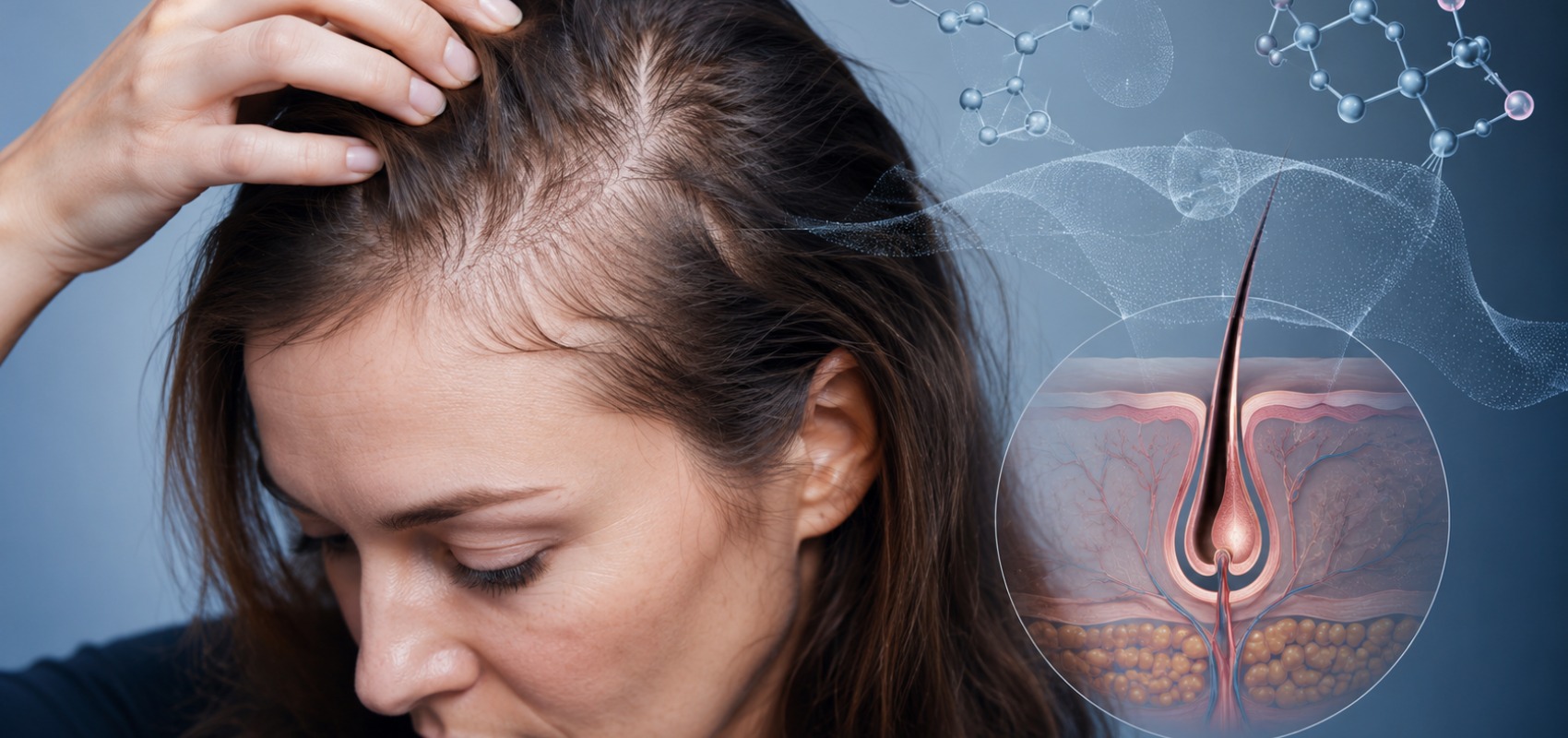
Several hormones affect follicle function when their levels fall outside the normal range.
Androgens and Hair Loss in Women
Dihydrotestosterone (DHT) is the most studied androgen in the context of FPHL. Even at levels considered normal in women, some follicles are genetically sensitive to DHT and will gradually miniaturize over time. This mechanism mirrors male androgenetic alopecia, though the pattern differs. In contrast, women typically experience diffuse thinning over the crown rather than a receding hairline.
Interestingly, the same hormonal research community that has documented low testosterone symptoms in men has clarified how androgen imbalances present differently across sexes.
Estrogen and Progesterone
Estrogen and progesterone promote hair retention by extending the anagen phase. When both hormones decline during perimenopause and menopause, follicles become relatively more exposed to androgenic signaling. Furthermore, this is why FPHL accelerates significantly after age 45 for many women.
Thyroid Hormones
Both hypothyroidism and hyperthyroidism trigger diffuse hair shedding. Thyroid hormones directly regulate follicle cell proliferation, and abnormal levels in either direction interrupt the normal cycle. Moreover, thyroid-related hair loss tends to be diffuse rather than patterned and often reverses once thyroid function is properly managed.
Cortisol
Chronic stress elevates cortisol, which suppresses sex hormone production. Additionally, it pushes a larger percentage of follicles into the resting phase simultaneously. This stress-induced shedding, known as telogen effluvium, often appears two to three months after a significant physical or emotional stressor. As a result, women sometimes struggle to connect cause and effect.
Insulin and Blood Sugar Regulation
Insulin resistance is associated with conditions like polycystic ovary syndrome (PCOS), which elevates androgen production indirectly. Importantly, PCOS is one of the most common endocrine conditions causing hair loss in women of reproductive age.
How Common Is Hormonal Hair Loss in Women?
The scale of this issue is larger than most people assume. According to Medihair’s 2025 hair loss statistics, androgenetic alopecia affects 30 million women in the United States. Moreover, female hair loss affects over 50% of postmenopausal women. Additionally, up to 40% of women experience frontal or parietal thinning beginning around reproductive age, according to the Journal of Dermatological Disease (2025). By age 50, approximately 40% of women experience some form of noticeable hair loss.
A large-scale 2025 study analyzed data from over one million users and found that 86.4% reported visible hair loss. Women reported more mild thinning (46.8%) compared to men (34.1%), as reported by Dermatology Times. Furthermore, a bibliometric analysis published in the Journal of Cosmetic Dermatology (August 2025) reviewed 488 publications from 1957 to 2024. This research reflects how significantly interest in female pattern hair loss has grown over the past two decades.
These studies have clarified the microneedling before and after results and other regenerative approaches available to women. A 2025 review published in Maturitas confirmed that hormonal changes during menopause lead to altered hair growth and characteristics. Therefore, FPHL and telogen effluvium are particularly common in post-menopausal women.
The treatment market reflects this demand. According to Mordor Intelligence (2025), the hair loss treatment products market is estimated at $3.14 billion in 2026. Female consumers represent 70.45% of market share in 2025. Additionally, the highest projected growth is 9.12% CAGR through 2031.
Diagnosing Hair Loss in Women Caused by Hormones
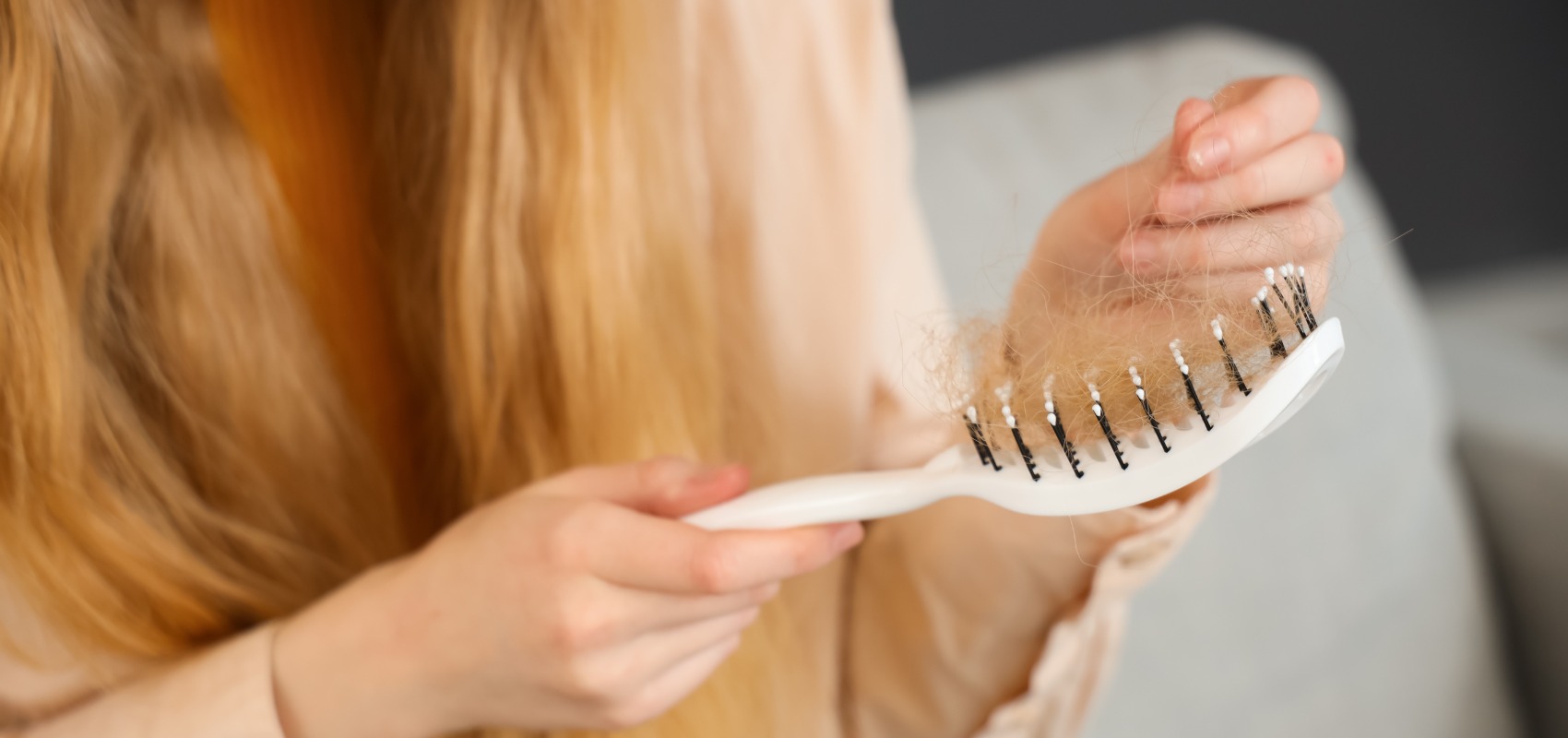
Effective treatment starts with identifying which hormones are out of range. A clinical workup for hair loss in women hormones typically includes lab panels covering thyroid function (TSH, free T3, free T4), sex hormones (estradiol, progesterone, total and free testosterone, DHEA-S), fasting insulin and glucose, ferritin (iron storage), and sometimes prolactin.
Pattern of shedding matters as well. Diffuse thinning throughout the scalp often points to thyroid dysfunction, iron deficiency, or telogen effluvium. In contrast, thinning concentrated at the crown and central part is more consistent with androgenetic alopecia. A visible hairline recession with androgen excess symptoms—such as acne or irregular periods—raises the possibility of PCOS.
Self-assessment is not sufficient here. Many of these conditions overlap, and misidentifying the driver leads to treatments that miss the mark entirely. Therefore, a physician-guided evaluation is worth prioritizing before investing in topical products or supplements.
Treatment Options Worth Knowing
Treatment for hormonal hair loss in women is not one-size-fits-all. Options vary based on the underlying hormonal imbalance identified.
Hormone Optimization
For women in perimenopause or menopause, restoring estrogen and progesterone to physiologically appropriate levels may slow or partially reverse FPHL. Reviewing hormone therapy before and after outcomes can offer a realistic picture of what to expect from this approach.
Anti-Androgen Medications
Spironolactone is a commonly prescribed anti-androgen for women with FPHL or androgen excess. It works by blocking DHT’s effect at the follicle level. Additionally, minoxidil (topical or oral) remains one of the most studied topical treatments and is FDA-approved for female pattern hair loss.
Regenerative Approaches
Platelet-rich plasma (PRP) therapy uses growth factors derived from your own blood to stimulate follicle activity. It is considered adjunctive, and results vary by individual. Similarly, microneedling before and after results show this technique creates controlled micro-injuries to the scalp. This may enhance topical absorption and stimulate local growth factors. Microneedling is also used in other contexts, such as microneedling for acne scars, with a similar mechanism of promoting tissue repair.
Nutritional Support
Iron deficiency and suboptimal ferritin levels are among the most commonly missed contributors to female hair loss. Correcting deficiencies in iron, zinc, vitamin D, and biotin can support other hormonal interventions. However, supplementation alone rarely reverses FPHL.
Things to Know
- Hair loss often lags behind the hormonal trigger by two to three months, making diagnosis difficult without lab work.
- FPHL and telogen effluvium can occur simultaneously, especially during or after menopause. This can complicate diagnosis.
- Ferritin below 70 ng/mL frequently associates with hair shedding even when hemoglobin is technically normal. Standard “normal range” labs may not flag this.
- Biotin supplements are widely marketed for hair growth but can interfere with thyroid and hormone lab results if taken before bloodwork.
- Results from any hormonal intervention for hair loss are typically gradual. Meaningful changes in density generally take four to six months or longer. Outcomes vary between individuals.
Talk to a Physician Before Your Hair Loss Gets Ahead of You
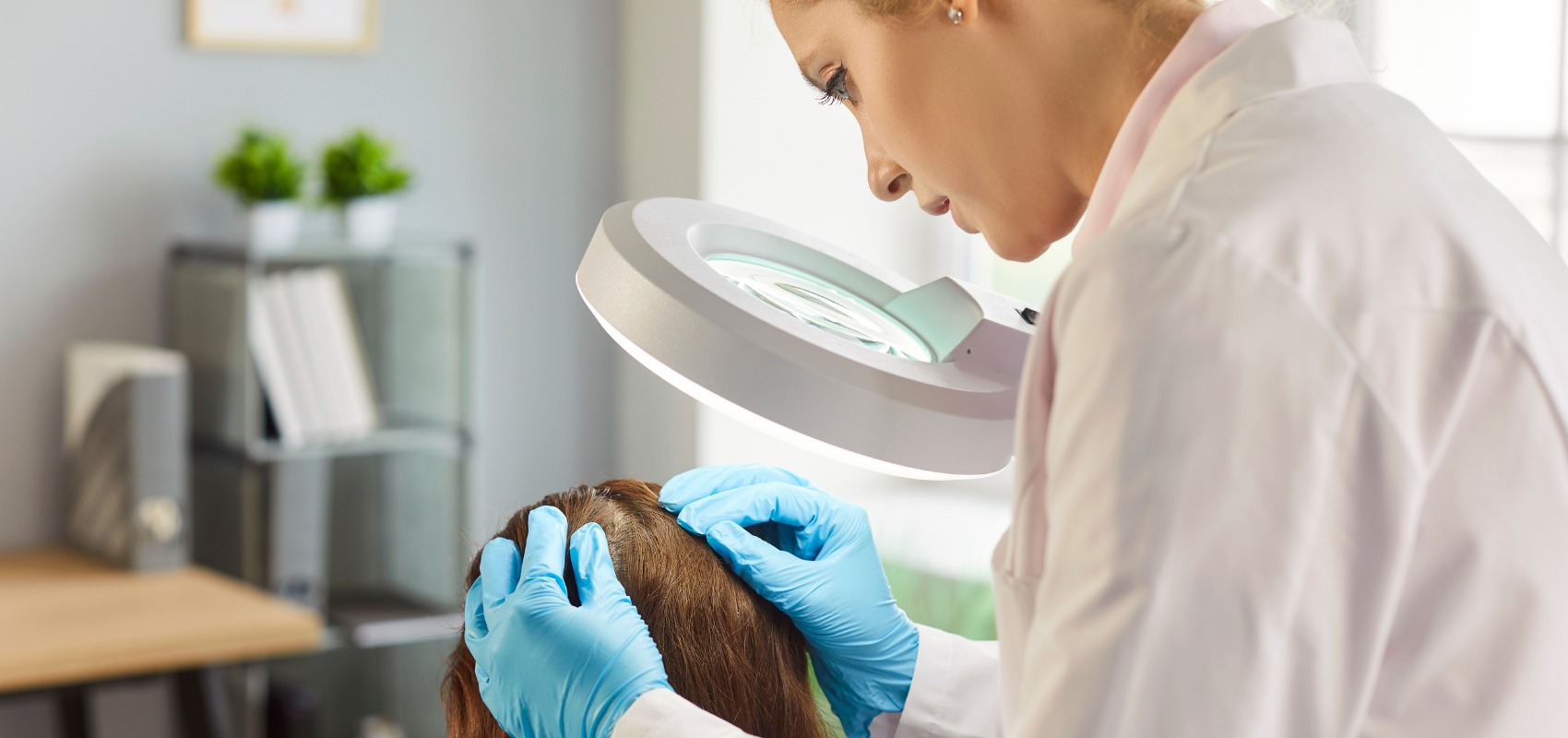
If you notice increased shedding, visible thinning, or a change in hair texture over the past several months, a comprehensive hormonal evaluation is the most productive first step. Schedule a consultation with BioRestore Health to work directly with a physician who will review your labs, symptoms, and health history together. Rather than treating surface-level signs in isolation, we address the root cause. Book your evaluation today and get a clear picture of what is actually driving your hair loss.
Frequently Asked Questions
Q: Can birth control pills cause hair loss in women?
Yes, hormonal contraceptives can contribute to hair shedding in some women. Pills with androgenic progestins may accelerate follicle miniaturization in women genetically predisposed to androgenetic alopecia. Additionally, stopping hormonal birth control can trigger a temporary shed as hormone levels readjust. This process typically resolves within a few months.
Q: Is hair loss from hormones reversible?
It depends on the underlying cause and how early you address it. Telogen effluvium caused by thyroid imbalance or stress is often reversible once the trigger is corrected. Androgenetic alopecia involves permanent follicle miniaturization in advanced stages. However, early intervention may slow progression and preserve density. Results vary significantly between individuals.
Q: What blood tests should I ask for if I suspect hormonal hair loss?
A complete panel should include thyroid markers, sex hormones, ferritin, fasting insulin, and DHEA-S at minimum. TSH alone is not sufficient to rule out thyroid-related hair loss. Free T3, free T4, and thyroid antibodies provide a more complete picture. Ferritin is often overlooked but is particularly important for women with diffuse shedding.
Q: Does menopause always cause hair loss?
Not always, but it significantly increases the risk. According to a 2025 review in Maturitas, hormonal changes during menopause frequently lead to altered hair growth characteristics. The decline in estrogen and progesterone removes the protective effect these hormones have on follicles. This increases their relative sensitivity to androgens.
Q: How is female pattern hair loss different from male pattern baldness?
The underlying mechanism is similar, but the presentation and progression differ meaningfully. Women typically experience diffuse thinning over the crown and a widening part rather than a receding hairline or complete baldness. The hormonal sensitivity of follicles is comparable. However, clinical patterns and treatment protocols are calibrated differently for women.
Disclaimer: This article is for informational and educational purposes only and does not constitute medical advice. Hair loss has multiple potential causes, and individual treatment appropriateness varies. Please consult a qualified physician for diagnosis and a personalized treatment plan before beginning any hormonal or medical intervention.