Microneedling for acne scars works by creating controlled micro-injuries in the skin that trigger your body’s natural collagen repair response. This gradually fills in depressed scar tissue over multiple sessions. It is one of the more clinically studied minimally invasive options for atrophic acne scarring. Moreover, there is a reasonable evidence base supporting its use in appropriate candidates.
Key Takeaways
- Microneedling stimulates collagen and elastin production by creating micro-injuries in the dermis, which may gradually improve the appearance of atrophic acne scars over time.
- Most patients require three to six sessions spaced four to six weeks apart before noticing meaningful improvement; results vary based on scar type and depth.
- Combining microneedling with platelet-rich plasma (PRP) may enhance outcomes for some patients, though more research is needed to standardize protocols.
- It is not a one-size-fits-all treatment: ice pick scars typically respond less predictably than rolling or boxcar scars.
- Physician oversight matters for both safety and outcome; treatment parameters like needle depth and session frequency should be individualized.
- Skin health can intersect with internal factors like hormonal balance and nutritional status, which affect how well your skin heals and remodels.
How Microneedling for Acne Scars Actually Works on Scar Tissue
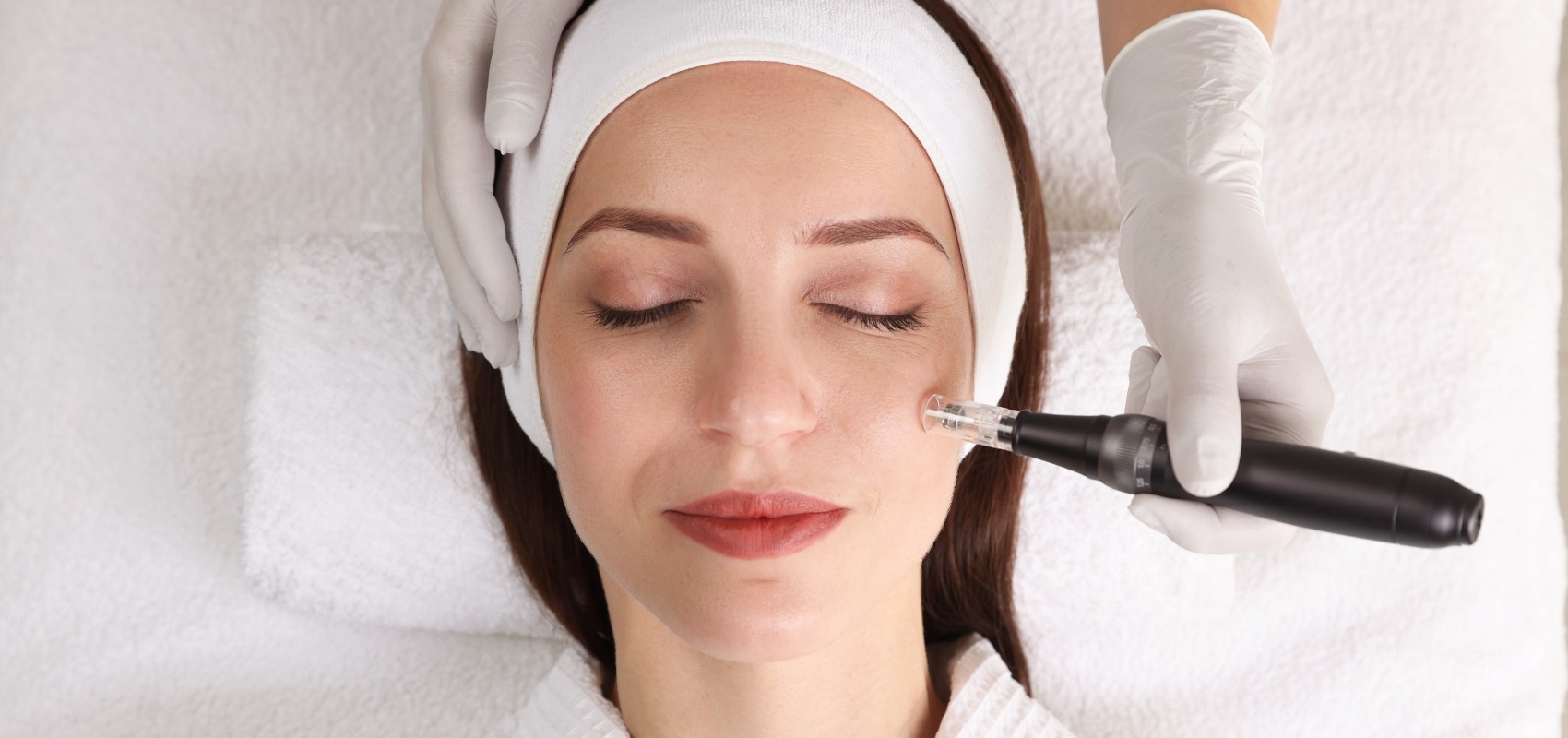
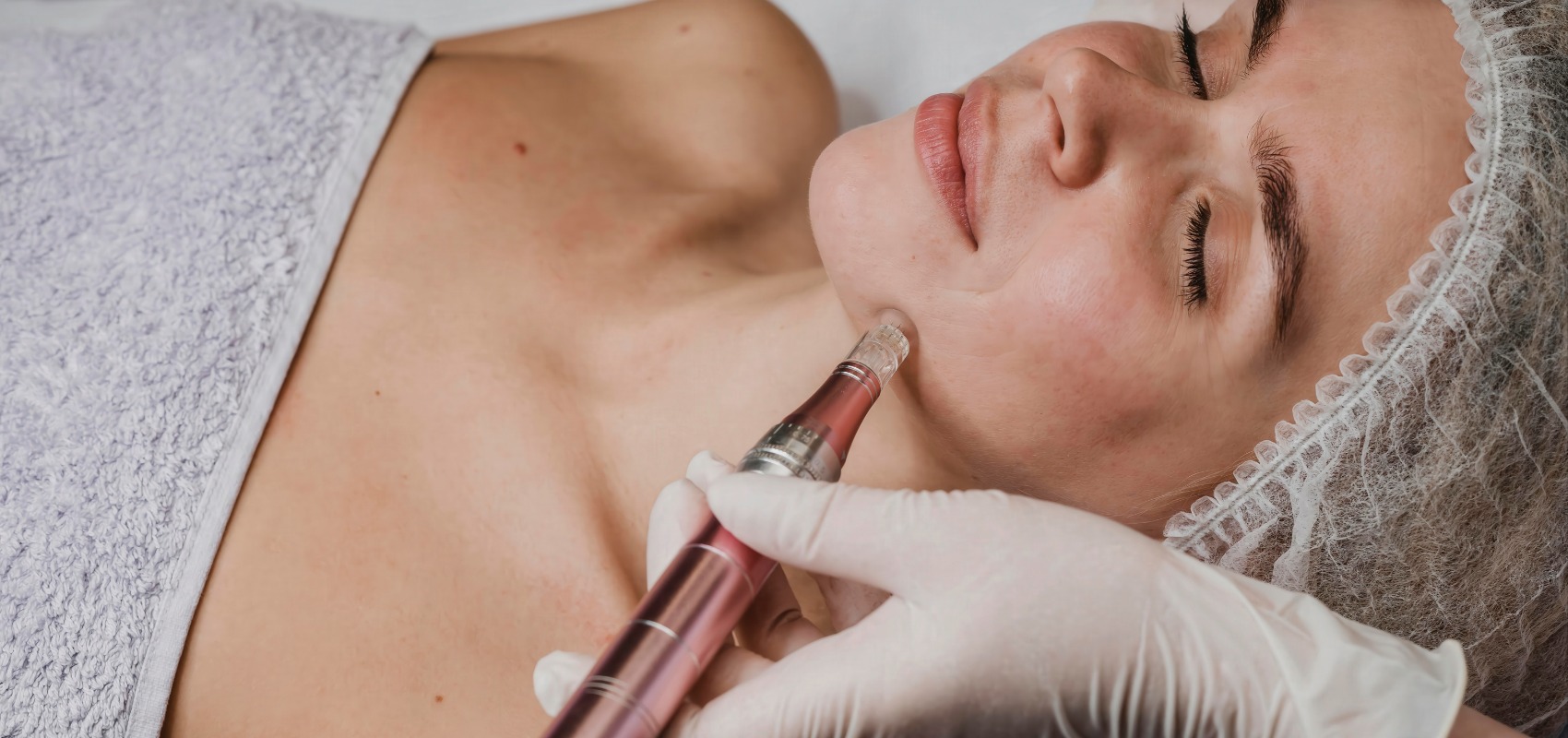
When a clinician passes a microneedling device across your skin, fine needles create thousands of micro-channels in the dermis at a controlled depth. This depth typically ranges between 0.5 mm and 2.5 mm depending on the treatment area and scar severity. This controlled injury triggers a wound-healing cascade that includes platelet activation and growth factor release. Critically, it also stimulates new collagen and elastin synthesis.
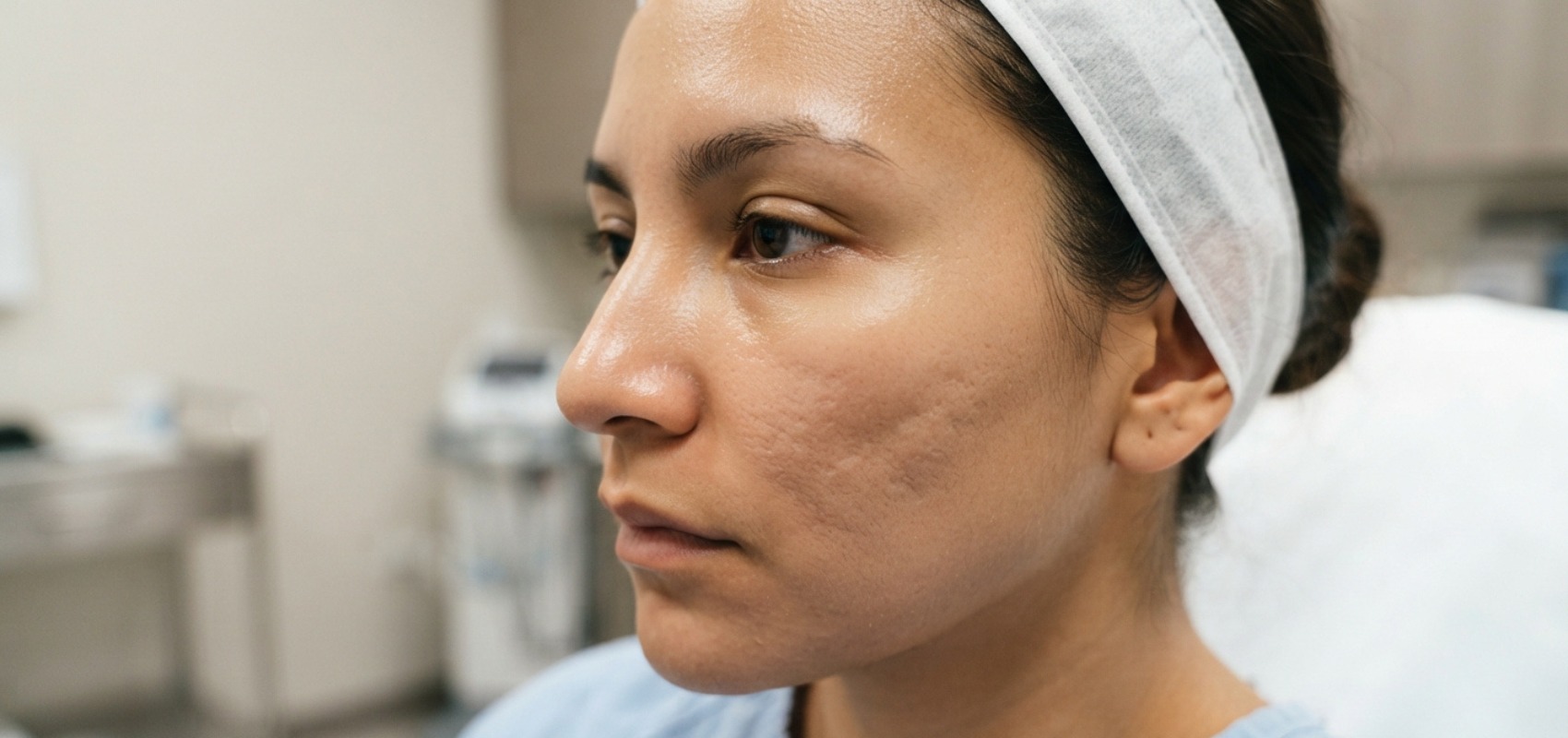
For acne scars specifically, the mechanism matters because most post-acne depressions are atrophic. Atrophic means tissue was lost rather than raised during the original inflammatory injury. Additionally, rolling scars and boxcar scars tend to respond more favorably to microneedling. Their wider, shallower architecture allows remodeling collagen to physically lift the base of the depression. Ice pick scars, which are narrow and deep, are generally less responsive. They may require adjunct procedures.
A 2021 systematic review published in the International Wound Journal found that microneedling consistently improved atrophic acne scars across nine randomized controlled trials. However, treatment protocols varied considerably, including the number of sessions and intervals between treatments, highlighting the need for greater standardization in microneedling protocols.
Results vary by individual skin type, scar age, and treatment parameters.
What to Expect Before, During, and After Microneedling for Acne Scars Treatment
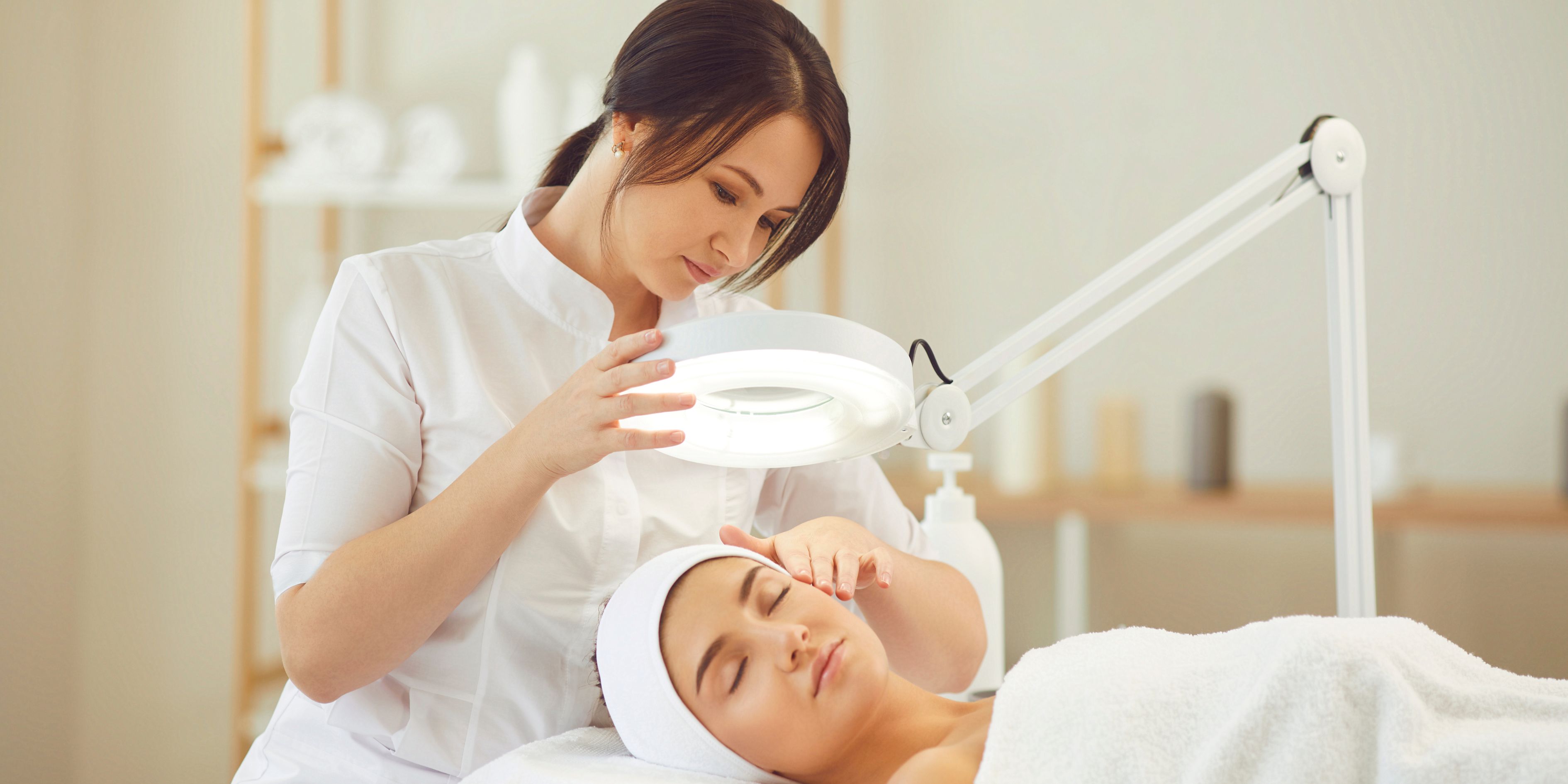
Before your first session, a qualified provider should assess your scar types, Fitzpatrick skin tone, and any active breakouts. Active inflammatory acne is a contraindication for microneedling. Introducing micro-injuries into already-inflamed follicles can worsen the condition or spread bacteria.
During treatment, a topical numbing cream is applied for 20 to 40 minutes beforehand. The device is moved systematically across the target area. Patients typically describe the sensation as a mild scratching or vibrating pressure. Sessions last roughly 30 to 60 minutes depending on the treatment area.
After treatment, expect redness and mild swelling for 24 to 72 hours. Your skin will be more photosensitive. Therefore, broad-spectrum SPF 30+ daily use is non-negotiable during the recovery window. Vitamin C is frequently recommended post-procedure to support skin repair. Understanding how long vitamin C stays in your system helps you time supplementation strategically.
Most protocols suggest spacing sessions four to six weeks apart. This allows full collagen maturation between treatments. Visible improvement typically begins after the second or third session. Peak results appear three to six months after the final treatment.
Microneedling Alone vs. Combination Approaches
| Approach | Mechanism | Best For | Considerations |
|---|---|---|---|
| Microneedling alone | Collagen induction via micro-injury | Mild to moderate rolling/boxcar scars | Requires multiple sessions; predictable safety profile |
| Microneedling + PRP | Growth factor amplification | Moderate scars; patients wanting enhanced remodeling | More evidence needed; adds cost |
| Microneedling + RF (radiofrequency) | Heat-based collagen contraction + induction | Deeper scars, skin laxity concerns | Higher cost; longer downtime |
| Chemical peels alone | Surface-level cell turnover | Superficial pigmentation, mild texture | Less effective on deep atrophic scars |
Microneedling combined with platelet-rich plasma (PRP) has attracted clinical interest. PRP concentrates growth factors from your own blood, potentially amplifying the collagen induction signal. A 2019 systematic review in Dermatologic Surgery found that the combination showed superior outcomes compared to microneedling alone in several trials. However, the authors noted heterogeneous study designs made definitive conclusions difficult.
The cost of your treatment plan should also be part of the conversation. Just as patients researching regenerative services often want transparency on options, you should ask your provider for a full breakdown. This includes session fees, consumables, and any add-ons before beginning.
Important Things to Know About Microneedling for Acne Scars
- Not all microneedling devices are equal: medical-grade automated pens used in clinical settings reach more consistent depths than at-home dermarollers, which carry a higher infection risk and less precise depth control.
- Results are gradual, not immediate. Collagen remodeling takes weeks to months; patients who expect dramatic change after one session are typically disappointed.
- Hyperpigmentation risk is real, particularly for deeper Fitzpatrick skin tones (IV through VI). Choosing an experienced provider who adjusts needle depth and session spacing accordingly significantly reduces this risk.
- Hormonal imbalances can affect skin healing. If your skin recovers slowly between sessions or your acne scars formed in part due to hormonal triggers, addressing underlying hormone levels may support better outcomes. Conditions like PCOS-related androgens or estrogen fluctuations keep skin in a chronic inflammatory state.
- Microneedling does not eliminate acne. It addresses the scarring left behind. If active acne is not controlled, new scars may form even as old ones improve.
The Role of Skin Health in a Broader Wellness Plan
Skin is a downstream reflection of systemic health. Collagen synthesis depends on adequate vitamin C, zinc, and protein intake. Healing rate is influenced by sleep quality, cortisol levels, and hormonal balance. For some patients, slower-than-expected skin response after microneedling points to an underlying physiological issue rather than a treatment failure.
Regenerative approaches like PRP are part of the broader category of alternative regenerative medicine. These are offered at physician-led practices where treatment plans account for the whole patient rather than a single aesthetic concern. Whether the conversation includes peptide therapy for tissue repair or IV therapy for micronutrient repletion, the underlying principle is the same. Support your body’s own healing mechanisms with precision.
Take the Next Step Toward Clearer Skin With Physician Support
If you have been managing acne scarring on your own with mixed results, a physician-supervised evaluation can identify whether microneedling is right for your scar type, skin tone, and health history. Furthermore, this evaluation determines whether any internal factors may be slowing your skin’s ability to heal and remodel. Schedule a consultation at BioRestore Health to speak with a clinically led team that approaches skin health within the context of your overall physiology. The next step is simply booking a conversation with no obligation attached.
Frequently Asked Questions
Q: How many microneedling sessions are needed for acne scars?
Most patients require three to six sessions spaced four to six weeks apart to see meaningful improvement in atrophic acne scarring. The exact number depends on scar depth, type, and how your skin responds to initial sessions. Your provider should reassess after each treatment before recommending additional sessions.
Q: Does microneedling hurt?
With topical numbing cream applied beforehand, most patients describe the sensation as mild pressure or scratching rather than sharp pain. Discomfort level varies by skin sensitivity and the area being treated. Areas with thinner skin, like around the forehead or chin, may feel more sensitive than the cheeks.
Q: Is microneedling safe for darker skin tones?
Microneedling can be performed safely on deeper skin tones. However, needle depth and session frequency must be carefully adjusted to minimize post-inflammatory hyperpigmentation risk. Choosing a provider with specific experience treating Fitzpatrick skin types IV through VI is critical. Inappropriate settings can worsen pigmentation rather than improve it.
Q: Can microneedling make acne scars worse?
When performed correctly on appropriate candidates, microneedling should not worsen acne scars. However, active acne, infection, or incorrect needle depth can lead to complications. This is why a clinical consultation before treatment is important. Patients with active inflammatory acne lesions should wait until breakouts are controlled before beginning any microneedling protocol.
Q: What is the difference between microneedling and laser resurfacing for acne scars?
Laser resurfacing uses focused light energy to remove or remodel skin layers. Microneedling, in contrast, uses mechanical micro-injuries to stimulate collagen without thermal damage to surrounding tissue. Lasers may produce faster results for certain scar types but carry higher risk of pigmentation changes, particularly in darker skin tones. Microneedling typically has a shorter recovery period and a more favorable safety profile across a broader range of skin tones.
The Bottom Line on Microneedling for Acne Scars
Microneedling for acne scars is a clinically supported, minimally invasive approach that may meaningfully improve scar appearance in appropriate candidates. It works particularly well for those with rolling or boxcar atrophic scars. It is not a standalone cure. Instead, it works best within a thoughtful treatment plan that accounts for your skin type, overall health, and realistic expectations about gradual improvement over months rather than days.
If you are ready to move beyond guesswork and get a clear, personalized assessment of your options, start by speaking with a physician-led team that looks at the full picture.
Disclaimer: This article is intended for educational purposes only and does not constitute medical advice. Results from aesthetic treatments including microneedling vary by individual. Consult a qualified healthcare provider before beginning any skin treatment protocol.