Microneedling before and after results show measurable improvements in skin texture, tone, and firmness. Typically, visible changes become apparent within two to four weeks after an initial session. Most patients require a series of three to six treatments to see the cumulative changes that photographs and clinical assessments document most clearly.
Key Takeaways
- Visible improvements in skin texture and fine lines often begin appearing two to four weeks after the first session, with more significant changes building over subsequent treatments.
- Collagen remodeling continues for up to six months after a microneedling session, which means final results are not apparent immediately after treatment.
- Patient outcomes vary based on skin type, age, treatment depth, and whether adjunctive therapies such as PRP or topical serums are incorporated.
- Sun protection and post-procedure skincare directly influence how well results develop and how long they last.
- Combining microneedling with complementary wellness strategies, including nutritional support and hormonal balance, may enhance the skin’s baseline capacity to heal and remodel.
- Multiple sessions spaced four to six weeks apart produce more consistent and lasting changes than a single standalone treatment.
What Microneedling Before and After Results Reveal About Skin Healing
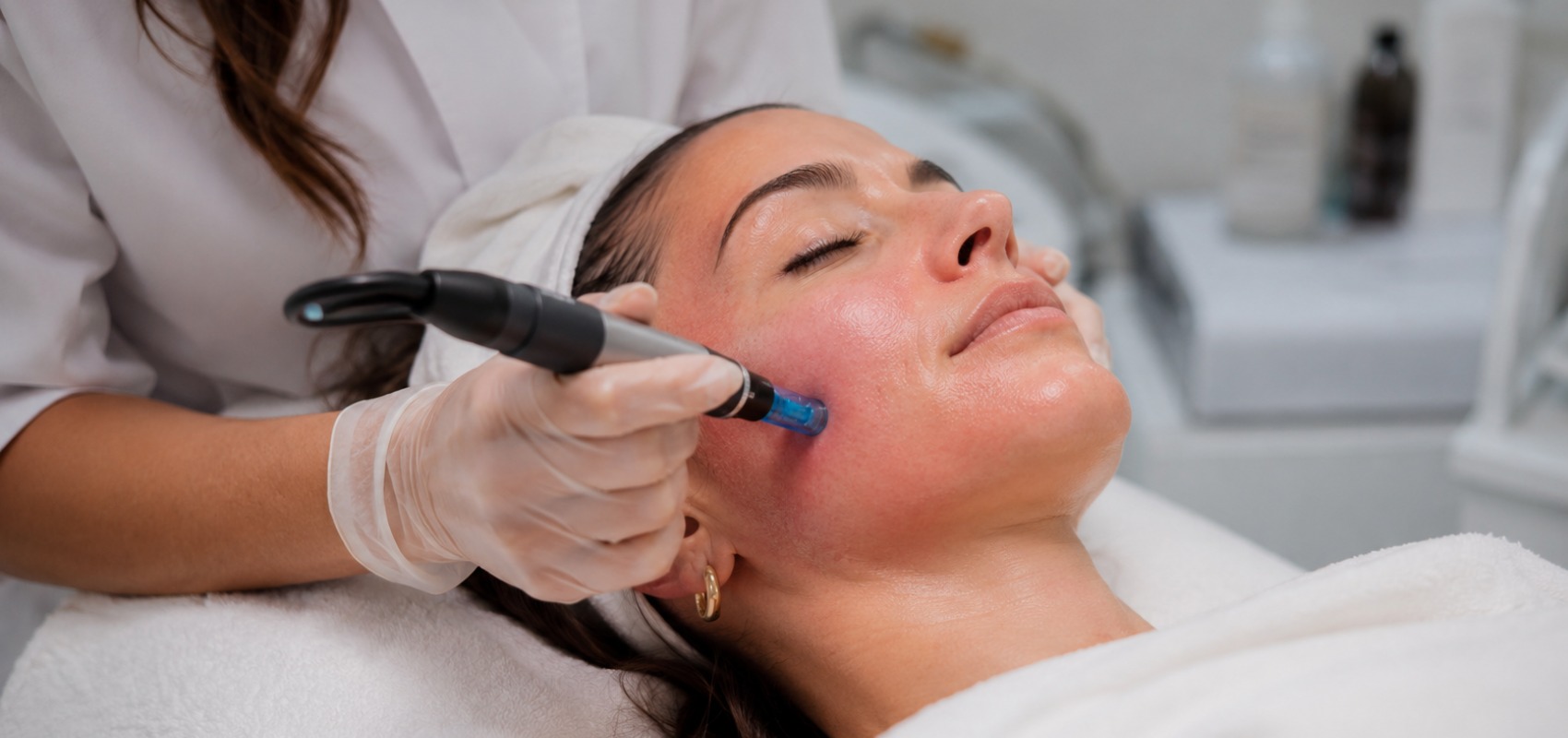
Microneedling, also called percutaneous collagen induction therapy, works by creating controlled microinjuries in the skin using fine needles. These tiny punctures trigger the body’s natural wound-healing cascade. The process involves three overlapping phases: inflammation, proliferation, and remodeling.
The remodeling phase is where the magic happens. It can persist for months and produces the structural changes most people associate with visible skin improvement.
Research published in the Journal of Clinical and Aesthetic Dermatology found that microneedling increased collagen types I and III, along with type VII collagen and newly synthesized collagen, following a series of treatments. These collagen changes can contribute to firmer, smoother skin over time. Clinically, microneedling is used to address concerns such as acne scars, fine lines, enlarged pores, uneven pigmentation, and mild skin laxity.
The depth of needle penetration matters significantly. Superficial depths around 0.5 mm address texture and pore size. In contrast, depths of 1.5 mm to 2.5 mm are typically used for atrophic acne scars or more pronounced skin laxity. A trained provider calibrates this based on your specific skin concern, skin thickness, and tolerance.
Additionally, microneedling does not resurface the skin the way ablative laser treatments do. There is no controlled removal of epidermal tissue. This distinction makes microneedling appropriate for a broader range of skin tones, including darker complexions where aggressive laser treatments carry a higher risk of post-inflammatory hyperpigmentation.
The Timeline of Visible Microneedling Before and After Changes
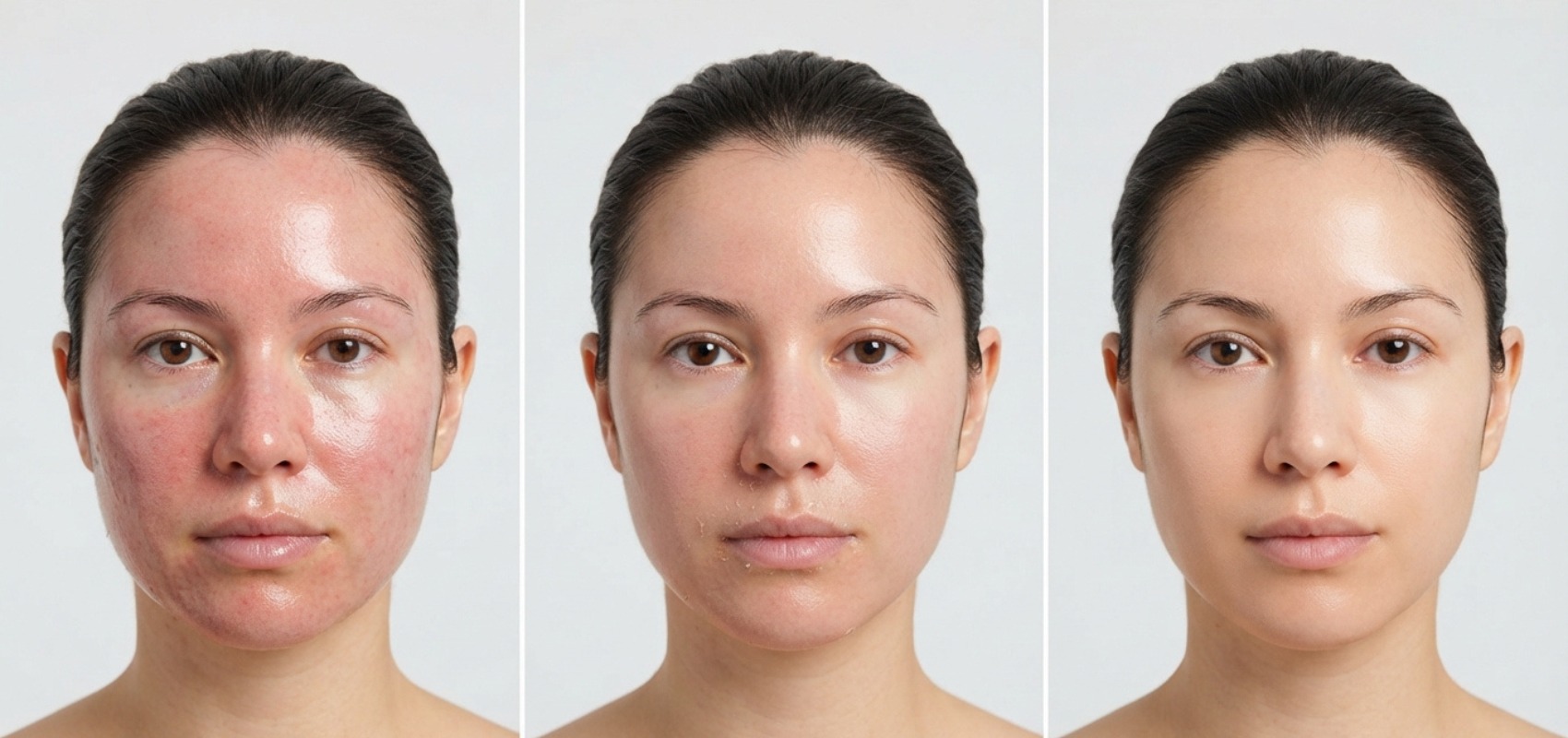
Understanding the timeline is one of the most important parts of setting realistic expectations around microneedling before and after results. Many patients expect immediate changes. However, the biology of collagen synthesis does not work that way.
Days 1 to 3: Redness, mild swelling, and skin sensitivity are normal. The skin may look flushed, similar to a moderate sunburn. This is the inflammatory phase at work.
Days 4 to 7: Redness subsides. Some patients notice a subtle brightening or smoothness as the skin surface begins to settle. This is not yet the collagen response.
Weeks 2 to 4: Early collagen deposition begins. Patients often notice improved skin texture, smaller-looking pores, and a more even skin tone. This is typically when the first meaningful visible improvement appears.
Months 2 to 6: This is where the most significant structural changes occur. New collagen matures and organizes, leading to visible reductions in fine lines, improved scar appearance, and measurable increases in skin firmness. Research published in Dermatologic Surgery has documented continued skin improvement for up to six months following a single microneedling session in patients treated for acne scarring.
After a series of sessions: The cumulative benefit compounds across multiple treatments. Most clinical protocols involve three to six sessions spaced four to six weeks apart. The before-and-after photographs used in clinical studies and practice settings almost always capture results after a completed series, not a single session.
Factors That Determine How Dramatic Your Microneedling Before and After Results Will Be
Not every patient achieves the same degree of improvement. Several variables influence the magnitude of your outcome.
Age and baseline collagen density. Younger skin with a higher baseline of collagen tends to respond more readily. As you age, the density and quality of your existing collagen declines, which can slow the remodeling response. This does not mean older patients cannot benefit, it means their results may require more sessions or adjunctive support.
The skin concerns being treated. Superficial texture irregularities and fine lines often respond more quickly than deep, ice-pick acne scars. Box scars and rolling scars tend to show more meaningful improvement than ice-pick scars with standard microneedling alone.
Treatment depth and device quality. Automated microneedling pens with adjustable depth settings allow for more precise, consistent needle penetration compared to manual rollers. Clinical-grade devices used by licensed providers differ meaningfully from at-home rollers in terms of depth range, speed, and sterility.
Adjunctive therapies. Combining microneedling with platelet-rich plasma (PRP), hyaluronic acid serums, or growth factor products applied immediately post-treatment can enhance outcomes. The open microchannels created by the needles improve the absorption and efficacy of topically applied actives during the treatment window.
Hormonal and nutritional status. Skin is a metabolically active organ. Hormonal imbalances, particularly those involving estrogen and testosterone, affect collagen synthesis and skin thickness. Similarly, nutritional factors matter: for example, understanding how long does vitamin c stay in your system 2 is clinically relevant because vitamin C is a co-factor in collagen synthesis, and systemic deficiency can limit the skin’s ability to build new collagen after microneedling.
Post-treatment skincare and sun protection. Skipping SPF after microneedling is one of the most common ways patients undermine their results. UV exposure during the healing window can trigger post-inflammatory hyperpigmentation and compromise the quality of new collagen being laid down.
What the Research Says About Specific Skin Concerns
Acne Scarring and Microneedling Before and After Results
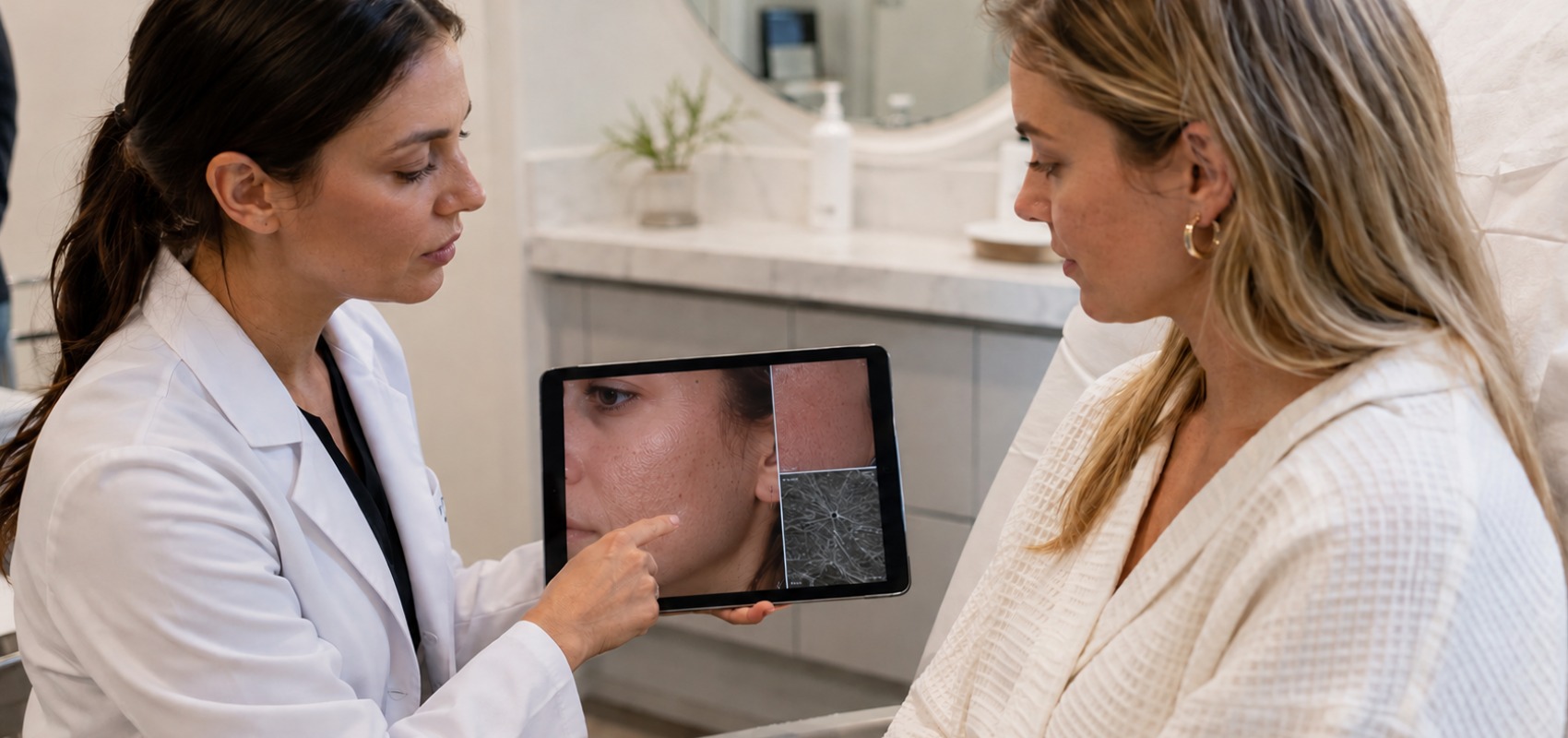
Atrophic acne scars are among the most extensively studied indications for microneedling. A systematic review published in Dermatologic Surgery found improvement in acne scar appearance across all 33 studies evaluated. Other research suggests that rolling and boxcar scars tend to respond more consistently to microneedling, while deeper ice-pick scars can be more resistant to treatment.
Fine Lines and Skin Laxity
Clinical studies support measurable improvements in fine lines, wrinkles, skin texture, and mild skin laxity following a series of microneedling treatments. Rather than adding volume, microneedling stimulates dermal remodeling and new collagen formation, so improvements develop gradually as the skin’s repair processes progress.
Hyperpigmentation and Uneven Tone
Microneedling is generally used as an adjunct rather than a first-line treatment for melasma. Research suggests that combining microneedling with appropriate topical therapies, including certain depigmenting agents, can improve melasma severity beyond topical treatment alone. Because excessive irritation or inflammation can worsen pigmentation, particularly in darker skin tones, treatment intensity and product selection should be individualized by a qualified provider.
How Broader Wellness Affects Your Skin’s Response to Microneedling
Microneedling addresses the skin from the outside in. However, the skin’s capacity to heal depends on what is happening systemically. Hormonal optimization, nutritional status, and targeted therapies can all influence baseline skin health. These factors affect how well your skin responds to any aesthetic procedure.
Patients exploring how much bioidentical hormone therapy costs are often simultaneously interested in aesthetic outcomes, and with good reason. Estrogen plays a direct role in maintaining skin thickness, hydration, and collagen content. When hormonal levels are optimized, the skin’s structural environment becomes more capable of mounting a robust healing response.
Peptide therapy is another area of growing clinical interest in relation to skin health. Certain peptides have been studied for their roles in cellular repair and tissue regeneration. If you are curious about the clinical side of this, understanding whether doctors can prescribe peptides is a reasonable starting point. Do this before pursuing any peptide-based adjunct to your aesthetics plan. Additionally, for those weighing the financial aspect of integrating multiple therapies, reviewing how much peptide therapy costs provides practical context on what a physician-supervised peptide protocol involves.
None of these systemic approaches replace microneedling. Rather, they can create a physiological environment in which your skin is better positioned to respond.
Managing Expectations Honestly
One of the most important things a provider can do is help you understand what microneedling can and cannot accomplish. The before-and-after photographs that circulate widely online represent selected outcomes. These often come from patients with ideal skin profiles, optimal protocols, and professional photography under consistent lighting. Real-world results are more variable.
Microneedling may help:
- Reduce the appearance of mild to moderate acne scarring
- Improve skin texture and minimize pore appearance
- Support modest improvements in fine lines, particularly in patients with early skin aging
- Enhance skin tone and radiance when combined with appropriate post-care
Microneedling is unlikely to:
- Produce dramatic results from a single session
- Fully resolve deep, structural scarring without adjunctive treatments
- Replace surgical interventions for significant skin laxity
- Deliver permanent results without maintenance sessions over time
Results vary by individual. A qualified provider will assess your skin during a consultation. Furthermore, they will give you a protocol and realistic outcome range based on your specific presentation, not a generalized promise.
Things to Know
- Redness and minor swelling in the first 24 to 72 hours are expected and do not indicate a problem. They are part of the inflammatory healing cascade.
- At-home microneedling rollers are not equivalent to clinical treatments. Needle depth, sterility, and technique differ substantially. Improper use carries real risks including infection and scarring.
- Patients on certain medications, including isotretinoin, should avoid microneedling until they have been off the medication for an adequate period. Always disclose your full medication list to your provider.
- Darker skin tones can safely receive microneedling. However, provider experience with diverse skin types matters. Post-inflammatory hyperpigmentation risk is real and can be mitigated with the right protocol and skincare support.
- Maintenance sessions every three to six months are generally recommended to sustain results. Collagen continues to degrade naturally with age and environmental exposure.
- Results documented in clinical studies are typically measured using validated scar assessment scales, photography under standardized lighting, or skin biopsy. Consumer-facing before-and-after images rarely meet this methodological standard.
Frequently Asked Questions
Q: How many microneedling sessions does it take to see real results?
Most patients begin noticing meaningful improvement after the second or third session in a series.
Initial changes in skin texture and brightness can appear within a few weeks of the first treatment. However, structural improvements in scarring or skin firmness typically require three to six sessions spaced four to six weeks apart. Collagen remodeling continues for months after each session. Therefore, patience is essential.
Q: Is microneedling painful?
Most patients experience mild discomfort, which is well managed with a topical numbing cream applied before the procedure.
The sensation is often described as a light scratching or vibrating feeling. Sensitivity varies depending on treatment area and depth. Deeper settings used for acne scarring may cause more discomfort than superficial texture treatments.
Q: Can microneedling make skin worse before it gets better?
Yes, temporarily. The inflammation phase produces redness and minor swelling that can make skin look worse for the first few days.
This is a normal and expected part of the healing process. Most providers counsel patients to avoid scheduling treatment right before major events for this reason. The visible irritation typically resolves within three to five days.
Q: Does microneedling work on all skin types?
Yes, microneedling is generally considered safe across all Fitzpatrick skin types when performed correctly.
This is one of the reasons it is often preferred over ablative laser treatments for patients with medium to dark complexions. However, provider expertise in managing post-inflammatory hyperpigmentation risk remains important for darker skin tones.
Q: How long do microneedling results last?
Results from a completed treatment series can last one to two years with appropriate maintenance and skincare.
The longevity depends on your skin’s aging process, lifestyle factors such as sun exposure and smoking. Additionally, whether you continue with periodic maintenance sessions affects how long results persist.
Disclaimer: This article is intended for educational purposes only and does not constitute medical advice. Individual results from microneedling vary based on skin type, treatment protocol, provider technique, and overall health status. Consult a qualified, licensed medical provider before beginning any aesthetic treatment. Microneedling involves inherent risks including but not limited to redness, swelling, infection, and post-inflammatory hyperpigmentation. A thorough clinical evaluation is necessary to determine candidacy and appropriate treatment parameters for your individual situation.
Sources
Ablon, G. (2018). Safety and effectiveness of an automated microneedling device in improving the signs of aging skin. The Journal of Clinical and Aesthetic Dermatology, 11(8), 29–34. https://jcadonline.com/august-2018-microneedling/
Alster, T. S., & Li, M. K. Y. (2020). Microneedling of scars: A large prospective study with long-term follow-up. Plastic and Reconstructive Surgery, 145(2), 358–364. https://doi.org/10.1097/PRS.0000000000006462
American Academy of Dermatology Association. (n.d.-a). Melasma: Diagnosis and treatment. https://www.aad.org/public/diseases/a-z/melasma-treatment
American Academy of Dermatology Association. (n.d.-b). Microneedling can fade scars, uneven skin tone, and more. https://www.aad.org/public/cosmetic/scars-stretch-marks/microneedling-fade-scars
Bailey, A. J. M., Li, H. O.-Y., Tan, M. G., Cheng, W., & Dover, J. S. (2022). Microneedling as an adjuvant to topical therapies for melasma: A systematic review and meta-analysis. Journal of the American Academy of Dermatology, 86(4), 797–810. https://doi.org/10.1016/j.jaad.2021.03.116
Brasil Dos Santos, J., Nagem Lopes, L. P., de Lima, G. G., Teixeira da Silva, R., da Silva E Souza Lorca, B., Miranda Pinheiro, G., & Faria de Freitas, Z. M. (2022). Microneedling with cutaneous delivery of topical agents for the treatment of melasma: A systematic review. Journal of Cosmetic Dermatology, 21(11), 5680–5695. https://doi.org/10.1111/jocd.15287
Cleveland Clinic. (2022, May 23). Microneedling: What it is, uses, benefits & results. https://my.clevelandclinic.org/health/treatments/23113-microneedling
Doddaballapur, S. (2009). Microneedling with dermaroller. Journal of Cutaneous and Aesthetic Surgery, 2(2), 110–111. https://doi.org/10.4103/0974-2077.58529
El-Domyati, M., Barakat, M., Awad, S., Medhat, W., El-Fakahany, H., & Farag, H. (2015). Microneedling therapy for atrophic acne scars: An objective evaluation. The Journal of Clinical and Aesthetic Dermatology, 8(7), 36–42. https://pmc.ncbi.nlm.nih.gov/articles/PMC4509584/
Juhasz, M. L. W., & Cohen, J. L. (2020). Microneedling for the treatment of scars: An update for clinicians. Clinical, Cosmetic and Investigational Dermatology, 13, 997–1003. https://doi.org/10.2147/CCID.S267192
Liang, X., Li, J., Yan, Y., Xu, Y., Wang, X., Wu, H., Liu, Y., Li, L., & Zhuo, F. (2022). Efficacy of microneedling combined with local application of human umbilical cord-derived mesenchymal stem cells conditioned media in skin brightness and rejuvenation: A randomized controlled split-face study. Frontiers in Medicine, 9, 837332. https://doi.org/10.3389/fmed.2022.837332
Mujahid, N., Shareef, F., Maymone, M. B. C., & Vashi, N. A. (2020). Microneedling as a treatment for acne scarring: A systematic review. Dermatologic Surgery, 46(1), 86–92. https://doi.org/10.1097/DSS.0000000000002020
Ramaut, L., Hoeksema, H., Pirayesh, A., Stillaert, F., & Monstrey, S. (2018). Microneedling: Where do we stand now? A systematic review of the literature. Journal of Plastic, Reconstructive & Aesthetic Surgery, 71(1), 1–14. https://doi.org/10.1016/j.bjps.2017.06.006
Singh, A., & Yadav, S. (2016). Microneedling: Advances and widening horizons. Indian Dermatology Online Journal, 7(4), 244–254. https://doi.org/10.4103/2229-5178.185468
Wamsley, C. E., Kislevitz, M., Barillas, J., Basci, D., Kandagatla, V., Hitchcock, T., Akgul, Y., & Kenkel, J. (2021). A single-center trial to evaluate the efficacy and tolerability of four microneedling treatments on fine lines and wrinkles of facial and neck skin in subjects with Fitzpatrick skin types I-IV: An objective assessment using noninvasive devices and 0.33-mm microbiopsies. Aesthetic Surgery Journal, 41(11), NP1603–NP1618. https://doi.org/10.1093/asj/sjab052
Wu, S. Z., Muddasani, S., & Alam, M. (2020). A systematic review of the efficacy and safety of microneedling in the treatment of melasma. Dermatologic Surgery, 46(12), 1636–1641. https://doi.org/10.1097/DSS.0000000000002763